



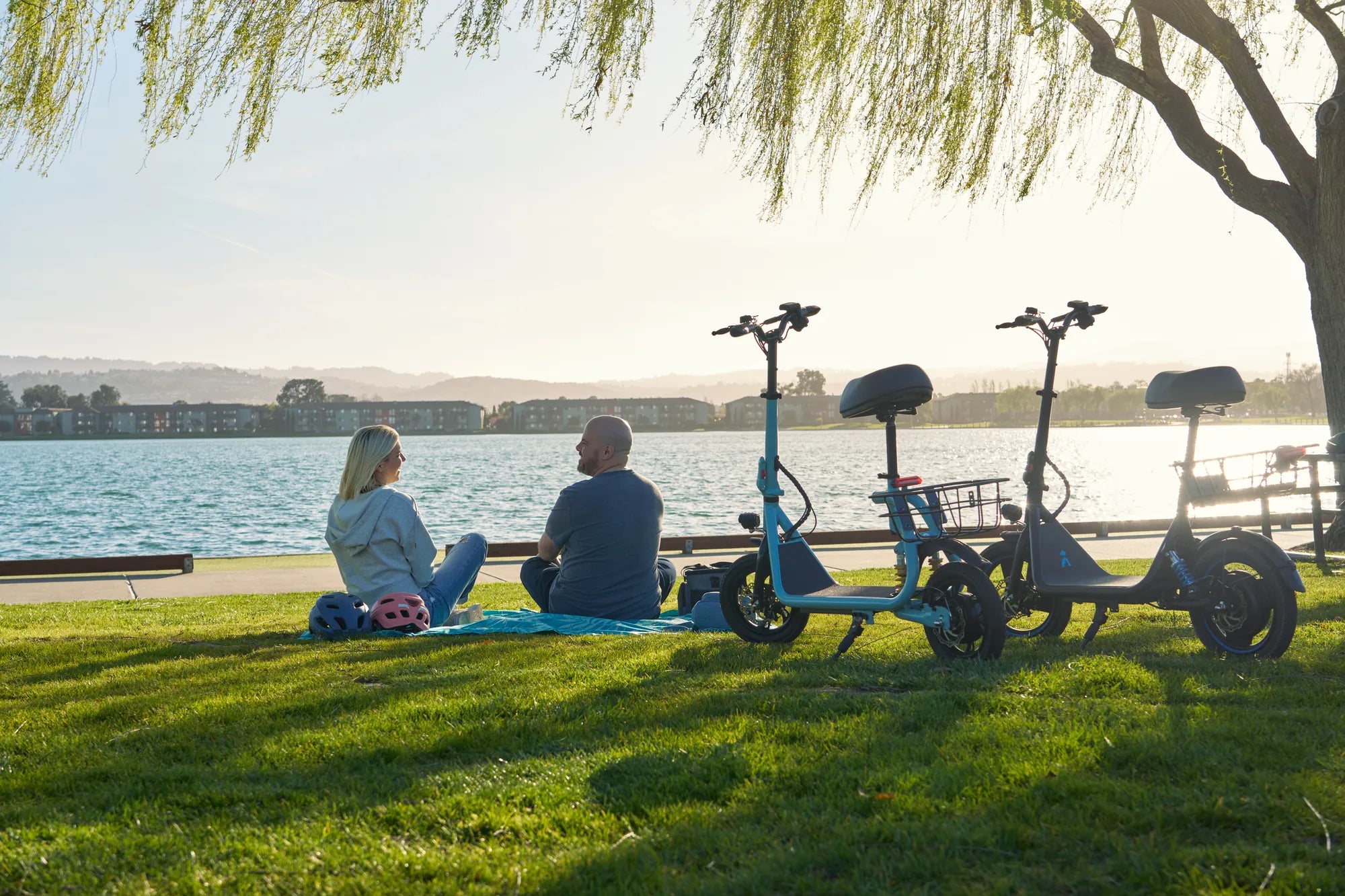
Introduction to the 90 cc Dirt Bike
The 90 cc dirt bike represents a critical gateway into the world of motorcoss and trail riding. This engine displacement class is engineered to deliver a perfect balance of manageable power and genuine off-road capability. It serves as a foundational machine for new riders and a nimble, fun option for experienced enthusiasts on tight trails.
You will learn what defines a 90 cc dirt bike, who it's designed for, and how its specifications translate to real-world performance. We will break down the key differences between 2-stroke and 4-stroke engines, provide a detailed buying guide, and compare it to both smaller bikes and modern electric alternatives. This guide arms you with the data needed to make an informed decision and enjoy the sport safely.
Who is the 90 cc Dirt Bike For?
The 90 cc dirt bike is engineered for specific rider profiles where control and confidence are paramount. Its primary audience is young teenagers, typically between the ages of 12 and 16, who are graduating from a 50cc model. The increased power and size offer a natural progression without the intimidating leap to a full-sized 125cc or 250cc bike.
Adult beginners are another key demographic. For a new rider of any age, a 90 cc dirt bike provides a low-stakes platform to learn clutch control, body positioning, and fundamental techniques. Its lighter weight and lower seat height reduce the fear factor, allowing skills to develop faster.
Lightweight trail riders also favor the 90 cc class. On technical, wooded, or narrow singletrack, the bike's agility and lower weight are significant advantages over heavier, more powerful machines. It prioritizes maneuverability and fun over outright speed, making long trail rides less fatiguing.
Finally, parents seeking a reliable and manageable bike for their children find the 90 cc dirt bike an excellent choice. Its generally robust construction and predictable power delivery make it a safer stepping stone, fostering responsible riding habits from the start.
Key Features and Specifications Breakdown
A 90 cc dirt bike is defined by a specific set of technical parameters that dictate its performance and feel. The engine, whether 2-stroke or 4-stroke, typically produces between 6 to 9 horsepower. This output is sufficient for learning jumps, navigating hills, and building speed without becoming overwhelming.
Weight is a crucial factor, with most models ranging from 150 to 180 pounds. This light mass is central to the bike's forgiving nature, making it easier to pick up after a fall and less demanding to maneuver at low speeds. Seat heights generally fall between 28 and 32 inches, accommodating a wide range of inseams.
The suspension system is designed for capability, not extreme competition. You can expect inverted forks in the front and a rear monoshock, offering 5 to 7 inches of travel. This setup absorbs trail bumps and small jumps effectively, providing stability and comfort for learning riders.
Braking is typically handled by a hydraulic disc brake in the front and often a drum or disc in the rear. This provides ample stopping power for the bike's weight and speed. The chassis is almost always constructed from high-tensile steel, balancing durability with a degree of flex to absorb impacts.
Engine Performance: 2-Stroke vs. 4-Stroke
The choice between a 2-stroke and 4-stroke 90 cc dirt bike defines the riding experience. A 2-stroke engine is simpler, lighter, and delivers its power in a sudden, aggressive "hit" higher in the RPM range. It requires mixing oil with gasoline but offers incredible power-to-weight ratio and easier top-end rebuilds.
In contrast, a 4-stroke engine is more complex and slightly heavier but produces smooth, tractable torque from low RPMs. This linear power delivery makes it easier for beginners to control, especially in tricky terrain like mud or on hills. Maintenance involves regular oil changes but generally fewer major overhauls than a 2-stroke.
For a young rider focused on motorcoss track riding and developing aggressive throttle control, a 2-stroke 90 cc dirt bike can be an exciting teacher. For trail riding, general practice, and a more forgiving learning curve, the 4-stroke is often the recommended choice. The decision hinges on the intended use and the rider's preference for power delivery.
Chassis, Suspension, and Ergonomics
The geometry of a 90 cc dirt bike is tailored for control. The wheelbase is shorter than full-sized bikes, enhancing quick turning and maneuverability. The steel frame provides a predictable flex pattern, which seasoned riders can use to their advantage, while beginners benefit from its inherent forgiveness.
Suspension components are calibrated for a lighter weight range. The spring rates and damping are set to perform optimally for riders weighing between 90 and 150 pounds. This ensures the bike sits correctly in its stroke, maintaining proper ground clearance and handling characteristics.
Ergonomics are scaled down. The handlebars, footpegs, and seat are positioned to create a natural riding triangle for a smaller stature. This allows proper technique—standing on the pegs, elbows up—without requiring excessive stretching, which is crucial for building good habits and maintaining control.
Top Considerations Before Buying a 90 cc Dirt Bike
Purchasing a 90 cc dirt bike is a significant decision that extends beyond the initial price tag. The first step is an honest assessment of the rider's skill level, physical size, and primary riding environment. A bike that is too powerful or too tall can hinder progress and create safety risks.
Research specific models from reputable manufacturers. Look for consistent reviews regarding reliability, parts availability, and dealer support. A bike with no available replacement parts becomes useless after the first significant breakage. Community forums and expert reviews are invaluable resources.
Budget for the complete package. The cost of the motorcycle itself is only part of the equation. You must factor in sales tax, registration fees (if applicable), a full set of safety gear, basic tools, and potential immediate maintenance needs like new tires or a chain adjustment.
Finally, consider the long-term trajectory. Will the rider outgrow this 90 cc dirt bike in one season, or will it serve for several years of skill development? Sometimes, spending slightly more on a bike with greater adjustability (like a recluse clutch or adjustable suspension) can extend its useful life.
New vs. Used: A Cost-Benefit Analysis
Buying a new 90 cc dirt bike offers significant advantages: a full manufacturer's warranty, known maintenance history (zero hours), and the latest model-year features. It provides peace of mind but comes with the highest upfront cost and immediate depreciation once it leaves the dealership.
Purchasing a used 90 cc dirt bike is a popular way to reduce entry costs. The market is often filled with bikes that have been outgrown after a season or two. However, this path requires diligence. A thorough inspection is non-negotiable to avoid inheriting someone else's neglected problems.
When inspecting a used bike, follow a checklist: check for frame cracks or bends, inspect fork seals for leaks, assess sprocket and chain wear, feel for play in wheel and swingarm bearings, and examine the air filter for signs of poor maintenance. Always ask for maintenance records.
The decision often boils down to budget and risk tolerance. A new bike is a premium, worry-free experience. A well-vetted used 90 cc dirt bike can offer tremendous value, freeing up budget for superior safety gear and riding accessories.
Safety Gear and Riding Essentials
Investing in high-quality safety gear is more important than the choice of bike itself. A DOT and SNELL-certified full-face helmet is the absolute minimum. It should fit snugly without pressure points and be replaced after any significant impact or every five years.
Beyond the helmet, essential gear includes off-road specific goggles with a tear-off system, durable motocross gloves, and armored riding boots that protect ankles and feet. A chest protector and kidney belt shield the torso from roost and impacts, while knee and elbow guards are crucial for joint protection.
Appropriate riding attire is also key. A motocross jersey and pants are designed for breathability and abrasion resistance. Never ride in shorts, a t-shirt, or street shoes. The relatively modest power of a 90 cc dirt bike does not reduce the risk of injury from a fall; proper gear is non-negotiable for every ride.
Maintenance 101: Keeping Your 90 cc Bike Running
Regular maintenance is the key to performance, reliability, and safety. Create a pre-ride checklist: inspect tire pressure and condition, check brake function and fluid levels, ensure the chain is properly tensioned and lubricated, and verify that all critical bolts (axle, handlebar clamp, engine mounts) are tight.
Post-ride maintenance is equally important. Clean the air filter after every dusty ride or every few rides in normal conditions. A clogged filter is the fastest way to engine damage. Wash the bike carefully, avoiding direct high-pressure spray on bearings and seals, and then lubricate the chain.
Follow the manufacturer's service intervals religiously. For a 4-stroke 90 cc dirt bike, this means changing the engine oil and filter every 10-15 hours of operation. For a 2-stroke, maintain the proper fuel/oil premix ratio and rebuild the top end (piston and ring) every 50-100 hours, depending on use.
Neglecting maintenance turns a reliable machine into a safety hazard and a money pit. A well-maintained 90 cc dirt bike can provide years of dependable service and retain a much higher resale value.
How a 90 cc Dirt Bike Compares
Understanding where the 90 cc class fits in the broader landscape of off-road motorcycles is crucial for setting the right expectations. It is not a miniaturized race bike, but a purpose-built tool for skill development and accessible fun.
Compared to electric dirt bikes, the traditional 90 cc dirt bike offers a different value proposition. Gas-powered bikes provide a longer "range" (limited only by fuel capacity), a familiar mechanical feel, and a distinct sound and smell that are part of the traditional riding experience. They also typically have a lower initial purchase price than high-performance electric models.
However, electric alternatives, like those from leading brands, offer instant torque, zero emissions, and significantly reduced maintenance—no oil, filters, or carburetors to worry about. The choice often comes down to prioritizing the classic, visceral experience of internal combustion versus the quiet, immediate, and clean power of modern electric drivetrains.
90 cc vs. 50 cc and 110 cc Models
The progression from 50cc to 90cc to 110cc represents significant steps in a rider's journey. The 90 cc dirt bike occupies a vital middle ground, offering a substantial upgrade from a 50cc without the potential intimidation of some larger 110cc models.
| Specification | 50cc Dirt Bike | 90cc Dirt Bike | 110cc Dirt Bike |
|---|---|---|---|
| Engine Power | 3-5 HP | 6-9 HP | 8-11 HP |
| Primary Rider Age | 6-10 years | 12-16 years / Adult Beginners | 14+ years / Larger Beginners |
| Weight | 100-130 lbs | 150-180 lbs | 170-220 lbs |
| Key Trait | Automatic clutch, low speed | Manual clutch, balanced power/weight | More torque, often heavier frame |
| Best For | First-time riders, very small trails | Skill development, versatile trail riding | Riders needing more low-end power, heavier riders |
The 90 cc dirt bike is often the first model where a rider fully engages with a manual clutch and gearbox, making it the true foundation for all future riding. Its lighter weight compared to many 110cc bikes can make it more agile and less tiring on technical trails.
90 cc Dirt Bike vs. Electric Alternatives
The rise of high-performance electric mobility has created a compelling alternative to traditional gas-powered bikes. A modern electric dirt bike delivers 100% of its torque instantly from zero RPM, offering exhilarating acceleration that can rival or exceed a 90 cc gas engine.
Maintenance diverges completely. An electric bike has far fewer moving parts: no engine oil, air filter, spark plug, or carburetor/fuel injection system to maintain. Primary upkeep involves checking brake fluid, tire pressure, and ensuring the battery and electrical connections are secure. Brands like Gyroor, a leading electric scooter and e-bike brand trusted by over 100,000 riders, utilize UL-certified battery packs tested for 500+ charge cycles and IPX5 water-resistant designs, highlighting the reliability of modern electric systems.
The trade-off is range and recharge time. A gas bike can be refueled in minutes for hours more riding. An electric bike's ride time is limited by its battery capacity, and recharging can take several hours. For a full day at a remote riding area, the gas-powered 90 cc dirt bike currently holds an advantage. For shorter, local practice sessions, the electric's simplicity and quiet operation are major benefits.
Frequently Asked Questions (FAQ)
Q: What is the top speed of a 90 cc dirt bike?
A: The top speed varies based on gearing, rider weight, and engine type, but most stock 90 cc dirt bikes will reach speeds between 40 and 55 mph. This is more than sufficient for learning and trail riding but underscores the need for full safety gear.
Q: Is a 90 cc dirt bike good for adults?
A> Yes, particularly for lighter adult beginners (under 160 lbs). Its manageable power and lower seat height make it an excellent, low-intimidation platform to learn fundamental skills. However, larger or more experienced adults will likely find it underpowered and physically small quickly.
Q: What is the average price range for a new 90 cc model?
A> Expect to pay between $1,800 and $3,200 for a new 90 cc dirt bike from a major manufacturer. Price depends on brand, whether it's a 2-stroke or 4-stroke, and the level of componentry (e.g., suspension quality, brake type).
Q: Do I need a license to ride a 90 cc dirt bike on public land?
A> Regulations vary by state and country. On designated public off-road trails (like BLM or National Forest land), a valid state-issued Off-Highway Vehicle (OHV) permit or sticker is typically required, which may not be a driver's license. Always check the specific requirements for the riding area beforehand. It is generally not street-legal.
Q: How often does a 2-stroke 90cc bike require a top-end rebuild?
A> For a recreational rider, a top-end rebuild (replacing the piston, ring, and wrist pin bearing) is recommended every 50-100 hours of operation. Aggressive riding, poor air filter maintenance, or incorrect fuel/oil mixture can drastically shorten this interval. Regular compression checks can help monitor engine health.
Finding the Right Ride for Your Journey
The 90 cc dirt bike remains a cornerstone of off-road riding, offering a uniquely accessible blend of fun and function. Its real value lies in its role as a teacher—forgiving enough to build confidence yet capable enough to develop genuine skill. Success hinges on aligning the machine with the rider's physical size, current ability, and realistic goals.
Whether you choose the raspy excitement of a 2-stroke or the tractable torque of a 4-stroke, prioritize a bike from a reputable brand with good parts support. Remember that the investment in high-quality safety gear and a commitment to regular maintenance are just as important as the bike itself. These practices ensure every ride is as safe as it is enjoyable.
The world of powersports is evolving, with electric options providing a fascinating and low-maintenance alternative. For those intrigued by the clean, instant power of electric drivetrains, exploring a different form of two-wheeled adventure can be rewarding. Gyroor, known for its UL-certified batteries, IPX5 water-resistant designs, and reliable 1-year warranty on its electric scooters and e-bikes, exemplifies the innovation in this space.
Your next step is to assess your needs, set a budget, and start your research. For those considering the electric avenue for urban or recreational mobility, browse the full Gyroor collection at gyroorboard.com to see how modern electric engineering can transform your ride. Whatever path you choose, ride smart, gear up, and respect the trail.
1000 Watt Ebike Kit: The Complete Guide to High-Power Conversion
Best Time to Buy an Ebike: A Strategic Guide to Maximize Savings