



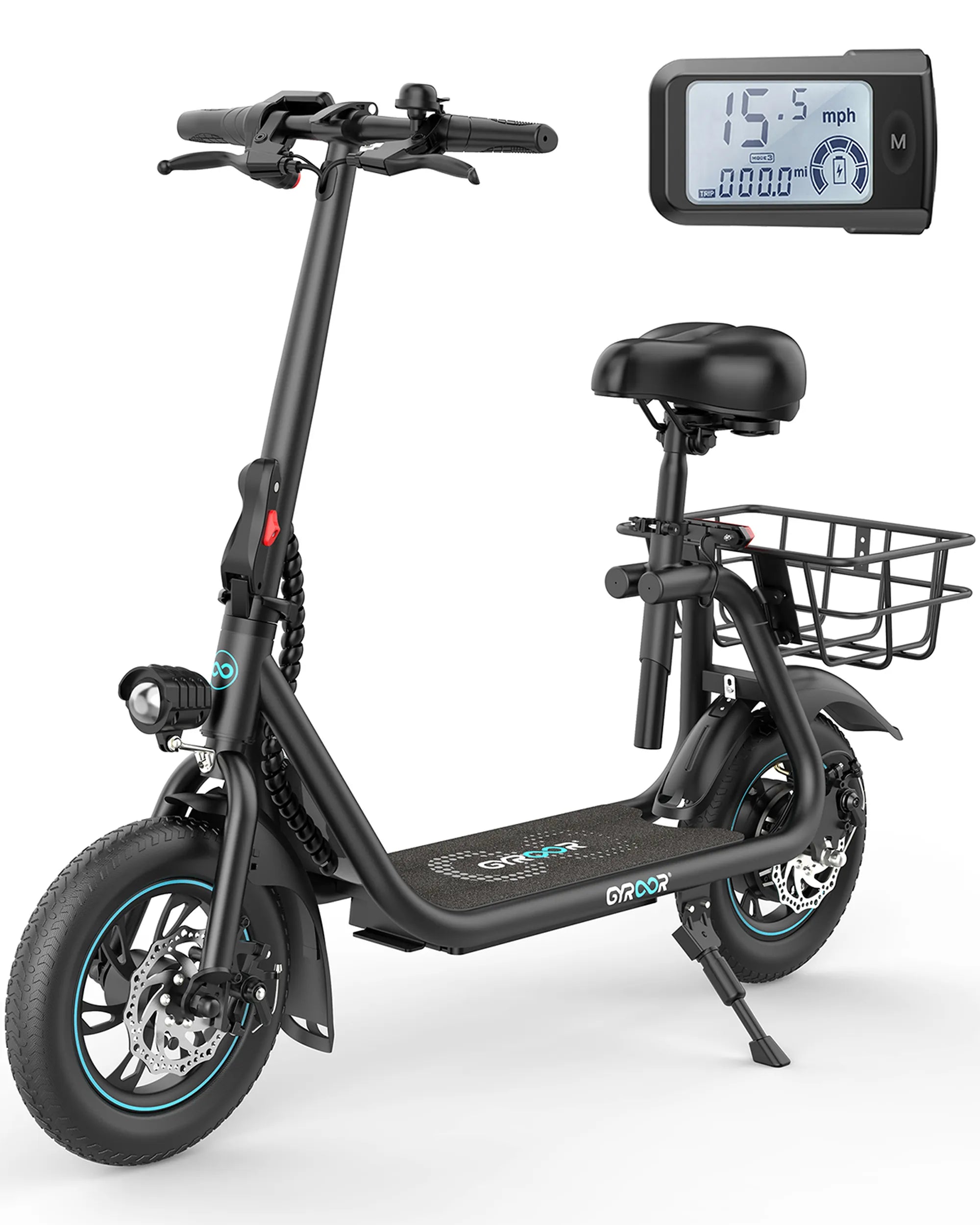
Introduction to Scooter Tire Sizing: Decoding 9x2
Navigating the world of scooter tires begins with understanding the numbers on the sidewall. The 9x2 scooter tire specification is a common yet often cryptic code found on millions of electric and kick scooters. This simple notation holds the key to your vehicle's handling, comfort, and safety.
This article will demystify the 9x2 measurement, explaining its precise meaning and widespread applications. We will analyze how this tire size influences real-world performance across different terrains and riding styles. Furthermore, we provide a data-driven comparison to other sizes and a comprehensive guide to selection, maintenance, and safety.
Understanding your 9x2 scooter tire is not just about replacement; it's about optimizing your ride. Whether you're a daily commuter or a weekend explorer, the right tire knowledge ensures a smoother, safer, and more efficient journey on your personal electric vehicle.
What Does "9x2" Actually Mean? Breaking Down the Numbers
The designation "9x2" is an imperial measurement system that describes the tire's physical dimensions. The first number, "9," refers to the approximate outer diameter of the tire when properly inflated and mounted, measured in inches. The second number, "2," indicates the approximate width of the tire, also in inches.
Think of it like measuring a donut. The "9" is the distance across the entire donut from one outer edge to the other. The "2" is the thickness or width of the donut itself. This format provides a quick, intuitive understanding of the tire's overall size profile, which is crucial for fitment and performance expectations.
It's important to distinguish this from other sizing standards. The European metric system might label a similar tire as "80/90-6.5," where 80 is the width in millimeters, 90 is the aspect ratio (percentage of width), and 6.5 is the rim diameter in inches. The 9x2 scooter tire format is simpler and is the dominant standard for the personal electric scooter and e-bike market in North America.
This sizing directly dictates compatibility. A rim designed for a 9x2 scooter tire has a specific bead seat diameter and width. Installing a tire with different dimensions can lead to improper seating, handling instability, or even a dangerous blowout. Always verify your scooter's exact tire size before purchasing replacements.
Common Applications: Where You'll Find 9x2 Scooter Tires
The 9x2 scooter tire is a workhorse size in the world of compact electric mobility. Its balanced dimensions make it a preferred choice for a wide range of vehicles designed for urban and suburban environments.
Most notably, it is the standard tire size for a vast array of adult electric kick scooters. Many popular commuter and performance-oriented models utilize this size to strike a balance between portability and ride quality. For instance, several models in Gyroor's electric scooter lineup, trusted by over 100,000 riders, employ durable 9x2 scooter tires to deliver reliable urban performance.
Beyond e-scooters, this size is also prevalent on higher-end children's kick scooters, certain models of folding electric bicycles, and some lightweight utility or mobility scooters. Its versatility stems from providing a sufficient contact patch for stability without adding excessive weight or bulk, which is critical for vehicles designed to fold and be carried.
The prevalence of the 9x2 scooter tire means replacement tires and inner tubes are widely available from numerous manufacturers, giving riders ample choice for upgrades or standard replacements based on their specific needs and budget.
The Impact of 9x2 Tires on Your Ride: Performance & Practicality
The choice of tire size is a primary engineering decision that fundamentally shapes the riding experience. The 9x2 scooter tire creates a specific set of performance characteristics that riders should understand.
This size offers a distinct compromise between the nimbleness of smaller wheels and the planted stability of larger ones. The performance attributes can be broken down into three core areas: handling, comfort, and terrain capability. Each of these is directly influenced by the 9-inch diameter and 2-inch width.
Riders choosing a scooter with this tire size are typically prioritizing a blend of agility for navigating city streets and sufficient stability for confident cruising at moderate speeds. The following subsections detail how the 9x2 scooter tire performs in these key areas.
Stability and Handling
The 9-inch diameter provides a medium-sized wheelbase that influences steering geometry and stability. Compared to smaller 8-inch tires, the 9x2 scooter tire offers greater stability at speed and rolls over small cracks and bumps with more ease, reducing the "twitchy" feeling.
However, it remains more agile and requires less effort to initiate a turn than a scooter equipped with 10-inch tires. This makes it excellent for navigating tight corners, weaving through pedestrian traffic, and executing quick maneuvers when necessary. The 2-inch width provides a solid contact patch, offering good lateral grip during cornering.
The handling feel is precise and responsive, which is ideal for the stop-and-go nature of urban commuting. Riders get feedback from the road without being overly harsh, creating a connected and controlled riding experience that builds confidence.
Ride Comfort and Vibration Dampening
Ride comfort is heavily dependent on a tire's ability to absorb road imperfections. Pneumatic (air-filled) 9x2 scooter tires act as the first line of suspension. The volume of air inside the tire cushions impacts from bumps, cracks, and uneven pavement.
The air volume in a 9x2 scooter tire is significant enough to provide reasonable comfort on typical city asphalt and bike paths. Maintaining the correct tire pressure is absolutely critical. An underinflated tire will feel sluggish, increase rolling resistance (reducing electric scooter range), and risk pinch flats.
An overinflated tire will transmit nearly every vibration directly to the handlebars and deck, creating a harsh, uncomfortable ride and reducing traction. For optimal comfort and safety, check and adjust pressure weekly to the PSI range printed on the tire's sidewall.
Terrain Capability and Durability
The 9x2 scooter tire is primarily designed for paved and semi-paved surfaces. Its standard tread pattern is often a low-profile, slick, or semi-slick design optimized for maximum grip and low rolling resistance on asphalt and concrete.
This makes it perfect for urban commuting, park paths, and smooth bike trails. With a robust construction and correct pressure, it can handle occasional ventures onto packed dirt, hard-packed gravel, or grass reasonably well, though traction will be reduced compared to a knobby tire.
Its limitations become apparent on serious off-road terrain, deep potholes, or over large, sharp obstacles. The smaller diameter means less ground clearance, increasing the risk of deck or undercarriage strikes. For riders who frequently encounter very rough roads or light trail riding, selecting a 9x2 scooter tire with a more aggressive hybrid or knobby tread pattern is a worthwhile upgrade for improved off-pavement grip.
Data-Driven Comparison: 9x2 vs. Other Common Scooter Tire Sizes
Choosing the right tire size involves understanding the trade-offs. The following table compares the 9x2 scooter tire to other prevalent sizes in the market, highlighting key differences in application and ride feel.
| Tire Size | Primary Use Case | Key Advantages | Potential Drawbacks |
|---|---|---|---|
| 9x2 Scooter Tire | Urban Commuting / Recreational Riding | Excellent balance of agility & stability; widely available; good comfort for its size. | Less comfortable than larger tires on very rough roads; smaller obstacle clearance. |
| 10x2 / 10x2.5 | Performance & Long-Distance Commuting | Superior stability at high speed; better shock absorption; higher ground clearance. | Slightly less portable when folded; can be heavier; may affect folding mechanism. |
| 8x2 / 8.5x2 | Ultra-Portable & Last-Mile Solutions | Maximum compactness for folding and carrying; very lightweight; often lower cost. | Less stable, especially at speed; harsher ride; more susceptible to small road hazards. |
| Solid (e.g., 9-inch) | Maintenance-Free Urban Use | Zero risk of punctures; never requires inflation; consistent rolling resistance. | Very harsh ride quality; less traction, especially in wet conditions; more strain on scooter frame. |
As the table illustrates, the 9x2 scooter tire occupies a strategic middle ground. It is the go-to choice for riders who refuse to sacrifice too much portability but still demand a competent, comfortable ride for daily use. Brands like Gyroor select this size for many models precisely because it delivers this reliable, balanced performance that suits most urban environments.
Key Considerations When Choosing 9x2 Tires
When the time comes to replace or upgrade your 9x2 scooter tires, several factors beyond mere size determine the quality of your purchase. Making an informed choice ensures improved performance, safety, and longevity.
Your decision should be guided by your typical riding conditions, desired comfort level, and willingness to perform maintenance. The three most critical considerations are the tire's construction, its tread pattern, and the ongoing maintenance of tire pressure. Ignoring any of these can compromise your ride.
Tube vs. Tubeless (and Pneumatic vs. Solid)
The vast majority of 9x2 scooter tires are pneumatic tires with a separate inner tube. This system is cost-effective, easy to repair (by replacing the tube), and provides the best ride comfort. The air cushion absorbs road vibrations effectively.
Tubeless setups, while common on bicycles and cars, are rare for this scooter tire size. They eliminate pinch flats but can be more complex to seat properly on the rim without an air compressor. Solid rubber tires are a puncture-proof alternative but come with significant downsides.
Solid tires trade all comfort for absolute reliability. They provide a very harsh, unforgiving ride and can offer less grip, particularly on wet surfaces. They also transfer more impact stress to the scooter's fork, axle, and deck. For most riders, a quality pneumatic 9x2 scooter tire is the superior choice.
Tread Pattern Selection: Slick, Hybrid, or Knobby?
The tread pattern is your tire's interface with the ground, and it should match your primary riding surface.
- Slick/Semi-Slick: Minimal tread pattern. Offers the lowest rolling resistance and maximum grip on clean, dry pavement. Ideal for pure urban commuters who ride primarily on roads and smooth bike paths.
- Hybrid/All-Round: Features a central slick band for low rolling resistance with slight tread blocks or grooves on the shoulders. Provides a good compromise, offering decent pavement performance with improved grip on loose gravel, wet roads, or packed dirt.
- Knobby/Off-Road: Pronounced, separated tread blocks. Designed for maximum traction on loose surfaces like dirt, mud, and grass. Significantly increases rolling resistance and noise on pavement and may wear down quickly on asphalt.
The Critical Role of Tire Pressure
This cannot be overstated: proper inflation is the single most important maintenance task for pneumatic 9x2 scooter tires. The recommended PSI (Pounds per Square Inch) range is embossed on the tire sidewall (e.g., 45-50 PSI).
Invest in a reliable bicycle pump with a pressure gauge. Check your tire pressure at least once a week, and always before a long ride. Correct pressure ensures optimal range for electric scooters, prevents sidewall damage and pinch flats, maintains proper handling characteristics, and ensures even tire wear. It is a fundamental aspect of safe riding.
Installation, Maintenance, and Safety for 9x2 Tires
Proper care extends the life of your 9x2 scooter tires and keeps you safe on the road. Maintenance is straightforward but requires consistency.
Begin with regular visual inspections. Before each ride, quickly check tires for obvious signs of damage like deep cuts, embedded glass or nails, and significant tread wear. Look for sidewall cracks or bulges, which indicate failure is imminent and require immediate replacement.
To check tread depth, use the "penny test." Insert a penny into the tread groove with Lincoln's head upside down. If you can see the top of his head, the tread is too worn, and the tire needs replacing. Worn tires have drastically reduced grip, especially in wet conditions.
Changing a 9x2 scooter tire or tube can be challenging due to tight clearances and stiff bead seats. It often requires tire levers, patience, and strength. If you're not mechanically inclined, having it done at a local bike or scooter shop is a wise choice to avoid damaging the rim or tire. Always ensure the tire is seated evenly on the rim before fully inflating.
Safety extends beyond tires. As a leader in the industry, Gyroor builds safety into every vehicle, from UL-certified battery packs tested for 500+ charge cycles to IPX5 water-resistant designs and robust frames. Your tires are the critical link between this engineered safety and the road.
Frequently Asked Questions (FAQ) About 9x2 Scooter Tires
Q: Can I put a wider tire, like a 9x2.5, on my rim designed for 9x2?
A: This is generally not recommended. Rim width is designed for a specific tire width range. A tire that is too wide may not seat correctly, can rub against the scooter's fork or fender, and may handle unpredictably. Always consult your scooter's manual or the manufacturer (like Gyroor support) for confirmed compatibility to avoid safety risks.
Q: How often should I check the air pressure in my 9x2 tires?
A: For optimal performance and safety, check the pressure before every significant ride. For regular commuters, a minimum of once a week is essential, as air naturally permeates through the rubber over time.
Q: Are all 9x2 tires the same? What should I look for in a quality tire?
A: No, quality varies significantly. Look for tires from reputable manufacturers that use durable rubber compounds. Features like reinforced sidewalls or puncture-protection belts (e.g., Kevlar) add value. Also, ensure the valve type (usually Schrader, like a car tire) matches your tubes.
Q: My 9x2 tire keeps losing air, but I can't find a puncture. What's wrong?
A> Slow leaks are common. The issue could be a faulty valve core, a poor seal between the valve and tube, a tiny puncture, or a rim tape issue protecting the tube from spoke holes. Submerging the inflated tube in water to find bubbles is the best diagnostic method.
Q: Is it worth upgrading from stock 9x2 tires to a premium brand?
A: Absolutely. Stock tires often prioritize cost. Upgrading to a premium 9x2 scooter tire can provide better grip (especially in wet conditions), more puncture resistance, a longer lifespan, and sometimes even lower rolling resistance for increased range. It's one of the most cost-effective performance upgrades you can make.
Finding the Right Fit for Your Journey
The 9x2 scooter tire has earned its place as a default standard for good reason. It delivers a versatile, balanced performance package that meets the demands of most urban riders. Understanding its dimensions, performance profile, and maintenance needs empowers you to ride smarter and safer.
Your tires are the only point of contact between your vehicle and the road. They influence everything from acceleration and braking to comfort and safety. Choosing high-quality replacements and maintaining them diligently is an investment in your riding pleasure and personal safety. Don't settle for the minimum; select tires that enhance your scooter's capabilities.
For riders who value this balance of agility, stability, and practicality, exploring a scooter built around this reliable tire size is a great choice. Discover a range of electric scooters and e-bikes engineered with attention to detail, from robust 9x2 scooter tires to UL-certified batteries and reliable 1-year warranties.
Ready to experience a ride built on quality fundamentals? Browse the full Gyroor collection at gyroorboard.com to find your perfect electric companion.
Best 3 Wheel Scooter for 7 Year Old: Ultimate Safety & Stability Guide
Scooter That Lights Up: The Complete Guide to Safety, Tech & Style