

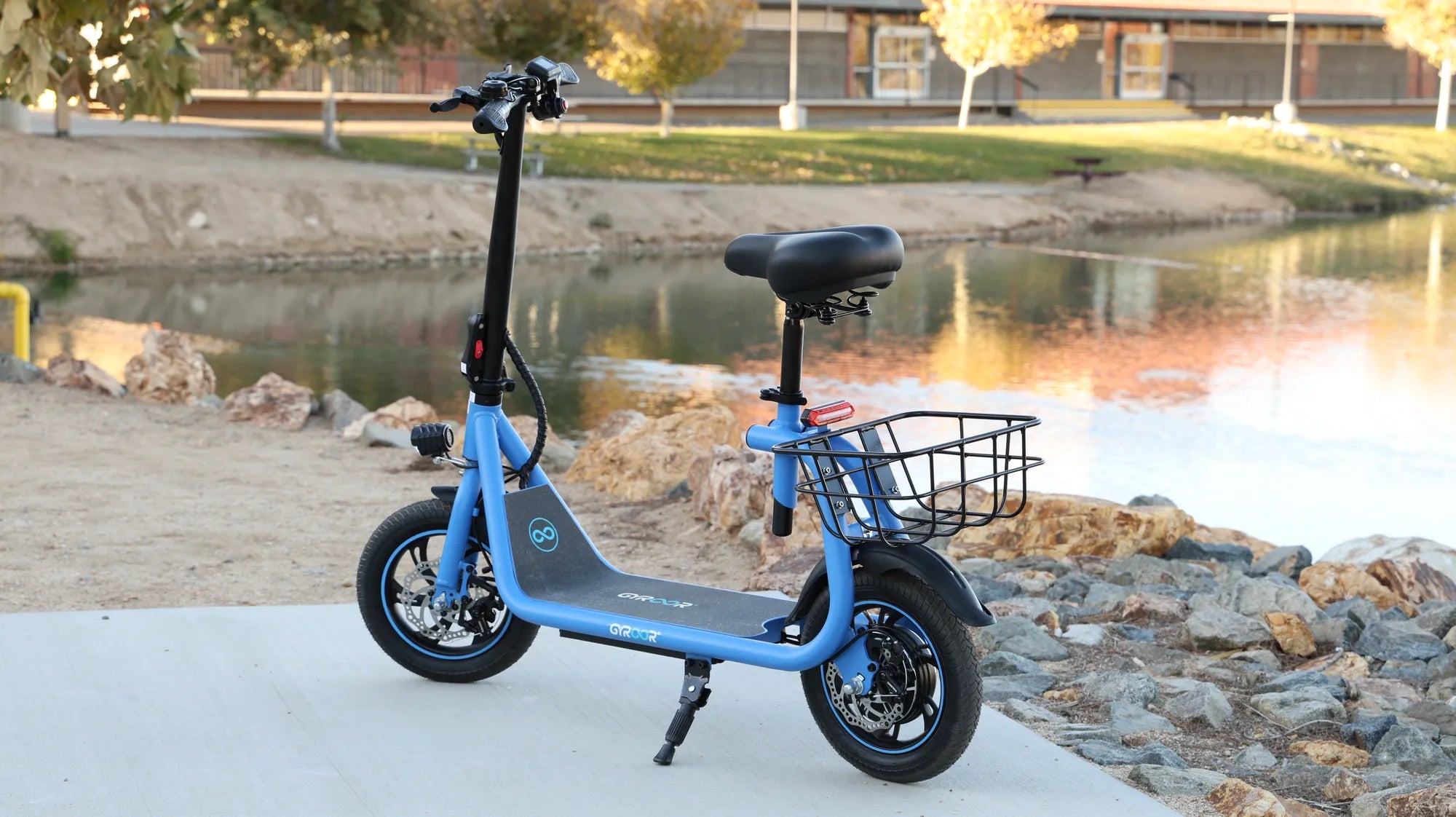
Riding an electric bike is an exhilarating experience, but nothing kills the thrill faster than faulty brakes. Whether you're cruising through city streets or tackling rugged trails, properly adjusted brakes are non-negotiable for safety. If your e-bike's stopping power feels off, it's time to roll up your sleeves and learn how to adjust brakes on electric bike like a pro.
Why Proper Brake Adjustment Matters
Electric bikes are heavier and faster than traditional bicycles, which means their braking systems endure more stress. Well-adjusted brakes ensure:
- Shorter stopping distances
- More control during emergency braking
- Even wear on brake pads
- Reduced strain on the braking system
- Quieter operation
Neglecting brake maintenance can lead to dangerous situations, especially when riding at higher speeds with motor assistance.
Types of Brakes on Electric Bikes
Before adjusting your brakes, identify which type your e-bike uses:
1. Rim Brakes
These apply friction to the wheel rims through brake pads. Common subtypes include:
- Caliper brakes
- V-brakes
- Cantilever brakes
2. Disc Brakes
These use a rotor attached to the wheel hub and calipers with brake pads. They come in two varieties:
- Mechanical (cable-actuated)
- Hydraulic (fluid-actuated)
Disc brakes generally offer better performance for electric bikes, especially in wet conditions.
Tools You'll Need
Gather these tools before starting:
- Allen wrenches (typically 4mm and 5mm)
- Adjustable wrench
- Phillips screwdriver
- Clean rag
- Rubbing alcohol (for cleaning)
- Torque wrench (recommended for disc brakes)
How to Adjust Rim Brakes on Your Electric Bike
Step 1: Inspect the Brake Pads
Check for wear indicators or measure pad thickness. Replace if:
- Thickness is less than 1mm
- You see metal backing
- Pads are cracked or glazed
Step 2: Align the Brake Pads
Loosen the pad mounting bolt and position the pad so it:
- Contacts the rim flatly
- Doesn't touch the tire
- Points slightly forward (toe-in)
Tighten the bolt securely after alignment.
Step 3: Center the Brakes
Adjust the tension spring screws to center the brake arms. Squeeze the brake lever to check alignment.
Step 4: Adjust Cable Tension
Use the barrel adjuster to fine-tune when the pads engage the rim. Proper adjustment means:
- Pads engage when lever is halfway pulled
- Levers don't touch the handlebars when fully squeezed
How to Adjust Disc Brakes on Your Electric Bike
Step 1: Check Rotor Condition
Inspect for:
- Warping (spin wheel to check)
- Contamination (oil, dirt)
- Wear (thickness below manufacturer's minimum)
Step 2: Align the Caliper
Loosen the caliper mounting bolts slightly. Squeeze the brake lever and tighten the bolts while maintaining pressure. This centers the caliper over the rotor.
Step 3: Adjust Pad Clearance
For mechanical disc brakes, use the adjustment dial on the caliper to set proper pad-to-rotor clearance (typically 0.2-0.4mm).
Step 4: Bleed Hydraulic Brakes (If Needed)
Spongy levers indicate air in the system. While bleeding requires special tools, you can often improve performance by:
- Tapping the lines to dislodge air bubbles
- Re-centering the caliper
- Cleaning the rotor and pads
Testing Your Adjustments
After making adjustments:
- Spin the wheel to check for rubbing
- Squeeze the brake lever firmly several times
- Test ride at low speed first
- Gradually increase speed while testing braking
Listen for unusual noises and watch for vibration or pulling to one side.
Common Brake Problems and Solutions
| Problem | Possible Cause | Solution |
|---|---|---|
| Squealing | Contaminated pads, misalignment | Clean or replace pads, realign |
| Spongy lever | Air in system, worn cables | Bleed brakes, replace cables |
| Brake drag | Misaligned caliper, stuck piston | Realign, clean pistons |
| Uneven braking | Uneven pad wear, contamination | Replace pads, clean rotor |
When to Seek Professional Help
While many brake adjustments are DIY-friendly, consult a mechanic if you encounter:
- Severely warped rotors
- Leaking hydraulic fluid
- Stuck or seized pistons
- Complex hydraulic system issues
Maintenance Tips for Longer Brake Life
Extend your brake system's lifespan with these practices:
- Clean rotors and pads regularly with isopropyl alcohol
- Check pad wear monthly
- Inspect cables for fraying
- Store your e-bike in a dry place
- Avoid spraying lubricants near brakes
Mastering how to adjust brakes on electric bike transforms you from passive rider to empowered mechanic. With regular attention and these pro techniques, your e-bike will stop on a dime every time - letting you focus on the joy of the ride rather than worrying about slowing down.
Electric Bike Manufacturing Company in India: The Future of Sustainable Mobility
3 Wheeler Electric Bike Price: A Comprehensive Guide to Costs and Features