

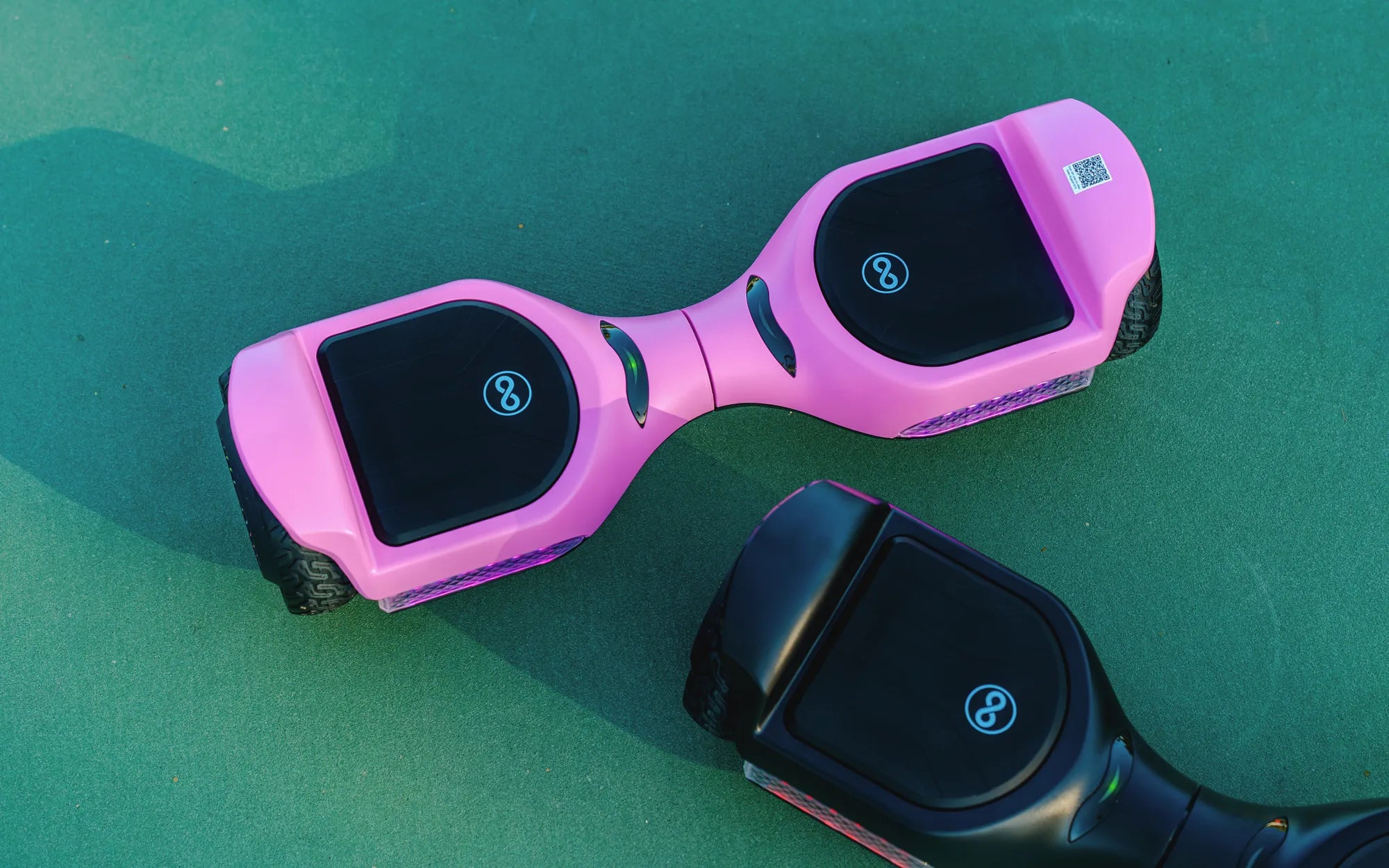
Introduction: Redefining Off-Road Exploration with All-Terrain Hoverboards
Forget the smooth, confined pavements of traditional hoverboards. The all terrain hoverboard for adults represents a fundamental shift in personal electric mobility, engineered specifically for exploration. This device transforms from a recreational gadget into a legitimate adventure vehicle, capable of traversing grass, dirt, gravel, and moderate trails.
It is the ultimate off-road adventure companion for adults seeking accessible outdoor fun. By merging robust engineering with intuitive self-balancing technology, it opens up a new category of exploration for parks, forest paths, beaches, and campgrounds.
This guide will dissect the engineering behind these powerful machines. We will provide a data-driven framework for selecting a reliable model and offer practical advice for mastering off-road riding safely and confidently.
What Makes an "All-Terrain" Hoverboard Fundamentally Different?
Standard hoverboards are designed for indoor or pristine pavement use, featuring small, solid rubber tires. An all-terrain model is a different class of vehicle, built from the ground up to handle unpredictable, uneven surfaces. The distinction lies in three core engineering pillars: tire design, powertrain, and structural durability.
These differences are not merely cosmetic; they are critical for safety, performance, and longevity when ridden by adults in demanding environments. Compromising on any of these pillars significantly increases the risk of failure or accident off-road.
Rugged Tire Design: The Foundation of Off-Road Performance
The most immediate visual differentiator is the tire. All-terrain hoverboards utilize large, air-filled (pneumatic) tires, typically 10 inches or larger in diameter. These are not solid rubber but are similar to bicycle tires, providing essential shock absorption.
Deep, aggressive tread patterns are crucial for grip. They channel mud and debris away while biting into loose surfaces like dirt, sand, and grass. This design provides stability that small, solid tires cannot, preventing slips and slides on uneven ground.
The air cushion within pneumatic tires is the primary suspension system. It absorbs vibrations from rocks and roots, protecting the rider's joints and the hoverboard's internal electronics from constant impact, which is a leading cause of failure in standard models used off-road.
Enhanced Power & Torque: Conquering Inclines and Rough Patches
Moving large, treaded tires across soft or uneven ground requires significant force. Therefore, all-terrain models are equipped with dual high-wattage motors. Total power output often starts at 800W and can exceed 1000W for premium models.
This translates directly to high torque. Torque is the rotational force that gets you moving from a standstill and powers you up inclines. A capable all-terrain hoverboard for adults should reliably handle slopes of 15-30 degrees, depending on rider weight and surface traction.
The dual-motor system also provides superior control and redundancy. Each wheel is independently driven, allowing for sharper turns and better handling in situations where one wheel may lose temporary traction, a common occurrence on trails.
Robust Frame and Build Quality: Durability for Demanding Rides
The frame must act as a chassis, enduring constant stress and vibration. High-grade reinforced aluminum or magnesium alloy frames are standard, offering a strong yet lightweight structure. Plastic components are minimized or fortified in critical stress areas.
Weight capacity is a direct indicator of build strength. While standard hoverboards may support up to 220 lbs, a true all-terrain model for adults should have a minimum capacity of 265 lbs (120 kg). This high threshold ensures the frame, axles, and motors are overbuilt for safety and durability under an adult rider on rough terrain.
Every connection point, from the footpad brackets to the wheel hubs, is designed to withstand the lateral forces and impacts of off-road use. This robust construction is what justifies the investment for serious adventurers.
Key Features to Look for in an All-Terrain Hoverboard for Adults
Navigating the market requires a checklist of non-negotiable features. Prioritizing these elements ensures you select a vehicle built for performance, not just appearance. The following criteria separate capable adventure tools from imitations that may fail when you need them most.
Safety and Certification: Non-Negotiable Peace of Mind
The lithium-ion battery pack is the most critical safety component. You must insist on a model featuring a UL 2272 certified battery. This stringent standard tests the battery for electrical, mechanical, and environmental safety, drastically reducing fire risk—a paramount concern for any electrical device.
Complementing the certified battery is a sophisticated Battery Management System (BMS). The BMS monitors cell voltage, temperature, and current, preventing overcharging, over-discharging, and short circuits. This is essential for battery longevity and safety, especially during the demanding charge/discharge cycles of off-road riding.
Other safety features include non-slip footpad surfaces, bright LED headlights and taillights for visibility, and audible warning systems for low battery or overload conditions. These are not extras; they are integral to responsible off-road operation.
Weather and Element Resistance: Ride in More Conditions
Off-road means encountering puddles, wet grass, dust, and light rain. An Ingress Protection (IP) rating is essential. Look for a minimum of IPX5 water resistance. This means the unit can withstand water jets from any direction, protecting the internal electronics from splashes and sprays encountered on trails.
This rating allows you to ride confidently on dewy morning grass, through shallow puddles, or in a light drizzle without immediate fear of damage. It significantly expands your riding opportunities and protects your investment from common environmental hazards.
Combined with sealed bearings and protected wiring harnesses, a good IP rating ensures that dust and debris from dirt paths don't prematurely wear out the motors or cause electrical faults, contributing to long-term reliability.
Range, Speed, and Ride Modes: Matching Your Adventure Profile
Performance specifications must be interpreted with off-road realism. A manufacturer's claimed range is often based on ideal conditions (light rider, smooth pavement, slow speed). Off-road, energy consumption increases significantly.
Realistic Range: A model with a 10-12 Ah battery typically offers 15-25 km (9-15 miles) of real-world off-road range. Terrain, rider weight, and riding style (frequent acceleration) are the largest factors. Plan adventures with a safety margin.
Speed: Top speeds generally range from 15-25 km/h (9-15 mph). This is fast enough for thrilling exploration but controlled for off-road safety. Multiple speed modes (e.g., beginner, normal, advanced) are invaluable. Beginner mode limits speed and acceleration, providing a safer learning curve on unfamiliar terrain.
Gyroor's Approach to All-Terrain Adventure: Engineering for Reliability
As a leader in personal electric transport with over 100,000 riders, Gyroor applies its core engineering principles directly to the off-road segment. The focus is on delivering reliability where it matters most: in the battery, the build, and the rider's confidence. This translates into products designed for actual use, not just specification sheets.
The brand's commitment to UL-certified batteries, IPX5-rated construction, and a comprehensive 1-year warranty forms a triad of trust for the adult adventurer. These are not marketing claims but foundational design mandates that address the primary concerns of off-road hoverboard users.
The UL-Certified Battery Advantage: Power You Can Trust Off the Grid
Gyroor's use of UL 2272 certified battery packs is a critical differentiator. Off-road riding often takes you away from immediate help. A battery failure is not just an inconvenience; it can strand you. More critically, an uncertified battery poses a fire risk, especially when subjected to the vibrations and potential impacts of rough terrain.
These certified packs are engineered for consistent performance. They deliver stable voltage even as the battery depletes, preventing sudden power drops on a hill. They are tested for 500+ charge cycles, ensuring the battery—often the most expensive component to replace—lasts for years of adventurous use.
This commitment provides peace of mind, allowing riders to focus on the trail ahead rather than worrying about the integrity of their power source. It's a fundamental aspect of building a vehicle meant for exploration.
Built to Endure: How IPX5 Protection Expands Your Riding Domain
Gyroor's IPX5 water-resistant design is a practical feature that directly enables more adventures. It means the hoverboard is sealed against the elements you're guaranteed to meet off-road.
Practically, this allows you to cut across a rain-dampened soccer field, traverse a muddy section of a forest path, or ride along a wet beach without a second thought. The electronics are protected from spray, ensuring that a minor water encounter doesn't lead to a costly repair or a dead board miles from your starting point.
This durability, combined with the robust frame, means the hoverboard can handle the knocks and splashes of real adventure. It's engineered to be a dependable companion, not a fragile toy, aligning perfectly with the needs of adult riders seeking reliable off-road performance.
Comparing Terrain Types: Performance Expectations
Not all off-road surfaces are equal. Understanding how an all-terrain hoverboard performs across different environments helps set realistic expectations and plan your rides. The following table provides a comparative overview based on traction, stability, and battery drain.
| Terrain Type | Traction & Stability | Difficulty Level | Impact on Battery/Range | Notes & Tips |
|---|---|---|---|---|
| Packed Dirt Trails | Excellent | Beginner to Intermediate | Moderate | Ideal surface. Provides good grip and relatively smooth riding. Beware of ruts and large roots. |
| Grass Fields (Short to Medium) | Very Good | Beginner | High | Soft surface is forgiving for learning. Requires more power to maintain speed, reducing range. |
| Gravel Paths | Good | Intermediate | Moderate to High | Tires provide good grip, but loose gravel can shift. Maintain moderate speed and avoid sharp turns. |
| Sand (Damp, Packed) | Fair to Good | Intermediate to Advanced | Very High | Requires constant power and balance. Only attempt on damp, packed sand near the waterline. Dry, loose sand is extremely difficult. |
| Light Mud / Wet Grass | Fair | Intermediate | High | Possible with IPX5+ rating. Traction is reduced. Avoid deep mud or standing water. Clean board after ride. |
| Pavement / Sidewalks | Excellent | Beginner | Low (Most Efficient) | The large tires provide a supremely smooth and stable ride on paved surfaces, absorbing cracks and bumps effortlessly. |
This comparison highlights the versatility of a true all-terrain model. It excels on the surfaces that challenge standard hoverboards while still providing a premium ride on pavement, making it a highly versatile single vehicle for mixed-use exploration.
Getting Started: Tips for Your First Off-Road Hoverboard Adventure
Transitioning to off-road riding is thrilling but requires a prepared mindset. The following guidelines will ensure your first adventures are safe, enjoyable, and build a foundation of good riding habits. Always prioritize control and terrain reading over speed.
Essential Safety Gear for the Off-Road Rider
Full protective gear is non-negotiable. The unpredictable nature of off-road terrain makes falls more likely, even for experienced riders. Your gear list must start with a certified multi-impact bicycle or skate helmet.
Knee and elbow pads are crucial for protecting joints during slips or tumbles. Wrist guards are highly recommended, as instinct leads to putting hands out during a fall. Sturdy, closed-toe shoes with good grip are also essential for maintaining footing on the board.
This gear is not just for beginners; it's the standard operating procedure for any responsible adult engaging in off-board sports on uneven ground. It transforms a potential injury into a minor incident.
Mastering the Terrain: Learning Curve and Practice Tips
If you are new to hoverboards, start on a flat, open grassy area. The softer surface is more forgiving for dismounts, and the slight resistance helps you learn fine control over acceleration and deceleration. Spend time here mastering starts, stops, and gentle turns.
Progress gradually. After mastering grass, move to flat, packed dirt or gravel. Focus on reading the terrain ahead—identify potential hazards like large rocks, holes, or slippery patches. Learn to shift your weight subtly to maintain balance over small bumps.
Always scout unfamiliar trails at a walking pace first if possible. Never attempt a steep incline or technical feature beyond your skill level. Respect the board's limits and your own. Consistent, progressive practice is the key to confident off-road mastery.
Frequently Asked Questions (FAQ)
Q: Is an all-terrain hoverboard suitable for complete beginners with no prior experience?
A: Yes, but with a specific approach. The large, stable tires can make initial balancing easier on soft grass than on a hard floor. However, the increased power and off-road context demand respect. Beginners should commit to practicing exclusively in safe, open, soft-landing areas (like a field) using the beginner speed mode before venturing onto trails or harder surfaces.
Q: Can I use it for my daily commute if it involves sidewalks, bike paths, and urban obstacles?
A: Absolutely. In many ways, an all-terrain hoverboard is the ideal urban commuter. Its large pneumatic tires absorb sidewalk cracks, cobblestones, and curbs with ease, providing a ride far more stable and comfortable than small-wheeled models. Its versatility allows you to take shortcuts across grass or gravel paths without a second thought.
Q: How does the warranty support, like Gyroor's 1-year coverage, work for off-road use?
A: A strong warranty from a reputable brand is a sign of confidence in its product's durability. Gyroor's 1-year warranty typically covers manufacturing defects in the frame, motors, battery, and core electronics. It's designed to support the product in its intended use—which includes off-road riding. Normal wear and tear (tire tread, cosmetic scratches from branches) are not covered, but a defect that arises from proper use is. Always review the specific warranty terms.
Q: How difficult is maintenance for an all-terrain hoverboard?
A: Maintenance is relatively simple but important. The primary tasks are keeping the tires properly inflated to the PSI specified in the manual, regularly cleaning mud and debris from the wheel wells and undercarriage with a dry cloth, and avoiding full water submersion. Periodically check for loose screws on footpads and ensure the charging port cover is sealed. Store in a cool, dry place.
Q: What is the realistic lifespan of a quality all-terrain hoverboard?
A: With proper care and maintenance, a well-built model from a brand like Gyroor can last for several years and hundreds of riding hours. The first components to show wear will be the tires, which are replaceable. The UL-certified battery, rated for 500+ full charge cycles, should retain usable capacity for 2-4 years of regular use. The durability of the motors and frame largely depends on riding style and terrain harshness, but they are designed for long-term use.
Your Gateway to Accessible Off-Road Freedom
The all terrain hoverboard for adults has matured from a novel concept into a capable, reliable vehicle for exploration. It democratizes off-road adventure, requiring no special licenses or trailers, just a spirit of discovery. By prioritizing key engineering features—rugged tires, robust motors, UL-certified batteries, and water-resistant construction—you invest in countless hours of freedom beyond the pavement.
This device is more than a toy; it's a passport to accessible outdoor fun, a unique way to connect with nature, and a practical tool for navigating mixed urban and natural landscapes. The thrill of smoothly gliding over a dirt trail or across a grassy hill is unmatched by traditional pavement-bound personal transporters.
Choosing a model backed by serious engineering and a trustworthy brand is the most important decision you will make. It ensures that your adventure companion is as dependable as it is fun, built to handle the challenges of real exploration. Ready to redefine your boundaries? Explore engineered reliability and begin your adventure. Browse the full Gyroor collection at gyroorboard.com.
What Is the Best Hoverboard? A Complete Buyer’s Guide
Self Balancing Scooter for Adults: The Ultimate Guide to Modern Urban Mobility