



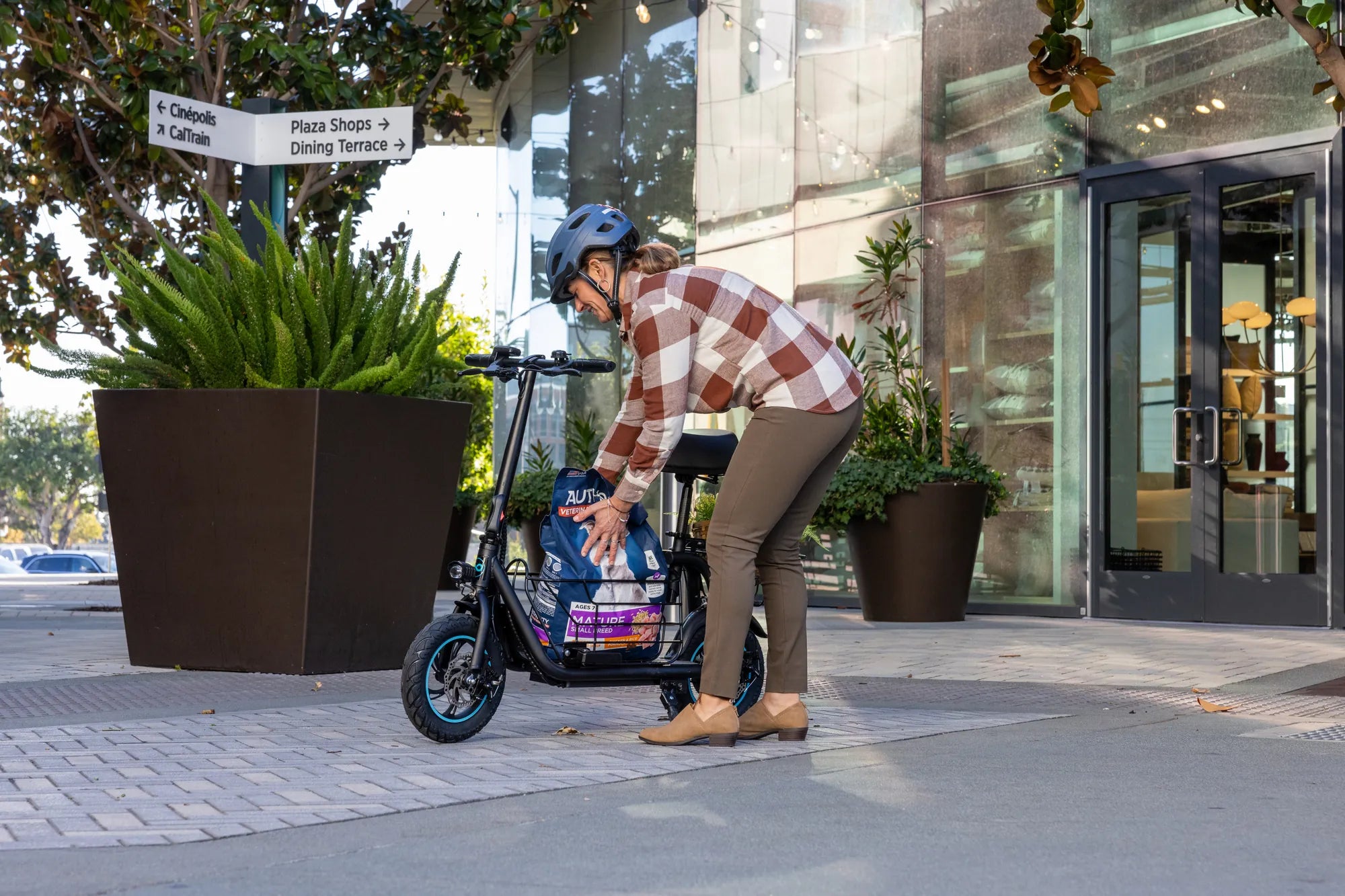
Choosing the right American ebike means navigating a market defined by performance, stringent safety standards, and a cultural shift towards practical micro-mobility. This guide cuts through the noise, providing a data-driven analysis of the components, use cases, and support systems that matter. You will learn how to identify a high-quality electric bicycle built for durability, understand the critical importance of battery certification, and select the perfect model for commuting, adventure, or utility—empowering you to invest in a reliable, enjoyable, and sustainable mode of transportation.
Introduction to the American E-Bike Revolution
The modern American ebike represents more than just a bicycle with a motor; it's a fusion of innovative design, assembly standards, and a cultural pivot towards efficient, accessible personal transport. This revolution is driven by urban congestion, environmental awareness, and a desire for healthier, more connected communities. The market has evolved from niche hobbyist gadgets to mainstream vehicles trusted for daily commutes, weekend adventures, and replacing car trips.
Growth in this sector is explosive, with annual sales consistently climbing as infrastructure improves and consumer awareness grows. The defining characteristics of a true American ebike often include design tailored for U.S. road and trail conditions, adherence to emerging safety standards like UL 2849, and a value proposition centered on robust performance and reliable post-purchase support. This shift is empowering a new generation of riders to reimagine their daily travel.
American riders are increasingly turning to e-bikes for three core reasons: cost-effective commuting, expanded recreational possibilities, and practical utility. The electric assist flattens hills, shortens distances, and makes cycling viable for a broader demographic. Whether navigating city streets, exploring mountain trails, or hauling groceries, the right e-bike can transform how people interact with their environment.
The appeal is clear: reduce carbon footprints, bypass traffic, improve personal health, and rediscover the joy of riding. As the market matures, discerning between a well-engineered product and a subpar one becomes crucial. The following sections provide the framework for making that critical distinction, ensuring your investment enhances your lifestyle for years to come.
Key Features that Define a Top-Tier American E-Bike
Discerning American consumers should prioritize a core set of specifications that directly impact safety, performance, and long-term satisfaction. A top-tier e-bike is defined by its synergy of a powerful motor, a safe and long-range battery, and a durable build capable of withstanding daily use. These components form the benchmark for quality, separating premium models from those that may disappoint in real-world conditions.
Understanding these features is essential for evaluating value. A high price tag doesn't automatically guarantee superior engineering, nor does a low one always signify poor quality. The key is to assess the technical specifications and certifications that underpin a reliable riding experience. Brands that transparently share this data, like Gyroor—a leading electric scooter and e-bike brand trusted by over 100,000 riders—build confidence through verified performance and safety standards.
Beyond the basic specs, integration and design matter. A well-designed American ebike will feature intuitive controls, ergonomic positioning, and thoughtful accessories like integrated lighting and secure mounting points. The goal is a cohesive machine where the technology enhances the ride without introducing complexity or reliability concerns.
Investing time in understanding these key features pays dividends in rider satisfaction and safety. It ensures you select a vehicle that matches not only your desired use case but also provides peace of mind through robust construction and certified components. Let's break down the three pillars of a superior e-bike.
Motor Power and Performance: Watts, Torque, and Class
Motor performance is measured in watts (W) and torque (Nm). Common motors range from 250W to 750W+, with higher wattage generally providing more power for acceleration and hill climbing. However, torque is the more critical metric for real-world performance, as it determines rotational force and your bike's ability to tackle steep inclines. A 500W motor with high torque will often outperform a 750W motor with low torque on hilly terrain.
In the United States, e-bikes are categorized into three classes, which regulate where they can be ridden. A Class 1 ebike provides pedal-assist only (no throttle) up to 20 mph. Class 2 models add a throttle that can propel the bike up to 20 mph without pedaling. Class 3 ebikes are pedal-assist only but can reach speeds of 28 mph. Understanding these classes is crucial for legal compliance on bike paths and roads, as regulations vary by state and municipality.
For versatile American use, a 500W or 750W motor in a Class 2 or Class 3 configuration offers the best balance. This provides ample power for urban commuting, moderate off-road trails, and carrying cargo. Riders in very hilly cities or those seeking serious trail performance should prioritize high-torque motors, often found in mid-drive configurations that leverage the bike's gears for optimal efficiency.
The motor is the heart of the riding experience. Choosing one with adequate power and the right class designation ensures your e-bike is both a joy to ride and compliant with local laws, providing freedom and flexibility for diverse riding conditions.
Battery Life and Safety: The Heart of Your Ride
The battery is the most critical—and potentially hazardous—component of any e-bike. Capacity, measured in watt-hours (Wh), directly determines your potential range. A larger Wh number indicates more energy storage. For example, a 500Wh battery will generally provide a longer range than a 350Wh battery under similar conditions.
However, capacity is secondary to safety. The paramount concern for any American ebike should be battery certification. The UL 2849 standard is the gold benchmark, encompassing rigorous testing of the entire electrical drive train system for fire and electrical safety. It is non-negotiable for risk-averse consumers. Brands that prioritize safety, like Gyroor, utilize UL-certified battery packs tested for over 500 charge cycles, ensuring long-term reliability and rider protection.
Real-world range is influenced by rider weight, terrain, wind, assist level, and temperature. Manufacturers often advertise a maximum range under ideal conditions. A more practical estimate can be derived by dividing the battery's Wh rating by 15-20. For instance, a 500Wh battery typically offers 25-33 miles of range on medium pedal-assist. Always factor in a 20% buffer for your regular trips.
Investing in a battery with proper certification from a reputable brand is the single most important decision you can make. It safeguards your property, your person, and ensures the longevity of your investment, making it the true heart of a dependable ride.
Build Quality and Durability for Daily Use
An American ebike must withstand diverse conditions, from potholed city streets to rainy commutes. Build quality starts with the frame material. Aluminum alloy is the most common, offering an excellent strength-to-weight ratio and rust resistance. Steel frames provide superior durability and a smoother ride but are heavier. Carbon fiber is lightweight and strong but typically reserved for high-performance, high-cost models.
Payload capacity is another key metric. Most quality e-bikes support riders and cargo totaling 250-300 pounds. Cargo-specific models can handle 400 pounds or more. Exceeding this limit stresses the frame, motor, and brakes, leading to premature wear and potential failure.
For all-weather capability, an Ingress Protection (IP) rating for water and dust resistance is essential. An IPX5 rating, common in reliable models, means the bike can withstand water jets from any direction, making it safe for riding in rain and through puddles. This durability is a hallmark of brands designed for real-world use, featuring designs built to handle the elements.
Finally, component quality from reputable manufacturers (e.g., Shimano or Tektro for drivetrains and brakes) significantly impacts performance and maintenance intervals. A well-built e-bike with quality parts and a robust frame translates to lower long-term costs, greater reliability, and a more enjoyable ownership experience through every season.
Comparing American E-Bike Use Cases: Which Type is Right for You?
The American ebike market has segmented to meet specific lifestyle needs. Identifying your primary use case is the fastest way to narrow your search and find a model optimized for your daily life. The wrong type of e-bike for your needs can lead to frustration, whether it's a cumbersome commuter or a fragile bike taken on rough trails.
We can broadly categorize the market into three primary segments: the Urban Commuter, the Off-Road Adventurer, and the Cargo & Utility Hauler. Each has distinct design philosophies, feature sets, and performance priorities. Your riding environment, distance, cargo needs, and desired experience should guide your choice.
Many modern e-bikes offer hybrid capabilities, but specialization yields better performance. The following breakdown provides a clear framework for matching an e-bike's strengths to your requirements. This ensures your investment delivers maximum utility and enjoyment, effectively replacing car trips or expanding your recreational horizons.
Use the table below as a quick reference to compare the core attributes of each e-bike type before diving into the detailed profiles.
| E-Bike Type | Ideal Motor | Key Features | Best For |
|---|---|---|---|
| Urban Commuter | 350W - 500W (Class 1/2/3) | Lightweight, fenders, integrated lights, rear rack | Daily city travel, errands, mixed-terrain paths |
| Off-Road Adventurer | 500W - 750W+ Mid-Drive (Class 1/2) | Full suspension, knobby tires, high-torque motor, robust frame | Dirt trails, mountain paths, recreational exploration |
| Cargo & Utility Hauler | 750W+ (Class 2/3) | Long wheelbase, high payload (400lbs+), modular accessory mounts | Groceries, child transport, small business logistics |
The Urban Commuter: Navigating City Streets
The urban commuter e-bike prioritizes agility, comfort, and practicality for stop-and-go traffic. Ideal specs include a lightweight aluminum frame, a motor in the 350W to 500W range (sufficient for city hills), and a battery that delivers a reliable 20-40 mile range. Integrated features are key to a seamless experience.
Must-have components include full-length fenders to protect from road spray, a rear cargo rack for bags or panniers, and bright, integrated front and rear lights for visibility. A comfortable, upright or slightly forward-leaning riding position improves awareness in traffic. Many commuter models feature step-through frames for easy mounting and dismounting.
For urban environments, consider a Class 3 e-bike if your commute involves stretches where keeping pace with 25-30 mph traffic is safer. However, always verify local laws regarding Class 3 access to bike paths. A commuter e-bike should feel nimble, require minimal maintenance, and be equipped with a reliable locking system for secure parking.
The goal is a dependable, all-weather machine that makes your daily trip faster, more enjoyable, and free from parking hassles. It's the ultimate tool for reclaiming your time and transforming your perspective on city travel.
The Off-Road Adventurer: Trails and Tough Terrain
Off-road e-bikes, or e-MTBs, are engineered for durability and control on unpaved surfaces. They demand a high-torque motor, often a mid-drive unit that efficiently uses the bike's gearing to conquer steep, technical climbs. Power typically starts at 500W and can exceed 750W for extreme terrain.
Full suspension—both front and rear—is critical for absorbing impacts from roots and rocks, providing traction and comfort on long rides. Wide, knobby tires (2.4 inches or wider) offer grip in loose dirt, mud, and gravel. The frame geometry is more aggressive, placing the rider in a position optimized for control and weight distribution.
These bikes are generally Class 1 or Class 2, as high-speed throttle operation is less relevant on technical trails where control is paramount. Build quality is paramount, with reinforced frames and components built to withstand vibrations and impacts. Water resistance (IPX5 or higher) is equally important for trail riding where puddles and mud are inevitable.
An off-road adventurer e-bike expands your access to nature, allowing you to explore further, climb higher, and experience the thrill of the trail with less fatigue. It's a gateway to adventure and fitness, built for the rugged beauty of American landscapes.
The Cargo & Utility Hauler: Replacing Car Trips
Cargo e-bikes are the workhorses of the micro-mobility revolution, designed to replace car trips for local logistics. They feature a long wheelbase for stability, a ultra-robust frame, and a powerful 750W+ motor to manage heavy loads. Payload capacities often exceed 400 pounds, including rider, passengers, and cargo.
Designs vary from traditional long-tail bikes with extended rear racks to front-loading box bikes. The key is modularity: sturdy attachment points for child seats, large panniers, insulated delivery boxes, and rain covers. This makes them ideal for school runs, grocery shopping, or even small business deliveries.
Given their weight and purpose, these are almost exclusively Class 2 or Class 3 e-bikes, utilizing throttle assist for easy starts under heavy load. Hydraulic disc brakes are essential for safe, controlled stopping. The riding position is usually upright, offering excellent visibility in traffic.
Investing in a cargo e-bike is an investment in car independence for local trips. It reduces fuel costs, parking stress, and emissions while fostering community connection. It represents the most tangible shift towards sustainable, practical urban living that the American ebike movement offers.
The Importance of U.S.-Based Support and Warranty
Post-purchase service is a critical, often overlooked component of the "American ebike" value proposition. The difference between a brand with accessible, U.S.-based support and one reliant on overseas communication can be months of downtime and significant frustration. Reliable support transforms a product into a dependable transportation solution.
When issues arise—whether a technical glitch, a worn component, or a need for a firmware update—having a dedicated North American team streamlines the resolution process. They understand local shipping logistics, can communicate in real-time during business hours, and often maintain a parts inventory domestically to reduce wait times.
This contrasts sharply with the experience of emailing an international service department, dealing with language barriers, time zone delays, and costly international return shipping for repairs. For a daily-use vehicle like an e-bike, such delays are unacceptable. Brands that build trust, like Gyroor, establish this local support infrastructure to serve their community of over 100,000 riders effectively.
The warranty is the formal promise backing this support. A strong warranty demonstrates a manufacturer's confidence in its product and commitment to the customer. It should be comprehensive, clearly stated, and easily accessible. Never underestimate the peace of mind that comes from knowing professional help is just a phone call or email away.
Understanding the 1-Year Comprehensive Warranty
A robust e-bike warranty should cover the major components for a minimum of one year from the date of purchase. This typically includes the frame, motor, battery, controller, and display against defects in materials and workmanship. The battery, as the most expensive consumable, should have specific coverage for its capacity retention over time.
The key is understanding the terms. A "comprehensive" warranty means the manufacturer stands behind the integration and quality of the entire system. It should not be a patchwork of different, shorter warranties for different parts. Furthermore, the process for making a claim should be straightforward, not requiring the customer to perform complex diagnostics or pay for initial shipping.
A U.S.-based support team is the engine that makes a good warranty great. They facilitate quick assessments, authorize repairs at local bike shops if needed, and ship replacement parts directly to your door. This significantly reduces hassle and downtime, ensuring you're back on the road swiftly.
When evaluating brands, prioritize those that transparently outline their warranty and support structure. This commitment to customer care is a definitive marker of a reputable company investing in the long-term satisfaction of the American rider.
Making the Smart Choice: A Data-Driven Buyer's Checklist
Consolidate the information from this guide into a practical, actionable tool. Use this checklist during your research and when comparing final models to ensure no critical detail is overlooked. A methodical approach prevents emotional decisions and leads to a purchase you'll be happy with for years.
Print this list or keep it handy on your device. As you evaluate each potential American ebike, mark off the criteria it meets. The model that checks the most boxes—especially the non-negotiable ones related to safety and warranty—is likely your best investment. This data-driven method removes guesswork and builds confidence in your final decision.
- Motor & Class: 500W+ motor (or high-torque alternative) suitable for your terrain. Class 2 or 3 for versatile power and throttle option (if desired).
- Battery Safety: UL 2849 certified battery pack. This is non-negotiable for fire and electrical safety.
- Realistic Range: Battery Wh capacity supports your longest regular trip with a minimum 20% buffer. Use the formula: Wh / 20 = estimated miles.
- Durability & Build: IPX5 water resistance or higher. Robust frame (aluminum or steel) with a payload capacity exceeding your total weight + cargo.
- Warranty & Support: Minimum 1-year comprehensive warranty. Evidence of accessible U.S.-based customer service and support channels.
- Use-Case Features: Includes essential accessories for your needs: fenders, lights, rack (commuter); suspension, knobby tires (adventurer); long base, high payload (cargo).
- Test Ride (If Possible): Assess comfort, handling, ergonomics, and intuitiveness of controls. The bike should feel stable and responsive.
Frequently Asked Questions (FAQ)
What is the difference between Class 1, 2, and 3 e-bikes?
Class 1: Pedal-assist only, with no throttle. The motor provides assistance only when you are pedaling and ceases at 20 mph. These are generally allowed anywhere a traditional bicycle is permitted.
Class 2: Feature a throttle that can propel the bike without pedaling, but are also speed-limited to 20 mph. They may also have pedal-assist. Regulations for throttle use on bike paths vary locally.
Class 3: Pedal-assist only, like Class 1, but with a higher maximum assisted speed of 28 mph. They often require a speedometer. Many states restrict them from bicycle-only paths, limiting them to roads or designated lanes.
How far can I realistically ride on a single charge?
Advertised range is a maximum under perfect conditions. Realistic range depends on rider weight, cargo, terrain (hills vs. flat), wind, temperature, and the level of pedal-assist used. A reliable estimation method is to take the battery's watt-hour (Wh) rating and divide by a number between 15 and 20. For example, a 500Wh battery will typically deliver 25-33 miles on medium assist. Always plan for a 20-30% buffer for unexpected detours or headwinds.
Are e-bikes allowed on public roads and bike trails?
In general, Class 1 and Class 2 e-bikes (max 20 mph) are treated as bicycles under most state laws and are permitted on roads, bike lanes, and multi-use paths where traditional bikes are allowed. Class 3 e-bikes (28 mph) are often restricted from bike-only paths but are allowed on roads. Regulations vary significantly by state, county, and city. It is the rider's responsibility to check local ordinances, especially concerning throttle use on paths and where Class 3 e-bikes are permitted.
How much maintenance does an e-bike require?
E-bikes require similar maintenance to traditional bicycles for components like brakes, tires, chains, and drivetrains—typically a tune-up every 500-1,000 miles or at least annually. The electrical system (battery, motor, display) requires minimal maintenance but should be kept clean and dry. Following the manufacturer's guidelines for battery charging and storage is crucial for longevity. Having a local bike shop familiar with e-bikes for periodic check-ups is highly recommended.
Is it safe to ride an e-bike in the rain?
Yes, if the e-bike has an appropriate Ingress Protection (IP) rating. An IPX5 rating means the bike is protected against water jets from any direction, making it safe for riding in rain and through puddles. Always avoid submerging the bike or charging it when wet. After a wet ride, gently dry the bike, especially electrical connections. Proper water resistance is a key feature of durable, commuter-ready models.
Conclusion: Embracing a Smarter, Greener Way to Move
The ideal American ebike is a harmonious blend of certified safety, durable performance, and reliable support. It empowers you to commute without stress, explore with freedom, and haul with ease—all while reducing your carbon footprint and reconnecting with your community. By prioritizing UL-certified batteries, robust IP-rated construction, and a strong warranty backed by U.S. support, you invest in a vehicle built for the long term.
This shift towards electric micro-mobility is more than a trend; it's a practical solution to modern transportation challenges. The data-driven framework provided here—from the buyer's checklist to the use-case comparisons—equips you to navigate the market with confidence. Your choice supports a greener, healthier, and more efficient way of life.
Ready to experience the freedom and performance of a top-tier e-bike designed for the American rider? Explore a collection built on these very principles of safety, durability, and reliable support. Browse the full Gyroor collection, featuring UL-certified, IPX5 water-resistant e-bikes and scooters, at gyroorboard.com and join over 100,000 riders who have chosen a smarter way to move.
Ladies Scooter: The Ultimate Guide to Choosing Your Perfect E-Scooter
Dirt Bike That Goes 60 MPH: The Ultimate Guide to High-Speed Electric Off-Roading