

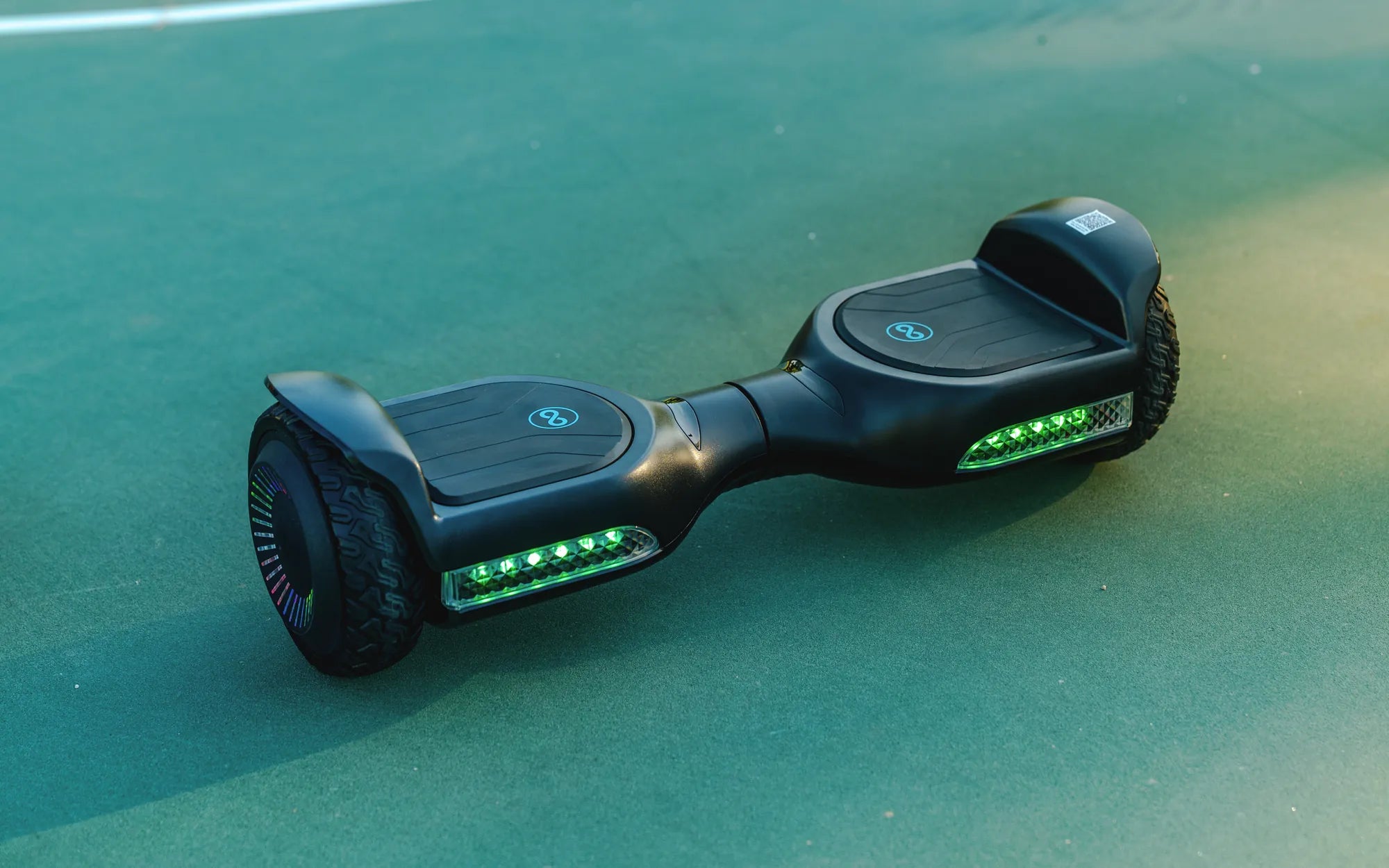
Hoverboards have become a popular mode of personal transportation, but one question often arises: are all hoverboards heavy? The answer isn't as straightforward as you might think. While many hoverboards have a reputation for being bulky, advancements in technology have led to lighter, more portable options. Let's dive into the factors that determine hoverboard weight and how you can find the perfect balance between durability and portability.
What Determines the Weight of a Hoverboard?
The weight of a hoverboard depends on several key components:
- Battery Size: Larger batteries provide longer ride times but add significant weight.
- Frame Material: Aluminum and carbon fiber frames are lighter than steel but may cost more.
- Wheel Size: Bigger wheels improve stability but increase overall weight.
- Additional Features: Bluetooth speakers, LED lights, and other extras can add a few extra pounds.
On average, most hoverboards weigh between 20 to 30 pounds (9 to 14 kg). However, some ultra-light models can weigh as little as 15 pounds (7 kg), while heavy-duty off-road versions may exceed 35 pounds (16 kg).
Are There Lightweight Hoverboard Options?
Yes! Manufacturers have recognized the demand for easier-to-carry hoverboards and have introduced several lightweight designs. These models often feature:
- Slimmer battery packs
- Hollow-frame construction
- Smaller wheel diameters (6.5 inches instead of 10 inches)
- Minimalist designs without extra accessories
For those prioritizing portability, these lightweight hoverboards can be a game-changer, especially for commuters who need to carry their board frequently.
How to Choose the Right Weight for Your Needs
When selecting a hoverboard, consider these factors:
- Your Strength: Can you comfortably lift and carry the hoverboard when needed?
- Usage Frequency: Daily commuters might prefer lighter models, while occasional riders could opt for heavier, more durable options.
- Storage Space: Lighter boards are easier to store in small apartments or car trunks.
- Rider Weight Capacity: Heavier hoverboards often support higher weight limits.
Remember that weight often correlates with stability - heavier hoverboards may feel more solid underfoot, especially for larger riders.
The Future of Hoverboard Weight Reduction
As battery technology improves and new materials become available, we can expect to see even lighter hoverboards in the future. Some innovations on the horizon include:
- Graphene batteries that are lighter and more efficient
- Advanced composite materials for frames
- Modular designs that allow users to remove components when not needed
These developments could make the question "are all hoverboards heavy?" completely obsolete in coming years.
Whether you're a student navigating campus or an urban commuter looking for last-mile transportation, there's a hoverboard weight that's perfect for your lifestyle. By understanding what makes hoverboards heavy and knowing the lightweight alternatives available, you can make an informed decision that balances performance with portability. The days of struggling with bulky hoverboards may soon be behind us as innovation continues to reshape this exciting personal transportation category.
Automatic Hoverboard Skateboard: The Future of Personal Transportation
Are Wheel Hoverboards Safe? A Comprehensive Guide to Risks and Safety Tips