



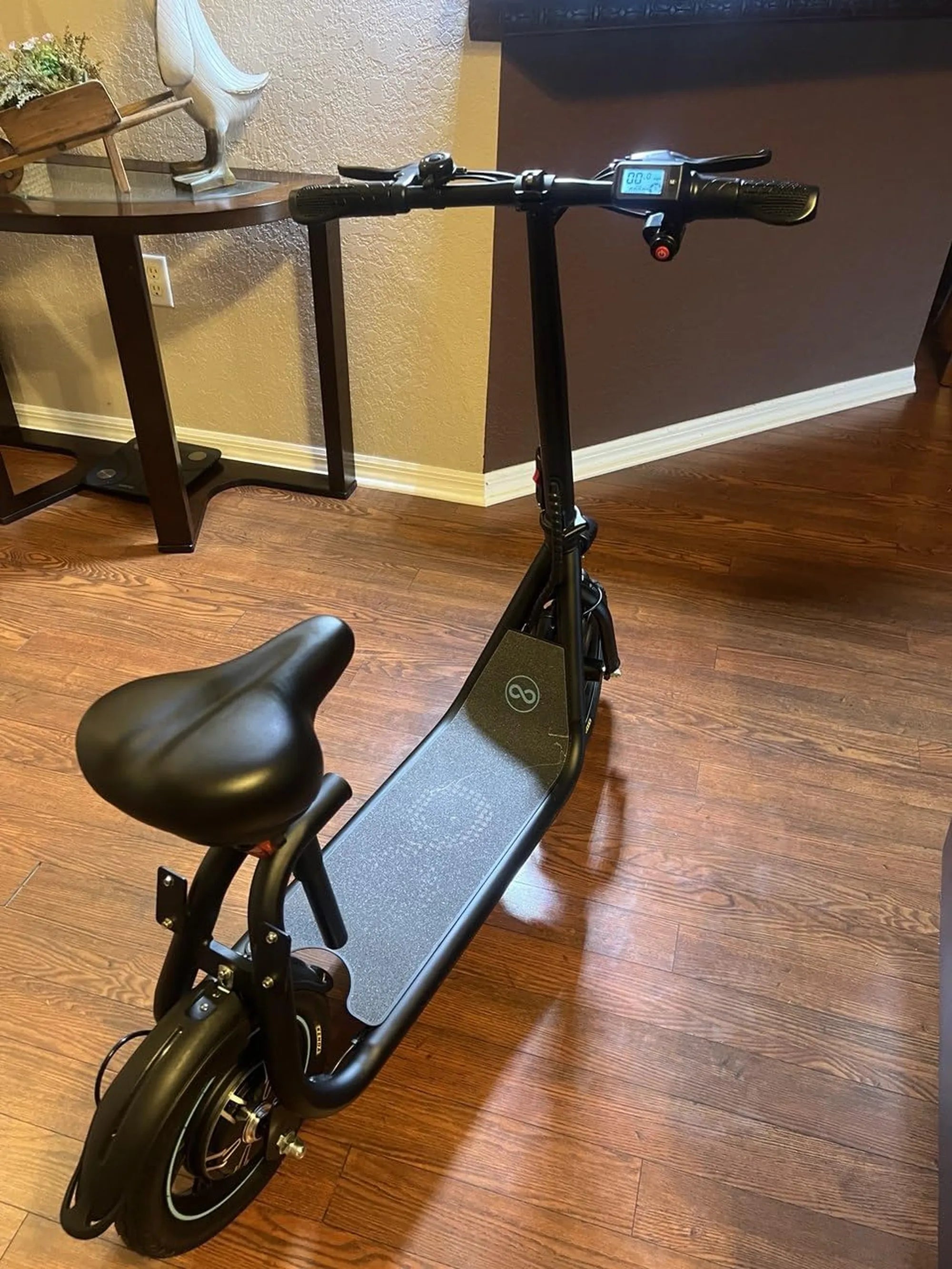
Electric bikes and scooters have surged in popularity as eco-friendly, cost-effective alternatives to traditional transportation. But with their rise comes confusion: are electric bikes and scooters legal? The answer isn’t straightforward—it depends on where you live, how the vehicles are classified, and how they’re used. Let’s break down the key legal considerations to keep you riding safely and legally.
Understanding the Legal Classifications
Electric bikes (e-bikes) and scooters (e-scooters) fall into different regulatory categories depending on their speed, power, and design. Most countries classify them based on these factors:
- E-Bikes: Typically categorized by motor wattage and maximum assisted speed. For example, in the U.S., Class 1 e-bikes (up to 20 mph with pedal assist) are treated like bicycles, while Class 3 (up to 28 mph) may face stricter rules.
- E-Scooters: Often regulated similarly to mopeds or motorcycles if they exceed certain speed or power limits. Many cities require helmets, licenses, or registration for higher-powered models.
Global Legal Perspectives
Laws vary dramatically worldwide:
United States
Federal law treats e-bikes as bicycles if they meet specific criteria (e.g., under 750W motor power). States can impose additional rules—some allow e-scooters on bike lanes, while others ban them from sidewalks.
European Union
The EU caps e-bike motors at 250W with a 15.5 mph (25 km/h) limit for pedal-assisted models. E-scooters are legal in most countries but often require insurance or age restrictions.
Asia
Countries like China and Japan have embraced e-bikes but enforce strict speed limits. In contrast, e-scooters face heavy restrictions in cities like Singapore due to safety concerns.
Safety and Compliance Tips
To stay legal, riders should:
- Check local laws for speed, power, and helmet requirements.
- Avoid modifying vehicles to exceed legal limits.
- Use designated bike lanes where available.
The Future of E-Bike and E-Scooter Laws
As urban areas adapt to micromobility, regulations are evolving. Some cities are piloting e-scooter rental programs, while others are tightening rules to curb accidents. Staying informed is key to enjoying these vehicles without legal headaches.
Ready to hit the road? Whether you’re commuting or cruising, knowing the rules ensures your ride is smooth—and legal. Stay updated, ride safely, and embrace the electric revolution!
Fastest E Scooter: The Ultimate Guide to High-Speed Electric Mobility
Do Electric Scooters Need Servicing? The Essential Guide to Keeping Your Ride Smooth