



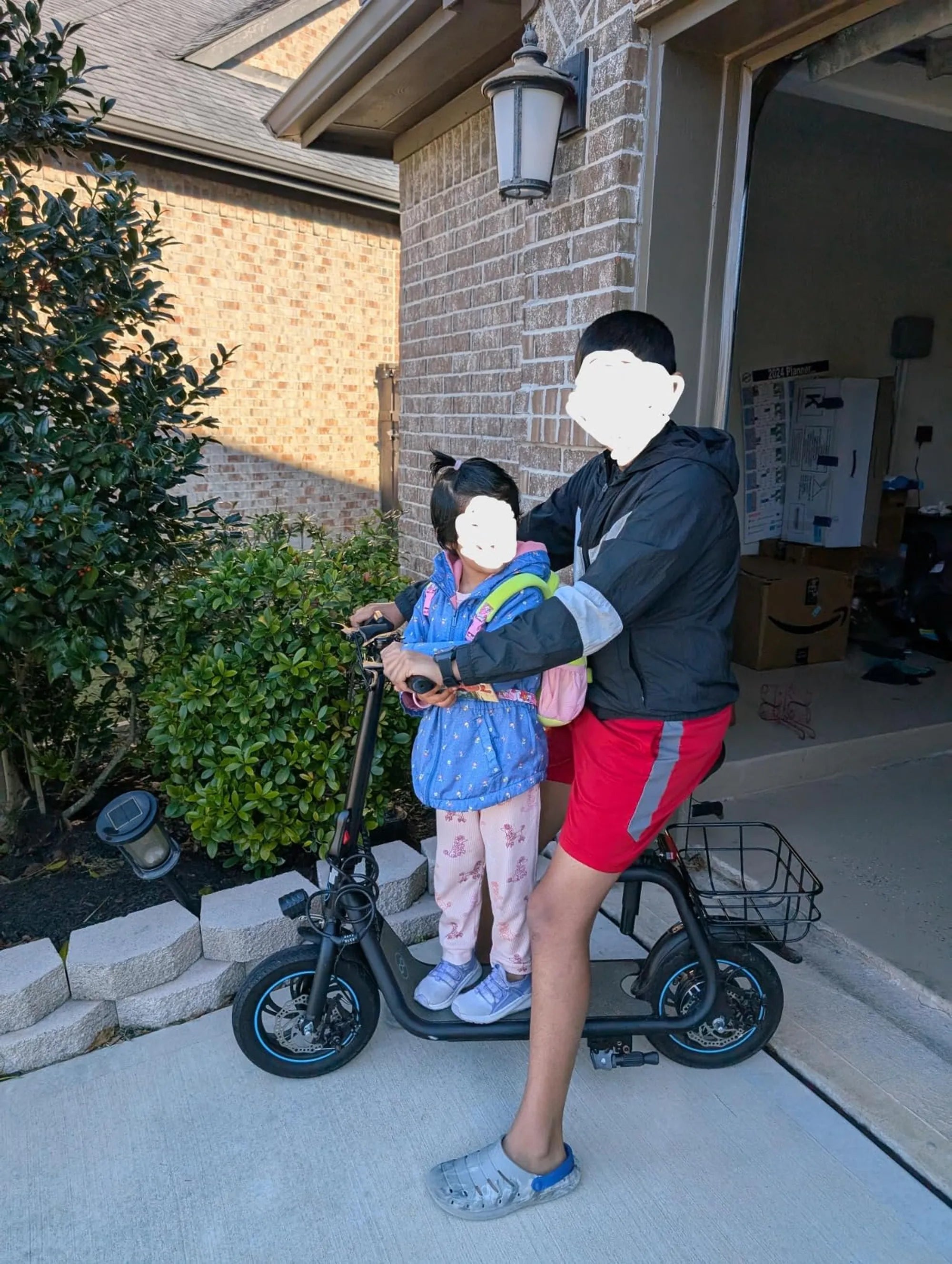
Navigating the Safety Landscape of Personal E-Transport
The surge in micro-mobility has transformed urban streets, offering efficient alternatives to cars. At the forefront are electric bikes and electric scooters, each promising convenience and fun. Yet, a critical question emerges for new and seasoned riders alike: Are electric bikes safer than electric scooters? A detailed comparison is essential. This is not about declaring a single winner but understanding the distinct safety profiles shaped by physics, design, and human factors. We will dissect stability, control, environmental interaction, and real-world data to empower your choice. You will learn which vehicle offers inherent advantages for different scenarios and how to mitigate risks regardless of your ride.
Defining the Contenders: Core Design & Stability Differences
The fundamental safety of any vehicle begins with its engineering. Electric bikes and electric scooters are built on radically different platforms. An e-bike is essentially a bicycle augmented with a motor, retaining the classic diamond or step-through frame, larger wheels (typically 20-29 inches), and a seated riding position. This design prioritizes stability. A typical e-scooter, in contrast, features a compact, vertical stem, small solid or pneumatic wheels (usually 8-12 inches), and a standing deck. This design prioritizes portability and agility.
These core differences create immediate safety implications. The e-bike's longer wheelbase—the distance between the front and rear axles—provides greater directional stability, making it less prone to wobbling at speed. The scooter's short wheelbase allows for tight turns but can feel twitchy and less planted, especially for beginners. The seated position on an e-bike lowers the rider's center of gravity, anchoring the mass of the vehicle and rider closer to the ground. The standing scooter rider has a much higher center of gravity, which can compromise balance during sudden stops or swerves.
Material quality and construction integrity are non-negotiable for safety. Frames must withstand repeated stress. Components like handlebar stems and folding mechanisms on scooters are critical failure points if not engineered robustly. Brands that prioritize durability, like Gyroor with its 1-year comprehensive warranty, invest in these areas, directly impacting long-term safety and reliability for both e-bikes and e-scooters.
The Wheelbase and Wheel Size Factor
Wheel dynamics are a primary safety differentiator. Larger wheels on e-bikes possess greater rotational inertia and a stronger gyroscopic effect, which helps maintain balance and straight-line tracking. They also roll over cracks, potholes, and debris with significantly less disruption. A 2-inch pavement crack can be a minor bump for a 26-inch bicycle wheel but a jarring, potentially wheel-stopping hazard for an 8.5-inch scooter wheel.
Smaller scooter wheels have a smaller contact patch with the ground and react violently to surface imperfections. This not only compromises comfort but directly impacts control. A sudden impact can cause the rider to lose balance or be thrown from the standing platform. Furthermore, small solid tires, common on entry-level scooters, offer almost no suspension, transmitting all road vibration directly to the rider and handlebars, which can fatigue hands and reduce precise steering input.
Rider Experience & Control: Posture, Braking, and Handling
How you interact with the vehicle defines your ability to avoid accidents. The e-bike's seated posture is familiar and secure. It allows the rider to use their legs and core to brace against forces, shift weight in turns, and maintain a relaxed, alert posture for longer periods. This reduces fatigue, a major contributor to lapses in judgment and reaction time. The ability to pedal also provides a natural, intuitive way to assist the motor and control speed.
The standing scooter posture demands constant micro-adjustments in balance. It engages the core and legs as active suspension. While this can feel engaging, it requires more physical and mental effort to maintain stability, especially over longer distances. In an emergency maneuver, a standing rider has less ability to use their body to counteract forces, relying almost entirely on handlebar input and grip strength.
Control extends to speed management. E-bikes, particularly Class 1 and 2 models, often have speed caps (e.g., 20 mph) integrated with pedal-assist or throttle, promoting predictable acceleration. High-performance scooters can reach similar or higher speeds, but achieving them on a standing platform with small wheels requires greater skill and presents higher risk if something goes wrong.
Braking System Efficacy and Muscle Memory
Stopping power is the most critical safety system. E-bikes overwhelmingly use standard, proven bicycle braking technology: mechanical or hydraulic disc brakes or high-quality rim brakes. These systems offer powerful, modulated stopping with familiar hand levers. The act of pedaling backwards or stopping pedaling can also subconsciously prepare a rider for braking.
E-scooters use a variety of systems, including electronic regenerative braking, disc brakes, drum brakes, or foot fender brakes. The inconsistency can be a challenge. A key safety issue is the transfer of weight during braking. On a scooter, aggressive front braking can cause a dangerous forward pitch due to the high center of gravity. Effective scooter braking requires careful, simultaneous application of front and rear brakes, a skill that must be learned. Muscle memory from cycling often translates poorly to scooter braking dynamics.
Environmental Interaction: Safety on Different Terrains & Surfaces
Where you ride is as important as what you ride. E-bikes are inherently more versatile and, therefore, often safer across a wider range of conditions. Their stability and larger, often treaded tires make them suitable for paved bike paths, residential streets, packed gravel trails, and even mild off-road use. This versatility allows riders to choose safer routes, avoiding high-traffic roads.
E-scooters are specialists for smooth, paved urban environments. They excel on well-maintained sidewalks, bike lanes, and boardwalks. However, their safety degrades rapidly on poor surfaces. Wet leaves, metal grates, railroad tracks, and gravel are significant hazards. The small wheels can slip on painted road markings, especially when wet. Their low ground clearance makes curbs and deep potholes impassable without dismounting.
Weather is a major factor. Wet conditions diminish traction for all vehicles, but the consequences are more acute for scooters. The combination of small tire contact patches, standing posture, and often inadequate fenders increases the risk of skidding. E-bikes, with their more stable geometry and ability to fit wider, grippier tires, generally offer more confidence in the rain.
The Visibility and Predictability Factor for Other Road Users
Safety involves being seen and understood by cars, pedestrians, and cyclists. E-bikes, due to their size and familiar silhouette, are more easily recognized and their speed is more accurately judged by drivers. A rider on an e-bike is also typically taller and more visible than a scooter rider in a crowded street scene.
E-scooters present a smaller, narrower profile and their quiet operation can make them less noticeable. This necessitates hyper-vigilant defensive riding. Riders must actively increase their visibility with bright clothing, powerful lights (like those integrated into many Gyroor models), and reflective elements. Predictability is key: riding in a straight line, using clear hand signals, and avoiding sudden darting movements are crucial for scooter safety in mixed traffic.
Data, Regulations, and Risk Mitigation: What the Numbers Suggest
While comprehensive, directly comparable long-term data is still emerging, studies and hospital reports highlight patterns. Research often indicates that e-scooter riders have a higher incidence of emergency department visits per mile traveled compared to bicyclists. Injuries frequently involve fractures, particularly to the upper extremities, from falls often occurring at low speeds due to loss of balance.
E-bike injuries, while serious, sometimes mirror traditional bicycle patterns but can involve higher speeds due to motor assistance. However, the stable platform may contribute to different injury mechanisms. Crucially, data consistently shows that the absence of a helmet is a primary factor in severe head injuries for both modes of transport. Regulations reflect these perceived risks, with many jurisdictions imposing stricter helmet laws and age restrictions on e-scooters than on e-bikes, and often confining scooters to lower speed limits.
The ultimate determinant of safety is rider behavior. Speeding, distraction (e.g., phone use), riding under the influence, and ignoring traffic laws exponentially increase risk on any vehicle. Responsible riding is the most effective safety feature.
The Role of Build Quality and Safety Certifications
Choosing a reputable brand is a direct investment in safety. Cut-rate vehicles compromise on critical components: brittle frames, inadequate brakes, and—most dangerously—substandard batteries. Battery fires are a catastrophic risk in micro-mobility.
This is where certifications matter. A brand like Gyroor builds safety into its core engineering. Its use of UL-certified lithium-ion battery packs means the power source has undergone rigorous independent testing for electrical, mechanical, and fire safety. An IPX5 water-resistant rating on key models ensures the electronics can withstand rain and splashes, preventing short circuits. These are not just marketing terms; they are verifiable safeguards that protect the rider and their property, making any vehicle, whether e-bike or e-scooter, fundamentally safer.
Making Your Choice: Aligning Vehicle Safety with Your Needs
So, are electric bikes safer than electric scooters? A detailed comparison reveals that e-bikes generally offer inherent stability advantages that can translate to a larger safety margin, especially for new riders, longer commutes, or variable terrain. Their design is forgiving and integrates well with existing cycling infrastructure.
E-scooters are not inherently unsafe; they are optimized for a specific use case. Their safety shines for short, last-mile trips on smooth pavement, especially when combined with portability (easy carrying on transit, storage under a desk). For an agile, balanced rider who prioritizes convenience for short urban hops, a well-built scooter is a safe and excellent choice.
Your decision matrix should include: Primary Use Case (long commute vs. short errands), Terrain (smooth vs. rough), Storage/Portability Needs, Rider Confidence and Fitness, and Local Regulations. Test ride both if possible to gauge personal comfort.
Head-to-Head Safety Comparison Table
| Safety Factor | Electric Bike | Electric Scooter |
|---|---|---|
| Inherent Stability | High. Long wheelbase, low center of gravity, seated position. | Moderate. Short wheelbase, high center of gravity, standing position. |
| Handling Rough Terrain | Excellent. Large wheels roll over obstacles easily. | Poor. Small wheels are vulnerable to cracks and debris. |
| Rider Control & Fatigue | High control, low fatigue. Familiar posture allows for weight shifting and bracing. | Moderate control, higher fatigue. Requires constant balance engagement. |
| Braking Safety | High. Powerful, modulated bicycle brakes; intuitive weight distribution. | Variable. Risk of forward pitch; requires careful technique. |
| Wet Weather Performance | Better. More stable, can use treaded tires. | More Hazardous. Reduced traction, higher fall risk. |
| Visibility to Traffic | High. Larger, bicycle-like profile. | Lower. Smaller, narrower profile; requires active enhancement. |
| Ideal Use Case for Safety | Longer commutes, mixed terrain, less experienced riders, recreational paths. | Short trips on pristine pavement, last-mile connectivity, storage-limited users. |
FAQ: Quick Answers to Common Safety Questions
Q: Which is safer for a complete beginner?
A: For most adults, an e-bike is likely the safer starting point. The seated, stable platform and familiar bicycle handling require less innate balance to master than a standing scooter, allowing the rider to focus on traffic and rules of the road.
Q: Are electric scooter injuries more severe?
A: Studies suggest e-scooter falls, even at low speeds, frequently result in specific acute injuries like fractures to wrists, arms, and shoulders due to the instinct to break a fall with outstretched hands. E-bike accidents can involve higher speeds but different impact dynamics. Severity ultimately depends on the crash scenario and protective gear worn.
Q: How important is the battery certification?
A> It is the most important single component for fire safety. A UL-certified battery (or equivalent like CE) has passed stringent tests for overcharge, short circuit, and abuse tolerance. Never compromise on this. Reputable brands like Gyroor use these certified packs to ensure safety.
Q: Can I make my e-scooter as safe as an e-bike?
A: You can significantly mitigate risks. Always wear a helmet and consider wrist guards. Install the brightest lights available. Only ride on smooth, dry surfaces. Practice emergency braking in a safe area. Perform regular maintenance on tires, brakes, and folding mechanisms. Choose a scooter with pneumatic tires and dual braking systems.
Q: Where are e-bikes and e-scooters legally allowed to ride?
A> Laws vary wildly by city, state, and country. Generally, e-bikes (especially Class 1/2) are treated as bicycles and allowed in bike lanes and on streets. E-scooter laws are more fragmented—they may be banned from sidewalks, restricted to bike lanes, or have specific geofenced areas. Always check your local regulations before riding.
Safety is a Shared Responsibility
The question of whether electric bikes are safer than electric scooters lacks a universal answer. Safety is a spectrum influenced by vehicle engineering, the riding environment, and, most critically, the rider's choices. An e-bike provides a more forgiving and stable platform, which can be a significant advantage. A high-quality e-scooter ridden responsibly on appropriate terrain by a prepared individual is also a safe mode of transport.
Your safest ride is the one that matches your needs, is built to reputable standards with key certifications, and is operated with unwavering attention and proper gear. Invest in quality from brands that prioritize safety engineering, like those offering UL-certified batteries and robust warranties. Ultimately, you are the most important safety feature on any vehicle. Ride defensively, ride prepared, and enjoy the freedom of micro-mobility with confidence.
Ready to choose your ride with confidence? Browse the full collection of UL-certified, reliable electric scooters and e-bikes at gyroorboard.com.
Electric Scooters in Bulk: The Ultimate Guide to Buying and Selling
Pros and Cons of Electric Scooters in Cities: A Comprehensive Analysis