



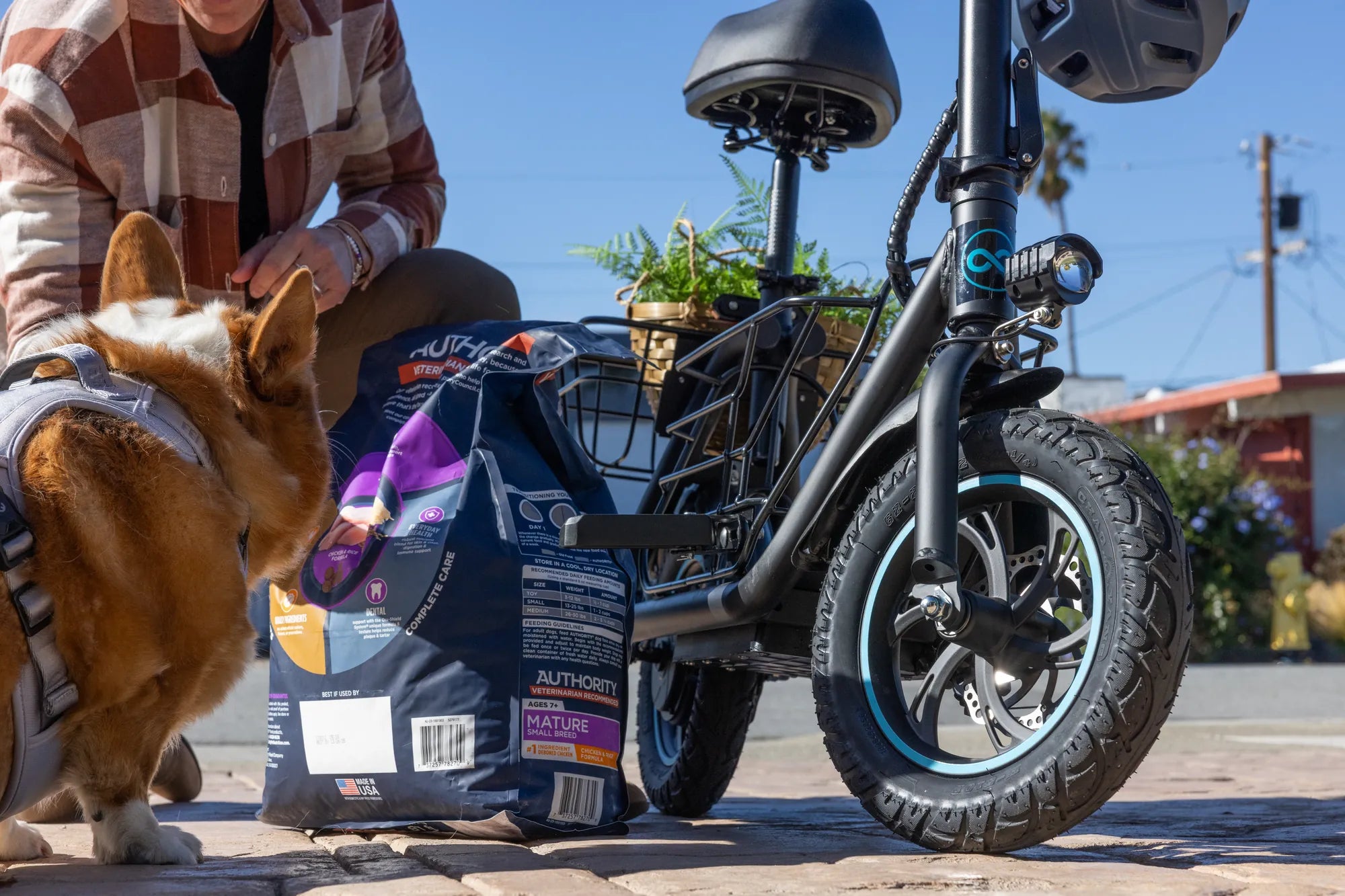
Electric scooters have become a popular mode of urban transportation, offering a convenient and eco-friendly way to navigate busy city streets. But when it comes to crossing iconic structures like the Tillikum Bridge, many riders are left wondering: are electric scooters allowed on the Tillikum Bridge? The answer isn’t as straightforward as you might think, and understanding the rules can save you from fines or even accidents. Let’s dive into the details.
The Tillikum Bridge: A Pedestrian and Transit-Friendly Structure
The Tillikum Bridge is a unique crossing designed primarily for public transit, pedestrians, and cyclists. Unlike traditional bridges, it does not accommodate private motor vehicles, which raises questions about where electric scooters fit into the equation. The bridge’s design prioritizes safety and sustainability, but its rules are strict when it comes to non-standard modes of transportation.
Are Electric Scooters Allowed?
As of the latest regulations, electric scooters are not permitted on the Tillikum Bridge. The bridge’s policies explicitly prohibit motorized personal transportation devices, including e-scooters, skateboards with motors, and similar vehicles. This restriction is in place to ensure the safety of all bridge users, as the narrow pathways and high pedestrian traffic can create hazardous conditions when mixed with faster, motorized devices.
Why the Ban Exists
The prohibition of electric scooters on the Tillikum Bridge stems from several key concerns:
- Safety Risks: The bridge’s pathways are shared by pedestrians, cyclists, and transit users. Electric scooters, which can reach speeds of up to 15-20 mph, pose a collision risk in crowded areas.
- Infrastructure Limitations: The bridge was not designed to accommodate motorized personal vehicles, and its pathways lack the width needed to safely mix fast-moving scooters with slower traffic.
- Legal Classifications: In many jurisdictions, electric scooters fall into a gray area between bicycles and motor vehicles, making their use on pedestrian-centric infrastructure legally ambiguous.
Alternatives for Crossing the Tillikum Bridge
If you’re an electric scooter rider looking to cross the Tillikum Bridge, don’t worry—there are still ways to make the journey:
- Walk Your Scooter: While riding isn’t allowed, you can dismount and walk your scooter across the bridge as a pedestrian.
- Use Public Transit: The bridge is served by multiple transit options, including buses and light rail, which can accommodate folded scooters.
- Switch to a Bike: Bicycles are permitted on the bridge, so consider switching to a bike for your crossing if possible.
What Happens If You Ignore the Rules?
Attempting to ride an electric scooter on the Tillikum Bridge could result in penalties, including fines or confiscation of your device. Law enforcement and bridge patrols are known to enforce these rules strictly, so it’s best to comply to avoid trouble.
The Future of Electric Scooters on the Tillikum Bridge
As urban mobility evolves, there’s a chance that regulations could change. Advocacy groups and scooter-sharing companies are pushing for clearer guidelines and infrastructure improvements to accommodate micro-mobility devices. However, until such changes are made, the ban remains in effect.
Navigating the rules of urban transportation can be tricky, but knowing where you can and can’t ride your electric scooter is essential for a smooth commute. While the Tillikum Bridge may be off-limits for now, exploring alternative routes and transportation methods ensures you stay safe and compliant. Ready to plan your next trip? Keep these guidelines in mind and enjoy the ride—just not on the bridge!
Are Electric Scooters Viewed as Cool? Exploring the Trend and Perception
Are Electric Scooters Viewed as Cool? Exploring the Trend and Perception