


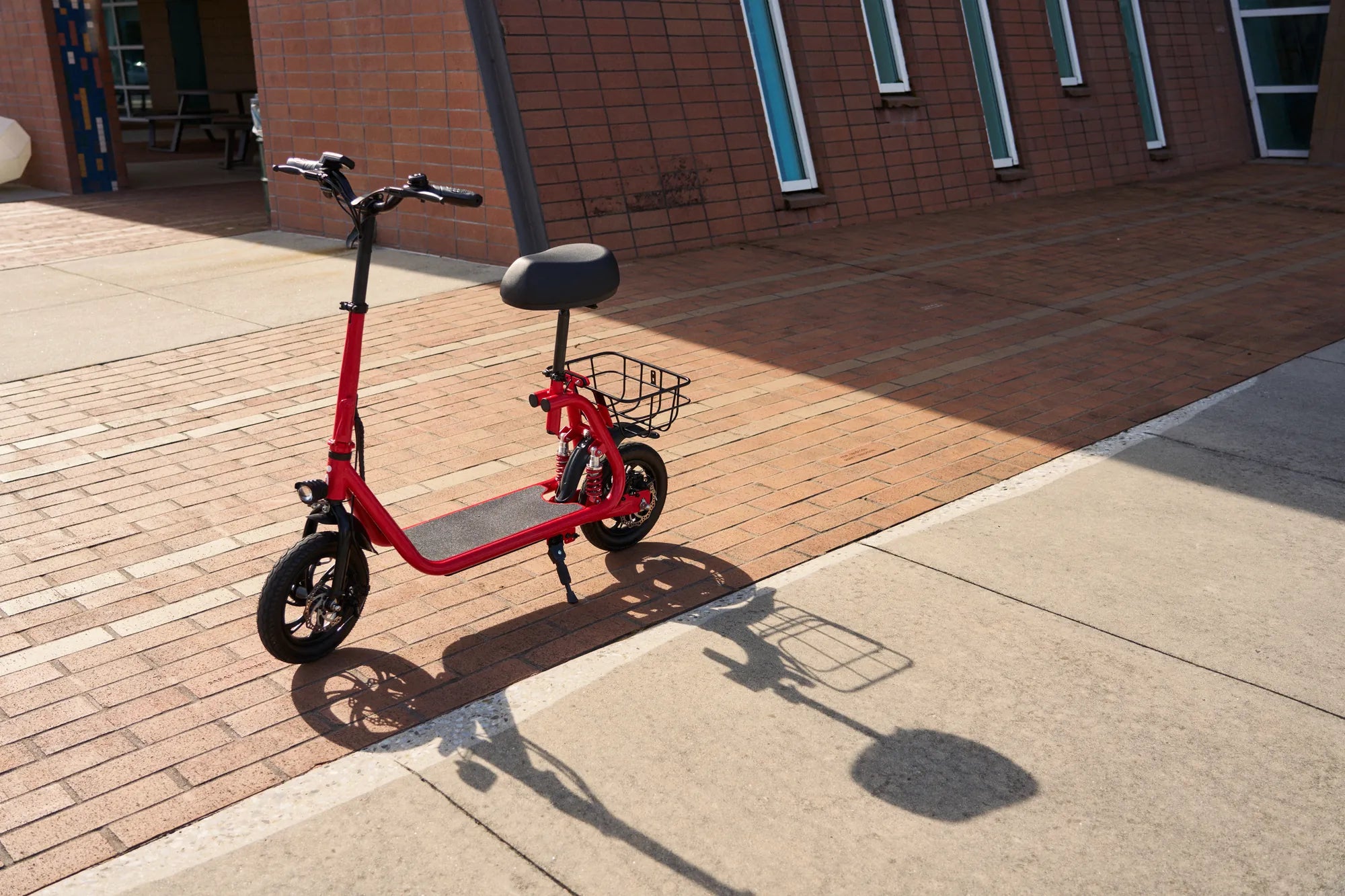
Electric scooters have taken college campuses by storm, offering a convenient and eco-friendly way to get around. But are they truly a good fit for students? Let’s dive into the advantages and challenges of using electric scooters in a college setting.
The Rise of Electric Scooters on Campus
Over the past few years, electric scooters have become a common sight on college campuses. Their compact design, affordability, and ease of use make them an attractive option for students looking to save time and energy. Unlike traditional bicycles, electric scooters require minimal physical effort, making them ideal for those rushing between classes.
Benefits of Electric Scooters for College Students
Convenience and Time-Saving
One of the biggest advantages of electric scooters is their convenience. Students can easily fold and carry them into classrooms or dorm rooms, eliminating the need for parking spaces. They also help students avoid long walks across large campuses, saving valuable time between lectures.
Eco-Friendly Transportation
Electric scooters produce zero emissions, making them an environmentally friendly alternative to cars or motorcycles. For students passionate about sustainability, this is a major plus. Many colleges are also promoting green initiatives, and electric scooters align perfectly with these goals.
Cost-Effective Solution
Compared to owning a car or relying on ride-sharing services, electric scooters are a budget-friendly option. The initial investment is relatively low, and maintenance costs are minimal. Students can save money on gas, parking fees, and public transportation passes.
Challenges of Using Electric Scooters in College
Safety Concerns
While electric scooters are convenient, safety remains a significant concern. Accidents can occur due to uneven pavement, reckless riding, or lack of proper safety gear. Colleges may need to implement stricter regulations to ensure student safety.
Limited Range and Battery Life
Most electric scooters have a limited range, which may not be sufficient for students living far off-campus. Battery life can also be an issue, especially if charging stations are scarce. Running out of power mid-commute can be a major inconvenience.
Campus Regulations
Not all colleges welcome electric scooters with open arms. Some institutions have banned them due to safety hazards or congestion in pedestrian areas. Students should check their campus policies before investing in one.
Tips for Using Electric Scooters Responsibly
To make the most of electric scooters, students should follow these guidelines:
- Always wear a helmet and protective gear.
- Obey traffic rules and campus regulations.
- Charge the scooter regularly to avoid battery issues.
- Be mindful of pedestrians and avoid high-traffic areas.
Alternatives to Electric Scooters
If electric scooters aren’t the right fit, students can consider other options like bicycles, skateboards, or walking. Each has its own set of benefits, and the best choice depends on individual needs and campus infrastructure.
Electric scooters can be a game-changer for college students, offering speed, convenience, and sustainability. However, they come with their own set of challenges. By weighing the pros and cons, students can decide if an electric scooter is the right choice for their campus commute.
Electric Scooters: Are They Safe and Legal?
Kids Electric Scooters Australia: The Ultimate Guide for Parents