



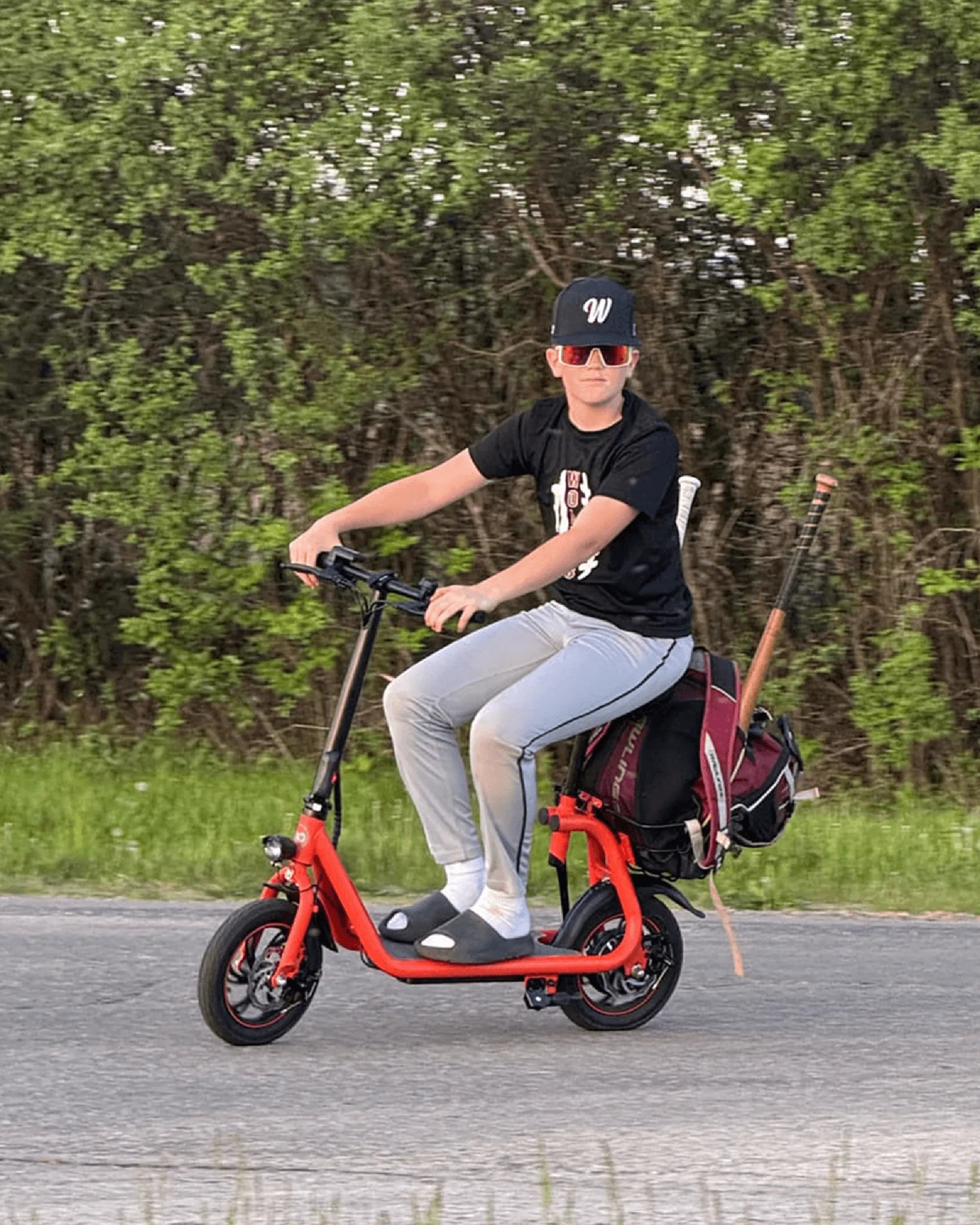
Electric scooters have surged in popularity worldwide, offering a convenient and eco-friendly way to navigate urban areas. But are electric scooters legal in New Zealand? The answer isn’t as straightforward as you might think. This guide dives into the laws, restrictions, and practical considerations for e-scooter riders in New Zealand.
Understanding the Legal Framework
In New Zealand, electric scooters fall under the category of "low-powered vehicles." According to the Land Transport Act, e-scooters with a maximum power output of 300 watts or less are classified as "powered wheeled recreational devices" (PWRDs). These devices are exempt from registration, licensing, and warrant of fitness requirements.
However, if an e-scooter exceeds 300 watts, it is considered a motor vehicle and must comply with stricter regulations, including registration and licensing. Riders should always check their scooter’s specifications to ensure compliance.
Where Can You Ride an Electric Scooter?
E-scooters are generally permitted on footpaths, shared paths, and cycle lanes, but local councils may impose additional restrictions. For example, some areas prohibit e-scooters in busy pedestrian zones or require riders to dismount in certain locations.
Riding on roads is allowed, but it’s not recommended due to safety concerns. E-scooters are not designed for high-speed traffic, and riders are vulnerable to accidents. If you must ride on the road, stay as far left as possible and follow all traffic rules.
Safety Rules and Best Practices
While helmets are not legally required for e-scooter riders in New Zealand, wearing one is highly advisable. Accidents can happen unexpectedly, and a helmet significantly reduces the risk of head injuries.
Other safety tips include:
- Always ride at a safe speed, especially in crowded areas.
- Use hand signals to indicate turns or stops.
- Avoid riding under the influence of alcohol or drugs.
- Be mindful of pedestrians and give them the right of way.
Penalties for Non-Compliance
Failing to follow e-scooter regulations can result in fines or other penalties. For instance, riding an unregistered e-scooter over 300 watts on public roads may lead to a fine of up to $1,000. Local councils can also issue infringement notices for breaches of bylaws, such as riding in prohibited areas.
The Future of E-Scooters in New Zealand
As e-scooter popularity grows, regulations may evolve to address safety and infrastructure challenges. Some cities are already piloting shared e-scooter programs, which could lead to more standardized rules nationwide.
For now, riders should stay informed about local laws and prioritize safety to enjoy the benefits of e-scooters without legal hassles.
Ready to hit the streets on your e-scooter? Make sure you know the rules and ride responsibly to avoid fines and stay safe. Whether you’re commuting or just cruising, understanding the legal landscape ensures a smooth and enjoyable experience.
E Scooter Headlight: The Ultimate Guide to Safety and Visibility
Wide Wheel E Scooter: The Ultimate Guide to Stability, Power, and Style