



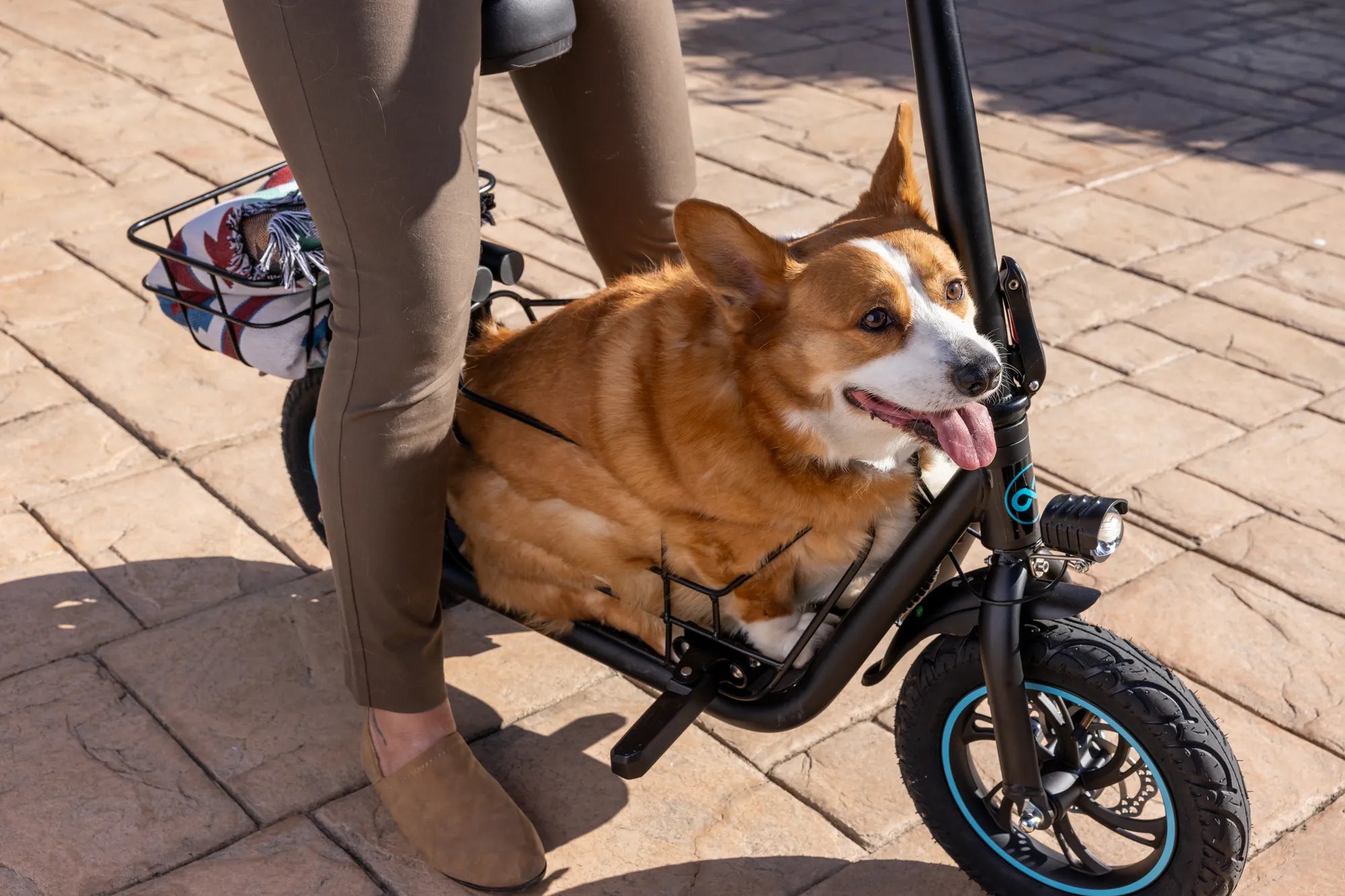
Navigating Toronto's E-Scooter Landscape in 2024
If you're considering an electric scooter for your Toronto commute or leisure, your first question is likely, "Are electric scooters legal in Toronto 2024?" The answer is nuanced. Yes, they are permitted, but strictly under the framework of a provincial pilot project that dictates where, how, and by whom they can be operated.
This definitive guide provides everything you need to know about the current laws, safety best practices, and how to select a scooter that meets both legal standards and the demands of city riding. Understanding these rules is not just about avoiding fines—it's about ensuring your safety and the positive future of this convenient mode of transport.
The Current Legal Status: Understanding Ontario's E-Scooter Pilot Project
Electric scooters are not permanently legalized vehicles in Ontario. Their operation is authorized through a time-limited pilot program established by the provincial government. Originally set to conclude, this pilot has been extended, allowing municipalities like Toronto to permit their use on local roads.
The City of Toronto has chosen to participate in this pilot. This means privately-owned electric kick scooters that meet specific criteria can be ridden on city streets, bike lanes, and certain trails. It's crucial to understand that this is a pilot, meaning rules can be adjusted, and its continuation beyond the current term depends on safety data and municipal decisions.
Provincial Rules vs. Municipal Discretion
The legal framework is a two-tier system. The Province of Ontario sets the baseline operational rules that apply everywhere in participating municipalities. These include rider age, helmet requirements, and scooter technical specifications like speed and power limits.
Municipalities, however, have the authority to impose further restrictions. Toronto can decide on where exactly e-scooters are allowed, such as designating specific trails as off-limits or creating no-riding zones in dense pedestrian areas. Always check the City of Toronto's official transportation page for the most localized bylaws.
What the Law Says: Key Regulations for Riders in Toronto
Compliance starts with knowing the rulebook. The following regulations are enforceable, and violations can result in significant fines under the Ontario Highway Traffic Act.
Rider and Equipment Requirements
First, the rider must be at least 16 years old. A driver's license, learner's permit, or insurance is not required. All riders under 18 must wear a bicycle helmet; it is strongly recommended for all ages.
The scooter itself must be an "electric kick scooter" as defined by the province. Key specifications include a maximum speed of 24 km/h, a motor not exceeding 500 watts, and a weight under 45 kg. It must be equipped with a bell or horn, a front white light and a rear red light (both active at night), and white reflectors on the front and red on the rear.
Where You Can and Cannot Ride
Permitted areas are clearly defined. You may ride on roads with a speed limit of 50 km/h or less, in bicycle lanes, and on multi-use paths unless explicitly signed otherwise.
It is illegal to ride on sidewalks at any time, with fines starting at $95. Other prohibited areas include expressways (like the Gardiner, DVP, or 400-series highways), and specific trails where the city has posted bans, such as certain paths within High Park or the Toronto Islands. Always look for signage.
Safety First: Best Practices for Responsible Riding in the City
Legality is the minimum standard; safe riding is a shared responsibility. Adopting these practices protects you, pedestrians, and the long-term acceptance of e-scooters in Toronto.
Gear Up: Beyond the Minimum Helmet Law
While only mandatory for minors, a high-quality bicycle or multi-sport helmet is non-negotiable for all riders. Consider additional protective gear like gloves, elbow pads, and knee pads, especially when learning or in high-traffic areas. Always wear sturdy, closed-toe shoes.
Maximize your visibility. Use your scooter's lights day and night, and add reflective clothing or accessories. A high-visibility vest or ankle bands make you significantly more noticeable to drivers, especially in dawn, dusk, or poor weather conditions.
Riding Etiquette for Shared Spaces
On multi-use paths, pedestrians have the right of way. Slow down, announce your presence politely with your bell or voice well in advance, and pass only when safe. Maintain a speed appropriate for the density of traffic around you.
Use clear hand signals for turns and stops. Park responsibly—never block sidewalks, building access points, curb ramps, or bike racks. Be predictable, avoid sudden swerves, and never ride while distracted by a phone or headphones.
The Gyroor Advantage: Choosing a Compliant and Reliable E-Scooter
Selecting the right scooter is a critical part of being a legal and safe rider. Not all models meet the provincial standards or are built to withstand daily urban use. This is where a trusted brand makes all the difference.
Built for Compliance and Peace of Mind
Gyroor designs its electric scooters with regulatory compliance and rider safety as foundational principles. Models like those in the Gyroor F-series are engineered to meet the 24 km/h speed limit and power specifications of the Ontario pilot.
More importantly, Gyroor prioritizes safety you can't see. Every model uses UL-certified battery packs, tested for over 500 charge cycles, significantly reducing the risk of battery fire—a primary concern for municipalities. With an IPX5 water-resistant rating, Gyroor scooters can handle Toronto's sudden rain showers, and a reliable 1-year warranty backed by North American support ensures long-term dependability.
Model Considerations for Toronto's Terrain
Toronto's streets demand specific features. Look for a scooter with a robust suspension system to smooth out cracks and potholes. A range of 25-40 km covers most commutes with a safety buffer. Dual braking systems (electronic and disc or drum) provide essential stopping power in unpredictable traffic.
Portability is key for multi-modal trips. Lightweight, foldable models allow you to easily transition from the road to the subway or bus. As a leader trusted by over 100,000 riders, Gyroor offers a range of models that balance these performance needs with strict compliance.
Comparing E-Scooter Use Cases in Toronto
Choosing a scooter depends on your primary need. The following table outlines key considerations for different Toronto riding scenarios.
| Primary Use Case | Key Features to Prioritize | Gyroor Model Example | Legal & Safety Notes |
|---|---|---|---|
| Last-Mile Commute (e.g., Station to Office) | Lightweight, fast folding, compact footprint. | Compact folding models. | Must have lights/reflectors for early/late trips. Park neatly off sidewalks. |
| Full City Commute (5-15 km) | Long-range battery (30km+), suspension, comfort. | Mid-range commuter models with suspension. | Plan route to use bike lanes/50km/h roads. Helmet and visibility gear are critical. |
| Recreational Trail Riding | Smooth torque, good suspension, comfort. | Models with pneumatic tires & suspension. | Verify trail is open to e-scooters (many multi-use paths are, but check for posted bans). |
| Running Errands | Stability, carrying capacity (optional basket), reliable brakes. | Sturdy models with deck space. | Never overload. Secure items. Be extra cautious in busy parking lot areas. |
Maintenance and Care for Year-Round Riding
Regular maintenance ensures your scooter remains safe, legal, and reliable. Start with a pre-ride check: test brakes, ensure tires are properly inflated, and confirm lights and the bell are functional. Keep the firmware updated if your model has a connected app.
For battery care, avoid exposing the scooter to extreme temperatures for prolonged periods. Store it in a cool, dry place. Use only the manufacturer-provided charger. Clean your scooter regularly with a damp cloth, avoiding direct water spray on electronic components despite water-resistant ratings.
Inspect mechanical parts monthly. Check for loose bolts, especially on the folding mechanism and handlebars. Monitor brake pad wear and tire tread. Adhering to these steps not only prolongs your scooter's life but is a key component of responsible ownership.
Frequently Asked Questions (FAQs)
Q: Do I need a driver's license or insurance to ride an e-scooter in Toronto?
A: No. The Ontario pilot does not require a driver's license, vehicle registration, or insurance for electric kick scooters. Riders must only be 16 or older.
Q: Can I ride my e-scooter on the Martin Goodman Trail or through High Park?
A: On multi-use paths like the Martin Goodman Trail, yes, unless a specific segment is signed otherwise. In High Park, e-scooters (and e-bikes) are prohibited on all park roads and trails as per a specific city bylaw. Always obey posted signage.
Q: What are the fines for breaking e-scooter rules?
A: Fines vary. Riding on a sidewalk typically carries a set fine of $95 plus applicable fees. Riding an illegal, overpowered scooter, or riding where prohibited can result in fines under the Highway Traffic Act, which can be substantially higher.
Q: Are rental e-scooters (like Bird or Lime) available in Toronto?
A: As of 2024, the City of Toronto has not launched a shared e-scooter rental program. The current pilot only applies to privately-owned e-scooters. This is a distinct policy decision by the city council.
Q: How does the law define an 'electric kick scooter'?
A: It is a vehicle with two wheels, a handlebar, a floorboard on which to stand, and is propelled by an electric motor. It must be capable of being propelled by muscular power (kicked). It cannot have a seat or be designed primarily for carrying goods.
The Future of E-Scooters in Toronto and Your Next Steps
The legality of electric scooters in Toronto for 2024 is clear within the pilot's constraints, but their permanent future hinges on responsible ridership today. Every safe, courteous trip contributes to positive data and public perception, supporting the case for full legalization.
Before you ride, double-check the City of Toronto's website for any last-minute bylaw updates. Invest in proper safety gear and choose a reputable, compliant scooter from a brand that stands behind its products with certified safety standards and reliable support.
Ready to explore Toronto on two wheels with confidence? Equip yourself with a scooter built for the city's rules and rigors. Browse the full Gyroor collection of UL-certified, compliant electric scooters at gyroorboard.com and join over 100,000 riders who choose reliability and safety.
Are Electric Scooters Legal UK 2024? The Complete 2024 Guide
Electric Scooters in Assam: The Future of Urban Mobility