


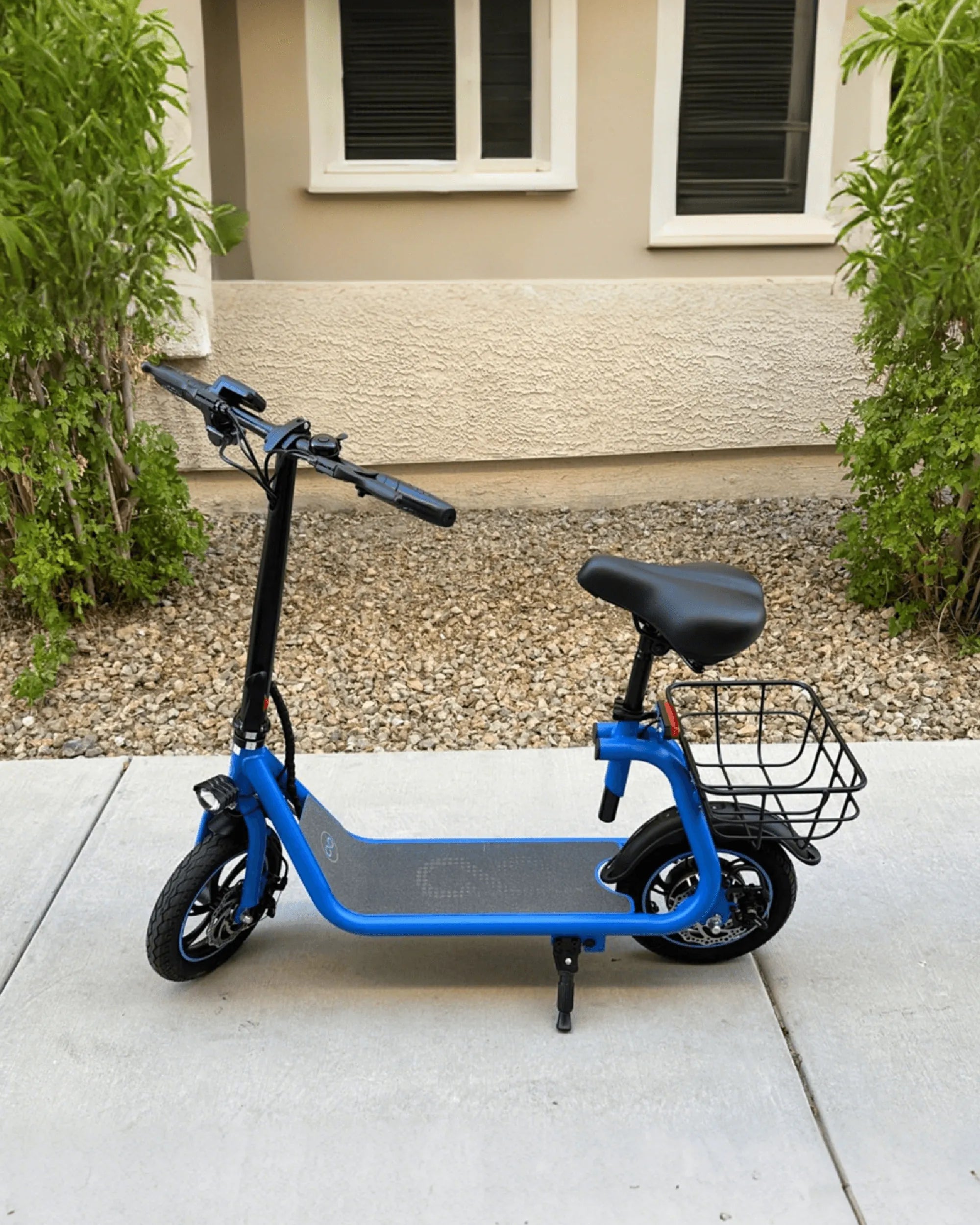
Electric scooters have taken cities by storm, offering a convenient and eco-friendly way to zip through urban landscapes. But as their popularity grows, so does the debate: are electric scooters legal on pavements? The answer isn’t straightforward, as laws vary widely depending on location. This guide dives into the legalities, safety implications, and what riders need to know before hitting the pavement.
The Legal Landscape of Electric Scooters
Electric scooters occupy a gray area in many jurisdictions. In some places, they’re classified as personal light electric vehicles (PLEVs), while in others, they’re treated similarly to bicycles. However, their legality on pavements is often a point of contention. Here’s what you need to know:
- United Kingdom: Privately owned e-scooters are currently illegal on public roads, cycle lanes, and pavements. Only rental scooters in approved trials are permitted.
- United States: Laws vary by state and city. Some allow e-scooters on pavements, while others restrict them to bike lanes or roads.
- Australia: Most states prohibit e-scooters on pavements, with fines for non-compliance.
- European Union: Regulations differ by country, but many nations restrict pavement riding to protect pedestrians.
Why Are Pavements a Controversial Space for E-Scooters?
Pavements are designed for pedestrians, and introducing fast-moving electric scooters can create safety hazards. Key concerns include:
- Pedestrian Safety: E-scooters can reach speeds of 15-20 mph, posing a risk to walkers, especially children and the elderly.
- Accident Risks: Collisions between scooters and pedestrians can lead to serious injuries.
- Clutter and Obstruction: Poorly parked scooters can block pathways for wheelchair users and others.
What Are the Alternatives to Pavement Riding?
If pavement riding is prohibited in your area, consider these alternatives:
- Bike Lanes: Many cities allow e-scooters in designated bicycle lanes.
- Roads: In some regions, e-scooters are treated like bicycles and permitted on roads.
- Private Property: Riding on private land with the owner’s permission is usually legal.
The Future of E-Scooter Regulations
As e-scooter usage grows, lawmakers are under pressure to update regulations. Potential future changes include:
- Speed Limits: Lower speed limits for pavement riding to enhance safety.
- Licensing Requirements: Some regions may introduce licenses or training for riders.
- Infrastructure Improvements: Cities might invest in dedicated scooter lanes to reduce conflicts.
Electric scooters are here to stay, but their place on pavements remains uncertain. Staying informed about local laws and advocating for sensible regulations can help ensure a safer future for everyone. Whether you’re a rider or a pedestrian, understanding the rules is the first step toward sharing the streets harmoniously.
Best Electric Moped Scooters for Adults: Top Picks for 2024
Best Electric Moped Scooters for Adults: Top Picks for 2024