



Imagine gliding effortlessly above the ground, defying gravity like a scene straight out of a sci-fi movie. The idea of floating hoverboards has captivated imaginations for decades, but are they real? Let’s dive into the science, myths, and future possibilities of this futuristic mode of transportation.
The Science Behind Floating Hoverboards
Floating hoverboards rely on advanced technologies to achieve levitation. The most common concepts involve magnetic levitation (maglev) or air propulsion. Maglev technology uses powerful magnets to create a repulsive force between the board and the ground, allowing it to hover. Air propulsion, on the other hand, uses high-powered fans or jets to generate lift.
While maglev is already used in high-speed trains, scaling it down for personal use presents significant challenges. The energy requirements and cost of materials make it impractical for widespread consumer adoption—at least for now.
Myth vs. Reality: What Exists Today
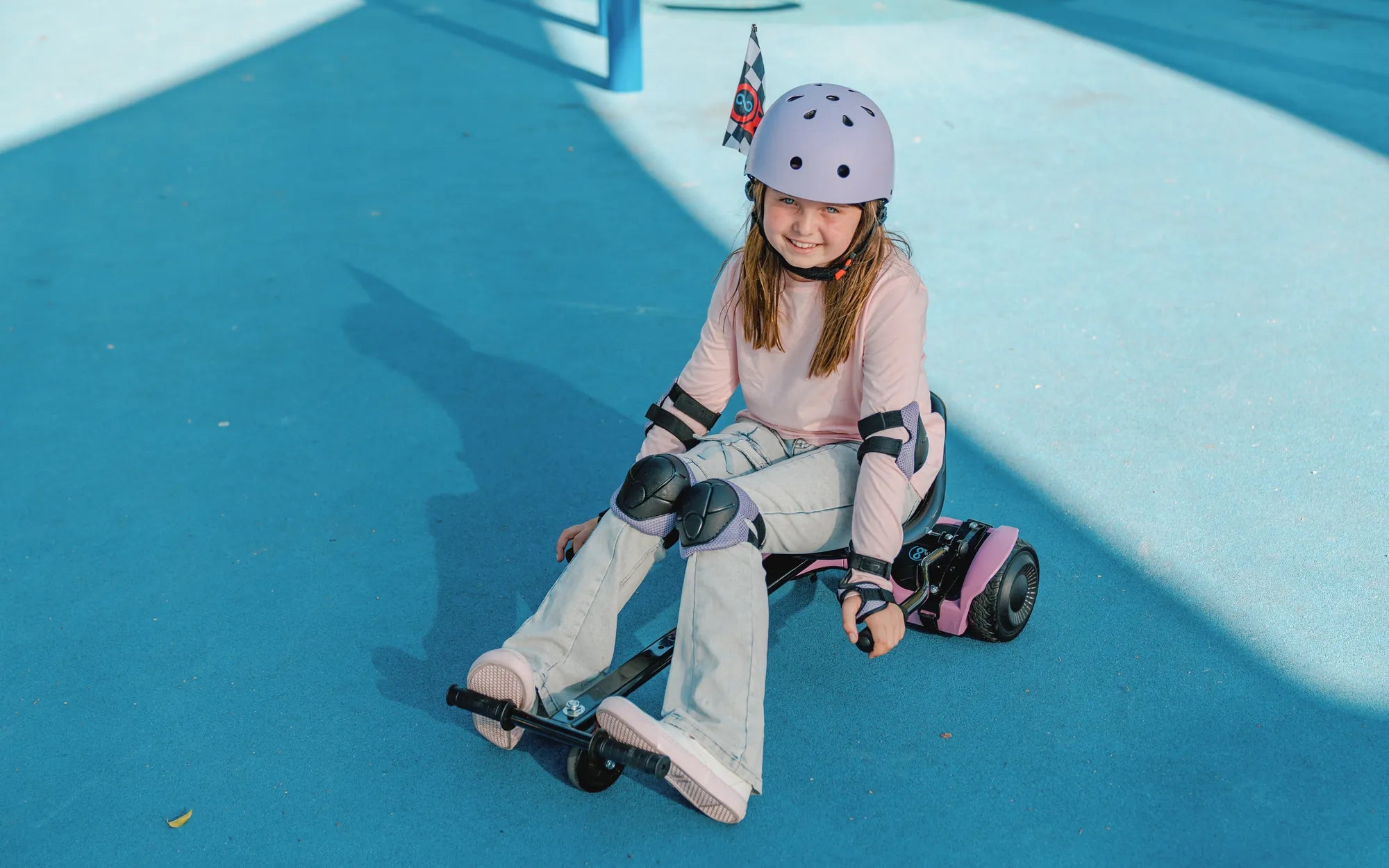
Many so-called "hoverboards" on the market today are actually self-balancing scooters with wheels. These devices don’t float but mimic the movement of a hoverboard. True floating hoverboards, as seen in movies, remain elusive due to technological and physical limitations.
However, experimental prototypes have shown promise. Some inventors have demonstrated small-scale hoverboards using magnetic or air-based systems, but these are far from being practical for everyday use. They often require specialized surfaces or confined environments to function.
The Challenges of Creating a Real Floating Hoverboard
Several obstacles stand in the way of making floating hoverboards a reality. Energy consumption is a major hurdle—levitation requires immense power, and current battery technology can’t sustain it for long periods. Additionally, stability and control are critical concerns. Without proper balance mechanisms, riders would face significant safety risks.
Another challenge is infrastructure. Maglev hoverboards would need magnetic tracks or surfaces, limiting where they could be used. Air-based systems, while more versatile, are noisy and inefficient.
The Future of Floating Hoverboards
Despite the challenges, researchers and engineers continue to explore ways to bring floating hoverboards to life. Advances in superconductors, lightweight materials, and energy storage could one day make them feasible. Some companies are even experimenting with hybrid systems that combine multiple technologies to overcome current limitations.
As technology evolves, the dream of a real floating hoverboard may not be as far-fetched as it seems. Imagine a world where commuting involves gliding above traffic, effortlessly navigating urban landscapes. The possibilities are endless.
The quest for floating hoverboards is far from over. While we may not have them yet, the relentless pursuit of innovation keeps the dream alive. Who knows? The next breakthrough could be just around the corner, bringing us one step closer to soaring above the ground like never before.
Where Are Hoverboards Sold: The Ultimate Shopping Guide
Hoverboard Battery Specifications: What You Need to Know Before Buying