



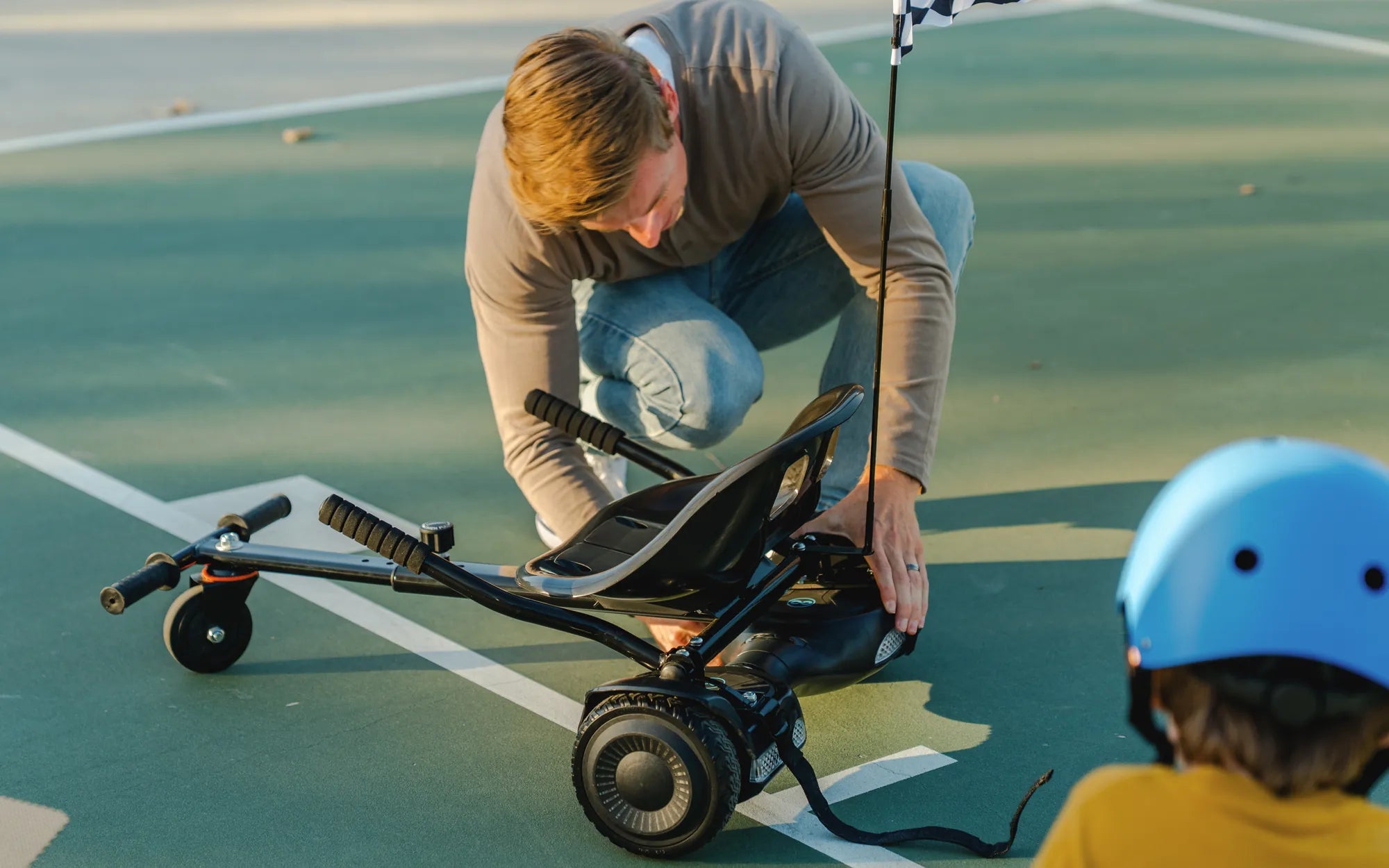
Hoverboards have become a popular mode of transportation and entertainment, but their performance hinges on one critical component: the battery. If you're in the market for a hoverboard, understanding hoverboard battery specifications is non-negotiable. From voltage to charging time, these details determine how far you'll go, how fast you'll ride, and how long your device will last. Let's dive into the essentials.
Why Battery Specifications Matter
Hoverboard battery specifications aren't just technical jargon—they directly impact your riding experience. A high-quality battery ensures longer rides, faster speeds, and better durability. On the flip side, a subpar battery can lead to frequent charging, sluggish performance, and even safety hazards like overheating. Knowing what to look for can save you money and frustration in the long run.
Key Hoverboard Battery Specifications
1. Voltage (V)
Voltage determines the power output of your hoverboard. Most models range between 24V and 48V. Higher voltage means more speed and torque, making it ideal for heavier riders or rough terrains. However, higher voltage also requires more robust safety features to prevent overheating.
2. Capacity (Ah or mAh)
Battery capacity, measured in ampere-hours (Ah) or milliampere-hours (mAh), indicates how long the battery can last on a single charge. A 4.4Ah battery, for example, will typically provide 1-2 hours of continuous use. Larger capacities extend ride time but may increase charging duration.
3. Charging Time
Charging time varies based on battery capacity and charger output. Most hoverboards take 2-4 hours to fully charge. Fast-charging options are available but can reduce battery lifespan if used excessively.
4. Battery Chemistry
Lithium-ion (Li-ion) batteries dominate the market due to their high energy density and lightweight design. They charge quickly and last longer than older nickel-based batteries. Always opt for Li-ion for better performance and safety.
5. Cycle Life
Cycle life refers to the number of charge-discharge cycles a battery can endure before its capacity drops significantly. A good hoverboard battery should offer at least 500-800 cycles, ensuring years of reliable use.
Safety Considerations
Hoverboard batteries must meet safety standards to prevent fires or explosions. Look for certifications like UL2272, which ensures the battery has passed rigorous testing for electrical and fire safety. Avoid cheap, uncertified batteries—they're a ticking time bomb.
Maximizing Battery Life
To get the most out of your hoverboard battery, follow these tips:
- Avoid overcharging—unplug once fully charged.
- Store in a cool, dry place away from direct sunlight.
- Use only the manufacturer-recommended charger.
- Don't drain the battery completely before recharging.
Future of Hoverboard Batteries
Advancements in battery technology promise even better hoverboard performance. Solid-state batteries, for instance, could offer higher capacities and faster charging without the risk of overheating. Keep an eye on these innovations if you're planning an upgrade.
Hoverboard battery specifications might seem overwhelming, but they're the key to unlocking a smooth, safe, and enjoyable ride. Whether you're a casual rider or a speed enthusiast, paying attention to these details will ensure you get the best value for your money. Ready to hit the streets with confidence? Your perfect hoverboard is just a battery spec away.
Are Floating Hoverboards Real? Exploring the Future of Personal Transportation
How Much Does a Scooter Cost: A Complete Price Guide