



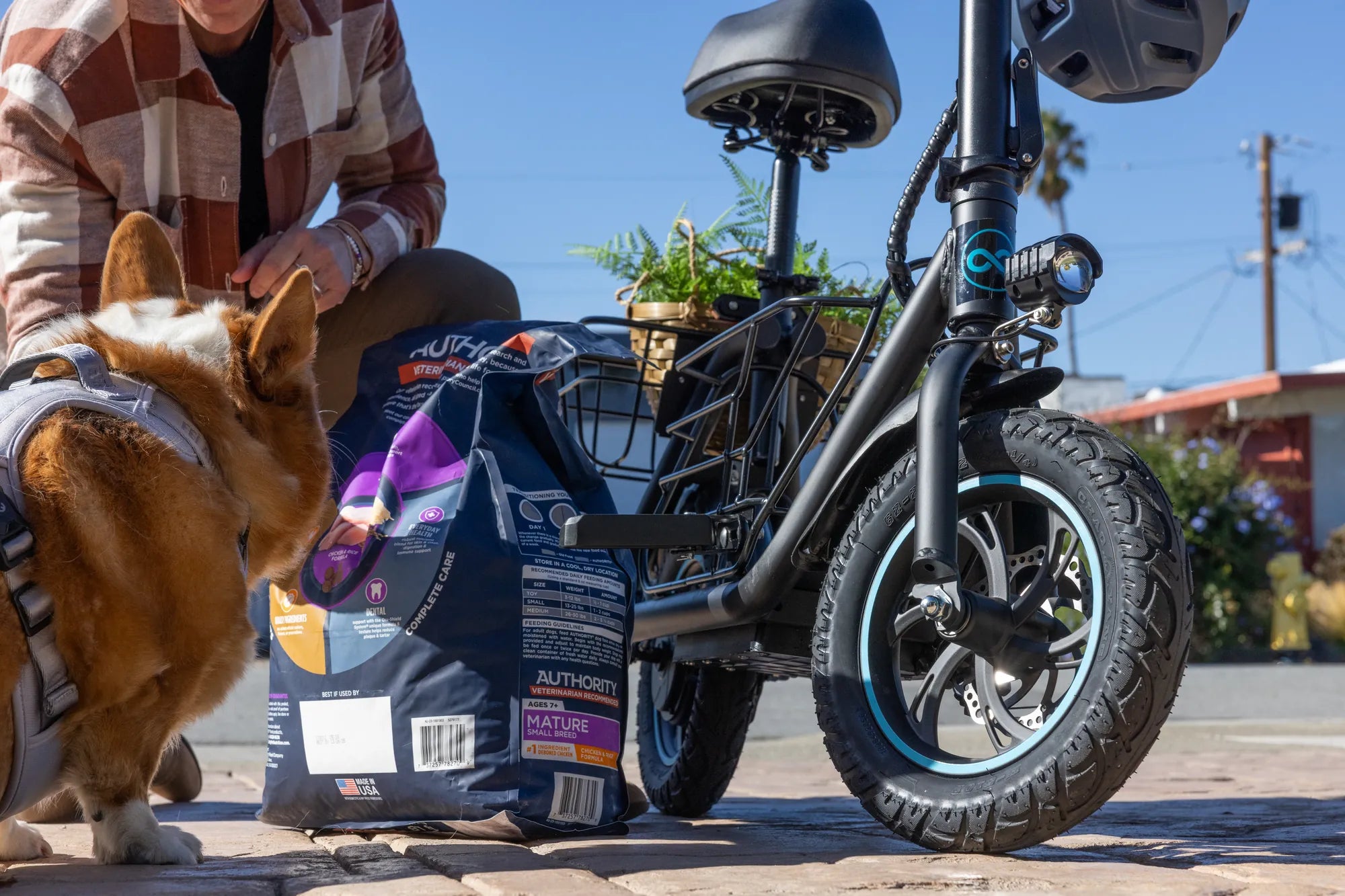
Introduction to San Francisco's Electric Scooter Landscape
Yes, electric scooters are not only present but are a thriving part of San Francisco's urban fabric. The city's unique combination of dense neighborhoods, progressive environmental policies, and challenging topography has made it a prime testing ground for micro-mobility. This article provides a comprehensive exploration of the scooter scene, from navigating complex regulations to choosing a model capable of conquering iconic hills.
You will learn the current legal landscape for riding, understand the critical performance metrics for San Francisco's terrain, and receive practical safety advice for busy streets. We will also compare the convenience of shared rental services against the long-term benefits of owning a reliable personal scooter. This guide is designed for both residents seeking a daily commute solution and visitors looking for an efficient way to explore the city.
The Legality and Regulations: Riding an E-Scooter in SF
Operating an electric scooter in San Francisco is legal, but it is governed by a specific set of rules established by the San Francisco Municipal Transportation Agency (SFMTA) and the California Vehicle Code. Understanding these regulations is essential to avoid fines and ensure safe, lawful riding. The city operates a permitting program for shared scooter companies, which has shaped the public infrastructure and rules for all riders.
Key regulations include a 15 mph speed limit on all streets and bike lanes. Riders must be at least 16 years old, and those under 18 are required to wear a helmet. While not mandatory for adults, wearing a helmet is strongly recommended. A driver's license or learner's permit is not required to operate an electric scooter in California. These rules apply equally to both privately owned scooters and those from rental fleets.
Where Can You Ride and Park?
Designated riding areas are clearly defined. Electric scooters are permitted in bicycle lanes, on streets with speed limits at or below 25 mph, and in shared roadways. They are prohibited on sidewalks in the city's central business district and other high-pedestrian areas, as signposted. Violating sidewalk riding rules can result in substantial fines.
Parking is a critical component of responsible scooter use. Scooters must be parked upright in the furniture zone of the sidewalk (the area next to the curb) or in designated corrals, without blocking the pedestrian right-of-way, building entrances, bus stops, or ADA ramps. Improperly parked scooters, especially those from shared fleets, are subject to impoundment by the SFMTA, with associated retrieval fees for the rider or company.
Navigating the Terrain: Performance Considerations for SF's Hills
San Francisco's legendary hills are the ultimate test for any electric scooter. A scooter with insufficient power will struggle on inclines, potentially becoming a safety hazard by stalling in traffic. The key performance metrics to evaluate are motor wattage, torque, and battery capacity. For reliable hill-climbing, a sustained motor power of at least 350W is a practical minimum, with 500W or more providing confident performance on steeper grades like Fillmore or Divisadero.
Battery efficiency is equally important. Aggressive hill climbing consumes more energy, reducing overall range. A scooter advertised with a 20-mile range on flat ground may only achieve 10-12 miles in San Francisco's undulating landscape. Therefore, selecting a scooter with a robust battery and efficient power management is crucial for dependable daily commuting. Features like pneumatic (air-filled) tires and suspension systems also contribute greatly to stability and comfort on the city's varied pavement conditions.
Gyroor's Hill-Climbing Technology: Built for the Challenge
Gyroor designs its electric scooters with demanding urban environments like San Francisco in mind. Models such as the Gyroor C1 Pro are engineered with high-torque motors, often reaching 500W of peak power, to deliver consistent acceleration on inclines. This engineering focus ensures riders can maintain safe speeds even on challenging slopes without overtaxing the motor or battery.
Complementing the powerful motor is a high-capacity, UL-certified battery pack. This certification is a critical safety benchmark, ensuring the battery meets rigorous standards for stability and reliability—a vital consideration for frequent charging at home or in the office. Furthermore, Gyroor scooters often feature dual braking systems (disc and electronic) for controlled descents, and IPX5 water-resistant designs to handle the city's famous fog and unexpected drizzle, ensuring performance isn't compromised by the elements.
Choosing Your Ride: Shared Scooter Services vs. Owning Your Own
The decision between using shared rental scooters and purchasing a personal vehicle hinges on usage patterns, budget, and priorities for convenience and performance. Shared services like Spin and Lime, which operate under SFMTA permits, offer immense spontaneity. They are ideal for short, one-way trips, last-mile connections from transit, or for visitors exploring the city without commitment.
However, reliance on shared scooters has drawbacks. Availability can be inconsistent, especially during peak commute times or in residential neighborhoods. Finding a scooter with a sufficiently charged battery for a longer or hillier trip is not guaranteed. There are also hygiene considerations and the lack of a personalized, optimally maintained riding experience. The cost, while reasonable for occasional use, accumulates quickly for daily commuters.
The Gyroor Advantage: Reliability and Control for the Daily Commuter
Owning a Gyroor scooter transforms the micro-mobility experience from a sporadic service into a dependable personal transportation asset. For daily commuters, the advantages are clear: your scooter is always available, charged to your requirements, and configured to your comfort. There is no hunting for a rental or worrying about per-minute fees adding up during a meeting that runs long.
You gain consistent, high performance tailored to San Francisco's demands. With features like the reliable 1-year warranty and service support, you have peace of mind regarding maintenance. The UL-certified battery provides safety for indoor charging, a significant concern in dense urban housing. For over 100,000 riders across North America and Europe, this combination of control, safety, and dependable performance defines the value of personal ownership.
| Consideration | Shared Scooter Services | Owning a Gyroor Scooter |
|---|---|---|
| Cost Model | Pay-per-minute + unlock fee | One-time purchase + minimal electricity cost |
| Availability | Subject to geographic & charge-level availability | Always at your doorstep, fully charged |
| Performance | Variable; often basic models for durability | High-torque motors & large batteries for hills |
| Hygiene & Maintenance | Shared use; maintenance varies | Personal, controlled; backed by 1-year warranty |
| Long-Term Value | Expensive for daily use | Cost-effective over time; an asset |
Safety and Best Practices for San Francisco Streets
Riding safely in San Francisco requires defensive strategies tailored to mixed-traffic environments. Always assume that drivers may not see you. Be predictable in your movements, use hand signals for turns, and make eye contact with drivers at intersections. Obey all traffic signals and stop signs—scooters are subject to the same rules as bicycles. Be especially vigilant for car doors opening and pedestrians stepping into bike lanes from between parked cars.
Visibility is paramount. San Francisco's microclimates often bring fog, overcast skies, and early dusk. Use your scooter's front and rear lights at all times, not just at night. Adding reflective stickers to your helmet, scooter deck, or backpack significantly increases your visibility to drivers. When in doubt, take the lane if the bike lane is obstructed or unsafe, but do so confidently and only when necessary.
Gear Up: Essential Accessories for Urban Riding
Beyond the scooter itself, the right gear is a critical investment. A properly fitted, CPSC-certified bicycle helmet is non-negotiable for head protection. Consider gloves to improve grip and protect your hands in a fall. For carrying belongings, a secure backpack is preferable to a handlebar bag, which can affect steering balance.
Since parking is often required in public, a high-quality U-lock or heavy-duty folding lock is essential to secure your scooter to a fixed object. Given the city's damp conditions, having a scooter with a built-in IPX5 water-resistant rating, like many Gyroor models, protects the electrical components from moisture damage, ensuring longevity and reliable operation through fog and light rain.
The Rider's FAQ: Quick Answers to Common SF Scooter Questions
Q: Do I need a driver's license to ride an electric scooter in San Francisco?
A: No. California law does not require a driver's license to operate an electric scooter. However, you must be at least 16 years old.
Q: Can I take my electric scooter on BART or Muni?
A: Yes, with conditions. Foldable electric scooters are allowed on BART and Muni buses at all times. They are permitted on Muni Metro trains (light rail) except during peak commute hours (weekdays 6-9 AM and 3-6 PM).
Q: What is the penalty for riding on the sidewalk?
A> Fines for sidewalk riding in prohibited areas can be over $100. The SFMTA and police do issue citations, particularly in busy commercial districts.
Q: Are there any discounts for low-income residents on shared scooters?
A: Yes. SFMTA's permitted scooter companies offer discounted rates for qualified low-income residents through programs like Spin's "Access" or Lime's "Lime Aid." Check the individual company websites for eligibility and enrollment.
Q: How do I report a badly parked or damaged shared scooter?
A> Use the company's mobile app (e.g., Spin, Lime) to report parking issues or damage. For immediate hazards, you can also contact the SFMTA's 311 customer service line.
Conclusion: Embracing Efficient and Eco-Friendly Transit
Electric scooters have cemented their role as a viable, efficient, and enjoyable component of San Francisco's transportation ecosystem. Successfully integrating them into your life requires a blend of regulatory knowledge, a scooter matched to the city's physical demands, and a committed approach to safety. While shared services offer flexibility, owning a capable scooter provides unmatched reliability, performance, and long-term value for the daily urban navigator.
For those ready to make the investment in a personal ride, choosing a brand that prioritizes hill-climbing power, battery safety, and weather resistance is key. Gyroor's focus on these engineering principles, backed by UL certification and a strong warranty, offers a dependable solution for conquering San Francisco's streets. Join over 100,000 riders in embracing a smarter way to move. Explore models built for urban challenges and find your perfect commute companion—browse the full Gyroor collection at gyroorboard.com.
Electric Motor Scooters for Adults UK: The Ultimate Guide to Eco-Friendly Commuting
Different Brands of Electric Scooters: A Comprehensive Guide to Choosing the Best Ride