


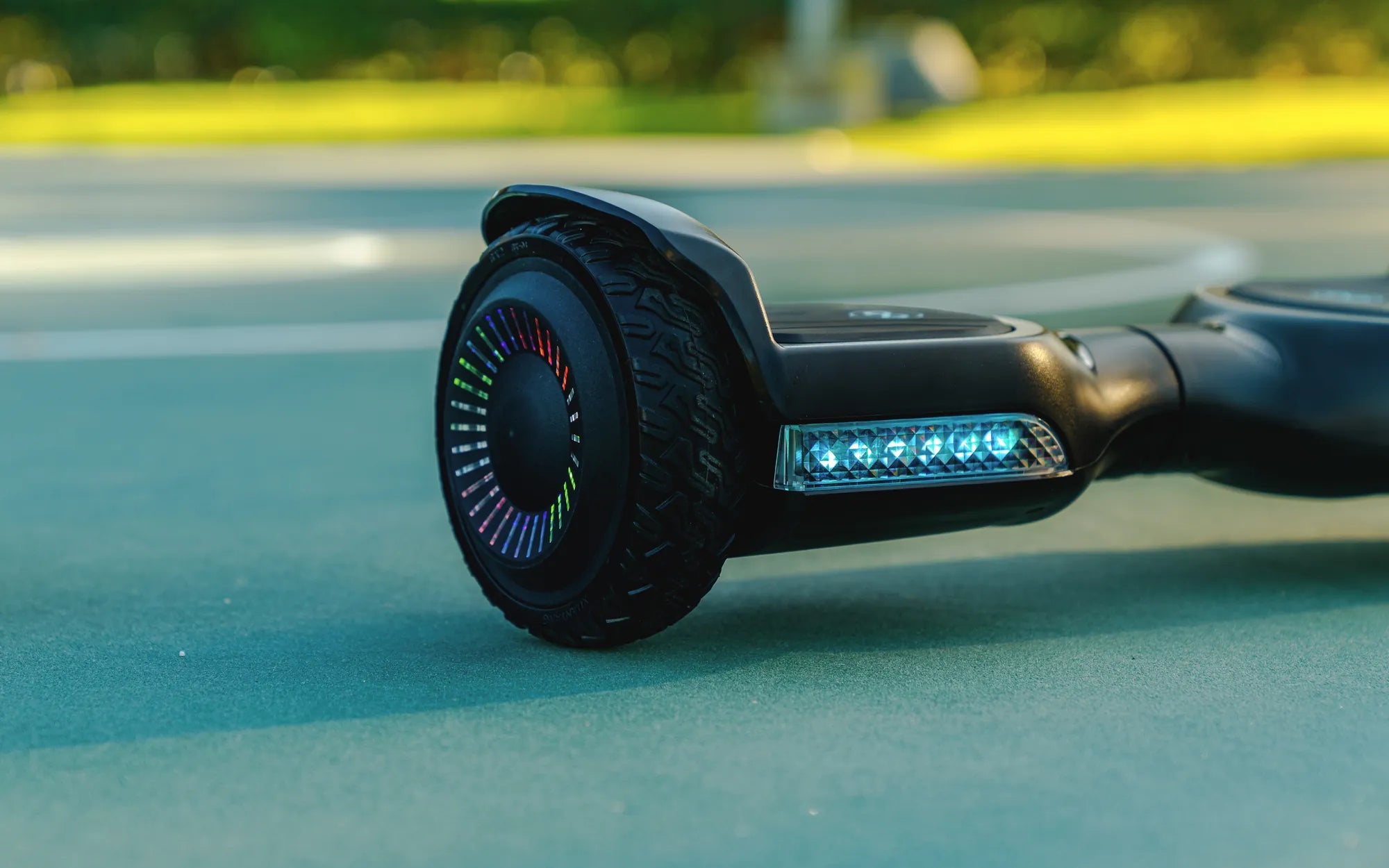
Wheel hoverboards have taken the world by storm, offering a fun and futuristic way to get around. But as their popularity grows, so do concerns about their safety. Are wheel hoverboards safe? The answer isn't straightforward—it depends on factors like build quality, user behavior, and adherence to safety guidelines. Let's dive into the details to help you make an informed decision.
Understanding Wheel Hoverboard Safety Concerns
Wheel hoverboards, also known as self-balancing scooters, have faced scrutiny due to reports of accidents, fires, and injuries. Early models were notorious for overheating batteries, leading to recalls and stricter safety standards. Modern hoverboards have improved, but risks still exist if proper precautions aren't taken.
Common Safety Risks
- Battery Fires: Low-quality lithium-ion batteries can overheat or explode if damaged or overcharged.
- Falls and Collisions: Balancing on a hoverboard requires skill, and sudden movements can lead to falls.
- Speed-Related Accidents: High speeds increase the risk of losing control, especially on uneven terrain.
- Electrical Hazards: Poorly insulated wiring can pose shock risks or malfunctions.
How Modern Hoverboards Address Safety
Manufacturers have made significant strides in improving hoverboard safety. Look for these features to ensure a safer ride:
Key Safety Features
- UL Certification: Hoverboards with UL 2272 certification meet rigorous electrical and fire safety standards.
- Non-Slip Foot Pads: Textured surfaces help prevent slipping during use.
- LED Lights: Improve visibility for nighttime riding.
- Speed Limiters: Prevent the hoverboard from exceeding safe speeds.
- Durable Frames: High-quality materials reduce the risk of structural failure.
Tips for Safe Hoverboard Use
Even with safety features, user behavior plays a crucial role in preventing accidents. Follow these best practices:
Riding Safely
- Wear Protective Gear: Always use a helmet, knee pads, and elbow pads.
- Start Slow: Practice in a safe, open area before riding in crowded spaces.
- Avoid Rough Terrain: Stick to smooth, flat surfaces to prevent falls.
- Supervise Children: Young riders should always be monitored by an adult.
- Check Battery Health: Avoid overcharging and inspect the battery for damage.
Legal and Regulatory Considerations
Many regions have laws governing hoverboard use, such as age restrictions, speed limits, and bans on public roads. Always check local regulations before riding.
Where to Ride Legally
- Sidewalks and Bike Lanes: Some areas permit hoverboards in these spaces.
- Private Property: Riding on your own property is usually unrestricted.
- Avoid High-Traffic Areas: Busy streets and highways are typically off-limits.
Wheel hoverboards can be a blast, but safety should always come first. By choosing a certified model, wearing protective gear, and riding responsibly, you can minimize risks and enjoy the ride. Whether you're a beginner or a seasoned rider, staying informed is the key to a safe and fun hoverboard experience.
Are All Hoverboards Heavy? Exploring Weight Factors and Lightweight Options
Are Hoverboards Really Blowing Up? The Truth Behind the Trend