

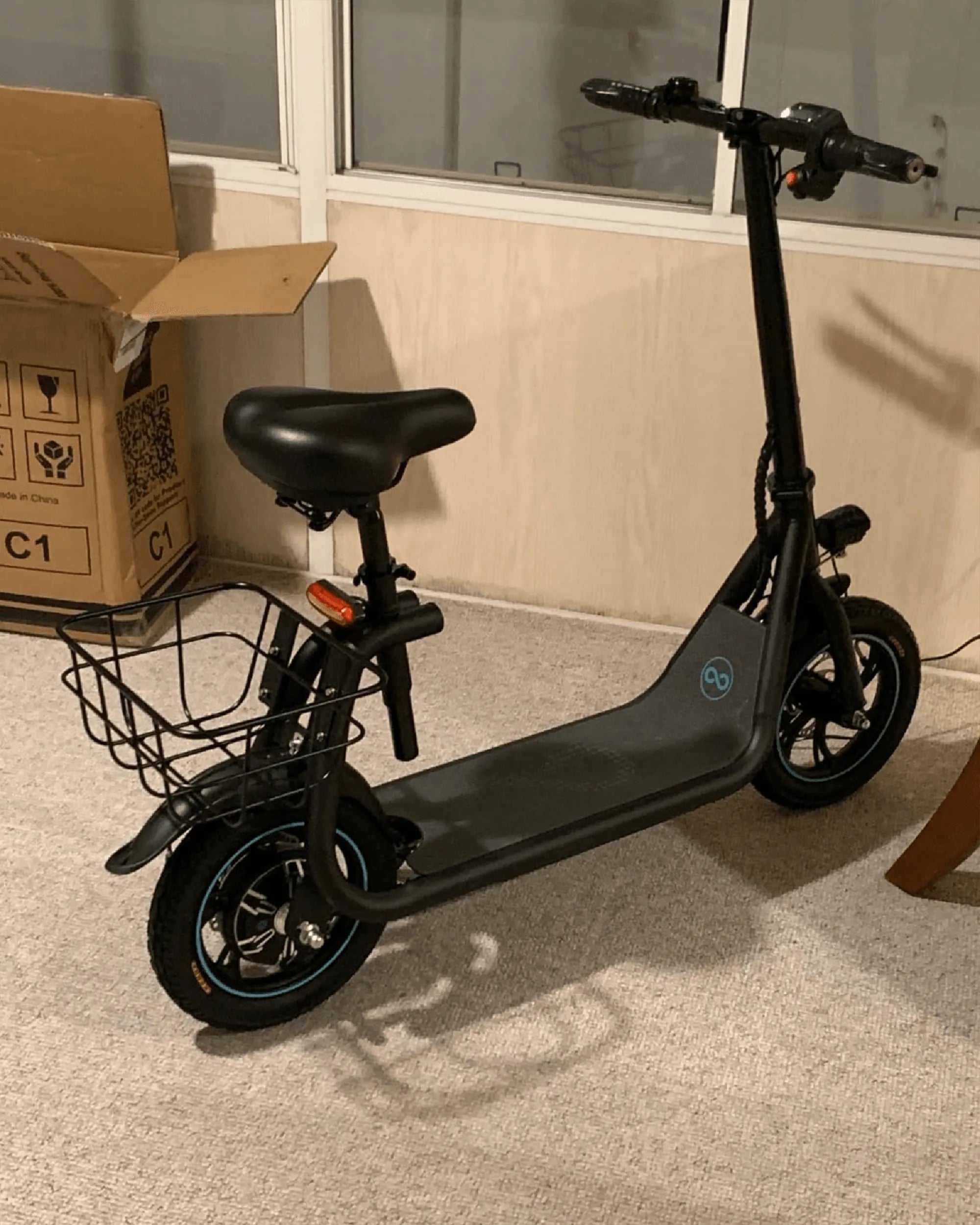
Introduction: Navigating the UK's E-Scooter Landscape
The question, 'Are you allowed to use electric scooters in the UK?' is met with widespread confusion. The answer is not a simple yes or no, but a crucial distinction between two categories: privately owned e-scooters and government-approved rental schemes. This guide cuts through the misinformation to provide a clear, factual, and comprehensive overview of the current legal status, safety obligations, and future outlook for e-scooter use across England, Scotland, and Wales. Understanding these rules is essential to avoid significant fines, penalty points, and to ensure your safety and that of others.
This article serves as your definitive resource. We will dissect the law, outline exactly where and how you can ride legally, detail mandatory safety practices, and explore what potential future legalisation could entail. For riders and prospective buyers, particularly of brands like Gyroor which prioritises UL-certified safety, this knowledge is key to making informed, responsible decisions. The core legal principle is straightforward: using a privately owned e-scooter on public roads, cycle lanes, or pavements remains illegal outside of specific, sanctioned rental trial areas.
The Current Legal Status: Private vs. Rental E-Scooters
UK law creates a stark divide in how it treats electric scooters based on ownership. This bifurcation is the source of most public misunderstanding. The government classifies e-scooters as 'Powered Transporters,' a subset of motor vehicles. Consequently, they must meet the same legal requirements as cars and motorcycles to be used on public roads, which includes type approval, insurance, tax, and a valid driving license.
Privately owned e-scooters, like those from reputable manufacturers, do not currently meet these requirements and are therefore not legal for use on public land. In contrast, rental e-scooters operating in official Department for Transport (DfT) trial areas are granted a special legal status. These trials are designed to gather data on safety and public impact, and the scooters themselves are modified to comply with specific trial regulations, including speed limiters and geo-fencing technology.
Private E-Scooters: The Official Stance
If you purchase an e-scooter for personal use, you are buying it for use on private land only, with the landowner's permission. Using it on a public road, in a cycle lane, or on the pavement is a criminal offence. The police have the power to issue a £300 fixed-penalty notice and six penalty points on your driving license. The vehicle can also be impounded. The law is clear: there is no grey area for private use in public spaces.
The requirement for type approval is a significant barrier. This involves rigorous safety testing that most consumer e-scooters are not designed to pass. Furthermore, no insurance product is available to the public for privately owned e-scooters used on roads, making riders personally liable for all damages and injuries in the event of an accident. This legal reality makes the question 'Are you allowed to use electric scooters in the UK?' for private owners one with a very restrictive answer.
Government-Led Rental Trials: The Legal Alternative
The nationwide rental trials, extended multiple times, are the only legal way to ride an e-scooter on public roads. Over 30 regions across England host trials run by operators like Lime, Tier, and Voi. These schemes operate under strict government-mandated rules to ensure safety and control. To use a rental e-scooter, you must be at least 16 years old and hold at least a provisional driving license, which you must present via the operator's app.
Key rules for rental e-scooters include: they are prohibited on pavements; they must be used on roads or in cycle lanes where available; the maximum speed is capped at 15.5 mph (25 km/h); and riders are strongly advised to wear a helmet. The scooters are also restricted to specific geo-fenced areas within trial towns and cities and must be parked in designated bays to avoid clutter and obstruction. This regulated environment is the government's chosen method for testing integration.
Where and How You Can Legally Ride an E-Scooter in the UK
Your legal riding options are entirely defined by the rental trial geography and the concept of private land. There is no universal 'right' to ride an e-scooter. Your location dictates your legal possibilities. For the vast majority of people, legal riding is confined to participating in an official rental scheme within a trial zone. Outside these zones, even rental scooters will not function.
Finding and Using Approved Rental Schemes
To find a trial area, consult the official .gov.uk website or directly check the apps of major operators (Lime, Tier, Voi). These apps use interactive maps showing the precise 'ride zone' boundaries. The process is standardized: download the app, register an account, verify your age and driving license, locate an available scooter on the map, and scan its QR code to unlock it. Payment is automated per minute of use. The app will warn you if you approach a 'no ride' zone or a low-speed area.
It is critical to end your ride in a designated parking bay, often marked digitally on the app map. Failure to do so can result in additional fees. Remember, the rental agreement makes you responsible for the scooter during your hire period, so secure it properly if making a brief stop. These digital controls are central to the trial's management of public space.
The Rules of the Road: Speed Limits and Riding Etiquette
Within trial areas, you must adhere to all standard road traffic laws as if you were driving a car. This includes obeying traffic lights, stop signs, and one-way systems. The mandated maximum speed is 15.5 mph, but you must always ride at a speed appropriate for the conditions, slowing down for pedestrians, junctions, and in poor weather. Riding etiquette is paramount for public acceptance.
Always ride in a predictable manner. Use clear hand signals to indicate turns. Give way to pedestrians, especially at crossings. Ride single file and do not carry passengers. Be aware that you are less visible to other vehicles, so assume you have not been seen. Avoid using headphones so you can hear ambient traffic noise. Your conduct on a rental scooter directly influences future policy decisions.
The Private Land Loophole: What You Need to Know
The only setting where a private e-scooter like a Gyroor model can be used without legal concern is on private land with the explicit consent of the landowner. This could be your own garden, a private driveway, or a large, enclosed piece of private property. It is a common misconception that public parks, car parks, or industrial estates after hours constitute private land—they do not. These are public spaces where the same road traffic laws apply.
If you wish to ride on private land not your own, you must obtain clear, preferably written, permission. Landowners have the right to set their own rules, and you assume all risk. This option is limited but is the sole legal outlet for enjoying the performance and features of a personally owned e-scooter under current UK law. It underscores why purchasing a model with robust safety features, like UL-certified batteries, remains a wise investment for future-proofing.
Safety, Insurance, and Your Responsibilities
Legal compliance is just the first step; responsible riding demands a proactive approach to safety and understanding liability. Whether using a rental or a private scooter on permitted land, the rider bears ultimate responsibility for their safety and the safety of others. Negligence can lead to severe injury and significant legal and financial consequences.
Essential Safety Gear and Best Practices
A helmet is the single most important piece of safety equipment. While not a universal legal mandate for rental scooters in all trial areas, it is strongly advised by the government and all responsible organisations. For private use, it is non-negotiable. Consider a cycle helmet certified to a recognised safety standard as a minimum. Additional protection like knee and elbow pads is recommended for new riders.
Make yourself visible. Wear high-visibility clothing or accessories, especially in low-light conditions. Ensure your scooter's front and rear lights are functioning—this is a legal requirement for rental scooters at night. Conduct a pre-ride check: test the brakes, ensure tires are properly inflated, and check that the folding mechanism (if present) is securely locked. Never ride under the influence of alcohol or drugs, as this applies to e-scooters just as it does to motor vehicles.
Understanding Insurance and Liability
Insurance coverage is a fundamental difference between rental and private scooters. Approved rental operators are required to provide insurance for their users as part of the trial. This typically covers third-party liability, meaning if you cause an accident injuring someone or damaging property, the operator's insurance should respond. However, it may not cover your own personal injury, so checking the policy details in the app is crucial.
For private e-scooters, the situation is stark. There is no available insurance product for their use on public roads precisely because such use is illegal. If you are involved in an accident while illegally riding a private scooter on the road, you will be personally liable for all costs—medical bills, vehicle repairs, and legal fees. This financial risk, combined with the criminal penalties, makes illegal riding a profoundly high-stakes activity. On private land, your home insurance may offer some limited liability cover, but you must check your policy exclusions carefully.
The Future of E-Scooter Laws in the UK
The current trial-based system is not intended to be permanent. The government has been consulting on how to create a new, regulated vehicle category for 'Powered Light Electric Vehicles' (PLEVs), which would include e-scooters. The goal is to legalise private use under a framework that ensures safety for all road users. Key consultation points have included mandatory insurance, a minimum rider age (likely 16), a maximum design speed, and requirements for indicators, lights, and brakes.
Progress has been slow, with safety concerns from pedestrian groups and logistical challenges around enforcement and infrastructure acting as significant hurdles. However, the direction of travel is towards regulated legalisation. Any future law will undoubtedly require e-scooters to meet specific technical standards, similar to European type approval, covering battery safety, braking systems, and lighting. This aligns with the design philosophy of established brands that invest in certified components.
What Potential Legalisation Could Mean for Riders
If and when the law changes, it will likely create a two-tier market. On one tier will be approved, road-legal e-scooters that meet the new type-approval standards. On another may remain unapproved models restricted to private land. Riders can expect requirements such as compulsory third-party insurance, possibly via a new vehicle registration process, and the potential for a mandatory helmet law for all public road use.
For manufacturers and retailers like Gyroor, this represents a significant opportunity. Brands that have already prioritised foundational safety features—such as UL-certified battery packs (tested for 500+ charge cycles), IPX5 water-resistant designs, and robust braking systems—will be best positioned to adapt their models to meet forthcoming UK regulations. For consumers, this means investing in a scooter from a reputable brand with a track record of safety is a strategic choice, future-proofing your purchase against stricter laws. The question 'Are you allowed to use electric scooters in the UK?' may soon have a more permissive, but more regulated, answer.
E-Scooter vs. E-Bike: A Legal and Practical Comparison
Understanding how e-scooters differ from electrically assisted pedal cycles (EAPCs, or e-bikes) is crucial, as their legal treatments are completely different. The table below highlights the key distinctions.
| Feature | Private E-Scooter (Current UK Law) | E-Bike (EAPC) |
|---|---|---|
| Legal Status on Public Roads | Illegal (except rental trials) | Legal if requirements met |
| Key Requirements | Currently none for road use | Must have pedals; motor max 250W; assist cuts out at 15.5mph |
| License Required | N/A (illegal) | No |
| Age Requirement | N/A (illegal) | 14+ |
| Insurance Required | Not available | Not required |
| Where to Use | Private land only | Roads, cycle paths (not pavements) |
| Helmet Law | Not legally required on private land | Not legally required but recommended |
This comparison shows that e-bikes offer a fully legal, car-alternative form of electric personal transport today. For those needing a road-legal option now, a Gyroor e-bike, which meets all EAPC regulations, provides a powerful and reliable solution without any legal ambiguity.
Frequently Asked Questions (FAQ)
Can I buy a Gyroor e-scooter and ride it on UK roads?
No. Under current law, you cannot legally ride any privately owned e-scooter, including Gyroor's UL-certified models, on public roads, cycle lanes, or pavements. They are for use on private land with permission only. Gyroor designs its scooters with high safety standards to be prepared for potential future regulation.
Do I need a license for a rental e-scooter?
Yes. You must have at least a provisional driving license category Q or above (which is included with a standard car provisional or full license). You will need to verify this license through the rental operator's mobile app before your first ride.
What happens if I'm caught using my private e-scooter illegally?
You face a £300 fixed penalty notice, six penalty points on your driving license, and seizure of the scooter. If the case goes to court, fines can be unlimited and you could face a driving ban. You are also personally liable for any damage or injury caused.
Are e-bikes treated the same as e-scooters?
No, they are legally distinct. E-bikes that are classified as Electrically Assisted Pedal Cycles (EAPCs) are treated like conventional bicycles. They are legal on roads and cycle paths without a license, tax, or insurance, provided they meet the power (250W max) and speed (assist cuts out at 15.5mph) requirements and must be pedal-assisted.
Will the law change soon to allow private e-scooters?
While the government has consulted on legalisation, no timeline has been set. The rental trials have been extended to May 2026 to gather more data. Any change will require primary legislation and is unlikely to be imminent. Riders should follow updates on the official .gov.uk website.
Is it illegal to ride an e-scooter on the pavement?
Yes, absolutely. It is illegal to ride any e-scooter (private or rental) on the pavement. This is a key rule of the rental trials and a major offence for private scooters, as it endangers pedestrians. Rental scooters may automatically slow down or stop if ridden onto a pavement in a geo-fenced area.
Conclusion: Riding Smart and Staying Legal
The legal landscape for electric scooters in the UK is defined by a clear, enforceable boundary. Today, government-approved rental schemes in trial areas are the only legal pathway for public road use. Private e-scooter ownership is for private land enjoyment only, a reality that carries significant financial and legal risks if ignored. Prioritising safety—through helmets, visibility, and responsible riding—is non-negotiable, regardless of the legal context.
Looking ahead, the future points toward regulated legalisation, where certified safety standards will be paramount. Choosing a scooter from a brand with a proven commitment to quality, like Gyroor with its UL-certified batteries and robust construction, is an investment in both immediate performance on private land and future compliance. For a zero-compromise, road-legal electric transport option today, explore Gyroor's range of powerful and reliable e-bikes. Stay informed, ride responsibly, and always check the latest official guidance from the UK government.
Ready for a premium, safety-focused electric ride? Browse the full Gyroor collection of e-scooters for private land and road-legal e-bikes at gyroorboard.com.
Popular Electric Scooters Vietnam 2025: The Future of Urban Mobility
Electric Scooters for Adults That Go Fast: Speed, Safety, and Thrills