



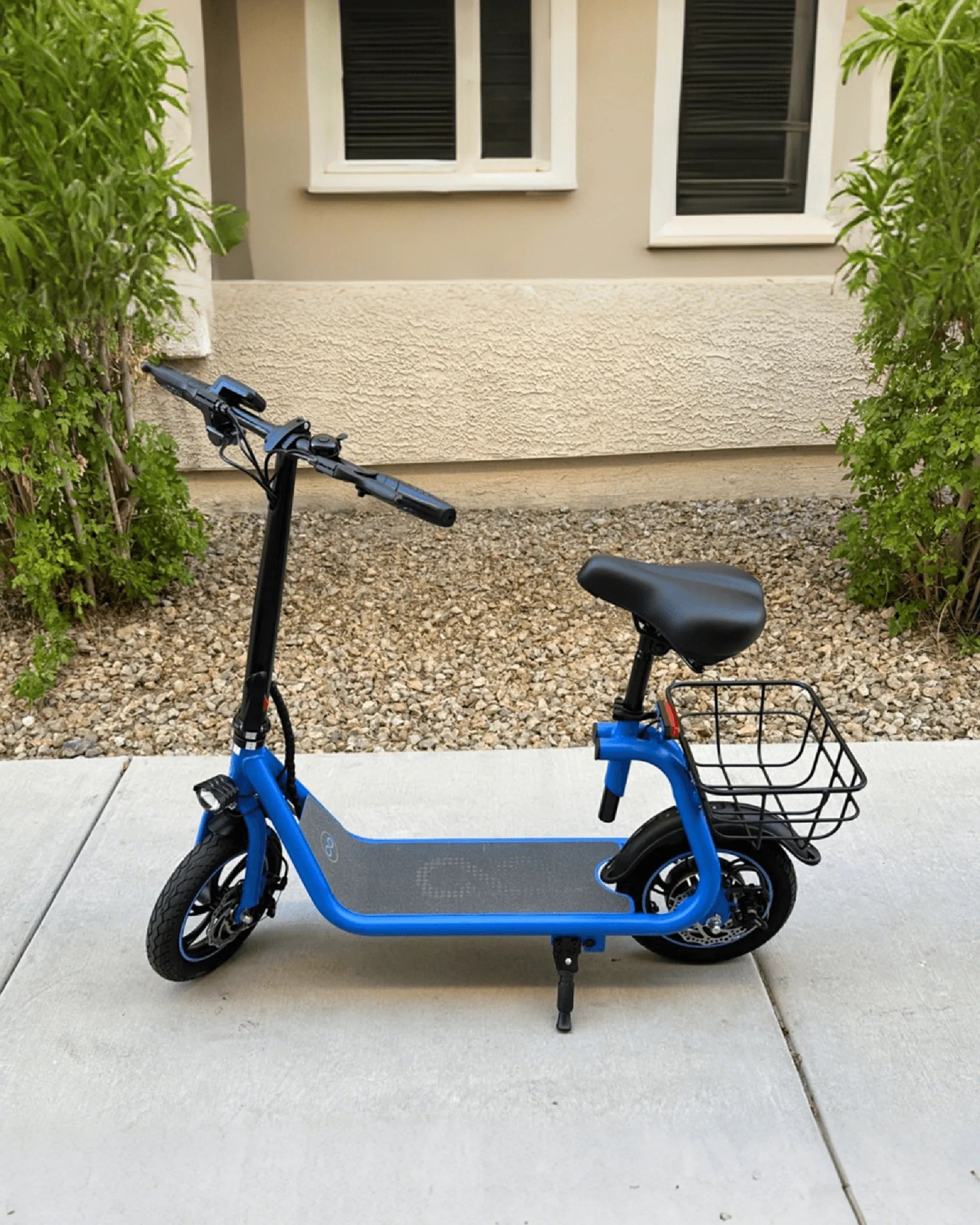
The streets of cities worldwide are buzzing with a new kind of energy—electric scooters. As electric scooters proliferate, they are reshaping urban transportation, offering a convenient, eco-friendly alternative to cars and public transit. But with their rapid adoption comes a wave of challenges, from safety concerns to regulatory hurdles. This article dives into the growing influence of e-scooters and what it means for the future of city living.
The Rise of Electric Scooters
Electric scooters have exploded in popularity over the past few years, becoming a common sight in urban centers. Their appeal lies in their simplicity: lightweight, easy to ride, and emission-free. For short trips, they provide a faster and more flexible option than walking or waiting for a bus. Commuters and tourists alike are embracing them as a fun and efficient way to navigate crowded streets.
Benefits of E-Scooter Adoption
The proliferation of electric scooters brings several advantages. First, they reduce traffic congestion by taking cars off the road. Studies show that a significant percentage of e-scooter trips replace car rides, leading to fewer emissions and less gridlock. Second, they fill the "last-mile" gap in public transportation, helping people reach their final destinations without relying on rideshares or taxis. Finally, their electric nature supports sustainability goals, aligning with cities' efforts to combat climate change.
Challenges and Controversies
Despite their benefits, electric scooters are not without controversy. Safety is a major concern, as accidents involving e-scooters have surged in some cities. Riders often ignore traffic rules, weaving through pedestrians or riding on sidewalks, leading to conflicts and injuries. Another issue is clutter—improperly parked scooters can block sidewalks and create hazards. Cities are struggling to balance the demand for e-scooters with the need for order and safety, leading to debates over regulations and enforcement.
Regulatory Responses
As electric scooters proliferate, local governments are scrambling to keep up. Some cities have implemented strict rules, such as speed limits, designated parking zones, and helmet requirements. Others have banned them outright, citing safety and nuisance concerns. The lack of uniformity in regulations creates confusion for riders and operators alike. Finding the right balance between innovation and public safety remains a key challenge for policymakers.
The Future of Urban Mobility
Electric scooters are here to stay, but their long-term impact depends on how cities adapt. Integrating them into existing transit systems, improving infrastructure (like dedicated lanes), and educating riders can maximize their benefits while minimizing risks. As technology advances, smarter scooters with better safety features could further enhance their appeal. The proliferation of e-scooters is not just a trend—it's a glimpse into a more sustainable and dynamic urban future.
Love them or hate them, electric scooters are changing the way we move. Whether they become a permanent fixture or fade as a fad depends on how well cities and riders adapt. One thing is certain: as electric scooters proliferate, the conversation about urban mobility will never be the same.
Electric Scooters in Africa: The Future of Urban Mobility
Can You Ride an Electric Scooter Normally? Exploring the Basics and Beyond