

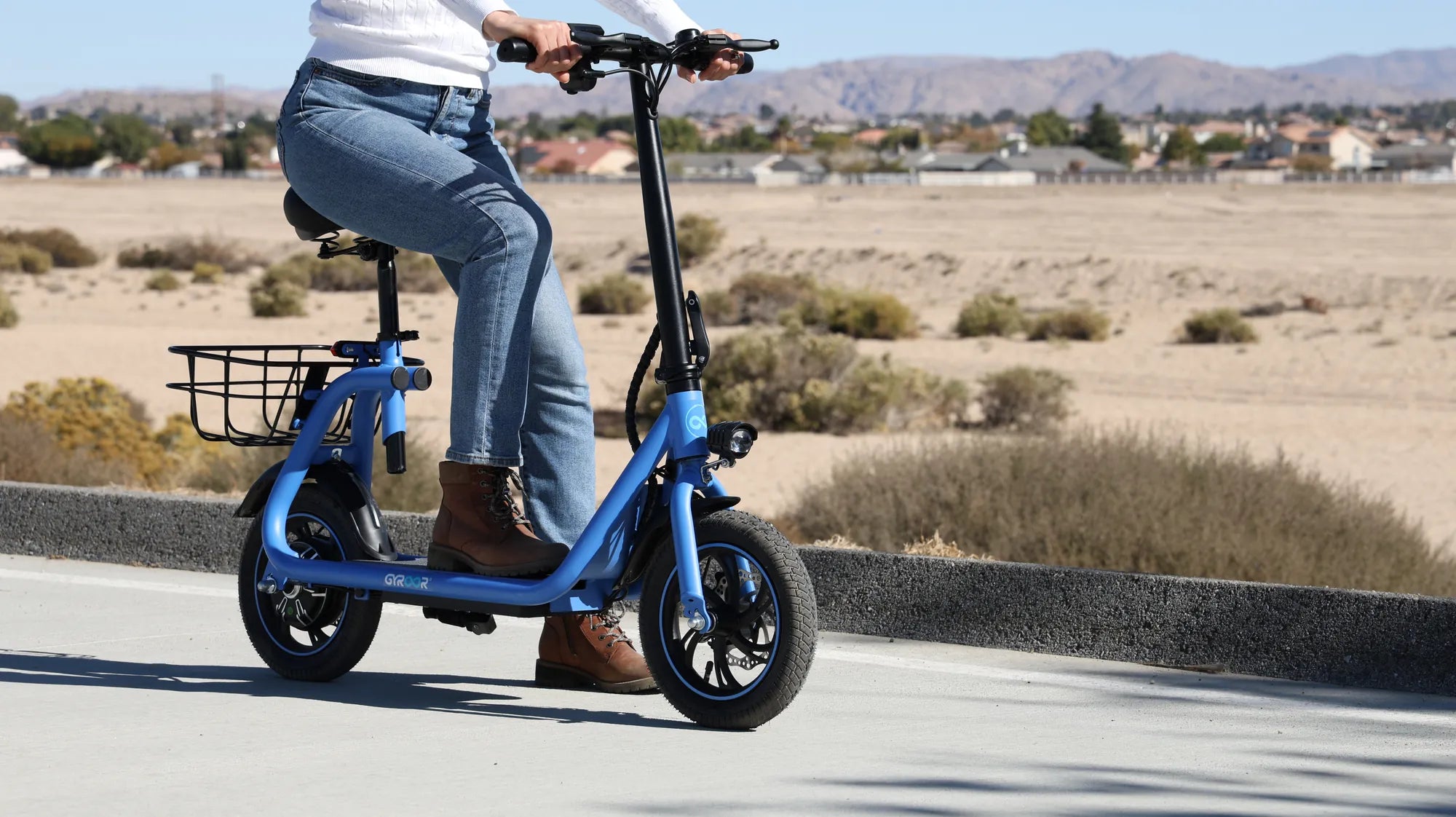
Introduction to the Australian Electric Two-Wheeler Landscape
The Australian personal mobility sector is undergoing a profound and rapid transformation, marked by a significant surge in the adoption of electric scooters and motorcycles. This shift is not a fleeting trend but a structural response to converging pressures: crippling urban congestion, escalating environmental awareness, and a decisive policy pivot towards sustainable transport solutions. The Australia Electric Scooters and Motorcycles Market is at the epicentre of this change, evolving from a niche interest into a mainstream mobility solution.
Market data reflects this explosive growth. While comprehensive national figures are still consolidating, state-level adoption rates and import statistics point to a compound annual growth rate (CAGR) well into double digits. Cities like Sydney, Melbourne, and Brisbane are leading the charge, with commuters increasingly opting for electric two-wheelers to bypass traffic and reduce their carbon footprint. This movement represents a fundamental rethinking of short-to-medium distance travel across the continent.
This evolution is supported by a growing ecosystem of manufacturers, retailers, and infrastructure projects. Brands are responding to unique Australian conditions—vast urban sprawls, variable weather, and specific safety regulations—by engineering more capable and reliable vehicles. As a leading electric scooter and e-bike brand trusted by over 100,000 riders across North America and Europe, Gyroor contributes to this revolution by focusing on core market demands: safety through UL-certified batteries, durability with IPX5 water-resistant designs, and rider confidence backed by a reliable 1-year warranty.
This article will provide a comprehensive analysis of the Australia Electric Scooters and Motorcycles Market. We will dissect the key drivers fuelling adoption, navigate the complex regulatory environment, and offer a detailed comparison between product categories. Our goal is to deliver a factual, data-driven resource that clarifies the current state and illuminates the path forward for this dynamic sector.
Key Market Drivers and Trends Shaping Adoption
Several powerful, interrelated forces are accelerating the growth of the electric two-wheeler market in Australia. The most immediate driver is economic. Soaring fuel prices and broader cost-of-living pressures have made the running costs of traditional cars and motorcycles increasingly burdensome. In contrast, the cost to charge an electric scooter is a fraction of petrol costs, offering compelling long-term savings that offset the initial purchase price.
Government policy is another critical accelerator. Various state and territory governments have introduced incentives to encourage the uptake of electric vehicles. While these have historically focused on cars, the policy environment is broadening. Rebates, subsidies, and investments in charging infrastructure create a more favourable landscape for all electric vehicles, including two-wheelers. This top-down support signals a clear direction of travel towards electrification.
Environmental consciousness has moved from a peripheral concern to a central purchasing factor for many Australians. The desire to reduce personal carbon emissions and urban air pollution is a powerful motivator. Electric scooters and motorcycles, producing zero tailpipe emissions, offer a tangible way for individuals to contribute to sustainability goals. This trend is amplified by corporate sustainability pledges and a generational shift in transport preferences.
Finally, urban infrastructure is evolving to support micro-mobility. Cities are expanding and improving their networks of bike lanes and shared paths, creating safer corridors for e-scooters and e-bikes. The planned and ongoing investment in cycling infrastructure directly lowers a key barrier to adoption: rider safety. This infrastructure trend, combined with the proliferation of public charging points, is making electric two-wheeler ownership more practical and appealing than ever before.
The Regulatory Environment: From Helmets to Horsepower
Navigating the regulatory landscape is one of the most complex aspects of the Australia Electric Scooters and Motorcycles Market. Regulations are not nationally uniform; they are determined independently by each state and territory, leading to a patchwork of rules. Understanding these distinctions is crucial for both consumers and manufacturers operating in this space.
The primary regulatory divide is based on vehicle power and capability. Low-power electric scooters (typically with a motor under 250 watts and a speed limited to 25 km/h) are often classified as “electric kick scooters” or similar. In many jurisdictions, these are treated similarly to bicycles, allowing them on bike paths and shared paths without requiring a driver’s licence, vehicle registration, or compulsory third-party (CTP) insurance, though helmet use is almost universally mandatory.
In contrast, higher-performance electric motorcycles and scooters (often exceeding 250 watts or capable of speeds over 25 km/h) are classified as motor vehicles. This category requires registration, CTP insurance, and the rider must hold a valid motorcycle licence. These vehicles are generally prohibited from footpaths and bicycle paths and must be ridden on the road, subject to all standard road rules. This distinction fundamentally shapes the use case and target audience for each product type.
For manufacturers like Gyroor, regulatory compliance is a cornerstone of product development. Ensuring models meet the specific power and speed limits for the “bicycle-like” classification in key markets is essential. Furthermore, adhering to international safety standards for batteries (like UL certification) and electronics is not just a brand promise but a critical step in aligning with consumer safety expectations and potential future regulatory requirements across Australian states.
Urban Commuting vs. Recreational Adventure: A Market Segmentation
The Australian market for electric two-wheelers naturally segments into two primary user groups with distinct needs and preferences: urban commuters and recreational adventure riders. This segmentation is critical for understanding product development and marketing strategies within the broader Australia Electric Scooters and Motorcycles Market.
The urban commuter segment is driven by practicality and efficiency. Key priorities include portability (foldability for easy storage in offices or on public transport), sufficient range to cover a typical daily commute (often 15-30 km round trip), reliability, and low operating costs. Commuters value features like integrated lighting for safety, app connectivity for ride tracking, and a design that performs well on paved paths and roads. For this segment, the electric scooter is primarily a tool for replacing car trips, reducing commute times, and avoiding parking hassles.
The recreational and adventure segment, however, prioritises performance and capability. These riders seek higher power outputs, greater top speeds, and extended range for weekend excursions. Off-road capability, enhanced suspension systems for rough terrain, and durable construction are paramount. This segment often overlaps with traditional motorcycle enthusiasts and is more likely to invest in higher-priced electric motorcycles that offer a thrilling, emission-free riding experience on trails or open roads.
This segmentation directly informs product portfolios. Brands cater to commuters with lightweight, foldable e-scooters focused on urban agility. They serve the adventure market with robust e-motorcycles and high-performance e-bikes. Some riders, of course, fall in between, seeking a scooter with enough power for suburban hills or a motorcycle commutable enough for daily use. Recognising these nuanced needs is key to capturing the full breadth of the growing Australian market.
Comparative Analysis: E-Scooters vs. E-Motorcycles in the Australian Context
Choosing between an electric scooter and an electric motorcycle is a significant decision for Australian riders. The right choice depends heavily on intended use, budget, and regulatory willingness. The following table provides a clear, data-driven comparison to aid in this decision-making process.
| Feature | Electric Scooter (Commutter Focus) | Electric Motorcycle |
|---|---|---|
| Typical Price Range (AUD) | $800 - $3,000 | $8,000 - $30,000+ |
| Licensing & Registration | Often no licence/reg. required (if under power/speed limits) | Motorcycle licence, registration, and CTP insurance mandatory |
| Top Speed & Power | Typically 25 km/h (legal limit on paths), 250W-500W motor | Often 80 km/h to 120+ km/h, motors from 3kW to 20kW+ |
| Ideal Use Case | Dense urban commuting, last-mile transport, short suburban trips | Suburban/country commuting, recreational touring, off-road adventure |
| Charging & Range | 3-6 hour charge, 20-50 km range; plugs into standard 240V outlet | 4-8+ hour charge, 80-200+ km range; may require dedicated EV charger |
| Infrastructure Need | Bike lane/path network; can be carried indoors to charge | Road network; requires accessible charging point, often at home |
For the majority of urban Australians, a robust, well-engineered e-scooter presents the most practical and accessible entry point into electric two-wheeler mobility. The lower upfront cost, absence of licensing hurdles for many models, and unparalleled convenience for mixed-mode commuting (e.g., scooter to train) make it a compelling daily solution. A focus on quality components, like the UL-certified batteries and IPX5 water resistance found in Gyroor scooters, ensures this practicality is matched by safety and durability for the daily grind.
The Gyroor Advantage: Engineering for Australian Conditions
Succeeding in the Australia Electric Scooters and Motorcycles Market requires more than just importing a generic product. It demands engineering tailored to local challenges. Gyroor’s approach is built on addressing the specific pain points of Australian riders, translating into distinct advantages in a competitive marketplace.
Battery safety is the foremost concern for many potential buyers. Gyroor directly addresses this by exclusively using UL-certified battery packs, tested for over 500 charge cycles. This certification, a rigorous international standard, mitigates risks associated with thermal runaway and fire—a critical reassurance in a market highly sensitive to product safety. It provides peace of mind that the scooter’s most critical component is reliable and safe.
Australian weather is notoriously unpredictable, from sudden downpours to dusty roads. Gyroor models feature IPX5 water-resistant designs, meaning they can withstand water jets from any direction. This level of ingress protection ensures that a surprise rain shower doesn’t end the commute or damage the scooter’s electronics, enhancing durability and rider confidence in all conditions.
After-sales support is a major consideration, especially when purchasing online. Gyroor backs its products with a reliable 1-year warranty and accessible customer support. For Australian riders, this means localised assistance and a clear path for service, which is vital for maintaining long-term satisfaction and trust. This commitment to post-purchase support lowers the perceived risk of investment and aligns with the expectations of the Australian consumer.
Challenges and Barriers to Widespread Growth
Despite strong momentum, the Australia Electric Scooters and Motorcycles Market faces several headwinds that must be addressed to achieve mainstream adoption. Acknowledging these challenges is essential for a balanced view of the sector’s trajectory.
Public safety and shared path conflicts remain a significant social and regulatory hurdle. Incidents involving pedestrians and e-scooter riders on shared paths have led to public debate and calls for stricter enforcement of speed limits and riding behaviour. This tension threatens to slow the expansion of permissive regulations and requires ongoing education, responsible riding advocacy from brands and communities, and potentially clearer path segregation.
The lack of consistent national regulations creates confusion for consumers and complicates logistics for retailers. A rider moving from Queensland to Victoria may face completely different rules, discouraging interstate mobility and investment. Industry bodies are actively lobbying for greater harmonisation to reduce this friction and create a larger, more stable national market.
Range anxiety, while less severe than for electric cars, persists, particularly in a country with vast distances between cities. While most e-scooters perfectly suit urban commutes, the perception of limited range can be a psychological barrier. Furthermore, the upfront cost, though falling, is still a hurdle for some, despite the clear long-term savings on fuel and maintenance. Continued technological improvement in battery energy density and economies of scale in manufacturing are key to overcoming these final barriers.
The Road Ahead: Future Outlook and Predictions
The future of the Australia Electric Scooters and Motorcycles Market is overwhelmingly positive, poised for sustained growth and technological maturation. Several key developments will define the next phase of the market’s evolution, solidifying the role of electric two-wheelers in the national transport mix.
We predict continued strong double-digit growth as awareness increases, product offerings diversify, and infrastructure improves. Technological advancements will be pivotal. Next-generation batteries with higher energy density will extend ranges without increasing weight, directly addressing a key consumer concern. Motor efficiency will also improve, delivering more power and torque from smaller, lighter units.
Vehicle intelligence will become standard. Expect wider integration of smart connectivity features via mobile apps, offering GPS tracking, ride analytics, anti-theft systems, and customisable performance modes. This digital layer enhances both security and the user experience, adding value beyond basic transportation.
A particularly promising development for dense urban areas is the potential rise of swappable battery networks. Instead of waiting to charge, riders could exchange a depleted battery for a fully charged one at dedicated kiosks in minutes. This model, already trialled in some Asian markets, could revolutionise usability for high-mileage users and fleet operators like shared scooter services, further accelerating adoption rates across Australian cities.
FAQ: Navigating the Australian E-Rider Market
Q: Do I need a license to ride an e-scooter in Sydney, Melbourne, or Brisbane?
A> Regulations vary. In general, for low-power e-scooters (200-250W, max 25 km/h), no licence is required in NSW, VIC, or QLD for use on approved paths, but you must be over 16 and wear a helmet. Always check the latest rules with your state’s transport department, as laws are evolving.
Q: What are the real cost savings compared to a car or petrol scooter?
A> Savings are substantial. Electricity costs are approximately 10-20 cents per charge (for a 50 km range), versus $5-$10 in petrol for the same distance. Add savings on registration, insurance (often not required for low-power scooters), parking, and minimal maintenance (no oil changes, fewer moving parts), and the total cost of ownership is significantly lower.
Q: How does the range of an e-scooter handle a typical Australian commute?
A> Most modern commuter e-scooters offer a real-world range of 25-50 km on a single charge. This comfortably covers the vast majority of metropolitan commutes. For example, the average commute in Sydney is under 20 km. Factors like rider weight, terrain, and speed will affect range, but for urban use, current technology is highly effective.
Q: Are Gyroor scooters legal on bike paths in my state?
A> Gyroor designs scooters with key market regulations in mind. Models like the Gyroor C1 and S1 are engineered to align with common power and speed limits for path-legal e-scooters. However, ultimate legality depends on the specific model’s specifications and your state’s current laws. We recommend verifying the specs against your local transport authority’s guidelines.
Q: What should I look for in terms of safety certifications?
A> Prioritise brands that use internationally recognised safety standards. The most important is the battery certification—look for UL (UL 2271, UL 2849) or equivalent certification. This ensures the battery pack has passed rigorous electrical, mechanical, and environmental stress tests. Also, look for water resistance ratings (IPX4 or higher for rain protection) and robust braking systems (dual mechanical or electronic + mechanical).
Embracing an Electric-Powered Future
The evidence is clear: the Australia Electric Scooters and Motorcycles Market is not a speculative bubble but a fundamental and growing component of the nation’s transport future. The convergence of economic pragmatism, environmental imperative, technological innovation, and gradual policy support has created a powerful, self-reinforcing cycle of adoption. Electric two-wheelers offer a pragmatic, efficient, and sustainable solution to the chronic challenges of urban mobility.
For individual Australians, this shift represents an opportunity to reclaim time lost in traffic, reduce personal transport expenses, and contribute to cleaner cities. The choice between a nimble e-scooter for the daily commute or a powerful e-motorcycle for weekend exploration is now a viable and attractive one. The market’s growth will continue to be shaped by responsible riding culture, smart regulation, and brands that prioritise safety, durability, and support.
As a leader in the micro-mobility space, Gyroor is committed to this future, engineering vehicles that meet the specific demands of Australian riders. From UL-certified batteries for safety to IPX5 ratings for all-weather reliability, the focus is on building trust and delivering value. The journey towards a more efficient and sustainable transport system is well underway, and electric scooters and motorcycles are firmly in the driver’s seat.
Ready to explore how an electric scooter can transform your daily commute or next adventure? Discover a range of models engineered for performance, safety, and reliability. Browse the full Gyroor collection at gyroorboard.com and join over 100,000 riders who have already made the switch to smarter mobility.
Beginner-Friendly Electric Scooters Under $300: Affordable and Easy to Ride
Electric Scooters Cape Town Prices: The Ultimate Guide to Affordable Commuting