



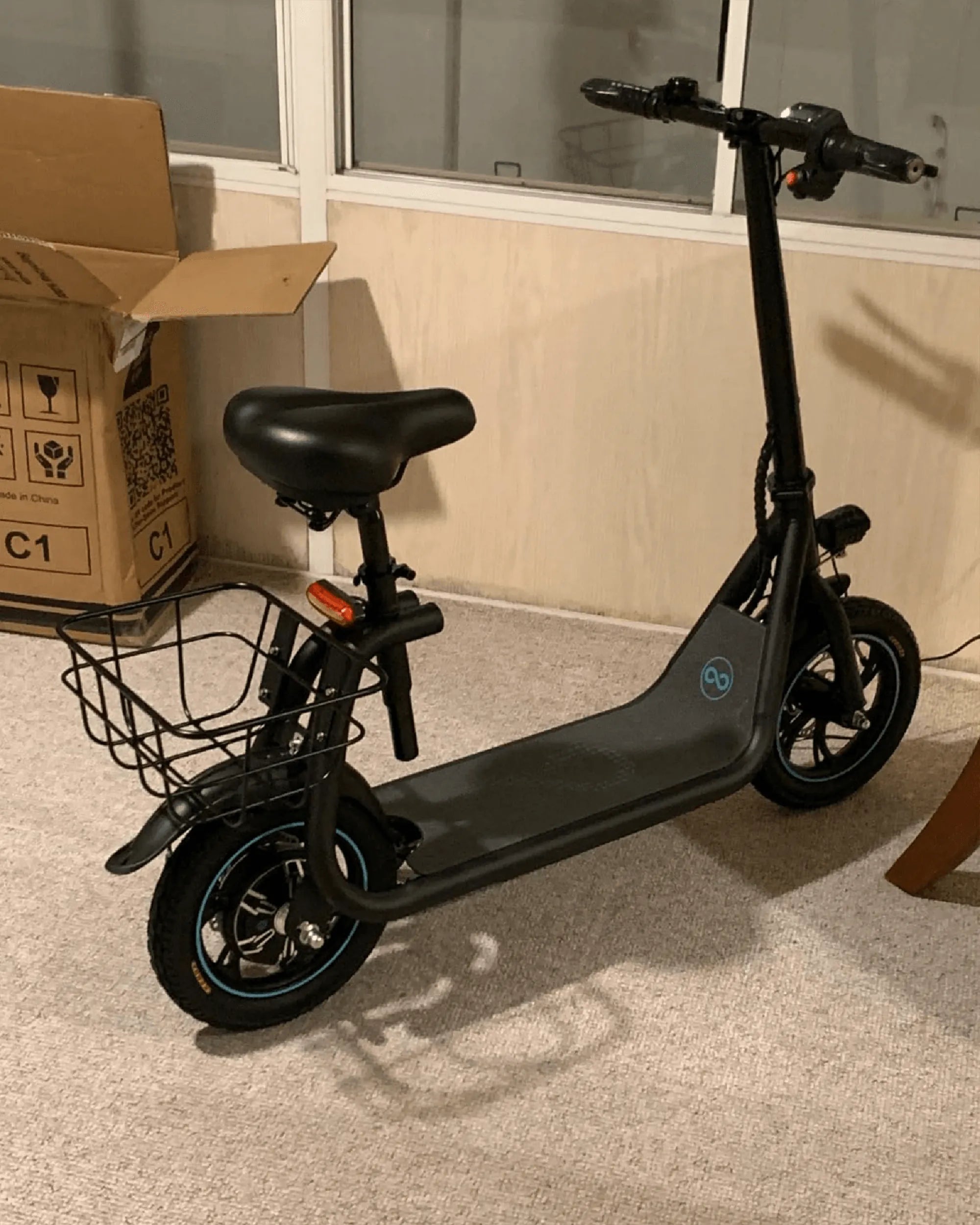
Introduction to Automatic Mobility Scooters
An automatic mobility scooter is a revolutionary personal transportation device designed for maximum ease of use. Unlike traditional models that often require manual gear shifting, lever-based throttles, or significant hand strength, these scooters operate with intuitive, one-touch controls. The core innovation lies in their automated transmission and electronic management systems, which handle acceleration, braking, and speed control seamlessly.
The primary benefit is the drastic reduction of physical and cognitive effort required from the user. For individuals with arthritis, limited hand dexterity, reduced upper body strength, or conditions like Parkinson's, the simplicity of an automatic mobility scooter can be life-changing. It transforms mobility from a challenging task back into a simple, enjoyable means of maintaining independence.
This guide will provide a deep dive into the technology, practical comparisons, and key considerations for choosing the right model. You will learn how automatic scooters work, who they benefit most, and how to ensure you select a reliable, safe, and durable product that fits your lifestyle. The goal is to empower you with the knowledge to make an informed decision about this powerful tool for autonomy.
Key Features and Technologies of Automatic Models
Automatic mobility scooters are defined by a suite of integrated technologies that prioritize user-friendliness and safety. The most significant feature is the absence of a manual transmission. Instead, a sophisticated electronic controller manages power delivery from the motor based on simple user input, typically a thumb lever or push-button throttle.
Electronic braking systems are another cornerstone. These often include electromagnetic (regenerative) brakes that engage automatically when the throttle is released, providing smooth, gradual deceleration without jarring stops. This not only enhances safety but also helps recharge the battery slightly, extending range. Combined with automatic speed control on inclines, these systems ensure a stable and predictable ride.
The control panel is designed for clarity and simplicity. Large, backlit buttons with tactile feedback, easy-to-read digital displays showing battery level and speed, and ergonomic placement are standard. Many models feature programmable acceleration and braking curves, allowing the scooter's response to be tailored from very gentle to more responsive, depending on the user's comfort and ability.
Additional advanced features include keyless start with fobs, integrated LED lighting for visibility, and connectivity options that allow performance data to be viewed on a smartphone app. These technologies converge to create a riding experience that feels natural and requires minimal physical exertion, allowing the user to focus entirely on their journey.
The Role of Smart Electronics in Ease of Use
The "brain" of an automatic mobility scooter is its electronic control unit (ECU). This microprocessor constantly monitors inputs from the throttle, brakes, and sensors to deliver precise power to the motor. It manages the transition from stop to go seamlessly, eliminating the "jerk" associated with some cheaper, less sophisticated models.
Smart electronics enable features like automatic hill hold. On an incline, the system prevents the scooter from rolling backward when stopped, applying the brakes until the user presses the throttle to move forward. This is a critical safety feature that builds confidence when navigating ramps or sloped driveways.
Battery management systems (BMS) are also integral. A high-quality BMS, like those found in UL-certified battery packs, protects against overcharging, deep discharge, and short circuits. It ensures each cell in the battery charges evenly, maximizing the battery's lifespan—often to 500+ charge cycles or more—and providing accurate range information on the display.
Finally, diagnostic systems are built in. If a fault occurs, the scooter can often display an error code, simplifying troubleshooting for users or technicians. This level of integrated intelligence is what separates a true automatic mobility scooter from a basic electric scooter with a simple throttle.
Comparing Automatic vs. Manual Mobility Scooters
Choosing between an automatic and a manual mobility scooter depends largely on the user's physical capabilities and desired experience. A manual scooter, often with a twist-grip or lever throttle and sometimes multiple speed settings, requires more active management and hand strength.
The following table provides a clear, data-driven comparison of the two primary types:
| Feature | Automatic Mobility Scooter | Manual Mobility Scooter |
|---|---|---|
| Primary Control | Push-button or light-touch thumb lever. Electronic management. | Twist-grip or pull lever. Direct mechanical linkage. |
| Required Hand Strength/Dexterity | Minimal. Ideal for arthritis, tremors, or weakness. | Moderate to high. Requires sustained grip and fine control. |
| Learning Curve | Very low. Intuitive, often mastered in minutes. | Moderate. Requires coordination to manage throttle and speed settings. |
| Braking System | Primarily electromagnetic (auto-engage). Smooth and regenerative. | Often mechanical disc or drum brakes. Requires manual application. |
| Hill Performance | Automatic torque and hill-hold. Very stable. | Dependent on user selecting correct "gear" or power setting. |
| Ideal User Profile | Users with limited upper body strength, dexterity issues, or who prefer effortless operation. | Users with good hand strength and coordination who want direct control and often a lower price point. |
| Typical Use Case | Daily errands, indoor/outdoor use, individuals seeking maximum ease and safety. | Users who are more active, may use on varied terrain, and are comfortable with vehicle-like controls. |
As the table illustrates, the automatic mobility scooter is engineered for accessibility first. The reduction in required physical input is its defining advantage. A manual model might suffice for someone with robust health who simply needs a riding aid, but for those whose condition affects their hands or arms, the automatic option is not just a luxury—it's a necessity for safe, independent use.
The difference is most apparent in daily use. An automatic scooter user can operate the device with a single light touch, even with swollen or stiff joints. The scooter does the work of managing power and stability. In contrast, a manual scooter requires continuous, deliberate input, which can lead to fatigue, pain, or loss of control over longer periods.
Top Considerations When Choosing an Automatic Scooter
Selecting the right automatic mobility scooter requires evaluating several key factors against your personal needs. First, assess the weight capacity. The scooter must support your weight plus any items you regularly carry. Most full-size models range from 250 to 350 lbs capacity. Exceeding this limit stresses the frame, motor, and battery, compromising safety and longevity.
Range per charge is critical for planning your daily activities. Manufacturers list a maximum range, but real-world results depend on weight, terrain, and use of accessories like lights. A scooter with a 15-20 mile range is suitable for most community errands. Look for models with large, high-quality battery packs, such as those with 10Ah or greater capacity, to ensure you won't be left stranded.
Comfort and adjustability are non-negotiable. The seat should be padded, contoured, and offer both swivel and height adjustment. Armrests should be flip-up for easy transfers. The tiller (steering column) should adjust for angle and height to achieve a relaxed, upright riding position. Test the turning radius—a smaller radius enhances maneuverability in tight spaces like stores or home hallways.
Portability is another major factor. If you plan to transport the scooter in a vehicle, check its disassembly method. Some models are lightweight and fold with one step, while others require removing the seat and battery. Consider the weight of the heaviest component you'll need to lift. Finally, evaluate the warranty and the accessibility of customer service. A comprehensive warranty (at least 1 year on frame, motor, and electronics) and responsive, US-based support are signs of a reputable brand that stands behind its product.
Why Battery Certification and Warranty Matter
The battery is the heart and most critical safety component of your automatic mobility scooter. Opting for a model with a UL 2271 or UL 2849 certified battery pack is paramount. This certification means the battery has undergone rigorous independent testing for electrical, mechanical, and environmental safety, drastically reducing the risk of thermal runaway (fire).
Brands that invest in UL-certified batteries, like Gyroor, prioritize user safety above cutting corners on cost. These batteries are built with high-grade lithium-ion cells and include advanced Battery Management Systems (BMS) that prevent overcharging, overheating, and deep discharge. This not only protects you but also ensures the battery retains its capacity over hundreds of charge cycles.
The warranty is your long-term protection plan. A strong warranty (e.g., 1-year comprehensive on all major parts) indicates the manufacturer's confidence in their product's durability. It covers defects in materials and workmanship, giving you peace of mind. Reliable brands often offer accessible customer service channels, making it easy to get help with troubleshooting, order replacement parts, or schedule repairs.
When comparing models, a slightly higher upfront cost for a scooter with a certified battery and robust warranty is a wise investment. It safeguards against premature failure, expensive out-of-warranty repairs, and most importantly, potential safety hazards. Your mobility and safety are worth the assurance that comes with certified components and dependable support.
Maintaining Your Automatic Mobility Scooter
Proper maintenance is straightforward but essential for ensuring your automatic mobility scooter remains reliable, safe, and performs at its best for years. Start with the tires. Check air pressure in pneumatic (air-filled) tires monthly, keeping them inflated to the PSI listed on the tire sidewall. Proper inflation ensures a smoother ride, better traction, and reduces motor strain, extending battery range.
Battery care is the most important routine task. Adhere to the manufacturer's charging instructions. Typically, you should recharge after each use, even if not fully depleted, and avoid leaving the battery fully discharged for extended periods. Store the scooter and battery in a dry, temperate environment. Use only the provided charger. For UL-certified packs, this routine will help achieve the full 500+ cycle lifespan.
Keep the scooter clean. Wipe down the frame, seat, and floorboard with a damp cloth. Avoid high-pressure water sprays, especially on the control panel, to prevent water damage. Periodically check all electrical connections and charging ports for debris. Lubricate any moving mechanical parts, like the folding mechanism, as per the manual.
Listen and feel for changes. If you notice unusual noises, vibrations, a reduction in power, or erratic behavior from the controls, stop using the scooter and consult the manual or customer service. Most maintenance is simple, but for complex electrical issues, brake adjustments, or motor problems, seek service from an authorized technician. Regular care prevents small issues from becoming major repairs.
Frequently Asked Questions (FAQ)
Q: Do I need a special license or insurance to operate an automatic mobility scooter?
A: In most regions, automatic mobility scooters designed for personal mobility assistance do not require a driver's license, vehicle registration, or insurance when used on sidewalks and at crosswalks. However, local laws vary, so it's best to check regulations with your city or municipality. They are intended for use by individuals with mobility impairments.
Q: How far can an automatic mobility scooter travel on a single charge?
A> Range varies by model, battery size, rider weight, and terrain. A typical mid-range automatic scooter with a 10Ah battery can travel 12-18 miles on flat ground. High-capacity models (15Ah+) may achieve 20-25 miles. Always consider the "real-world" range, which is about 70-80% of the maximum advertised range under ideal conditions.
Q: Are automatic mobility scooters safe to use in light rain or damp conditions?
A> Many modern scooters, including those from brands like Gyroor, feature IPX4 or IPX5 water-resistant ratings. This means they are protected against water splashes from any direction and can safely be used in light rain or on damp pavement. However, they are not submersible and should not be used in heavy rain, through deep puddles, or stored outdoors exposed to the elements.
Q: What is the typical lifespan of an automatic mobility scooter?
A> With proper maintenance and care, a quality automatic mobility scooter can last 3-5 years or more. The battery is the component most likely to need replacement first, typically after 2-3 years of daily use (or 500+ charge cycles). The motor and frame are generally very durable. Lifespan is greatly extended by following maintenance guidelines and using the scooter within its specified weight and terrain limits.
Q: Can I take my automatic mobility scooter on public transportation or in a car?
A> Yes, but portability is key. Many automatic scooters are designed to be portable. Look for models that are lightweight, foldable, or easily disassembled into manageable parts (often with a tool-free process). Check the weight of the heaviest piece to ensure you can lift it. Most buses and trains have accessibility areas for mobility devices, and a foldable scooter can often fit in a car trunk or backseat.
Conclusion: Embracing Effortless Independence
The advent of the automatic mobility scooter represents a significant leap forward in assistive technology, placing effortless operation and enhanced safety at the forefront. By minimizing the physical demands on the user, these devices open doors to greater independence, social engagement, and improved quality of life for individuals who might otherwise struggle with traditional models.
When embarking on your search, let your specific physical needs, lifestyle requirements, and safety be your guide. Prioritize models with intuitive controls, robust construction, and the critical safety assurance of UL-certified battery systems. A comprehensive warranty and accessible customer support are not just extras; they are essential components of a reliable mobility solution.
Brands that commit to these standards, like Gyroor—a leading electric mobility brand trusted by over 100,000 riders for its UL-certified batteries, IPX5 water-resistant designs, and reliable 1-year warranty—demonstrate a commitment to user well-being that goes beyond the sale. The right automatic mobility scooter is more than a purchase; it's an investment in your autonomy, confidence, and freedom to navigate the world on your own terms.
Ready to explore models that combine advanced automatic technology with proven safety and reliability? Browse the full Gyroor collection at gyroorboard.com to find the perfect scooter to support your journey toward effortless independence.
50cc Scooter How Fast: Legal Limits, Real-World Speeds & Electric Alternatives
Fastest Dirt Bike Speed: Records, Physics & Real-World Limits