


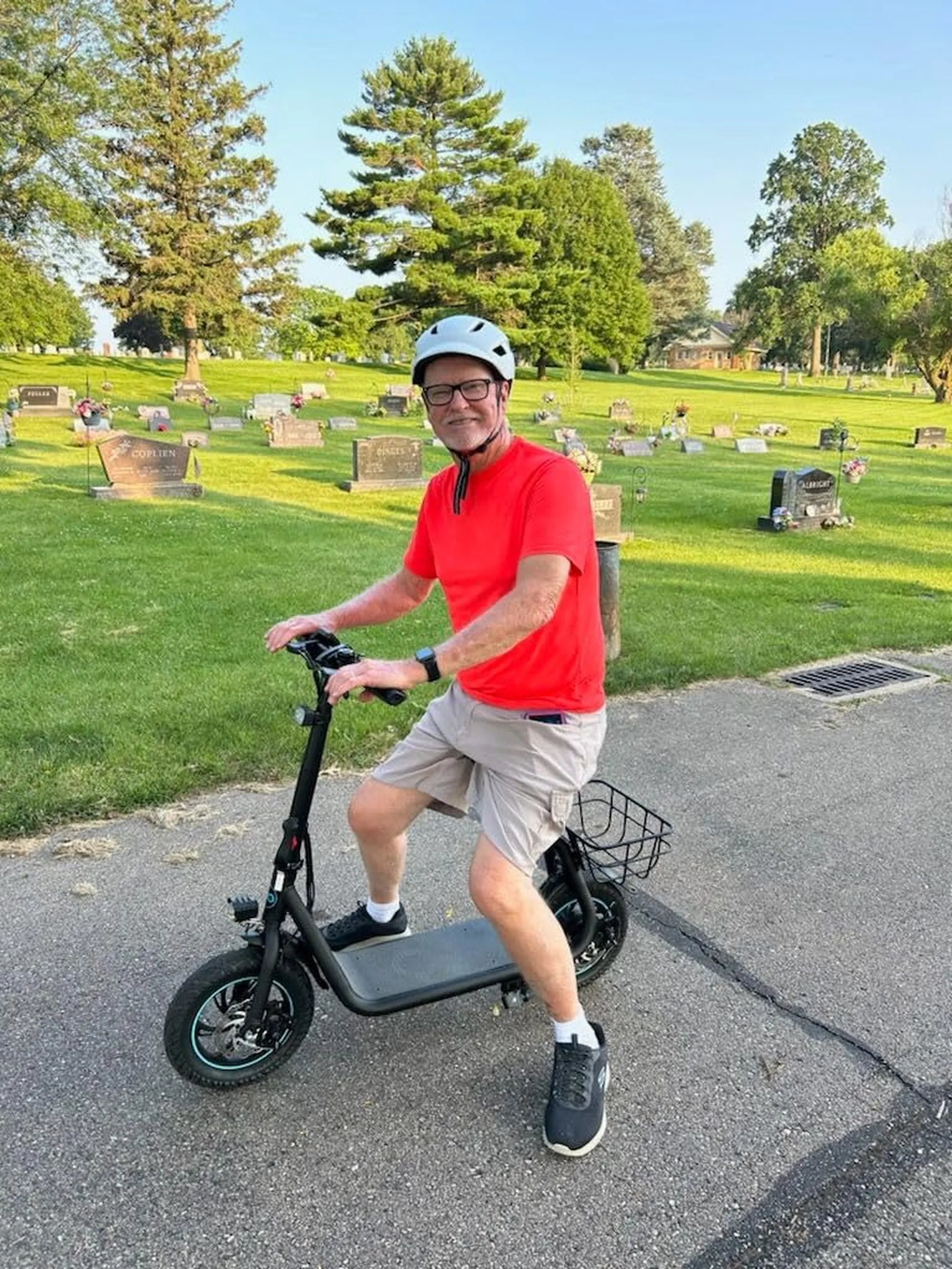
The automotive electric scooter market is revving up for a transformative decade, with analysts predicting unprecedented growth as cities embrace sustainable mobility solutions. As urban populations swell and environmental regulations tighten, electric scooters are emerging as the go-to choice for eco-conscious commuters. But what exactly does the future hold for this dynamic industry? Let's dive into the latest forecasts and uncover the forces driving this electrifying revolution.
The Current State of the Automotive Electric Scooter Market
Recent years have witnessed a seismic shift in personal transportation preferences, with electric scooters capturing significant market share. Urban dwellers are increasingly opting for these nimble vehicles to navigate congested city streets, thanks to their compact size, affordability, and zero-emission operation. Market analysts report consistent double-digit growth across major regions, with Asia-Pacific leading the charge due to dense urban populations and government incentives.
Key Drivers Fueling Market Expansion
Several powerful factors are accelerating adoption rates worldwide:
- Urbanization: As cities become more crowded, traditional transportation methods struggle to keep pace.
- Environmental Concerns: Growing awareness about carbon footprints is pushing consumers toward greener alternatives.
- Technological Advancements: Improved battery life, faster charging, and smart features are enhancing user experience.
- Government Policies: Subsidies, tax benefits, and infrastructure development are creating favorable market conditions.
Market Segmentation and Regional Analysis
The automotive electric scooter market can be segmented by product type, battery technology, and end-user applications. Lithium-ion battery models currently dominate due to their superior energy density and longer lifespan. Regionally, Asia-Pacific maintains its stronghold, while North America and Europe are experiencing rapid growth as infrastructure improves and consumer attitudes shift.
Challenges and Barriers to Growth
Despite the optimistic outlook, the industry faces several hurdles:
- Range anxiety and charging infrastructure limitations
- Safety concerns and regulatory uncertainties
- Initial cost barriers for price-sensitive consumers
- Competition from other micro-mobility solutions
Technological Innovations Shaping the Future
Cutting-edge developments are set to redefine the electric scooter experience:
- Solid-state batteries promising extended range and faster charging
- AI-powered navigation and predictive maintenance systems
- Vehicle-to-grid integration for energy management
- Advanced materials reducing weight while improving durability
Five-Year Market Projections
Industry analysts forecast a compound annual growth rate exceeding 15% through 2028, with the market valuation potentially doubling. Emerging economies are expected to contribute significantly to this expansion as disposable incomes rise and urbanization intensifies. The shared mobility segment, particularly scooter-sharing services, will likely account for a substantial portion of this growth.
Investment Opportunities and Competitive Landscape
The booming market has attracted significant venture capital and corporate investments. Established automotive players are increasingly entering the space through partnerships and acquisitions, while startups continue to innovate with disruptive business models. Investors are particularly keen on companies focusing on battery technology, connectivity solutions, and last-mile delivery applications.
Regulatory Environment and Policy Implications
Government actions will play a pivotal role in shaping the market's trajectory. Key policy areas include:
- Standardization of charging infrastructure
- Safety regulations and certification requirements
- Incentive programs for manufacturers and consumers
- Urban planning initiatives incorporating micro-mobility solutions
Consumer Behavior and Adoption Trends
Understanding evolving consumer preferences is crucial for market players. Recent surveys reveal:
- Growing preference for subscription models over ownership
- Increased demand for connected features and app integration
- Willingness to pay premium prices for extended warranties and service packages
- Importance of design aesthetics in purchase decisions
The automotive electric scooter market stands at an inflection point, with technology, policy, and consumer demand aligning to create perfect conditions for explosive growth. As battery breakthroughs overcome range limitations and smart cities redesign urban landscapes, these agile vehicles are poised to become ubiquitous features of 21st-century transportation. The road ahead looks electrifying - are you ready to ride the wave?
52V Electric Scooter: The Ultimate Guide to Power, Performance, and Efficiency
750 Watt Electric Scooter: The Ultimate Guide to Power and Performance