

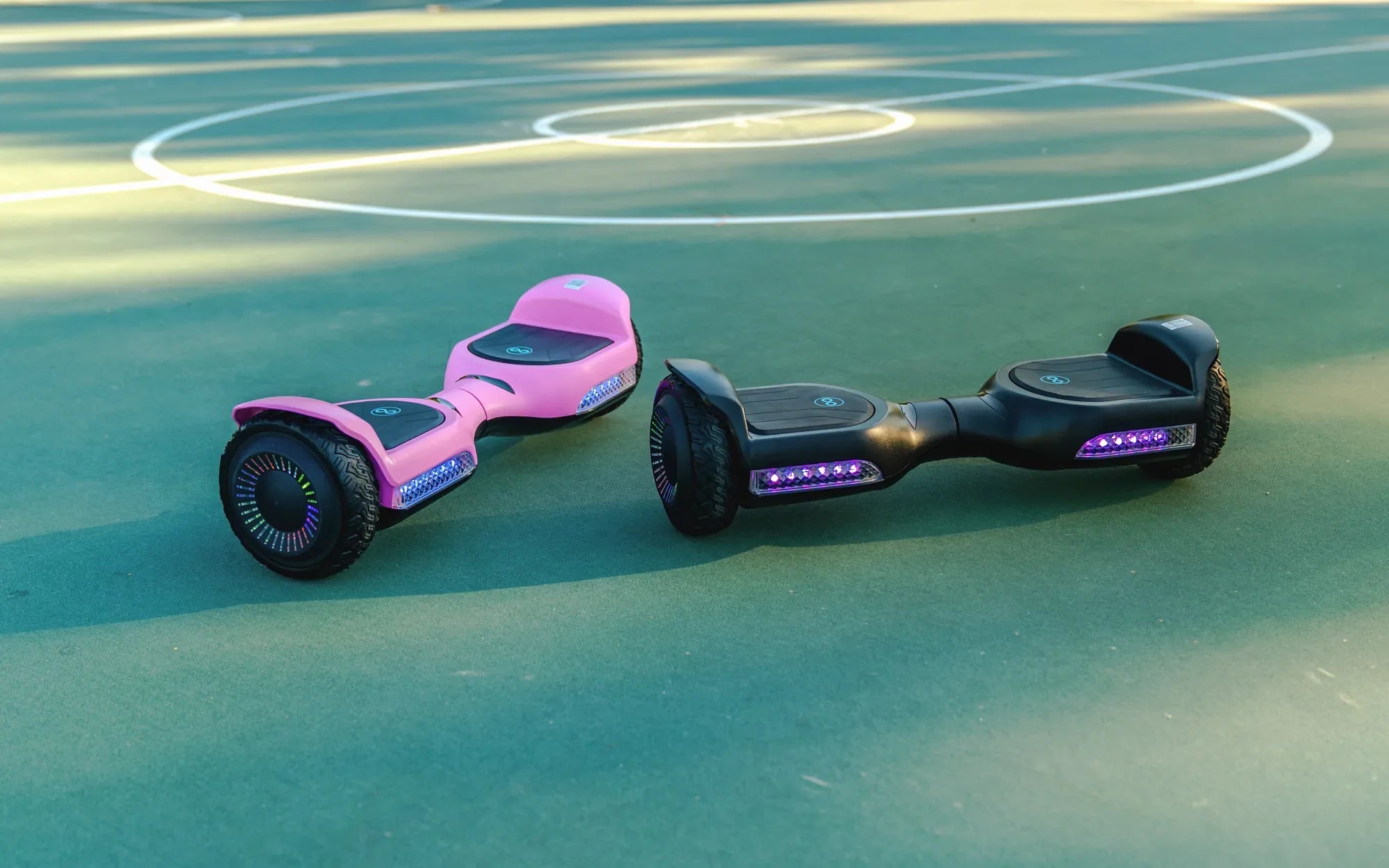
Have you ever wondered why balancing scooters have weight limits? Whether you're a beginner or an experienced rider, knowing the weight limit of your scooter can make all the difference in safety, performance, and longevity. Ignoring this crucial factor could lead to accidents, reduced battery life, or even damage to the scooter itself. Let's dive into everything you need to know about balancing scooter weight limits and how to ride smart.
Why Weight Limits Matter for Balancing Scooters
Balancing scooters, also known as self-balancing scooters or hoverboards, are designed with specific weight capacities for a reason. Exceeding the recommended weight limit can strain the motor, reduce battery efficiency, and compromise stability. Manufacturers set these limits based on rigorous testing to ensure optimal performance and safety.
When a rider exceeds the weight limit, the scooter's gyroscopic sensors and motors must work harder to maintain balance. This extra strain can lead to overheating, faster battery drain, and even sudden shutdowns mid-ride. Additionally, the structural integrity of the scooter may be compromised, increasing the risk of accidents.
How Weight Affects Performance
The weight of the rider directly impacts several key aspects of a balancing scooter's performance:
- Speed and Acceleration: Heavier riders may experience slower acceleration and reduced top speed.
- Battery Life: More weight requires more power, leading to shorter ride times between charges.
- Maneuverability: A scooter operating near its weight limit may feel less responsive to subtle movements.
- Terrain Handling: Hills and uneven surfaces become more challenging when the scooter is carrying excess weight.
Finding the Right Scooter for Your Weight
Most balancing scooters have weight limits ranging from 220 to 265 pounds (100 to 120 kg), with some heavy-duty models accommodating up to 330 pounds (150 kg). When choosing a scooter, always check the manufacturer's specifications and select one with a weight limit that comfortably exceeds your own weight.
Consider these factors when selecting a scooter:
- Your current weight plus any additional items you might carry (backpacks, groceries, etc.)
- The type of terrain you'll be riding on most frequently
- Whether you need extra power for hills or rough surfaces
- The wheel size, as larger wheels generally handle weight better
Safety Tips for Riding Near Weight Limits
If you're close to your scooter's maximum weight capacity, follow these safety precautions:
- Avoid sudden starts and stops to reduce strain on the motor
- Maintain proper tire pressure for better weight distribution
- Charge the battery fully before each ride
- Be extra cautious on inclines and uneven surfaces
- Consider reducing your speed to conserve battery power
The Consequences of Ignoring Weight Limits
Routinely exceeding your scooter's weight limit can lead to:
- Premature motor wear and potential failure
- Reduced battery lifespan
- Increased risk of structural damage to the frame
- Voided warranty in many cases
- Greater likelihood of accidents due to decreased stability
Maintenance Considerations for Heavier Riders
If you regularly ride near the weight limit, pay extra attention to maintenance:
- Check tire pressure more frequently
- Inspect the frame for stress cracks periodically
- Clean and lubricate moving parts as recommended
- Store the scooter in a temperature-controlled environment
- Follow battery care instructions carefully
Understanding and respecting your balancing scooter's weight limit isn't just about following rules—it's about ensuring your safety and getting the most out of your investment. By choosing the right scooter for your weight and riding responsibly, you'll enjoy smoother rides, longer battery life, and peace of mind knowing you're operating within safe parameters. Ready to find your perfect match?
Why Does My Hoverboard Keep Beeping When I Go Fast? Troubleshooting Guide
Cheap Two Wheel Self Balancing Electric Scooter: The Ultimate Urban Commute Solution