



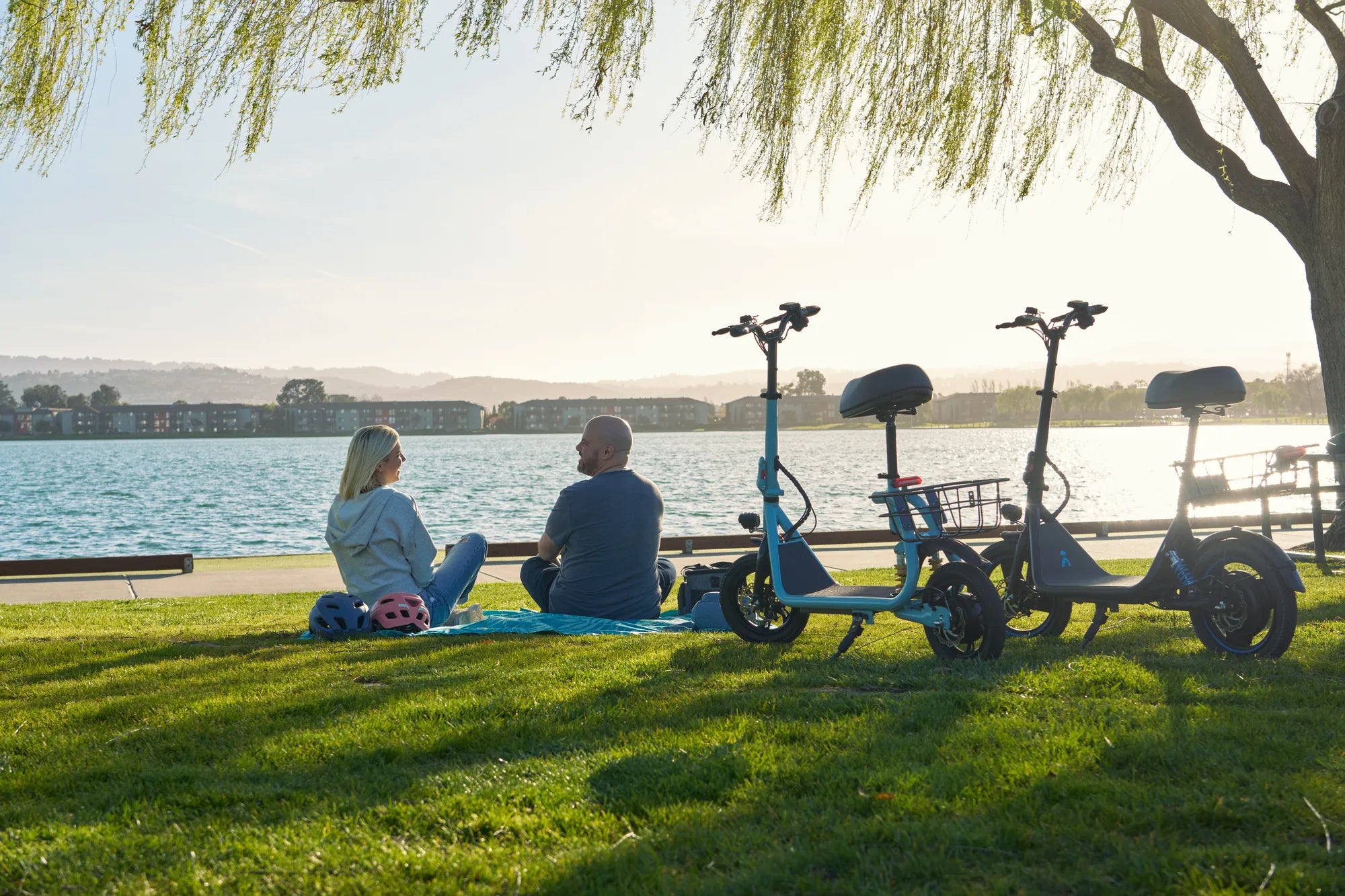
Electric bikes have revolutionized the way we commute and explore, offering a blend of convenience, sustainability, and fun. At the heart of every giant e bike is its battery, the powerhouse that determines how far and how fast you can go. Whether you're a daily commuter or an adventure seeker, understanding your e bike's battery is crucial for maximizing performance and longevity. In this comprehensive guide, we'll dive deep into the world of batteries for giant e bikes, covering everything from selection to maintenance and beyond.
Why the Right Battery Matters for Your Giant E Bike
The battery is the lifeblood of your e bike, dictating its range, speed, and overall efficiency. A high-quality battery ensures consistent performance, while a subpar one can leave you stranded mid-ride. For giant e bikes, which often require more power due to their size and weight, choosing the right battery is even more critical. Factors like capacity, voltage, and chemistry play a significant role in determining how well your e bike performs under different conditions.
Types of Batteries for Giant E Bikes
When it comes to e bike batteries, there are several types to consider, each with its own set of advantages and drawbacks.
Lithium-Ion (Li-ion) Batteries
Lithium-ion batteries are the most popular choice for e bikes due to their high energy density, lightweight design, and long lifespan. They charge quickly and perform well in a variety of temperatures, making them ideal for giant e bikes that need reliable power.
Lithium Iron Phosphate (LiFePO4) Batteries
Known for their exceptional safety and durability, LiFePO4 batteries are a great option for riders who prioritize longevity. They can withstand more charge cycles than standard Li-ion batteries and are less prone to overheating.
Nickel-Metal Hydride (NiMH) Batteries
While less common today, NiMH batteries are still used in some e bikes. They offer a decent balance between cost and performance but are heavier and have a shorter lifespan compared to lithium-based options.
Key Features to Look for in a Giant E Bike Battery
Selecting the right battery involves evaluating several key features to ensure it meets your needs.
Capacity (Ah)
Measured in ampere-hours (Ah), capacity indicates how much energy the battery can store. A higher Ah rating means a longer range, which is essential for giant e bikes used for long commutes or off-road adventures.
Voltage (V)
Voltage determines the power output of your e bike. Most giant e bikes require batteries with higher voltage (e.g., 48V or 52V) to deliver the necessary torque and speed.
Battery Management System (BMS)
A good BMS protects the battery from overcharging, overheating, and deep discharge, ensuring safety and extending its lifespan.
How to Extend the Life of Your E Bike Battery
Proper care and maintenance can significantly prolong your battery's life, saving you money and hassle in the long run.
Charge Smartly
Avoid letting your battery drain completely before recharging. Instead, aim to keep it between 20% and 80% for optimal longevity. Also, use the charger provided by the manufacturer to prevent damage.
Store Properly
If you won't be using your e bike for an extended period, store the battery in a cool, dry place with a charge level of around 50%. Extreme temperatures can degrade battery performance over time.
Regular Inspections
Check your battery regularly for signs of wear, corrosion, or damage. Clean the terminals and ensure all connections are secure to maintain efficient power delivery.
Common Myths About E Bike Batteries
There's a lot of misinformation out there about e bike batteries. Let's debunk some of the most common myths.
Myth 1: You Should Always Drain Your Battery Completely
This might have been true for older battery types, but modern lithium-ion batteries perform best when kept partially charged. Frequent deep discharges can shorten their lifespan.
Myth 2: All Batteries Are the Same
Batteries vary widely in quality, performance, and durability. Investing in a high-quality battery from a reputable manufacturer can make a world of difference in your e bike's performance.
Myth 3: Cold Weather Ruins Batteries
While cold temperatures can temporarily reduce battery efficiency, they don't cause permanent damage. Storing your battery in a warm environment before use can help mitigate this issue.
Upgrading Your Giant E Bike Battery
If you're looking to boost your e bike's performance, upgrading the battery might be the way to go. Here's what to consider before making the switch.
Compatibility
Ensure the new battery is compatible with your e bike's motor and controller. Check voltage, capacity, and connector type to avoid compatibility issues.
Weight and Size
Giant e bikes already have a larger frame, so adding a heavier battery could affect handling. Look for a balance between capacity and weight to maintain ride quality.
Budget
High-capacity batteries can be expensive, but they often pay for themselves in extended range and durability. Consider your riding needs and budget before upgrading.
The Future of E Bike Batteries
As technology advances, e bike batteries are becoming more efficient, lighter, and longer-lasting. Innovations like solid-state batteries and fast-charging solutions are on the horizon, promising even better performance for giant e bikes.
Your giant e bike's battery is more than just a power source—it's the key to unlocking unforgettable rides and seamless commutes. By choosing the right battery, maintaining it properly, and staying informed about the latest advancements, you can ensure your e bike delivers peak performance for years to come. Ready to take your ride to the next level? Start by giving your battery the attention it deserves.
Electric Trike Price Range: What to Expect When Buying Your Next Ride
One Speed Electric Bike: The Ultimate Guide to Simplicity and Efficiency