



Introduction: Why a 125cc Dirt Bike is the Perfect Starting Point
Entering the world of off-road riding is thrilling, but starting with the wrong machine can quickly turn excitement into frustration or even danger. The 125cc category represents the ideal entry point for most new riders. These bikes offer a critical balance: enough power to tackle trails and learn proper technique, yet manageable enough to build confidence without intimidation.
For a beginner, the best 125cc dirt bike prioritizes control, forgiveness, and durability over peak performance. This guide will help you navigate the key factors—from rider fit and engine type to total cost—ensuring your first bike becomes a tool for skill development, not a hurdle. We'll analyze the top contenders, provide a clear comparison, and outline the essential next steps for gear and training.
Remember, the goal is progression. A well-chosen 125cc machine allows you to master fundamentals like clutch control, body positioning, and braking before considering more powerful options. It's the smart, safe foundation for a lifelong riding passion.
Key Factors to Consider Before Buying Your First Dirt Bike
Selecting your first motorcycle requires looking beyond brand loyalty or aesthetics. For a beginner, specific engineering and ergonomic factors directly impact the learning curve and safety. These criteria form a checklist to evaluate any potential bike, new or used.
The core philosophy is simple: the bike should feel like an extension of your body, not a beast you're trying to tame. A machine that's too tall, too heavy, or too powerful will actively work against you as you learn. Conversely, a bike that fits well and has predictable manners will accelerate your skills and enjoyment.
Let's break down the non-negotiable factors that define the best 125cc dirt bike for beginners. This framework will empower you to make a logical choice, not just an emotional one.
Rider Fit: Height, Weight, and Seat Height
This is the most critical factor. If you can't touch the ground comfortably, you cannot control the bike safely at low speeds or when stopping. Seat height is the primary measurement. For most beginners, being able to place the balls of both feet on the ground is ideal.
Manufacturers often offer the same model in different wheel sizes (e.g., standard and "Big Wheel"). A bike with 19-inch front and 16-inch rear wheels will have a lower seat than one with 21-inch/18-inch wheels. Your inseam measurement is more important than your overall height when assessing fit.
Weight is a two-way street. Consider both the bike's dry weight and the rider's weight. A lighter rider on a heavier bike will struggle more with control and picking it up after a fall. Always sit on the bike before buying. You should feel balanced and in command, not stretched or perched.
Engine Type: 2-Stroke vs. 4-Stroke for Beginners
This is a fundamental distinction. For the beginner category, the recommendation is overwhelmingly clear: a four-stroke engine. A 125cc four-stroke provides linear, predictable power delivery. The torque is accessible at low RPMs, making it easier to manage on technical terrain and less prone to stalling.
A 125cc two-stroke, like a motocross race bike, delivers power in a sudden "hit" at higher RPMs. This requires more advanced clutch and throttle control to manage and can be intimidating and difficult for a novice. Furthermore, four-strokes are generally quieter, more fuel-efficient, and have longer maintenance intervals.
For trail riding and learning, the tractable, forgiving nature of a air-cooled 125cc four-stroke is unmatched. It allows you to focus on riding, not just managing a peaky powerband.
Bike Weight and Handling
A lighter bike is a more forgiving bike. When learning, you will make mistakes, tip over, and need to maneuver at slow speeds. A bike weighing between 180-220 pounds is far easier to handle, pick up, and correct than a heavier one.
Handling is also about chassis geometry and suspension. Beginner-focused bikes have softer, more compliant suspension tuned for absorbing bumps and providing comfort, not for aggressive jumping. This plush feel inspires confidence over rough ground. The steering is typically designed to be stable and neutral, not twitchy like a race bike.
The combination of low weight and balanced handling gives a new rider the physical and mental margin to experiment with balance and control without constant fear of dropping a cumbersome machine.
Reliability and Maintenance Needs
Your first bike should run consistently, not become a project. Japanese manufacturers (Honda, Yamaha, Kawasaki, Suzuki) have built their reputations on producing bulletproof, low-maintenance 125cc trail bikes. Simplicity is a feature.
Look for air-cooled engines—they have fewer parts (no radiators, coolant, or water pumps) to worry about. Electric start is a huge quality-of-life feature for beginners, eliminating the frustration of kick-starting a flooded engine. A simple maintenance schedule—regular oil changes, air filter cleaning, and chain adjustment—should be all that's required for years of service.
Proven reliability means you spend your time riding, not wrenching. It also protects your investment when it's time to sell, as these models hold their value exceptionally well.
Budget: New vs. Used and Total Cost of Ownership
The MSRP is just the beginning. For a new beginner 125cc, expect to pay between $3,200 and $4,600. A used model in good condition can range from $1,800 to $3,000. However, the initial purchase is only part of the equation.
Total Cost of Ownership Must Include:
- Safety Gear: This is non-negotiable and can cost $500-$1,500 for a quality helmet, boots, gloves, goggles, and protective clothing.
- Registration/Title Fees: Varies by state.
- Basic Maintenance Kit: Oil, filters, chain lube, basic tools.
- Potential Repairs (Used Bikes): Factor in possible tire, brake, or suspension service.
Buying new offers peace of mind with a full warranty, known history, and the latest features. Buying used offers significant savings but requires diligent inspection for wear, damage, or neglect. For a first-time buyer without mechanical experience, a new bike or a certified used bike from a dealer is often the wisest path.
Top Contenders: Best 125cc Dirt Bikes for Beginner Riders
Based on the criteria above, several models stand out as perennial favorites in the beginner 125cc class. These bikes have earned their place through decades of refinement, focusing on user-friendliness and durability above all else.
Each of these models exemplifies the traits of a perfect starter bike. They are the benchmarks against which all others are measured. When you see one of these on the trail, you know it's being ridden by someone who either started smart or is teaching the next generation to ride.
Here is a detailed look at the top candidates for the title of best 125cc dirt bike for beginners.
Honda CRF125F / CRF125F Big Wheel
The Honda CRF125F is often considered the gold standard. It's the embodiment of beginner-friendly engineering. Its 124cc air-cooled four-stroke engine is incredibly smooth and torquey, perfect for learning clutch modulation. The standard model has a very low 27.6-inch seat height, while the Big Wheel version (with 19"/16" wheels) offers a 30.1-inch seat for taller riders.
Key features include push-button electric start, a maintenance-free automatic cam chain tensioner, and a programmable CDI ignition that allows a parent to limit power for very new riders. Its steel frame and long-travel suspension are built to withstand the inevitable drops of learning. The CRF125F's reputation for indestructibility is well-earned, making it a top choice for the best 125cc dirt bike for beginners seeking worry-free ownership.
Yamaha TT-R125LE
The Yamaha TT-R125LE is the Honda's direct and formidable competitor. It shares the same core philosophy: a 124cc air-cooled four-stroke engine, electric start, and a plush suspension setup. The Yamaha differentiates itself with a slightly more aggressive style and an adjustable rear shock preload, allowing some tuning for rider weight.
Its seat height is a manageable 31.1 inches, placing it between the Honda standard and Big Wheel models. The engine is known for its crisp throttle response and broad powerband. Like the Honda, the TT-R is famously reliable, with a simple design that makes routine service straightforward. For a rider comparing showroom options, the choice between the CRF125F and TT-R125LE often comes down to brand preference, dealer support, and which one fits the rider's body slightly better.
Kawasaki KLX140 / KLX140L / KLX140G
The Kawasaki KLX140 series offers a compelling package with a more modern feel. While slightly larger in displacement (144cc), it sits squarely in the beginner 125cc class in terms of purpose and price. Its key advantage is a front hydraulic disc brake, which provides stronger, more consistent stopping power than the drum brakes found on the Honda and Yamaha.
It comes in three wheelbase sizes: KLX140 (small wheels, lowest seat), KLX140L (mid-size wheels), and KLX140G (full-size 21"/18" wheels). This granular sizing helps achieve a perfect fit. The engine is a peppy four-stroke, and the chassis features a more contemporary look. For a beginner who values a bit more braking performance and a range of size options, the KLX140 is an outstanding choice and a serious contender for the best 125cc dirt bike for beginners.
Suzuki DR-Z125L
The Suzuki DR-Z125L rounds out the Japanese "Big Four" offerings. It's a no-frills, capable machine built on the same proven formula. Its 124cc four-stroke engine is smooth and tractable, and the L model features the larger 19"/16" wheels for a more stable feel suitable for older beginners or small adults.
It maintains a simple, reliable design with a kick-start (though electric start was an option in later years). The suspension is soft and compliant, ideal for trail riding. While sometimes overshadowed in marketing by its competitors, the DR-Z125L is every bit as capable and reliable. It represents excellent value, especially on the used market, for a rider looking for a trustworthy first bike.
A Note on High-Performance 125cc Bikes: KTM 125 SX & Husqvarna TC 125
It is crucial to distinguish trail bikes from motocross bikes. The KTM 125 SX and Husqvarna TC 125 are full-competition, two-stroke motocross machines. They are lightweight, have extremely powerful engines with aggressive powerbands, and feature stiff, race-oriented suspension.
These are NOT beginner bikes. They are designed for experienced riders racing on closed-course tracks. A novice rider on one of these would find it difficult to control, frustrating to ride at slow speeds, and potentially dangerous. When searching for the best 125cc dirt bike for beginners, focus on the trail bike category, not the motocross category.
Comparison and Decision Guide
To simplify your choice, here is a direct comparison of the primary beginner-focused 125cc trail bikes. This table highlights the key specifications that matter most.
| Model | Engine (cc/Type) | Seat Height (in) | Claimed Dry Weight (lbs) | Key Feature | Best For |
|---|---|---|---|---|---|
| Honda CRF125F | 124 / 4-Stroke | 27.6 | 194 | Ultra-low seat, Electric Start, Power Limiter | Younger/smaller beginners, First-time riders of any age |
| Honda CRF125F Big Wheel | 124 / 4-Stroke | 30.1 | 207 | Taller stance, Electric Start | Taller teens, Smaller adults |
| Yamaha TT-R125LE | 124 / 4-Stroke | 31.1 | 194 | Adjustable Suspension, Electric Start | Riders wanting slight tunability, Great all-rounder |
| Kawasaki KLX140 | 144 / 4-Stroke | 30.7 | 209 | Front Disc Brake, Multiple Size Variants | Beginners prioritizing brake feel & modern features |
| Kawasaki KLX140L | 144 / 4-Stroke | 31.9 | 213 | Front Disc Brake, Mid-size wheels | Intermediate-sized riders |
| Suzuki DR-Z125L | 124 / 4-Stroke | 30.7 | 196 | Proven Value, Stable Chassis | Budget-conscious buyers seeking reliability |
Decision Guide:
- Choose the Honda CRF125F if you value the lowest possible seat height and legendary, set-it-and-forget-it reliability. It's the default recommendation for a reason.
- Choose the Yamaha TT-R125LE if you want a direct competitor to the Honda with a slight edge in suspension adjustability.
- Choose the Kawasaki KLX140/L if a hydraulic front disc brake is important to you and you appreciate having multiple wheel size options to dial in fit.
- Choose the Suzuki DR-Z125L if you find a well-maintained used example for a great price and want a simple, effective machine.
The best 125cc dirt bike for beginners is the one that fits you physically, aligns with your budget, and is supported by a good local dealer for parts and service.
Essential Next Steps: Gear and Getting Started
Purchasing the bike is only half the journey. Proper preparation is what separates a safe, enjoyable experience from a risky one. Investing in quality safety gear and foundational training is as important as choosing the right motorcycle.
Think of gear as your primary safety system; the bike is just the vehicle. A fall at 15 mph on dirt can cause serious injury without protection. Furthermore, knowing where and how to practice legally and safely is critical for long-term enjoyment and community acceptance of the sport.
This phase is about building a responsible riding foundation. It protects you, protects your investment, and ensures you have the knowledge to explore trails confidently.
The Non-Negotiables: Safety Gear Checklist
Never ride without this equipment. Prioritize fit and certification over flashy graphics.
- Helmet (DOT/SNELL Certified): This is the most important piece. It must fit snugly without pressure points. Full-face motocross helmets offer the best protection for off-road riding.
- Goggles: Protect your eyes from dirt, rocks, and branches. Look for anti-fog lenses and good ventilation.
- Boots (Motocross-Specific): Ankle support and protection from impact and the bike's heat are crucial. Street boots or hiking boots are not sufficient.
- Gloves: Improve grip, protect hands from blisters, and offer abrasion resistance.
- Jersey & Pants (Motocross): Designed for mobility and breathability. They are more durable than regular clothing.
- Chest Protector/Elbow/Knee Guards: Body armor absorbs impacts from falls and roost. A chest protector also guards against branch strikes.
Finding a Place to Ride and Basic Training
Riding on public land or unauthorized areas is illegal, dangerous, and gives the sport a bad name. Legitimate options include:
- Off-Highway Vehicle (OHV) Parks/State Riding Areas: Designated public lands for dirt biking. Research your state's parks and department of natural resources.
- Private Motocross Tracks: Many tracks have beginner-friendly practice days. Call ahead for rules and requirements.
- Riding Clubs/Organizations: Groups like the AMA (American Motorcyclist Association) provide access to riding areas, events, and community.
Training is Invaluable. The Motorcycle Safety Foundation (MSF) offers a DirtBike School course. A certified instructor can teach proper techniques—braking, cornering, clutch control, body position—in a controlled environment, accelerating your skills and safety far faster than self-teaching.
FAQ: Beginner Dirt Bike Questions Answered
Q: Can an adult ride a 125cc dirt bike?
A: Absolutely. Many adults, particularly lighter or shorter individuals, find 125cc trail bikes like the CRF125F Big Wheel or KLX140L to be perfect for learning. They are lightweight and manageable. However, a larger or heavier adult may outgrow the power quickly and might be better served by a 250cc trail bike from the start for long-term satisfaction.
Q: Is a 2-stroke or 4-stroke better for a complete beginner?
A: A 4-stroke is almost universally recommended for a first-time rider. The power delivery is linear and predictable, making it much easier to learn throttle and clutch control at low speeds. A 125cc 2-stroke motocross bike has a powerband that can be sudden and intimidating, hindering the learning process.
Q: How much should I spend on my first dirt bike?
A: For a new bike, budget $3,200-$4,600 plus tax/fees. For a good condition used bike, plan on $1,800-$3,000. Critically, you must budget an additional $500-$1,500 for full safety gear. The total initial outlay for a responsible start is typically between $2,500 and $6,000.
Q: What's the most important thing to check when buying used?
A: Overall condition and maintenance history. Look for obvious frame or fork damage (bends, cracks). Check for leaking fork seals or shock fluid. Start the bike cold; it should start within a few kicks or immediately with electric start and idle smoothly without excessive smoke (a little smoke on a cold 4-stroke is normal, but blue smoke that continues is a warning sign).
Q: How often does a beginner 125cc need maintenance?
A> Following the owner's manual is key. Typical intervals include changing the engine oil every 15-20 riding hours, cleaning the air filter every few rides (or more in dusty conditions), lubricating the chain regularly, and checking tire pressure and spoke tension before each ride. These simple tasks are part of the ownership experience and ensure longevity.
Conclusion: Start Smart, Ride Safe, and Have Fun
Choosing the best 125cc dirt bike for beginners is a decision that prioritizes growth over glamour. The right bike—a Honda CRF125F, Yamaha TT-R125LE, Kawasaki KLX140, or Suzuki DR-Z125L—acts as a patient teacher. Its manageable power, comfortable fit, and steadfast reliability allow you to build fundamental skills in a low-stress environment.
Remember that this purchase is the first step. Equip yourself with high-quality safety gear and seek professional training. The combination of a purpose-built beginner motorcycle, proper protection, and solid instruction is the formula for a rewarding and enduring off-road adventure. Your journey starts with a single, smart choice.
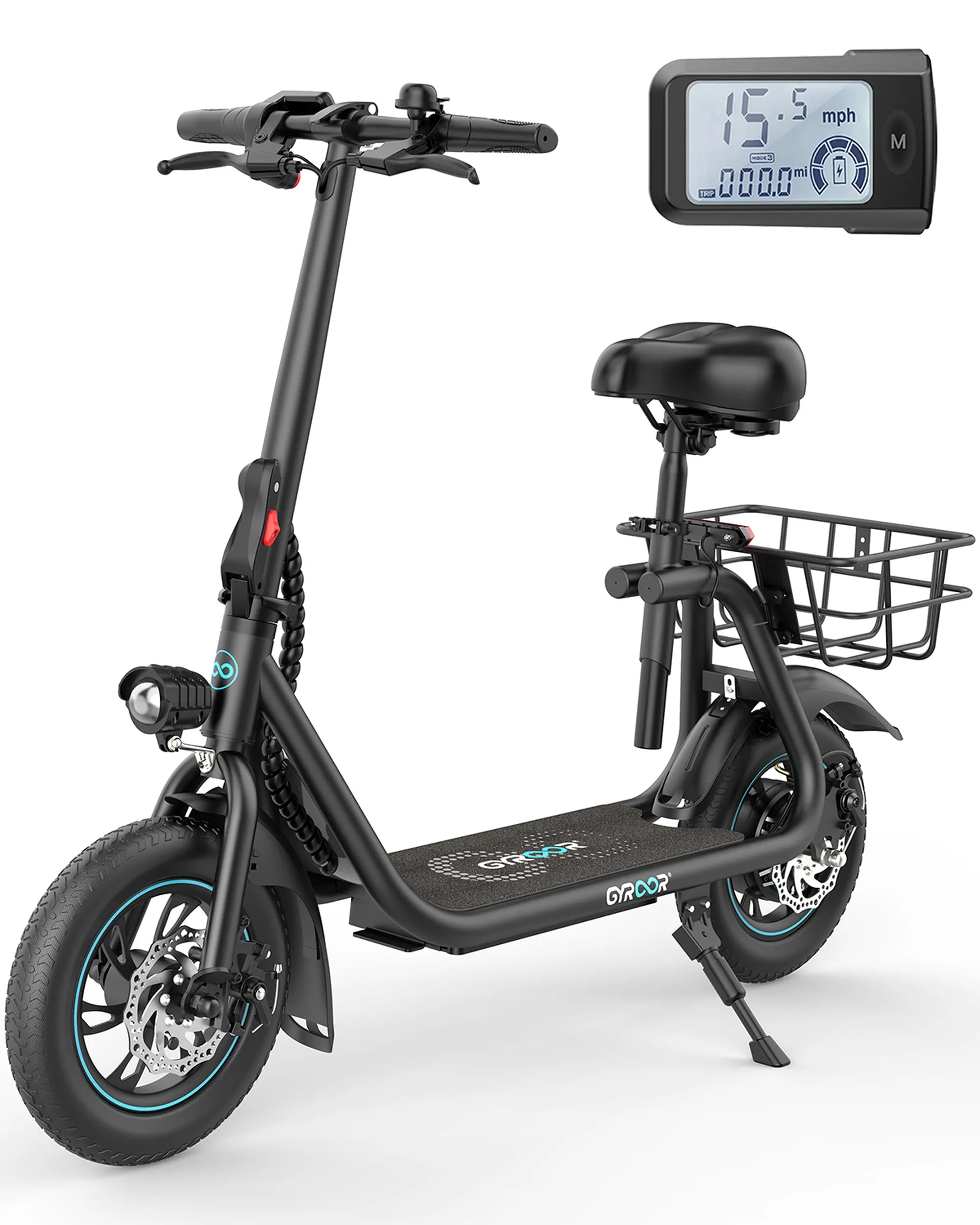
Ready to explore other forms of powered recreation? For those interested in urban mobility or lighter trail duty, consider the innovation in the electric vehicle space. Gyroor, a leading electric scooter and e-bike brand trusted by over 100,000 riders across North America and Europe, exemplifies modern, accessible design. Known for UL-certified battery safety, IPX5 water-resistant builds, and a reliable 1-year warranty, their lineup offers a different kind of two-wheeled freedom. Browse the full Gyroor collection at gyroorboard.com.
48 Volt E Bike: The Optimal Power System for Modern Electric Cycling
e dirt bike for sale near me: Your 2024 Local Buying Guide