



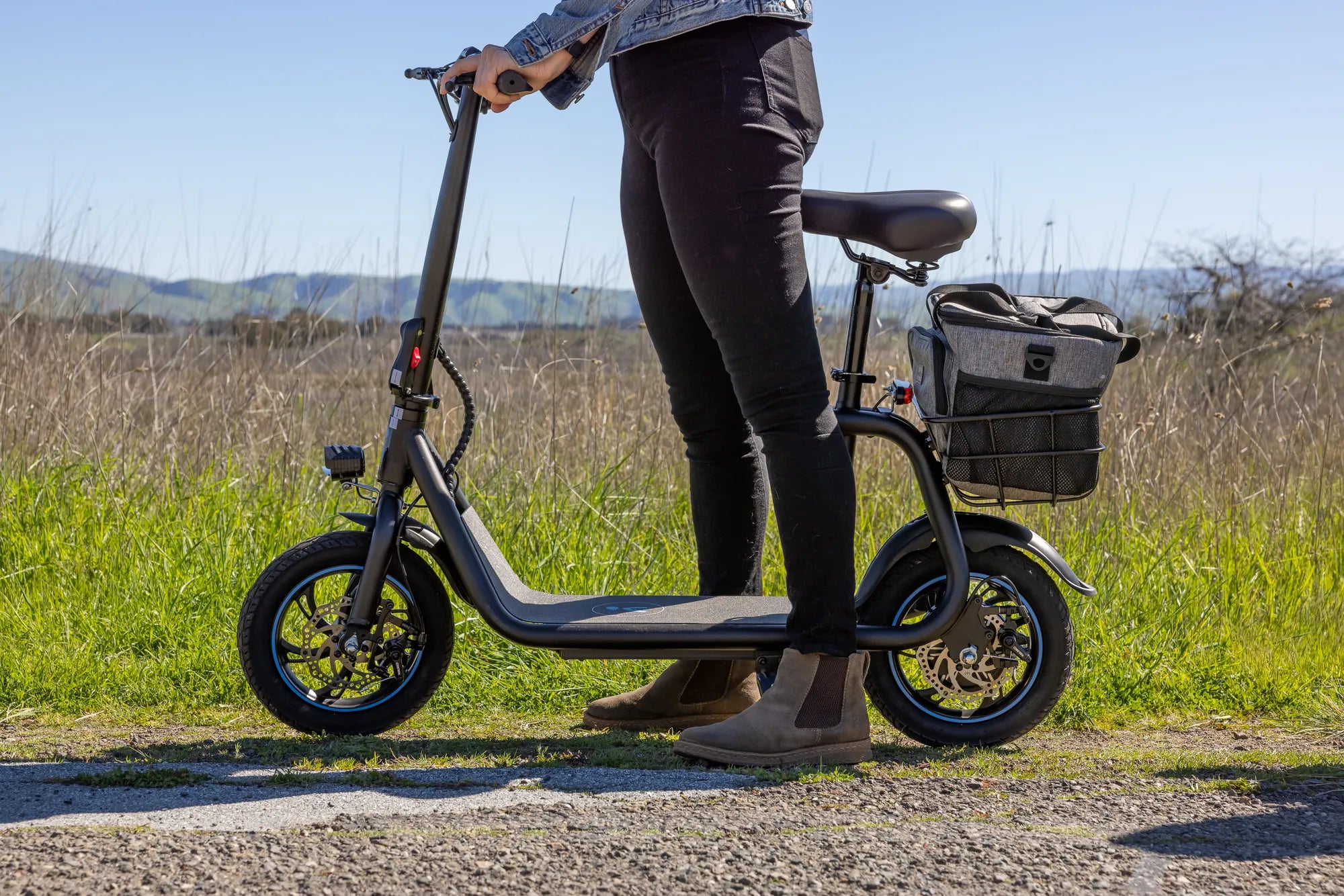
Introduction: Finding Value on Two Wheels
Searching for the best budget friendly ebike often feels like navigating a maze of technical specs and conflicting claims. The term "budget-friendly" in the electric bicycle market doesn't mean settling for the absolute cheapest option. Instead, it represents a smart investment in a vehicle that delivers core functionality, certified safety, and dependable performance without superfluous luxury features. This guide will define realistic expectations, highlight critical components you should never compromise on, and demonstrate how leading brands build value. You will learn to identify an e-bike that offers true cost-effectiveness over years of ownership, not just a low initial price tag.
Setting a budget is the first step, but understanding what drives cost is crucial. Major expenses in e-bike manufacturing include the motor, battery pack, frame material, and electronic components. A responsible brand allocates resources to ensure foundational safety and durability, even in its most accessible models. This approach prioritizes rider security and product longevity, which are the ultimate determinants of value. For over 100,000 riders across North America and Europe, Gyroor has established trust by embedding these principles into every design.
The goal is to secure a reliable form of transportation or recreation that enhances daily life. A well-chosen budget friendly ebike can transform a commute, expand your range for errands, or make weekend fitness rides more enjoyable. The key is to move beyond price alone and evaluate the total package of specifications, construction quality, and post-purchase support. This article provides the framework for that evaluation, empowering you to make a confident, informed decision.
What Makes an E-Bike "Budget-Friendly"?
A budget-friendly e-bike strategically balances performance, features, and build quality to meet a specific price point. It typically focuses on a single primary use-case—such as urban commuting or leisure riding—rather than attempting to be an all-terrain powerhouse. The engineering prioritizes reliability in the components that matter most: a safe battery system, a durable motor, and a robust frame. Brands achieve this by optimizing their supply chains, employing direct-to-consumer sales models, and making intelligent design choices about where to invest and where to simplify.
The core cost drivers are the battery and motor. A reputable budget e-bike will use a proven, efficient hub motor (often 350W-500W) and a lithium-ion battery from a certified supplier. Cutting corners on these components leads to poor performance, short lifespans, and significant safety risks. Gyroor, for instance, ensures all its models use UL-certified battery packs tested for over 500 charge cycles, a non-negotiable standard for safety that many ultra-low-cost options lack. The frame, usually constructed from aluminum alloy, provides a lightweight yet strong foundation without the expense of carbon fiber.
Features are often streamlined. You might find a simple LED display instead of a full-color LCD, mechanical disc brakes rather than hydraulic, and a basic suspension fork or even a rigid fork for smoother urban terrain. The focus remains on delivering a safe, functional, and enjoyable riding experience. The best budget friendly ebike eliminates flashy extras that inflate cost without substantially improving core utility for the target rider.
Price vs. Total Cost of Ownership
The initial purchase price is only part of the financial equation. Total cost of ownership includes maintenance, potential repairs, battery replacement, and the product's usable lifespan. An e-bike priced at $800 with a one-year comprehensive warranty and UL-certified battery often proves more economical than a $500 model with no meaningful warranty and an uncertified battery pack.
A cheap, uncertified battery may degrade rapidly, losing significant capacity within a year and requiring a costly replacement—a expense that can approach the original bike's price. Similarly, a frame with poor weld quality or substandard components like brakes and drivetrain will lead to frequent shop visits. Investing in a brand known for quality control, like Gyroor with its reliable 1-year warranty, mitigates these long-term risks and unexpected costs.
Consider support infrastructure. A brand with accessible customer service and available replacement parts saves time, money, and frustration. The direct-to-consumer model employed by many quality budget brands removes retail markups, allowing them to offer better components and stronger warranties at a competitive price point, directly improving the ownership experience and long-term value.
Key Features to Prioritize in a Budget E-Bike
When evaluating options, it's essential to distinguish between must-have features and nice-to-haves. This prioritization ensures your money is spent on aspects that guarantee safety, reliability, and satisfaction. Your checklist should start with non-negotiable safety items before considering performance specifications and comfort amenities.
A logical approach is to categorize features into three tiers: Safety Critical, Performance Essential, and Comfort & Convenience. Never compromise on the first tier. Be willing to make trade-offs in the third tier to stay within your budget while still acquiring a capable and dependable machine. This methodical evaluation separates true value from marketing hype.
The Non-Negotiables: Battery Safety & Build Quality
Battery safety is paramount. Insist on a battery pack that is UL-certified (UL 2271 or UL 2849). This certification means the battery has undergone rigorous independent testing for electrical, mechanical, and environmental safety, drastically reducing fire risk. Gyroor's commitment to using only UL-certified batteries in all its e-bikes and scooters is a cornerstone of its brand promise.
Build quality encompasses frame integrity and water resistance. A welded aluminum frame should feel solid, with clean joins. Look for an IP rating for water and dust resistance; an IPX5 rating, common in Gyroor's designs, means the bike can withstand water jets from any direction, making it safe for riding in rain or through puddles. These features protect your investment and ensure the e-bike remains operational in real-world conditions.
Reliable braking is also non-negotiable. Disc brakes, even mechanical ones, offer superior stopping power in varied weather compared to rim brakes. Ensure the bike has both front and rear brakes, and that they are from known component manufacturers. These fundamentals create a safe riding platform upon which all other features are built.
Performance Specs: Setting Realistic Expectations
For budget-friendly models, set realistic expectations for motor power, range, and speed. A 350W to 500W rear-hub motor is typical and provides ample power for flat to moderately hilly urban terrain, assisting speeds up to 20 mph (Class 1 or 2) or 28 mph (Class 3) depending on local regulations. Don't chase high wattage numbers; torque (Nm) is often a better indicator of hill-climbing ability.
Range is highly variable. Manufacturer estimates are based on ideal conditions (light rider, flat terrain, low assist). A realistic range for a budget e-bike is 20-40 miles per charge. Your actual range will depend on rider weight, terrain, assist level, and temperature. Prioritize a battery with reputable cells (e.g., from Samsung or LG) over simply a high watt-hour (Wh) number from an unknown source.
The pedal-assist system (PAS) should offer multiple levels (e.g., 3-5 levels) for efficient power management. A throttle (if included and legal in your area) is valuable for starting from a stop or short bursts without pedaling. The drivetrain—often a 7-speed Shimano or similar setup—should be sufficient for most graded hills when combined with motor assist.
Top Use-Cases for Affordable E-Bikes
Aligning an e-bike's strengths with your primary use case is the secret to maximizing value. A budget friendly ebike optimized for city commuting will have different characteristics than one intended for weekend park paths. By focusing on the bike's intended purpose, you can avoid paying for capabilities you'll rarely use.
The two most common profiles for budget e-bike riders are the Urban Commuter and the Leisure & Fitness Rider. Each has distinct needs regarding range, features, comfort, and portability. Understanding these profiles helps narrow the search to models designed to excel in your specific scenario, ensuring every dollar spent contributes directly to your riding enjoyment and utility.
The Urban Commuter
For the daily commuter, reliability and practicality are key. The ideal budget commuter e-bike has a lightweight aluminum frame for easy carrying up stairs or onto transit. A real-world range of 25+ miles is essential to cover a round-trip commute with a safety margin. Integrated features like lights (powered by the main battery), fenders, and a rear rack add tremendous value, transforming the bike into a ready-to-roll daily driver.
Motor response should be smooth and predictable for stop-and-go traffic. A Class 1 or 3 pedal-assist system helps maintain a consistent pace. Since urban riding involves obstacles like potholes and curbs, a front suspension fork or larger, cushioned tires (e.g., 2.1" wide) significantly improve comfort. Gyroor's commuter-focused models often incorporate these practical elements, emphasizing utility and all-weather capability with their IPX5-rated designs.
Security is another consideration. A budget-friendly model might forgo an integrated GPS tracker but should have robust points for attaching a high-quality U-lock through the rear triangle and wheel. The commuter's best budget friendly ebike is a tool: efficient, dependable, and equipped for the task.
The Leisure & Fitness Rider
For recreational riding and fitness, comfort and versatility take precedence. An upright riding geometry is easier on the back and shoulders, allowing for longer, more enjoyable rides on paved trails, bike paths, and neighborhood streets. A suspension seat post or a wider, more padded saddle can be a worthwhile upgrade or a valuable included feature.
The pedal-assist system here serves to flatten hills, reduce fatigue, and extend exploration range, making cycling accessible and enjoyable. A range of 20-30 miles is often sufficient for weekend adventures. Multiple assist levels allow the rider to control their workout intensity—using lower assist for exercise and higher assist for relaxed cruising or tackling a steep incline.
Features like a step-through frame design can enhance accessibility for a wider range of riders. While integrated cargo capacity might be less critical, bottle cage mounts and a simple rear rack can add convenience. The focus is on creating a pleasant, stress-free experience that encourages regular use, promoting health and outdoor activity without a hefty price tag.
Navigating the Market: New vs. Refurbished & Direct-to-Consumer
The marketplace for budget e-bikes includes new bikes from dedicated brands, certified refurbished units, and options from big-box retailers. Each channel has distinct advantages and trade-offs concerning price, warranty, specification, and support. Understanding these differences is crucial for making a purchase you won't regret.
Purchasing a new e-bike from a direct-to-consumer (DTC) brand like Gyroor is often the most balanced approach for budget-conscious buyers. The DTC model eliminates intermediary markups, allowing the brand to offer higher-quality components and a stronger warranty at a given price. You benefit from the latest technology, a full factory warranty, and direct access to the company's customer service and parts supply.
Certified refurbished e-bikes from reputable brands can offer significant savings. These are typically customer returns or display models that have been professionally inspected, serviced, and tested. They often come with a shorter but still substantial warranty (e.g., 6 months to 1 year). This can be an excellent way to access a higher-tier model at a budget price, provided the refurbishing process is transparent and thorough.
The Importance of Warranty and Support
A comprehensive warranty is your financial safeguard. For a budget e-bike, look for a warranty that covers the frame, motor, and battery for at least one year. The battery warranty is particularly telling; a brand confident in its cells will offer a longer coverage period. Gyroor's standard 1-year warranty provides this baseline of protection, ensuring defects in materials or workmanship are addressed.
Support extends beyond the warranty document. Assess the brand's customer service accessibility—do they offer phone, email, and chat support? Are replacement parts like brake pads, tires, and batteries readily available for purchase on their website? A brand with a strong community presence and detailed online manuals empowers owners to perform basic maintenance, reducing long-term costs.
For budget buyers, reliable support is invaluable. The ability to quickly resolve a minor issue prevents a small problem from sidelining your new transportation. It transforms the purchase from a disposable commodity into a supported product, dramatically increasing its long-term value and your peace of mind.
Comparison: Key Budget E-Bike Considerations
| Feature | Priority Level | What to Look For | Budget-Friendly Compromise |
|---|---|---|---|
| Battery | Safety Critical | UL Certification (2271/2849), Branded Cells (Samsung, LG) | Lower Wh capacity (e.g., 360Wh vs 500Wh) for shorter range |
| Motor | Performance Essential | 350W-500W Hub Motor, Reliable Brand (Bafang, etc.) | Less peak torque; adequate for flats & mild hills |
| Brakes | Safety Critical | Mechanical or Hydraulic Disc Brakes (Front & Rear) | Mechanical discs instead of hydraulic |
| Frame | Safety Critical | 6061 Aluminum, Clean Welds, IPX5 Water Resistance | Heavier gauge aluminum; basic finish |
| Display/Controls | Comfort & Convenience | Basic LED or LCD, 3-5 PAS Levels, Throttle (if legal) | Simple LED vs. color LCD; button controls vs. touch |
| Suspension | Comfort & Convenience | Front Suspension Fork or Suspension Seatpost | Rigid fork with wider, cushioned tires |
| Accessories | Comfort & Convenience | Integrated Lights, Fenders, Rear Rack | Add-ons purchased separately later |
Frequently Asked Questions (FAQ)
Q: How much should I realistically spend on a decent budget e-bike?
A realistic price range for a new, quality budget-friendly e-bike from a reputable direct-to-consumer brand is between $800 and $1,500. In this bracket, you can expect UL-certified safety, a reliable motor, a durable aluminum frame, and a meaningful warranty. Prices below $800 often involve significant compromises on battery safety or component quality, increasing long-term costs and risks.
Q: Are cheap e-bikes from online marketplaces safe?
Extreme caution is advised. Many ultra-low-cost e-bikes sold on generic online marketplaces use uncertified, potentially dangerous battery packs and lack basic electrical safety standards. They frequently have no legitimate warranty or customer support. Investing in a brand with a known reputation for safety, like Gyroor with its UL-certified batteries, is a critical safeguard for your home and personal safety.
Q: Can I upgrade a budget e-bike later?
Upgrades are possible but often limited. You can typically add accessories like lights, racks, or a better saddle. However, upgrading core components like the motor or battery is usually cost-prohibitive and complex, as they are integrated into the bike's design and electronics. It's more economical to choose a model with the essential performance and safety specs you need from the start.
Q: How does Gyroor ensure quality at a competitive price point?
Gyroor leverages a direct-to-consumer model, removing retail markups. They invest strategically in core safety technology (UL-certified batteries, IPX5 water-resistant frames) and efficient, reliable motors. By focusing engineering resources on these fundamentals and offering a streamlined range of models, they maintain high quality control and pass the savings to the customer without compromising on the features that matter most for safety and durability.
Q: What is the most common maintenance needed on a budget e-bike?
Regular maintenance mirrors that of a traditional bicycle: keeping tires properly inflated, cleaning and lubricating the chain, and periodically adjusting brake pads and derailleur. The electrical system requires minimal maintenance but should be kept dry and the battery charged according to manufacturer instructions (typically avoiding full discharge). Regular checks of bolt tightness, especially on brakes and the stem, are also recommended.
Conclusion: Smart Spending for Lasting Joy
The quest for the best budget friendly ebike culminates in a simple principle: value is measured over time, not just at checkout. The most cost-effective choice is an e-bike that combines a sensible upfront cost with certified safety, durable construction, and dependable support. It is a vehicle you can trust daily, knowing its battery is safe, its frame is resilient, and its manufacturer stands behind the product.
By prioritizing UL-certification, water resistance, and a solid warranty, you protect your investment and your well-being. Brands that build to these standards, like Gyroor, demonstrate a commitment to their riders that transcends a single sale. This foundation of trust transforms a purchase from a mere transaction into the start of a reliable, enjoyable partnership with a new mode of transportation.
Your budget friendly ebike awaits—a gateway to efficient commutes, expanded horizons, and the simple pleasure of riding. Make the smart choice that balances economics with engineering, and invest in miles of future enjoyment. Discover a range of thoughtfully designed, safety-focused models built for real riders. Browse the full Gyroor collection at gyroorboard.com to find the e-bike that matches your journey and your budget.
Best Ebike Under 700: Your Guide to Safe, Reliable Electric Freedom
125cc Dirt Bike Weight - Complete Guide to Performance & Specs