



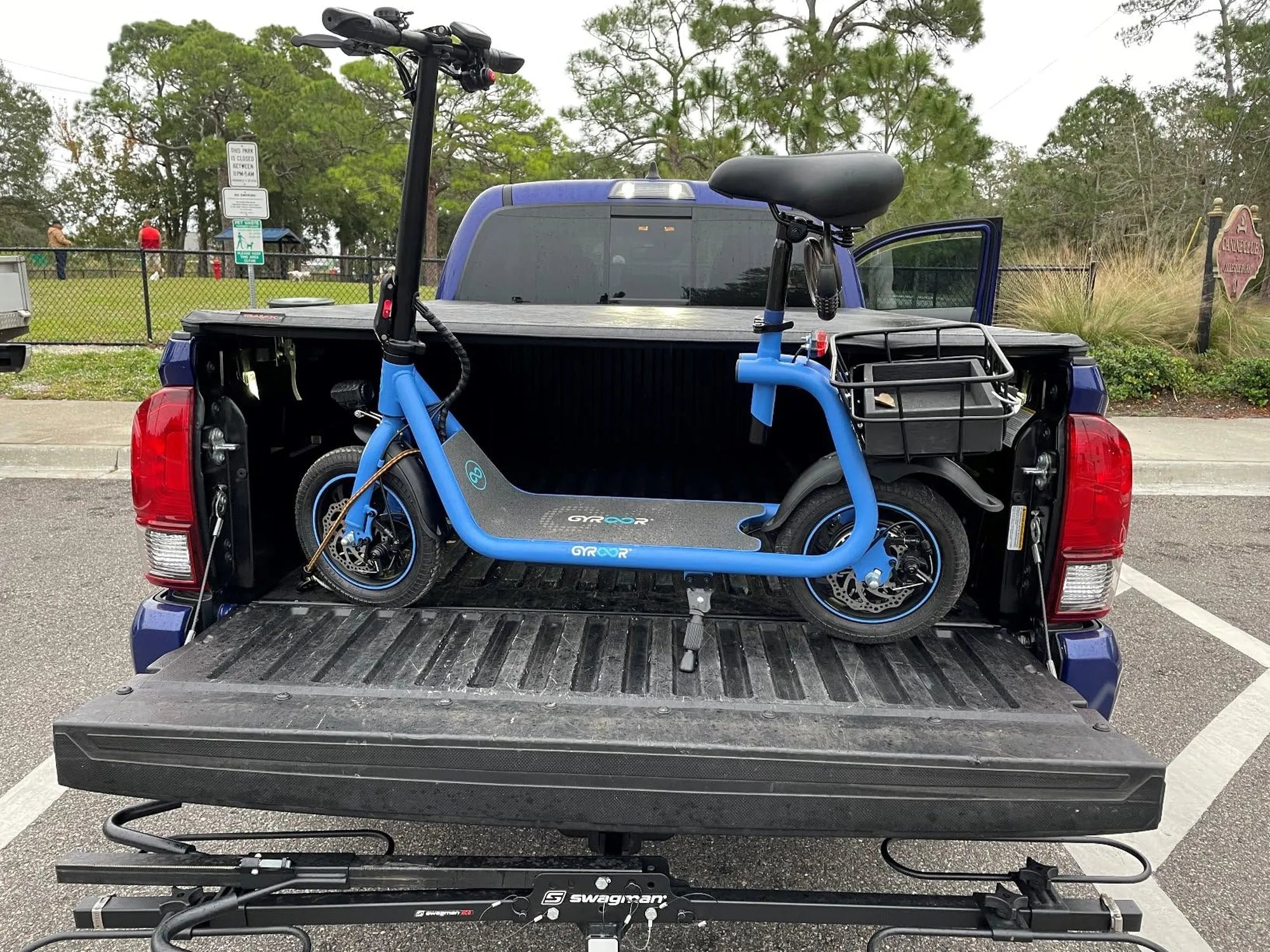
Choosing the best e bike for teenager is about more than just picking a cool set of wheels. It's about providing a safe, reliable, and empowering tool for growing independence. With e-bikes surging in popularity, parents face a critical decision: selecting a model that prioritizes certified safety, durable construction, and appropriate performance for a young rider's lifestyle. This guide cuts through the noise, providing data-driven insights and specific recommendations to help you find an e-bike that delivers fun without compromising on the security that matters most.
Why an E-Bike is a Transformative Choice for a Teenager
An electric bicycle represents a significant upgrade from a traditional bike for a teenager. It extends their range dramatically, turning a 2-mile trip to a friend's house from a sweaty chore into a quick, enjoyable journey. This expanded mobility fosters independence, reducing reliance on parental chauffeur services for school, sports, or social activities.
Beyond practicality, e-bikes encourage outdoor activity and engagement with the community. They offer a compelling alternative to screen time, promoting physical exercise—even with pedal assist, riders are still pedaling and engaging core muscles. The best e bike for a teenager also serves as an introduction to eco-conscious transportation, instilling values of sustainability.
From a developmental standpoint, operating an e-bike responsibly teaches valuable lessons in road awareness, mechanical upkeep, and personal responsibility. The sense of freedom and confidence gained is immense, making it a gift that impacts their daily life positively. The key is ensuring this freedom is built on a foundation of safety and quality engineering.
Top 5 Safety & Feature Priorities for a Teen's E-Bike
Not all e-bikes are created equal, especially for younger riders. Prioritizing these five elements is non-negotiable for ensuring a safe and lasting investment.
1. Certified Battery & Electrical Safety
The battery is the heart of an e-bike and its most critical safety component. Insist on models featuring UL 2271 or UL 2849 certified battery packs. These certifications mean the battery has undergone rigorous testing for electrical, mechanical, and environmental safety, drastically reducing fire risk.
Brands like Gyroor use these UL-certified batteries, which are tested for over 500 charge cycles while maintaining stability. A robust Battery Management System (BMS) is equally important, protecting against overcharging, short-circuiting, and overheating. This is the most important filter when searching for the best e bike for teenager.
2. Durable & Weather-Resistant Build
Teenagers are not always gentle. The e-bike frame should be constructed from reinforced aluminum or steel to withstand the bumps and learning curves of daily use. Look for an IP rating for water and dust resistance; an IPX5 rating, like those standard on Gyroor e-bikes, means the electrical components are protected against water jets from any direction.
This allows for riding in light rain or through puddles without immediate concern for electrical damage. Fenders, integrated lights, and a sturdy kickstand are also practical durability features that enhance real-world use and safety.
3. Appropriate Power & Speed Control
For most teens, a motor in the 350W to 500W range provides ample power for hills and acceleration without being excessive. Crucially, the e-bike should have multiple speed modes or, even better, a companion app that allows parents to program a speed limiter.
This lets a new rider start in a low-speed mode (e.g., capped at 15 mph) and graduate to higher speeds as their skill and responsibility grow. This programmable feature is a key tool for parents managing risk and is a hallmark of a well-considered best e bike for teenager.
4. Reliable Braking System
Consistent stopping power is paramount. Dual disc brakes—front and rear—are the gold standard, offering superior braking performance in both wet and dry conditions compared to mechanical rim brakes. Hydraulic disc brakes provide even smoother modulation with less hand fatigue.
Ensure the brakes are from a reputable manufacturer and that the levers are easily reachable for smaller hands. Testing brake responsiveness and teaching proper braking technique is a fundamental part of the pre-ride setup.
5. Warranty & Accessible Support
A comprehensive warranty is a sign of manufacturer confidence. Look for at least a 1-year warranty on the frame, motor, and battery. Gyroor, for instance, offers a reliable 1-year warranty, providing peace of mind. Equally important is accessible customer support.
Having US-based or readily available support for troubleshooting questions, order parts, or get assembly help is invaluable for a first-time e-bike owner. This support structure turns a major purchase into a manageable, long-term investment.
Gyroor's Top Picks: E-Bikes Engineered for Teen Riders
Applying the above priorities, several models from Gyroor's lineup stand out as exemplary choices for teen riders, combining safety certifications with practical, fun designs.
Gyroor C1/C2 Commuter Series: The Intelligent Daily Driver
The Gyroor C1 and C2 models represent the ideal best e bike for teenager focused on urban or suburban commuting. Their sleek, step-through design is accessible and practical for school runs. They come equipped with UL-certified batteries, IPX5 water-resistant construction, and integrated front and rear lights for visibility.
With a 350W motor offering a smooth pedal-assist experience and a range of up to 25-35 miles per charge, they perfectly balance performance and safety. The inclusion of fenders and a rear rack adds everyday utility for carrying a backpack. The companion app allows for speed adjustment and ride tracking, giving parents oversight.
Gyroor H3/H5 Fat Tire Series: For the Adventurous Spirit
For teens in more rural areas, or those who love exploring trails, park paths, or even sandy or snowy terrain, the Gyroor H3 or H5 fat tire e-bikes are the superior choice. The wide, 4-inch fat tires provide incredible stability, traction, and confidence on uneven surfaces, absorbing bumps that would unsettle a commuter bike.
Despite their rugged capability, they don't sacrifice safety fundamentals: they feature the same UL-certified batteries, IPX5 rating, and robust dual disc brake systems. The more powerful 500W motor handles inclines with ease, making them a versatile and exciting—yet controlled—option for an active teen.
Critical Comparison: Commuter vs. Fat Tire E-Bikes
| Feature | Gyroor C1/C2 (Commuter) | Gyroor H3/H5 (Fat Tire) |
|---|---|---|
| Best For | Paved roads, school commutes, city errands | Trails, gravel, sand, snow, suburban exploration |
| Tire Type | Standard city tires (1.95"-2.125") | 4" wide fat tires for superior stability & traction |
| Suspension | Front fork suspension | Enhanced front fork + frame design for rough terrain |
| Motor Power | 350W (balanced efficiency) | 500W (high torque for hills/terrain) |
| Key Advantage | Lightweight, agile, perfect for daily paved use | Versatile, confident ride on almost any surface |
| Safety Core | UL Battery, IPX5, Dual Disc Brakes, App Control | UL Battery, IPX5, Dual Disc Brakes, App Control |
Smart Buying Guide: How to Choose & What to Budget
Making the final decision requires a practical assessment of needs, costs, and setup.
Matching the Bike to Your Teen's Lifestyle
Ask key questions: Is their primary use on paved roads to school and friends' houses? The Commuter Series is likely perfect. Do they live near trails, parks, or unpaved roads, or desire a bike for all seasons? The Fat Tire Series is the clear winner. Also, consider the typical daily distance; ensure the bike's range (e.g., 25+ miles) comfortably exceeds that.
Understanding the True Total Cost
The sticker price is just the start. A responsible budget must include essential safety gear: a CPSC-certified helmet ($50-$150), a high-quality U-lock ($80-$120), and additional lights if not fully integrated. Factor in potential accessories like a phone mount, repair kit, and padded gloves. The long-term value of a comprehensive warranty, like Gyroor's 1-year coverage, cannot be overstated as it protects against unforeseen repair costs.
The Essential Pre-Ride Checklist
Before the first ride, complete these steps: 1) Assemble the bike carefully following instructions or use professional assembly. 2) Adjust the seat and handlebars for a proper, comfortable fit. 3) Use the companion app to set an appropriate speed limit for your teen's experience level. 4) Practice braking and handling in a safe, empty parking lot. 5) Plan initial routes using bike lanes or low-traffic streets. 6) Review local traffic laws and safe riding practices together.
FAQs: Your Teen E-Bike Questions Answered
Q: What is a good age for a teen to start riding an e-bike?
A> Most experts agree that ages 14-16 are appropriate, depending on the teen's maturity, physical size, and road safety awareness. It's less about a specific age and more about their demonstrated responsibility and ability to follow safety rules.
Q: Are e-bikes legal for teenagers?
A> Laws vary significantly by state, province, and country. In many U.S. states, e-bikes classified as Class 1 or 2 (with top assisted speeds of 20 mph) have no minimum age requirement, but helmet laws may apply. Some states set a minimum age of 14 or 16. Always check your specific local and state regulations before purchasing.
Q: How can I ensure my teen rides safely?
A> Beyond choosing a safe bike, mandate helmet use every time. Educate them on road rules, defensive riding, and the importance of visibility (lights, reflective gear). Use app-based speed limiters initially. Establish clear riding boundaries and check-in protocols. Lead by example and ride together when possible.
Q: What is the average range, and how do I maintain the battery?
A> A quality teen e-bike like those from Gyroor typically offers 20-40 miles per charge, depending on assist level, terrain, and rider weight. To maintain battery health: avoid fully draining it, store it in a cool, dry place, and use the manufacturer-provided charger. Don't leave it plugged in indefinitely after a full charge.
Q: Why is Gyroor a recommended brand for teen riders?
A> Gyroor designs with core safety principles that align perfectly with teen needs: UL-certified batteries for fire safety, IPX5 water-resistant builds for durability, programmable speed control for parental oversight, and a reliable 1-year warranty backed by accessible support. With over 100,000 riders trusting the brand, it offers proven reliability for a young rider's first major e-bike.
Conclusion: Empower Independence with Confidence
Selecting the best e bike for teenager is a meaningful investment in their growth, freedom, and enjoyment of the outdoors. The right choice seamlessly blends excitement with engineering designed for safety and durability. By prioritizing certified batteries, water-resistant builds, controlled performance, and strong warranty support, you provide a platform for adventure that also delivers crucial peace of mind. Brands like Gyroor exemplify this balance, offering models that meet rigorous safety standards without sacrificing the fun that makes e-bikes so appealing. Ready to explore the right e-bike for your teen's next chapter? Browse the full Gyroor collection at gyroorboard.com to see models built for safety, durability, and real-world teen adventure.
Universal Ebike Battery: The Complete Guide to Compatibility, Safety & Selection
Best 1000 Dollar Ebike: The Ultimate Guide to Value, Safety & Performance