



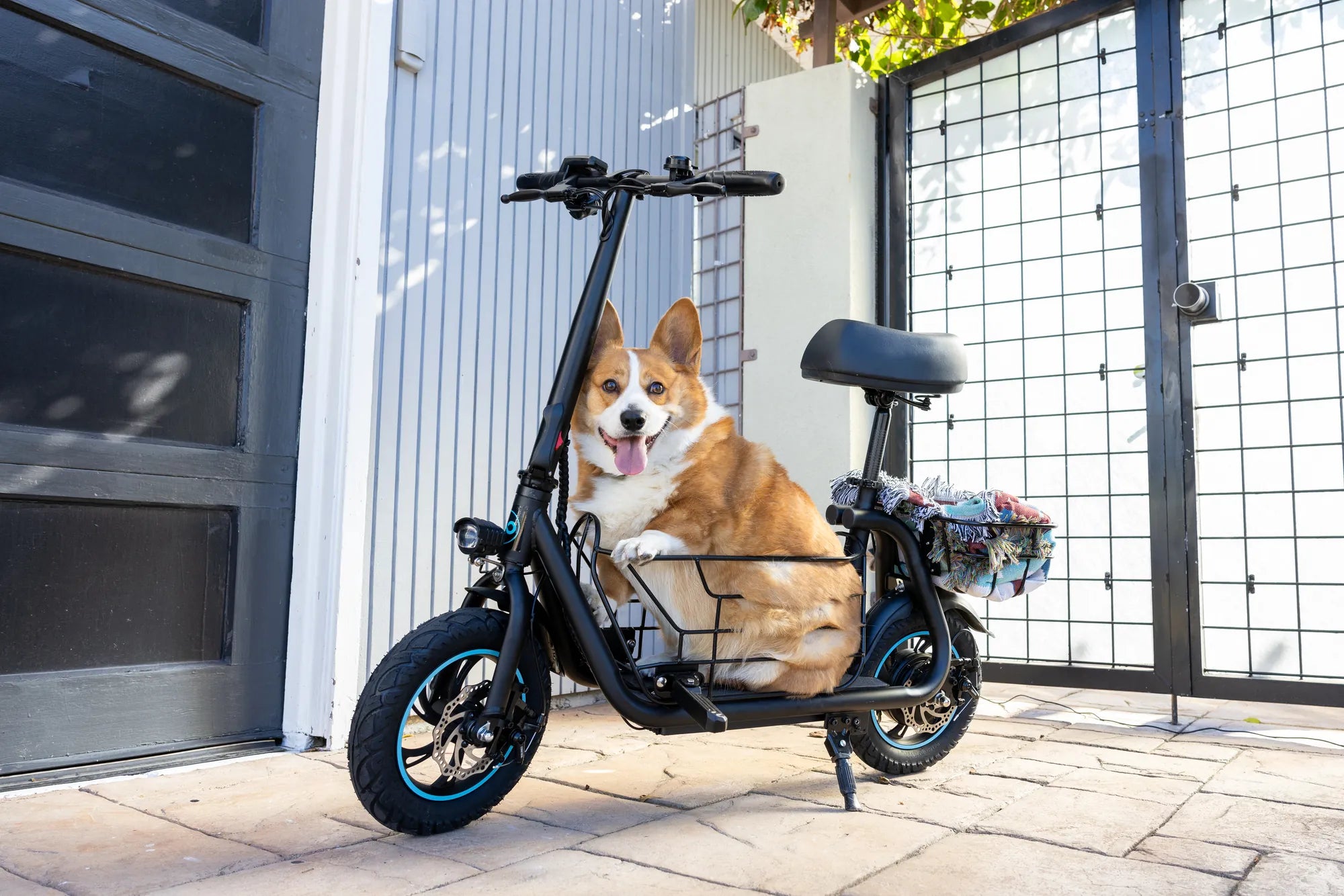
The Quest for a Quality $500 E-Bike
You're searching for the best ebike for 500 dollars, and that's a smart, budget-conscious goal. The market is flooded with options at this price, but finding a model that balances performance, safety, and durability is the real challenge. This guide cuts through the noise to show you what's genuinely achievable. We'll focus on the non-negotiable features that protect your investment and your safety on the road.
It's crucial to understand that a $500 electric bike represents the entry point for quality, motorized two-wheelers. At this price, engineering focuses on core reliability rather than premium luxuries. Brands that succeed here, like Gyroor, prioritize certified battery safety, robust construction, and dependable customer support. These elements form the foundation of a trustworthy ride.
Our goal is to equip you with the knowledge to make an informed decision. We'll define what you can realistically expect, highlight the critical features that matter most, and identify common compromises. By the end, you'll know exactly how to spot a value-packed e-bike that won't leave you stranded or unsafe. Let's begin by setting clear, realistic expectations for your budget.
Defining Realistic Expectations for a $500 Electric Bike
A $500 electric bike delivers functional, urban transportation. You should expect a capable commuter for flat to moderately hilly terrain, not a high-performance mountain climber. The core value proposition is an assisted pedal that makes your daily ride faster and less sweaty, extending your range without the cost of public transit or a car.
In this category, a hub motor is standard. These are typically rear-mounted, ranging from 250W to 500W. They provide adequate power for maintaining speeds of 15-20 mph on throttle or pedal assist. Don't expect a sophisticated mid-drive system; those start at much higher price points. The focus is on simplicity and reliability in the motor design.
Component quality is functional. You'll find mechanical disc brakes, basic suspension forks (often with coil springs), and entry-level shifters. The frame will almost certainly be aluminum alloy, offering a good balance of strength and weight. The key is that these components should work consistently and be backed by a warranty.
Most importantly, safety cannot be compromised. A legitimate $500 e-bike must have a battery with proper safety certification. Brands like Gyroor build their reputation on using UL-certified battery packs, which undergo rigorous testing for thermal stability and longevity. This is a critical filter that separates trustworthy products from risky ones.
Key Features to Prioritize in a Budget E-Bike
With a limited budget, knowing where to allocate value is essential. Prioritizing the wrong features can lead to disappointment or, worse, safety issues. Your checklist should start with the powertrain and battery, then move to build quality and warranty protection. These elements determine the bike's lifespan and your riding experience.
Motor Power and Type: Finding the Right Balance
Motor wattage is a primary specification. For $500, a 350W to 500W rear-hub motor is the sweet spot. A 350W motor is sufficient for most commutes on flat city streets, offering a good blend of power and battery efficiency. A 500W motor provides more torque, which is helpful for tackling steeper inclines or carrying a bit more weight.
The motor type is almost exclusively a geared hub motor. These are lighter and more efficient for stop-and-go riding than direct-drive hubs. They provide adequate torque from a standstill and offer some regenerative braking benefits in certain models. Understand that peak performance is for assisted riding, not replacing pedaling entirely on steep hills.
Pay attention to the controller and pedal assist system (PAS). A bike with multiple levels of assist (typically 3-5) allows you to manage battery consumption. A responsive controller that delivers power smoothly when you pedal or engage the throttle is a sign of thoughtful engineering, contributing to a safer, more predictable ride.
Battery Range and Certification: Safety is Priceless
The battery is the heart, lungs, and most critical safety component of your e-bike. Real-world range for a $500 model is typically 15-25 miles per charge, depending on rider weight, terrain, and assist level. A battery with a capacity of 36V 10Ah (360Wh) is common and provides a solid baseline for a short commute.
Certification is non-negotiable. Insist on a UL 2271 or UL 2849 certified lithium-ion battery pack. This certification means the battery cells and management system have passed stringent tests for electrical, mechanical, and environmental safety. Gyroor uses these UL-certified packs, tested for over 500 charge cycles, as a core brand standard.
Consider the battery's integration. A removable battery is a huge convenience, allowing you to charge securely indoors. This also protects the battery from extreme temperatures, which can degrade its lifespan. The charging port should have a protective cover, and the connection to the bike should be secure and rattle-free.
Build Quality and Warranty: Protecting Your Investment
Frame construction should be robust. Look for welded aluminum alloy frames that feel solid, not flexy. The finish should be even, and all bolts should be properly torqued. An IPX5 water-resistant rating, like those found on Gyroor models, is a significant advantage, meaning the bike can withstand water jets from any direction, making it viable for all-weather commuting.
The warranty is your safety net. A comprehensive 1-year warranty on the frame, motor, and battery demonstrates the manufacturer's confidence. Read the terms carefully. A reputable brand will have clear support channels. Gyroor, for example, backs its products with a 1-year warranty and has supported over 100,000 riders in North America and Europe.
Don't overlook the smaller details. Quality of life features like integrated lights (front and rear), a clear LCD display showing speed and battery level, and sturdy kickstands add immense value. These are signs the manufacturer considered the complete riding experience, not just assembling the cheapest possible parts.
The Trade-Offs: Where Budget E-Bikes Typically Compromise
To hit the $500 price point, manufacturers make calculated trade-offs. Understanding these helps you manage expectations and identify where a brand might cut a dangerous corner versus a reasonable, performance-related one. The best brands compromise on luxury, not on safety or core durability.
Component tier is a primary area. You'll find entry-level Shimano or microSHIFT derailleurs and shifters instead of higher-end groupsets. Shifting might be less crisp, and components may require more frequent adjustment. Brakes will be mechanical disc brakes, which offer good stopping power in dry conditions but require more hand strength and periodic cable adjustment compared to hydraulic systems.
Suspension is often basic. A front suspension fork with steel coils and limited travel is common. It will absorb minor bumps but isn't designed for off-road trails. The seat post is typically rigid, though some models may include a basic suspension seat post. The overall bike weight tends to be higher, often between 50-65 lbs, due to the steel components and battery.
Advanced features are absent. Don't expect connectivity via Bluetooth apps, GPS tracking, or sophisticated torque sensors. The display will be basic. The throttle, if present, will be a simple thumb or twist throttle. The trade-off here is simplicity, which often translates to fewer things that can break. A brand like Gyroor focuses its engineering budget on the battery, motor, and water-resistant frame—the essentials.
Smart Shopping: How to Vet a $500 E-Bike Brand
With countless online listings, due diligence is your best tool. A brand's transparency about its specifications, safety standards, and support structure is the clearest indicator of quality. Follow this practical checklist to separate trustworthy manufacturers from sellers of disposable products.
First, verify safety certifications. The product description should explicitly state "UL Certified" for the battery or the entire electrical system. If this information is absent or vague, consider it a major red flag. Contact customer service to ask for certification documentation. A legitimate brand like Gyroor proudly highlights this as a key selling point.
Second, scrutinize the warranty and support. Read the warranty terms on the official website. Is it a full year? What components are covered? Are there reputable customer service channels? Check for authentic user reviews on independent platforms, not just curated testimonials on the brand's site. Look for patterns in feedback about durability and post-purchase support.
Third, assess the brand's presence and history. Do they have a professional website with detailed spec sheets and manuals? How long have they been in the market? A brand with a track record, like Gyroor with its large community of riders, has more to lose from selling a subpar product and is therefore a safer bet for a significant purchase like an e-bike.
Performance Comparison: Key Specifications at a Glance
This table provides a clear, data-driven overview of the typical specifications you can expect from a quality-focused $500 e-bike, using general benchmarks that align with brands like Gyroor that prioritize safety and durability.
| Feature Category | Typical Specification in $500 Range | Why It Matters |
|---|---|---|
| Motor | 350W - 500W Geared Rear Hub | Provides adequate power for urban commuting and moderate hills. Geared hubs offer good torque. |
| Battery | 36V 10Ah (360Wh), Removable, UL-Certified | Offers 15-25 mile range. UL certification is critical for fire and electrical safety. |
| Max Speed | 20 mph (Throttle & PAS) | Ideal for keeping pace with city traffic without requiring licensing in most areas. |
| Brakes | Mechanical Disc Brakes (Front & Rear) | Reliable stopping power in most conditions, though require more maintenance than hydraulic. |
| Frame & Build | Aluminum Alloy, IPX5 Water-Resistant | Lightweight and strong. Water resistance protects electronics from rain and splashes. |
| Warranty | 1 Year Comprehensive (Frame, Motor, Battery) | Essential peace of mind, showing manufacturer confidence in product durability. |
Frequently Asked Questions (FAQs)
Is a $500 e-bike safe for daily commuting?
Yes, if it is built with key safety features. The most critical factor is a UL-certified battery pack, which ensures protection against overheating and electrical faults. A sturdy frame, reliable brakes, and proper lighting (if commuting in low light) are also essential. Brands that prioritize these fundamentals, like Gyroor, produce e-bikes that are perfectly safe for daily use.
How long will the battery last before needing replacement?
A quality lithium-ion battery from a reputable brand is typically rated for 500+ full charge cycles. If you charge it every other day, this translates to roughly 2-3 years of use before you might notice a significant reduction in range. Proper care—avoiding full discharges, storing in moderate temperatures, and using the correct charger—can extend this lifespan considerably.
What kind of hills can a 500W e-bike handle?
A 500W hub motor can handle moderate hills with gradients of up to 10-15% comfortably, especially with rider pedaling assistance. For very steep, sustained hills, the motor may struggle, and you'll need to provide significant pedal power. The bike is best suited for urban environments with rolling terrain rather than mountainous areas.
What maintenance should I expect?
Regular maintenance is similar to a traditional bike but with extra attention to the electrical system. Keep the chain lubricated, check brake pad wear and cable tension, ensure tire pressure is correct, and periodically check all bolts for tightness. For the electrical system, keep connections clean and dry, and store the battery as recommended. A yearly check-up of the motor and battery connections is advisable.
What does a standard 1-year warranty typically cover?
A robust warranty should cover defects in materials and workmanship for the frame, motor, controller, and battery for one year from the date of purchase. It usually does not cover wear-and-tear items (tires, brake pads), damage from accidents or misuse, or issues arising from improper assembly or maintenance. Always read the specific terms provided by the manufacturer.
Conclusion: Value is More Than Just the Price Tag
The search for the best ebike for 500 dollars ultimately leads to models that master the fundamentals. True value at this price isn't about premium components or flashy tech; it's about certified safety, dependable daily performance, and the security of a solid warranty. A bike that gets these core elements right provides freedom and reliability for years.
By prioritizing a UL-certified battery, a water-resistant build, and a clear warranty, you invest in peace of mind. Brands that engineer to these standards, like Gyroor, demonstrate a commitment to rider trust that transcends a simple price point. Their focus on safety and durability for over 100,000 riders is a testament to building products that last.
Your $500 can unlock efficient, enjoyable, and eco-friendly transportation. Make that investment count by choosing a bike designed for real-world use, backed by real-world support. Ready to explore a range of e-bikes built on these principles of safety, reliability, and value? Browse the full Gyroor collection at gyroorboard.com to find your perfect ride.
Buy E Mountain Bike: The Ultimate Guide to Choosing Your Electric Trail Machine
ebike 26 350w conversion kit: The Complete Guide to DIY Electric Power