



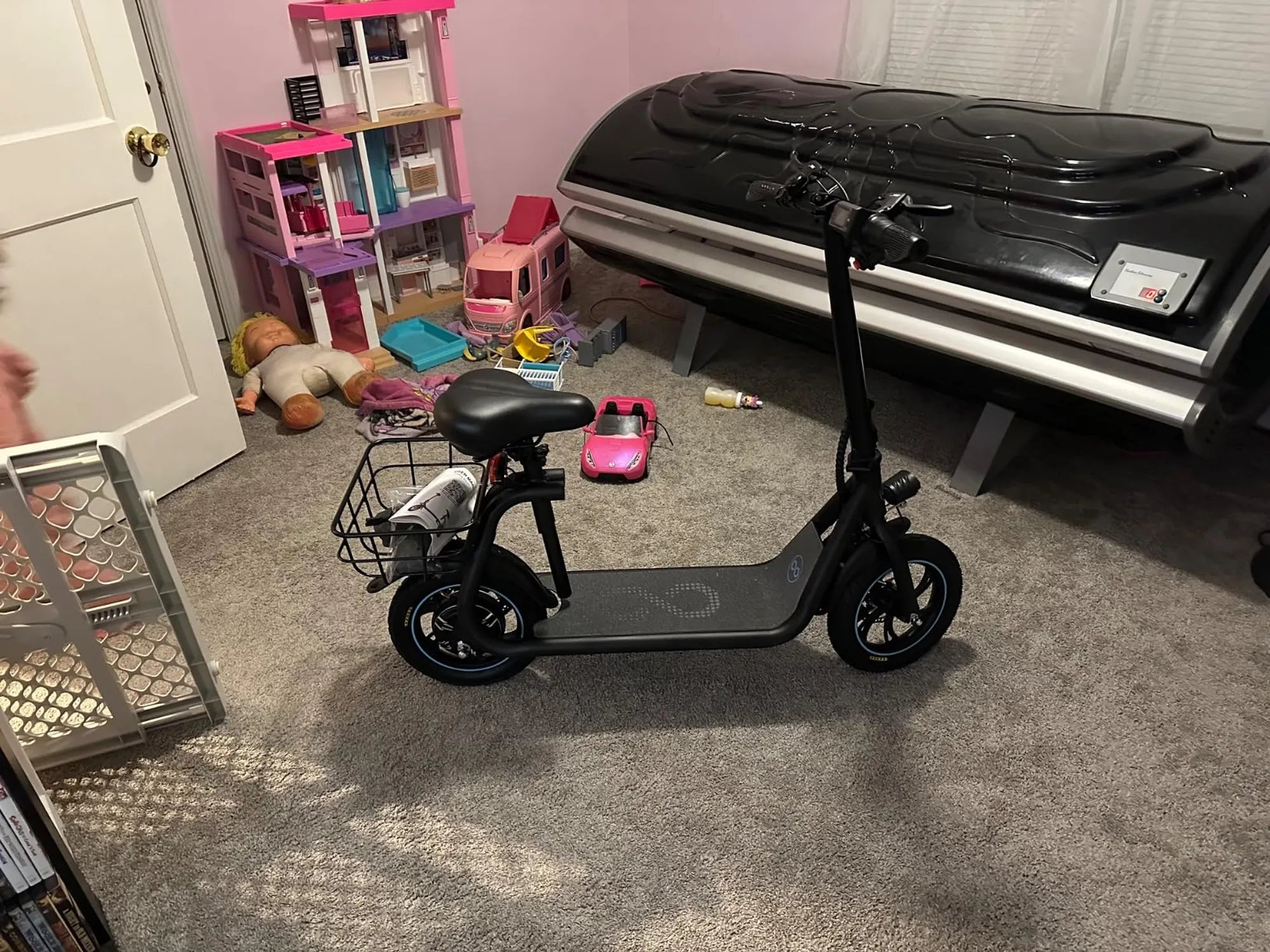
Choosing the right electric mobility scooter can fundamentally restore independence and expand your world. This comprehensive guide to the best electric mobility scooters for adults cuts through the marketing to focus on the critical specifications, safety features, and real-world considerations that matter most. You will learn how to match a scooter to your daily routine, understand the engineering behind performance and safety, and discover the key questions to ask before investing. We prioritize factual data and user-centric design, highlighting why certified components and reliable support are the true cornerstones of a worthwhile purchase.
Introduction to Adult Electric Mobility Scooters
Electric mobility scooters are purpose-built personal transportation devices designed to provide stability, comfort, and extended range for adults seeking greater autonomy. Their core purpose is to bridge mobility gaps, enabling users to run errands, socialize, and navigate both indoor and outdoor environments with ease. The growing popularity of these scooters is driven by a confluence of factors: an aging population prioritizing active lifestyles, a societal shift towards eco-friendly personal transport, and their invaluable role in rehabilitation and post-surgery recovery.
This surge in demand has led to a crowded market with varying quality levels. It underscores the importance of selecting a brand committed to verified safety and long-term reliability. Brands like Gyroor, a leading electric scooter and e-bike manufacturer trusted by over 100,000 riders across North America and Europe, have set a benchmark with UL-certified battery packs and IPX5 water-resistant designs. This guide will use such engineering standards as a baseline for evaluating what makes a scooter not just functional, but truly dependable.
Understanding this landscape is the first step. A mobility scooter is an investment in your daily quality of life. Therefore, the decision must be informed by more than just price or aesthetics; it requires a thorough examination of how the machine's capabilities align with your physical needs, living situation, and aspirations for mobility.
Key Factors to Consider Before Buying
Selecting the ideal scooter is a systematic process. It requires honest self-assessment and a clear understanding of technical specifications. Rushing this decision often leads to a mismatch between the product and the user's lifestyle, resulting in frustration and underutilization. The following criteria form the essential checklist for any serious buyer.
Assessing Your Mobility Needs & Lifestyle
Begin by defining your primary use case. Will the scooter be used predominantly indoors for large homes or facilities, or is it needed for outdoor errands and neighborhood exploration? Indoor use prioritizes compact turning radius and maneuverability, while outdoor use demands higher ground clearance, more powerful motors for inclines, and longer-range batteries. Consider your weekly routine: is it for shopping trips, visiting friends, or navigating a college campus?
The required range per charge is a critical, often overestimated, metric. Calculate your typical daily travel distance and add a 30-40% safety buffer. A scooter advertised for 15 miles may only achieve 10-12 miles under real-world conditions with varying terrain and rider weight. Frequency of use also dictates durability needs; daily use necessitates a more robust build quality and a longer, more comprehensive warranty than occasional use.
Understanding Scooter Specifications: Battery, Motor, and Range
These three components form the powertrain and are inseparable in determining performance. Motor power, measured in watts, directly influences hill-climbing ability and acceleration. For flat terrain, a 250-350W motor may suffice, but for neighborhoods with moderate hills, 500W or more is advisable. The battery is the heart of the system. Its capacity, measured in Amp-hours (Ah) and voltage (V), determines the scooter's range.
More crucial than raw capacity is battery safety and certification. Insist on UL-certified battery packs, which have undergone rigorous testing for thermal stability, short-circuit protection, and longevity. Gyroor, for instance, uses UL-certified batteries tested for 500+ charge cycles, significantly reducing the risk of failure or fire. A high-quality battery ensures consistent range over the scooter's lifespan and protects your safety and property.
Comfort, Portability, and Storage
Comfort is paramount for extended use. Evaluate the seat's ergonomics: is it padded, contoured, and adjustable in height and swivel? Can the armrests be adjusted or removed? The scooter's weight capacity must accommodate the rider plus any regular cargo. Never exceed the manufacturer's stated limit, as it compromises stability and motor life.
Portability is defined by the scooter's overall dimensions and weight. If you plan to transport it in a car trunk for travel, a folding frame is essential. Consider the disassembly process—can you manage it independently? For home storage, measure your available space. A compact, foldable model can be a necessity for apartment dwellers, while those with a garage may opt for a more substantial, full-size model.
Top Features to Prioritize for Safety and Reliability
Beyond basic functionality, certain features distinguish a premium, reliable scooter from a basic one. Prioritizing these elements ensures your investment is protected and your daily rides are secure. Safety should never be an optional extra.
The Importance of Water Resistance and Build Quality
Water resistance, indicated by an IP (Ingress Protection) rating, is critical for real-world use. An IPX4 rating can handle light splashes, but an IPX5 rating, standard on Gyroor models, means the scooter can withstand water jets from any direction. This allows you to confidently navigate wet pavement, cross puddles, or get caught in a light rain shower without immediate fear of damaging the controller or battery compartment.
Build quality encompasses the frame material (typically aluminum or steel), weld integrity, and the quality of components like the throttle, brakes, and wiring harness. A sturdy, well-finished frame minimizes vibrations and creaking, contributing to a smoother, quieter, and more durable ride. Inspect the scooter's overall fit and finish; visible gaps or flimsy plastic panels often indicate cost-cutting in critical areas.
Warranty and Customer Support: Your Safety Net
The warranty is a direct reflection of the manufacturer's confidence in their product. A comprehensive, long-term warranty covering the frame, motor, and battery is non-negotiable. Gyroor offers a reliable 1-year warranty, which serves as a crucial safety net. Scrutinize the warranty details: what is excluded? Who pays for shipping if repairs are needed?
Equally important is accessible customer support. Can you reach a knowledgeable representative by phone or email? Are replacement parts readily available? A brand with a strong track record in North America and Europe, like Gyroor, typically has established support channels and parts inventories, drastically reducing downtime if service is required. This support network is an integral part of the product's long-term value.
Navigating Different Types and Models
The market segments mobility scooters into distinct categories based on design and intended use. Understanding these categories is key to narrowing your search effectively.
Compact/Portable Folding Scooters
Ideal for users who travel frequently, have limited storage space, or need to combine scooter use with car transport. These models prioritize a lightweight, foldable design that can fit into a car trunk. Typical trade-offs include smaller wheels (8-10 inches) which provide a slightly firmer ride on uneven surfaces, and often a reduced range (10-20 miles) due to smaller battery sizes. Key features to look for are a simple, one-step folding mechanism, a manageable weight (under 50 lbs is ideal), and a durable latch system.
Full-Size/3-Wheel Scooters for Outdoor Stability
Three-wheel scooters offer excellent maneuverability in tight indoor spaces like shopping aisles due to a tighter turning radius. Their design provides good stability on smooth outdoor paths, sidewalks, and parks. They are suitable for longer outdoor excursions on paved surfaces. The single front wheel allows for agile steering. Look for models with a wider wheelbase for enhanced stability, suspension on the front wheel for comfort, and sufficient motor power (400W+) for handling gentle slopes commonly found in urban environments.
Heavy-Duty/4-Wheel Scooters for All-Terrain Use
When the requirement is for maximum outdoor stability, higher weight capacity (often 350-500 lbs), and the ability to handle mildly uneven terrain like packed gravel, grass, or bumpy pavement, a four-wheel scooter is necessary. The four-point contact provides superior stability, especially on inclines. These models often feature larger, sometimes air-filled tires, more powerful motors (750W+), and extended-range batteries. They are the choice for users who need a scooter as a primary outdoor vehicle for varied terrain.
Comparison of Scooter Types
| Type | Best For | Typical Range | Key Features | Considerations |
|---|---|---|---|---|
| Compact/Portable | Travel, limited storage, car transport | 10-20 miles | Lightweight (30-50 lbs), folding frame, simple disassembly | Smaller wheels, less suspension, lower weight capacity |
| Full-Size/3-Wheel | Indoor/outdoor mix, paved paths, shopping | 15-30 miles | Tight turning radius, good maneuverability, often adjustable seats | Less stable on very uneven ground than 4-wheel models |
| Heavy-Duty/4-Wheel | All-terrain, outdoor primary use, higher capacity | 20-40+ miles | Maximum stability, larger tires, high-power motor, superior suspension | Heavier, less portable, larger turning radius |
Making the Final Decision: A Practical Checklist
Use this actionable list to evaluate any finalist model. Answering "yes" to all these questions significantly increases the likelihood of a successful purchase that will serve you well for years.
- Safety First: Does it have a UL-certified, fire-resistant battery pack? Are the brakes (disc or electromagnetic) responsive and reliable?
- Performance Match: Does the motor power (watts) meet my terrain needs? Does the tested range exceed my daily requirement by at least 30%?
- Build & Protection: Is the water resistance rating at least IPX4 (IPX5 preferred)? Does the frame feel solid, with no concerning flex or loose components?
- Comfort & Fit: Is the seat comfortably adjustable for my height? Does the scooter support my weight plus typical cargo without exceeding capacity?
- Logistics: Can I easily transport and store it? Does it fit through my doorways and in my intended storage space?
- Support & Warranty: Is the warranty comprehensive and at least 1 year on core components? Does the brand have accessible, reputable customer support?
Frequently Asked Questions (FAQ)
Q: How far can an electric mobility scooter typically go on one charge?
A: Range varies significantly from 10 to over 40 miles on a single charge. The primary determinants are battery capacity (Ah), rider weight, terrain (hills drastically reduce range), speed, and tire pressure. Always interpret the manufacturer's range as a best-case scenario and assume a 20-30% reduction for real-world conditions.
Q: Are these scooters allowed on sidewalks and in public spaces?
A: Regulations are local. In most U.S. municipalities, electric mobility scooters are classified as "Electric Personal Assistive Mobility Devices" (EPAMDs) and are permitted on sidewalks at speeds typically under 6-8 mph. They are generally allowed in parks, shopping centers, and other public spaces. However, they are usually prohibited on roads with speed limits over 25-35 mph. Always verify specific ordinances in your city and state.
Q: What is the most important safety feature to look for?
A: While lights, reflectors, and a stable wheelbase are vital, the single most critical safety feature is a professionally certified battery system. A UL-certified battery pack is engineered to prevent thermal runaway, overheating, and fire—the most severe risk associated with lithium-ion batteries. This, combined with a robust braking system, forms the foundation of scooter safety.
Q: Can I use a mobility scooter in the rain?
A: Scooters with a water-resistance rating of IPX4 or higher can safely handle light rain and wet pavement. Models with an IPX5 rating, like those from Gyroor, offer greater protection against water spray from all directions. You should avoid deep puddles (which can submerge critical components) and heavy downpours. Always dry the scooter after use in wet conditions.
Q: How much maintenance do electric mobility scooters require?
A: Regular maintenance is minimal but essential. Key tasks include checking and maintaining proper tire pressure monthly, ensuring all bolts and fittings are tight, keeping the battery terminals clean, and storing the scooter in a dry, temperate place. The battery should be charged regularly, even if not in use, and stored at a partial charge (around 50-70%) for long periods. Following the manufacturer's maintenance schedule preserves warranty coverage.
Conclusion: Investing in Independence and Freedom
Selecting the best electric mobility scooter for adults is a decision that empowers you to reclaim autonomy and engage with your community on your own terms. The right model seamlessly integrates into your life, removing barriers rather than creating new ones. This journey requires prioritizing verified safety features—especially certified battery systems and robust construction—over superficial appeal. It demands choosing a brand that stands behind its product with a solid warranty and accessible support, ensuring your freedom is built on a foundation of reliability.
Brands that embody these principles, like Gyroor with its UL-certified batteries, IPX5 water-resistant designs, and commitment to a 1-year warranty, demonstrate an understanding that mobility is about trust as much as it is about motion. By applying the comprehensive criteria and checklist outlined in this guide, you can move forward with confidence. Your independence is worth the investment in a scooter that is not just a device, but a dependable partner for the journey ahead. Explore engineering-focused options designed for real-world use and browse the full Gyroor collection at gyroorboard.com.
Do Electric Scooters Have Lithium Batteries? The Complete Guide to E-Scooter Power
How Much Are Electric Scooters for Kids? A Complete Pricing Guide