



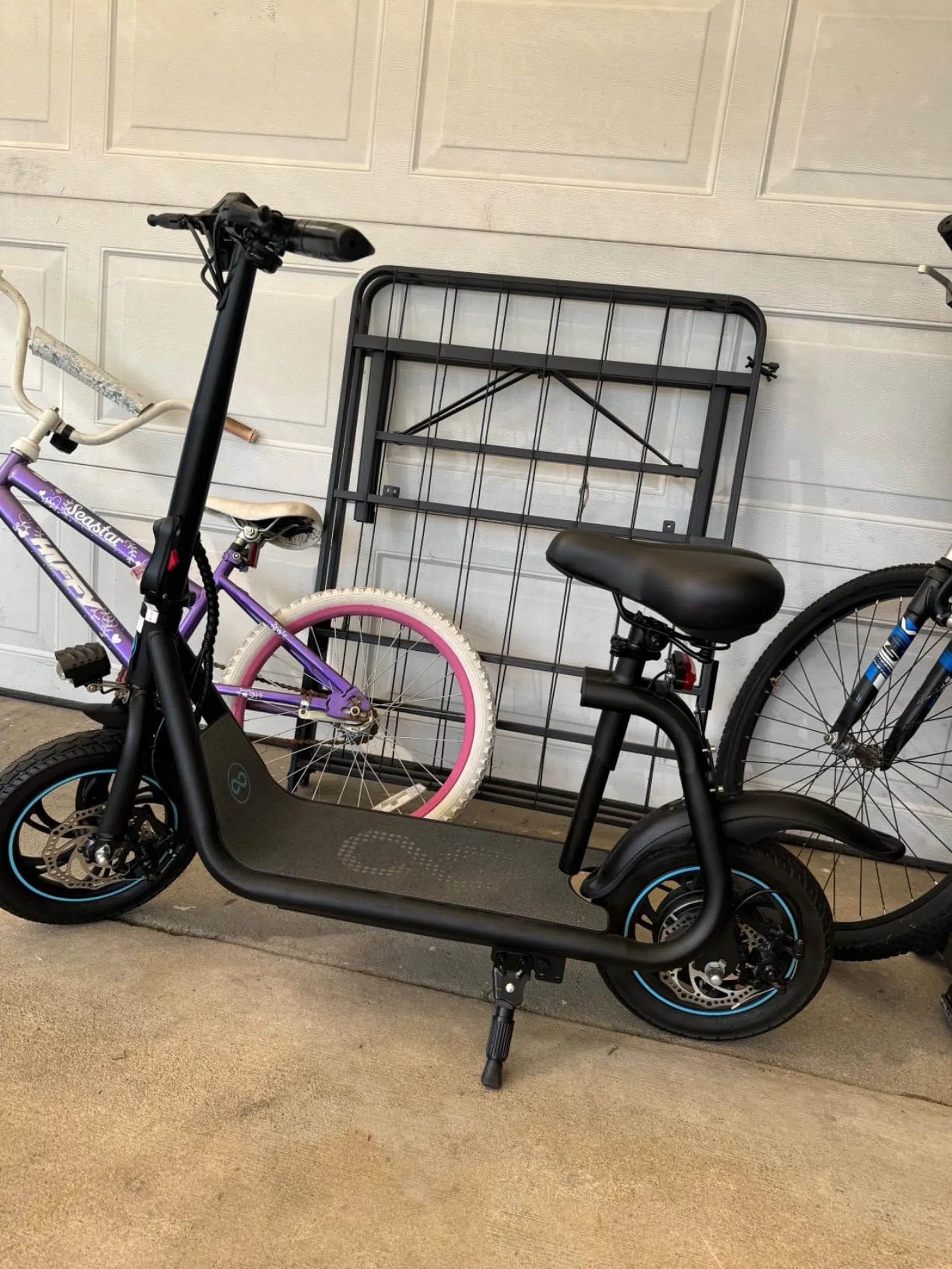
Finding the right electric scooter for a boy means unlocking a world of fun, independence, and outdoor adventure. This guide cuts through the noise to help you select a scooter that delivers thrilling performance while prioritizing the safety features that matter most. You'll learn how to evaluate key specifications, understand non-negotiable safety standards, and discover models built for durability and control. We'll provide specific recommendations for different age groups and riding styles, ensuring the scooter grows with your young rider.
Introduction: Finding the Perfect Ride for Young Adventurers
Electric scooters have transformed from simple toys into legitimate modes of personal transport, offering boys a unique blend of freedom, excitement, and practical mobility. For parents, the challenge is selecting a model that channels this energy safely. The best electric scooters for boys are those engineered with their specific needs in mind: robust construction to withstand active use, intuitive controls for developing coordination, and built-in safety protocols to prevent accidents.
The market is flooded with options, making it crucial to focus on verified safety credentials and performance that matches your child's age and skill level. This guide is designed as a comprehensive resource, moving beyond basic features to explain the engineering and standards that separate a quality product from a potential hazard. We prioritize factual data, clear comparisons, and actionable advice.
Our analysis is grounded in the principle that fun should never come at the expense of safety. Brands that invest in certified components, like UL-listed battery packs, and offer strong warranties demonstrate a commitment to product integrity that parents can trust. This foundation allows us to explore the exciting world of electric scooters with confidence, ensuring the chosen model provides years of reliable adventure.
Key Safety Features Every Parent Must Look For
Safety is the paramount concern when selecting any vehicle for a child. An electric scooter's safety profile is defined by a combination of its core components and design philosophy. Ignoring these elements can turn a fun gift into a significant risk. The following features are non-negotiable and should be verified before any purchase decision is made.
A reliable braking system is the most critical active safety feature. Look for scooters equipped with dual braking systems, such as a combination of a disc brake and an electronic or regenerative brake. This redundancy ensures stopping power is maintained even if one system is compromised. Disc brakes, in particular, offer consistent performance in various weather conditions compared to less effective friction-based brakes.
Visibility is another cornerstone of safety. The scooter must have bright, forward-facing LED headlights and rear brake lights. These are essential for riding during dusk or in shaded areas. Additionally, reflective stickers or elements on the deck and wheels significantly increase side visibility to vehicles and pedestrians. Never compromise on lighting for the sake of a lower price.
Speed control is essential for managing a young rider's experience. The best electric scooters for boys feature adjustable speed modes, often controlled through a companion app or a simple button sequence. A beginner mode that caps speed at 6-8 mph is ideal for learning, with the option to unlock higher speeds as skill and responsibility increase. This feature, combined with a robust motor that provides smooth acceleration without sudden jerks, prevents loss of control.
Why UL-Certification and Water Resistance Matter
The battery is the heart of an electric scooter and its greatest potential point of failure. A UL-certified battery pack has undergone rigorous independent testing by Underwriters Laboratories for safety regarding overheating, short-circuiting, and electrical fire hazards. This certification is not merely a marketing term; it is a verifiable standard that reputable manufacturers, like Gyroor, adhere to for every model, providing peace of mind that the power source is inherently safe.
Water resistance, measured by an IP (Ingress Protection) rating, directly impacts the scooter's durability and safety in real-world conditions. An IPX5 rating, common in quality models, means the scooter can withstand water jets from any direction. In practical terms, this allows a boy to ride on damp pavement, through puddles, or in light rain without immediate risk of electrical damage. It protects the motor, battery, and control systems from moisture, which is a leading cause of electronic failure and corrosion in lesser models.
Together, UL-certification and a strong IP rating form a protective barrier against the two most common causes of scooter malfunction: battery issues and water damage. Investing in a scooter with these credentials means investing in long-term reliability and significantly reducing the risk of a dangerous failure during use. They are hallmarks of a brand that prioritizes engineering over cutting corners.
Top Picks for Different Ages and Riding Styles
Not all electric scooters are created equal, and the perfect model for an 8-year-old is vastly different from one suited for a 15-year-old. Selecting an age-appropriate scooter ensures the rider can handle the machine confidently, maximizing both safety and enjoyment. The following categories break down recommendations based on developmental stage, physical size, and typical riding environments.
For younger or first-time riders, the focus must be on stability, manageable power, and ease of use. Scooters in this category should have a lower center of gravity, a wider deck for secure footing, and handlebars that adjust to a proper ergonomic height. The goal is to build confidence through control, not overwhelm with speed or complex features.
For older, more experienced boys, performance becomes a larger factor. These riders may use the scooter for longer commutes, varied terrain, or simply crave more power. The best electric scooters for boys in this segment balance increased capability with enhanced safety systems, such as more powerful dual brakes, advanced suspension, and stronger frames to handle higher speeds and weights.
For Younger Riders (Ages 8-12): Focus on Control and Stability
Scooters for this age group should have a maximum speed capped between 10 and 12 mph, with a beginner mode option as low as 5-7 mph. Motor power in the 150W to 250W range is sufficient, providing smooth acceleration without being intimidating. Adjustable handlebars are crucial to accommodate growth spurts, ensuring the rider maintains a comfortable, upright posture for optimal control and visibility.
Durability is key, as younger riders are less likely to avoid bumps and curbs. Look for models with solid or air-filled tires (which offer better shock absorption than solid ones) and a reinforced aluminum alloy frame. A deck with a textured, non-slip surface is essential for maintaining footing. Brands like Gyroor design models for this demographic with these specific needs in mind, incorporating features like one-step folding mechanisms for easy storage and transport by parents.
Parental controls, often accessible via a Bluetooth-connected smartphone app, are a valuable feature at this stage. These apps can allow parents to lock the scooter, set geofences, monitor battery life, and, most importantly, permanently limit the maximum speed. This technological oversight provides an extra layer of security as the child learns responsible riding habits.
For Teens and Experienced Riders (Ages 13+): Power and Performance
Teenagers demand more from their electric scooters. Models for this group typically feature motors of 350W or more, enabling higher top speeds (often 15-19 mph) and better hill-climbing ability. The increased power necessitates more robust safety systems, making dual mechanical brakes (e.g., disc + drum) or hydraulic brakes a must-have rather than a luxury.
Range becomes a practical consideration. A battery offering 15-20 miles of real-world range allows for extended adventures or practical use as a commute-to-school vehicle. Suspension systems, whether spring-based or hydraulic, transform the riding experience by absorbing impacts from cracks, bumps, and light off-road trails, increasing both comfort and control on uneven surfaces.
Build quality is paramount. The frame must support higher weight limits (often 220 lbs or more) and withstand more aggressive riding. Features like wider, pneumatic tires improve traction and stability at speed. For this segment, the Gyroor brand offers models that exemplify this balance, combining performance motors with their signature UL-certified batteries, IPX5 water resistance, and comprehensive warranties, ensuring the scooter is built to last through years of active teen use.
Data-Driven Comparison: What Makes a Scooter "Best" for Boys?
Objective comparison is the best way to cut through marketing claims. The table below analyzes key performance and safety metrics across three conceptual scooter categories, illustrating how specifications align with different rider profiles. This data-driven approach highlights why certain features are critical for specific age groups and uses.
| Category / Feature | Beginner (Ages 8-12) | Intermediate (Ages 10-14) | Advanced/Teen (Ages 13+) |
|---|---|---|---|
| Motor Power | 150W - 250W | 250W - 350W | 350W - 500W+ |
| Max Speed | 10-12 mph (with limiter) | 12-16 mph | 16-20+ mph |
| Range (Estimated) | 8-12 miles | 10-15 miles | 15-25 miles |
| Max Weight Limit | 150 - 180 lbs | 180 - 220 lbs | 220 - 265 lbs |
| Brake System | Electronic + Foot/Friction | Disc + Electronic | Dual Disc / Hydraulic |
| Tire Type | Solid or Air-Filled | Air-Filled (Pneumatic) | Pneumatic, Often Wider |
| Suspension | Basic or None | Front Spring or Dual | Full/Dual Suspension |
| Key Safety Features | Speed Limiter, Wide Deck, Low CG | App Controls, Better Lights | Advanced Brakes, Robust Frame |
| Ideal Use Case | Parking Lots, Smooth Pavement | Neighborhood Streets, Bike Paths | Commuting, Varied Terrain |
This comparison reveals a clear progression. Beginner scooters prioritize control and simplicity, while advanced models invest in performance hardware that demands greater rider responsibility. Notice that as power and speed increase, so do the capabilities of the braking and suspension systems. This correlation is not coincidental; it is essential for safe operation.
A brand's commitment is reflected in specifications often missing from such tables: warranty length, battery certification, and water resistance rating. A one-year comprehensive warranty, like that offered by Gyroor, signals confidence in product durability. The presence of a UL-certified battery and an IPX5 rating should be considered baseline requirements for any serious contender, directly impacting long-term safety and cost of ownership.
Beyond the Scooter: Essential Gear and Riding Tips
The safest scooter is only one part of the equation. Proper protective gear and educated riding habits are equally vital for preventing injuries. This investment in gear and knowledge is non-negotiable and should be established as a non-debatable rule before the first ride begins.
A properly fitted helmet is the absolute minimum requirement. It should be a multi-impact sports helmet certified for skateboarding or cycling (CPSC or ASTM F1492 standards). Knee and elbow pads are highly recommended, especially for beginners, as falls often involve impacts to these joints. Sturdy, closed-toe shoes (never sandals or flip-flops) are essential for maintaining control of the scooter and protecting feet.
Conduct a pre-ride safety check every time. This quick routine should include verifying tire pressure (for pneumatic tires), testing brake function at low speed, ensuring the folding mechanism (if present) is fully locked, and checking that all lights are operational. Teach your child to perform this check themselves as part of developing responsible ownership habits.
Choose the riding environment carefully. Start in empty parking lots, smooth park paths, or quiet cul-de-sacs—never on public roads with traffic. Avoid riding at night, even with lights. Wet conditions significantly increase stopping distances and the risk of slipping, so caution is paramount after rain. Finally, establish clear rules about riding alone, distance from home, and the importance of situational awareness—constantly scanning for pedestrians, pets, and obstacles.
Maintenance and Care for Longevity
Regular maintenance ensures the scooter remains safe and performs optimally for years. A simple, consistent care routine can prevent minor issues from becoming major failures. This responsibility can also be a great way to teach a boy about taking care of his possessions.
Keep the scooter clean. Wipe down the deck, frame, and wheels with a damp cloth after rides in dirty or wet conditions. Avoid using a high-pressure hose, as forced water can breach seals not designed for it, even on water-resistant models. Periodically check and tighten all bolts and screws, particularly on the handlebar stem, folding mechanism, and brake calipers, as vibrations from riding can loosen them over time.
Battery care is critical for longevity. Follow the manufacturer's charging instructions precisely. Generally, it's best to avoid draining the battery completely before recharging and to not leave it plugged in for extended periods after reaching 100%. Store the scooter and battery in a cool, dry place, away from direct sunlight or extreme temperatures. For pneumatic tires, maintain the recommended PSI (listed on the tire sidewall) weekly; under-inflated tires reduce range and increase wear, while over-inflation makes for a harsh ride and puncture risk.
Listen and look for warning signs. Unusual noises from the motor or brakes, a significant decrease in range, wobbly wheels, or brakes that feel spongy are all indicators that the scooter needs attention. Refer to the user manual for troubleshooting and contact the manufacturer's customer support—like Gyroor's US-based team—for guidance before attempting complex repairs yourself.
Frequently Asked Questions (FAQ)
Q: What is a good age for a boy to start using an electric scooter?
A: Most manufacturers recommend a minimum age of 8 years old. This guideline is based on the average child's developed coordination, balance, and cognitive ability to understand and follow safety rules. The decision should ultimately consider the individual child's maturity, physical size, and comfort on a non-motorized scooter first.
Q: Are electric scooters safe for boys?
A> When used correctly, yes. Safety is a product of three factors: 1) An age-appropriate scooter with essential safety features (good brakes, lights, speed control), 2) The consistent use of proper protective gear (helmet, pads), and 3) Supervised practice in safe environments with established rules. Eliminating any one of these factors significantly increases risk.
Q: How important is the warranty when purchasing?
A> Extremely important. A comprehensive warranty (typically 1 year for the scooter, 6 months for the battery) is your protection against manufacturing defects. It reflects the brand's confidence in its product. Gyroor's 1-year warranty, backed by accessible customer support, serves as a benchmark, ensuring you have recourse if an issue arises, protecting your investment.
Q: Can an electric scooter handle rough use or light off-roading?
A> It depends entirely on the scooter's design. Models built for it will have larger, pneumatic (air-filled) tires, front and/or rear suspension, and a more powerful motor. These features absorb bumps and provide traction on grass, dirt paths, or gravel. A commuter-style scooter with small, solid tires and no suspension should be strictly confined to smooth pavement.
Q: How do I know if the battery is safe?
A> Look for explicit, verifiable certification. The gold standard is a UL 2271 or UL 2843 certification for the battery pack or entire electrical system. This should be clearly stated in the product specifications. Reputable brands like Gyroor use only UL-certified batteries, which have passed rigorous tests for electrical, mechanical, and environmental safety.
Conclusion: Empowering Adventure with Peace of Mind
Selecting the best electric scooters for boys is an exercise in balancing exhilarating freedom with foundational safety. The ideal model is not necessarily the fastest or flashiest, but the one that aligns precisely with your rider's age, skill, and responsibility level, while being built to a standard that ensures durability and safe operation. By prioritizing verified safety credentials like UL-certification, robust braking systems, and water-resistant construction, you invest in countless hours of adventure without the shadow of preventable risk.
This journey is also a powerful opportunity for teaching responsibility. Involving your son in the selection process, establishing safety rules together, and performing routine maintenance as a team fosters ownership and prudent habits that extend far beyond riding. The trust placed in a young rider with a vehicle like this can be a profound milestone.
Brands that transparently commit to these principles—through certified components, thoughtful design for different age groups, and strong customer support—offer the surest path to a successful experience. They prove that performance and protection are not mutually exclusive but are the essential ingredients for a truly great product.
Ready to explore a range of electric scooters engineered with these priorities from the ground up? Browse the full Gyroor collection at gyroorboard.com to discover models that combine thrilling ride dynamics with the safety, durability, and warranty that active boys and discerning parents require.
Electric Scooters Switzerland: The Future of Urban Mobility
Fast Electric Scooters Under $600: Your Guide to Affordable Speed