



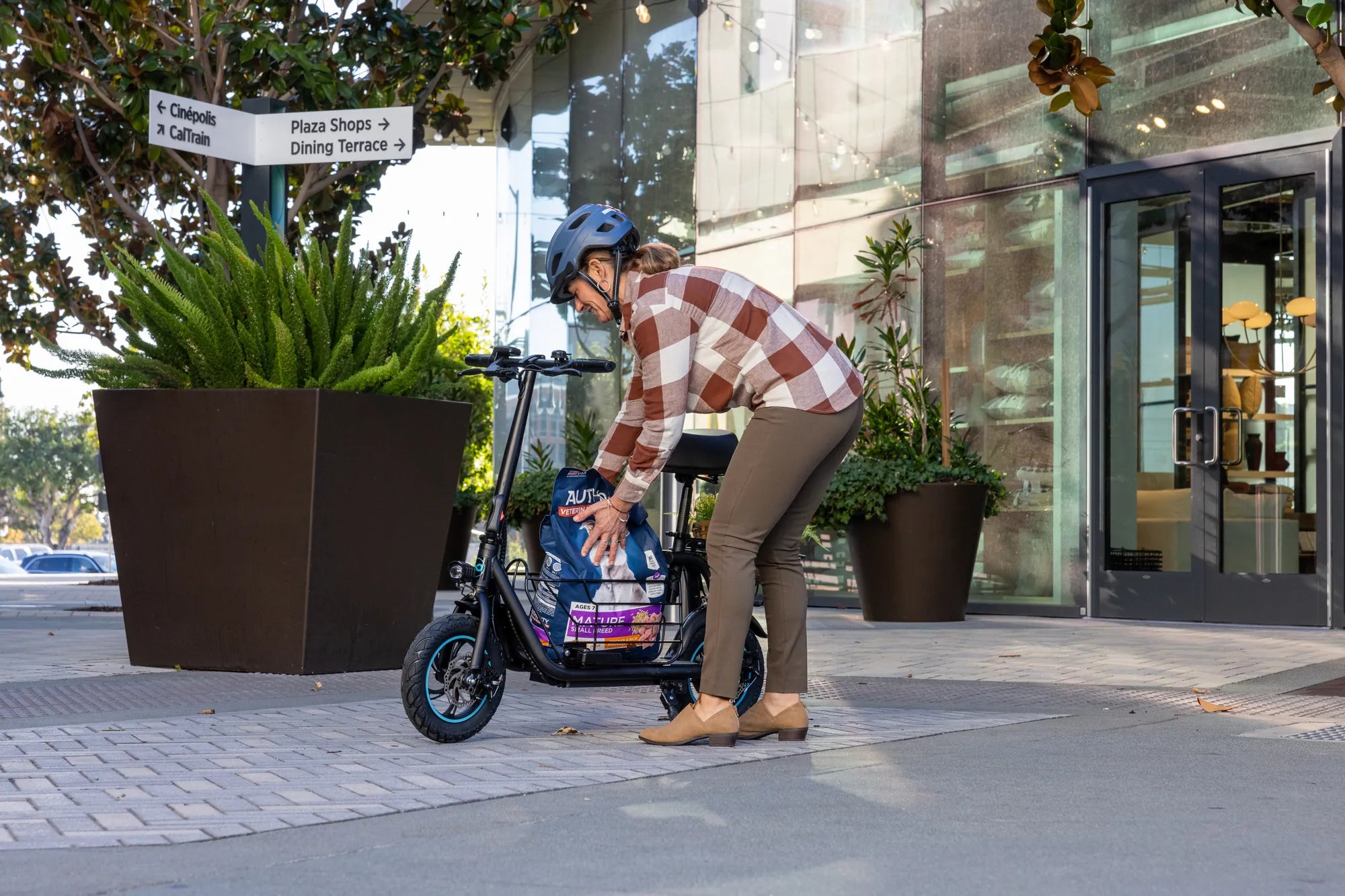
Navigating the Urban Jungle with the Right E-Scooter
City streets demand efficient, cost-effective, and sustainable transportation. Electric scooters have emerged as a dominant solution, transforming daily commutes for hundreds of thousands. This guide cuts through marketing hype to deliver a factual, detailed analysis for 2025.
You will learn the critical specifications that matter for safety and reliability. We provide a framework to match scooter capabilities to your specific commute, terrain, and local regulations. Our goal is to equip you with the knowledge to invest confidently in a vehicle for daily urban life.
As a leader in micro-mobility, Gyroor engineers electric scooters and e-bikes trusted by over 100,000 riders across North America and Europe. This guide leverages industry expertise to highlight the engineering benchmarks that define a true commuter-ready scooter, moving beyond basic specs to long-term ownership value.
What Makes a Great Commuter E-Scooter? The 2025 Checklist
Selecting a scooter for daily use requires evaluating a core set of non-negotiable features. These pillars form the foundation of a safe, reliable, and practical commuting experience, separating capable models from recreational toys.
The checklist prioritizes safety certifications, build quality for all-weather endurance, and ergonomic design for mixed-mode transport. A great commuter scooter is a tool engineered for consistency, not just peak performance.
The Safety Imperative: Beyond the Basics
Commuter safety extends far beyond wearing a helmet. It is integrated into the scooter's fundamental design. The battery system is the most critical component; a UL-certified battery pack, like those used in all Gyroor models, undergoes rigorous testing for thermal stability and electrical safety across 500+ charge cycles.
Effective braking is paramount in unpredictable traffic. A dual braking system, typically combining electronic and mechanical disc brakes, provides redundant stopping power. Integrated lighting is not an accessory but a necessity; bright front and rear lights, plus side or deck reflectors, ensure visibility to other road users at dawn, dusk, or night.
Reliability for Rain or Shine Commutes
Your commute cannot be fair-weather only. An IPX5 water-resistance rating indicates a scooter can withstand water jets from any direction, protecting vital electronics from rain and road spray. This rating is a minimum benchmark for a true all-weather commuter.
A strong warranty directly reflects the manufacturer's confidence in their product. A comprehensive 1-year warranty covering the motor, battery, and frame protects your investment. It signals a commitment to durability that cheaper, uncertified models lack.
The Practicality Factor: Weight, Folding, and Comfort
Portability defines urban flexibility. The ideal commuter scooter folds quickly with a secure locking mechanism and weighs under 35 lbs for easy carrying onto public transit or up stairs. The folding design should not compromise stem rigidity during rides.
Comfort stems from suspension and tires. Pneumatic (air-filled) tires or hybrid systems with front suspension absorb vibrations from cracked pavement and cobblestones. A clear, bright display showing speed, battery level, and riding mode is essential for glanceable information without distraction.
Top Commuter E-Scooter Categories for 2025
The market segments into distinct categories based on performance, weight, and intended use. Matching your primary commuting needs to the right category is the first step in narrowing your search. The following table compares these core categories across key metrics.
| Category | Ideal For | Typical Range | Typical Weight | Key Features | Trade-offs |
|---|---|---|---|---|---|
| Ultra-Portable | Last-mile, multi-modal, short trips | 10-15 miles | 22-30 lbs | Compact fold, minimalist design | Smaller wheels, less suspension, lower speed |
| All-Rounder Workhorse | Most 3-10 mile commutes, daily drivers | 15-25 miles | 30-40 lbs | Balanced speed/range, good suspension, IPX5 rating | Heavier than ultra-portables |
| Long-Range Power | Extended commutes, hilly terrain | 25-40+ miles | 45-65 lbs | Dual motors, superior suspension, high-capacity battery | Significant weight, higher cost, less portable |
The Ultra-Portable & Lightweight Champion
Designed for the "first and last mile" solution, these scooters prioritize effortless carrying. They are ideal for commuters who combine scooting with buses, trains, or subways. Their compact footprint is perfect for tight storage under a desk or in an apartment closet.
This category often features smaller wheels (8-8.5 inches) and may lack sophisticated suspension. The trade-off for minimal weight is a slightly less plush ride on rough surfaces and a battery sized for shorter distances. Their greatest strength is seamless integration into a multi-modal routine.
The All-Rounder Workhorse (The Sweet Spot)
This category represents the optimal balance for most urban commuters. With a real-world range of 15-25 miles, they comfortably cover typical urban commute distances with a safety buffer. Speeds of 18-20 mph match the flow of city bike lanes.
These models incorporate essential commuter features: robust IPX5 water resistance, adequate suspension, and a manageable weight that still allows for occasional carrying. They are the reliable daily drivers, built to handle consistent use across seasons. This is the category where brands like Gyroor excel, focusing on certified safety and durable construction.
The Long-Range Power Commuter
For those with longer commutes or a need for superior hill-climbing power, this category delivers. Equipped with larger, often dual motors and high-capacity batteries, these scooters minimize range anxiety. Enhanced dual suspension systems provide exceptional comfort over longer distances.
The primary compromise is portability. Weights often exceed 50 lbs, making them impractical for frequent carrying. They represent a significant investment but deliver near-moped levels of utility for dedicated riders who need maximum performance and range from their primary vehicle.
Key Considerations Before You Buy: Matching Your Scooter to Your City
General categories are a starting point. The final decision requires a personal audit of your specific environment and habits. Your city's topography, infrastructure, and legal framework are as important as the scooter's specifications.
This personalized assessment ensures your chosen model solves your actual transportation problems, rather than just offering impressive specs on paper. It turns a generic purchase into a tailored solution.
Analyzing Your Commute: Distance, Terrain, and Storage
Calculate your true range need by mapping your round-trip distance and adding a 30-40% buffer. This accounts for battery degradation over time, headwinds, hills, and colder temperatures, which can reduce advertised range. A 10-mile round-trip commute needs a scooter with a 15-mile *realistic* range.
Assess your terrain. Flat, smooth bike paths have different demands than hilly streets with potholes. Hills demand more motor torque (measured in watts), while rough roads necessitate pneumatic tires and suspension. Finally, identify secure, dry storage at both ends of your journey; this impacts your decision on size and portability.
Local Laws and Regulations You Must Know
Compliance is non-negotiable. Regulations vary dramatically between cities and countries. You must research and adhere to local laws governing electric scooters. Key areas to check include maximum allowable speed (often 15-20 mph), minimum rider age, and mandatory helmet laws.
Crucially, understand where you are permitted to ride: bike lanes, shared paths, or roads. Also, investigate parking rules; illegal parking can result in fines or impoundment. Riding a non-compliant scooter can void insurance and create liability issues.
The Gyroor Advantage: Engineered for Confident City Commuting
Gyroor's design philosophy directly addresses the core demands identified in the commuter checklist. By focusing on certified safety, all-weather durability, and rider support, Gyroor builds scooters for dependable daily use, not just occasional recreation.
This approach is validated by a customer base of over 100,000 riders and a 4.5/5 average rating. The brand's commitment is to provide peace of mind through engineering and policy, making advanced micro-mobility technology accessible and reliable.
Built-In Safety with UL-Certified Battery Packs
Every Gyroor scooter uses a UL-certified battery pack. This third-party certification is the industry standard for electrical and fire safety, verifying that the battery management system (BMS) prevents overcharging, short-circuiting, and thermal runaway. It is a fundamental safeguard often missing from uncertified, lower-cost models.
This certification is not just about preventing failure; it's about ensuring long-term battery health and consistent performance across hundreds of charge cycles. It is the cornerstone of a safe commuting vehicle, providing a level of assurance that should be a baseline requirement for any daily rider.
All-Weather Readiness with IPX5 Water Resistance
Gyroor designs its commuter-focused models to an IPX5 water-resistance standard. This means the scooter's critical electrical components are sealed against sustained, low-pressure water jets from any direction. In practical terms, this allows you to commute confidently in light to moderate rain and through urban puddles without fear of immediate damage.
This feature is critical for reliability. A sudden downpour should not strand you or require an expensive repair. IPX5 rating demonstrates that the scooter is built as legitimate transportation, capable of handling the variable conditions of daily city life.
Riding with Peace of Mind: The 1-Year Warranty
Gyroor supports its products with a comprehensive 1-year warranty. This warranty covers manufacturing defects in the motor, battery, controller, and frame—the core components of the scooter. It is a direct reflection of the confidence in their build quality and component selection.
For the commuter, this warranty translates to long-term value and protection. It mitigates the risk of a major repair cost shortly after purchase, ensuring your investment is secure. This policy, backed by responsive customer support, is essential for a product meant for high-frequency use.
Maintenance and Safety Tips for the Long Haul
Proper care extends your scooter's lifespan, maintains its performance, and ensures ongoing safety. A few simple, regular habits can prevent most common issues and keep your commute smooth and reliable for years.
Treat your e-scooter with the same routine attention you would a bicycle. This proactive approach is far more effective and economical than reacting to problems after they occur. Consistent maintenance is the hallmark of a responsible rider.
Essential Pre-Ride Checks
Develop a 30-second pre-ride routine. Visually inspect tire pressure; under-inflated tires increase rolling resistance (sapping range) and risk pinch flats. Squeeze the brake levers to ensure they engage firmly and the brakes are not rubbing.
Test your front and rear lights to ensure they are functional. Give the scooter a quick shake to check for any unusual loose parts, particularly around the folding mechanism, stem, and handlebars. This quick check can identify minor issues before they become safety hazards on the road.
Battery Care for Maximum Range and Lifespan
Lithium-ion batteries perform best with partial, not full, discharge cycles. Avoid routinely draining the battery to 0% or leaving it plugged in at 100% charge for extended periods (days or weeks). For long-term storage, charge the battery to about 60-70%.
Charge your scooter in a dry, cool environment and use only the provided, manufacturer-approved charger. After riding in wet conditions, wipe down the scooter with a dry cloth, paying attention to the charging port cover to ensure it is sealed and free of moisture before charging.
Frequently Asked Questions (FAQs)
How far can I really go on a single charge?
Manufacturer range figures are achieved under ideal lab conditions. Real-world range is typically 60-70% of the advertised maximum. Factors that reduce range include rider weight, hills, frequent acceleration, cold weather (below 50°F/10°C), and lower tire pressure. Always choose a scooter whose *realistic* range exceeds your round-trip commute by a comfortable margin.
Is it safe to ride an e-scooter in the rain?
Safety depends on the scooter's rating and rider caution. A scooter with an IPX5 or higher water-resistance rating is engineered to handle wet conditions. However, riders must exercise increased caution: reduce speed, avoid sharp turns or hard braking on slick surfaces, and never ride through deep standing water which could submerge critical components. Proper lighting and high-visibility clothing are even more critical in the rain.
What's the true cost of ownership beyond the purchase price?
The initial purchase is just the start. Factor in the cost of a high-quality helmet, which is essential. You may want additional safety gear like gloves or reflective clothing. Maintenance costs include tire replacements (every 500-1500 miles), brake pad changes, and occasional part repairs. Consider potential insurance if required by local law or for theft protection. A model with a strong warranty, like Gyroor's 1-year coverage, can significantly reduce long-term repair cost risk.
How do I properly secure my scooter when parked?
Use a high-quality, hardened steel U-lock or heavy-duty chain lock. Always lock the scooter to a fixed, immovable object like a dedicated bike rack. Pass the lock through the scooter's frame, not just through a wheel which can be easily removed. If possible, take the scooter inside with you or use a secure, monitored parking facility. For added security, some models have built-in electronic locks or alarm systems.
Can I carry my electric scooter on public transportation?
Policies vary by transit authority. Many bus and train systems allow folded electric scooters, often treating them like luggage or bicycles, but they may require them to be carried (not ridden) in stations and vehicles. Some prohibit scooters with certain battery specifications during peak hours. Always check the specific rules of your local public transit provider before your first trip.
Your Smarter, Greener Commute Awaits
Choosing the best electric scooter for city commuting in 2025 is a decision that blends data with personal need. Prioritize verified safety through UL certification and robust construction with IPX5 water resistance. Match the scooter's realistic range, portability, and comfort features to the specific demands of your daily route and urban landscape.
This investment goes beyond purchasing a product; it's about adopting a more efficient, enjoyable, and sustainable mode of urban transportation. The right scooter transforms commute time into active, engaging travel while reducing your carbon footprint and transportation costs. It represents a practical step toward a smarter urban lifestyle.
Ready to explore models built for the demands of the daily commuter? Browse the full Gyroor collection—featuring UL-certified batteries, IPX5 water-resistant designs, and a reliable 1-year warranty—at gyroorboard.com. Find the engineered solution for your city journey.
Electric Scooters 100 mph: The Future of High-Speed Urban Mobility
Electric Scooters for Sale in Johnson City: Your Ultimate Guide to Eco-Friendly Commuting