



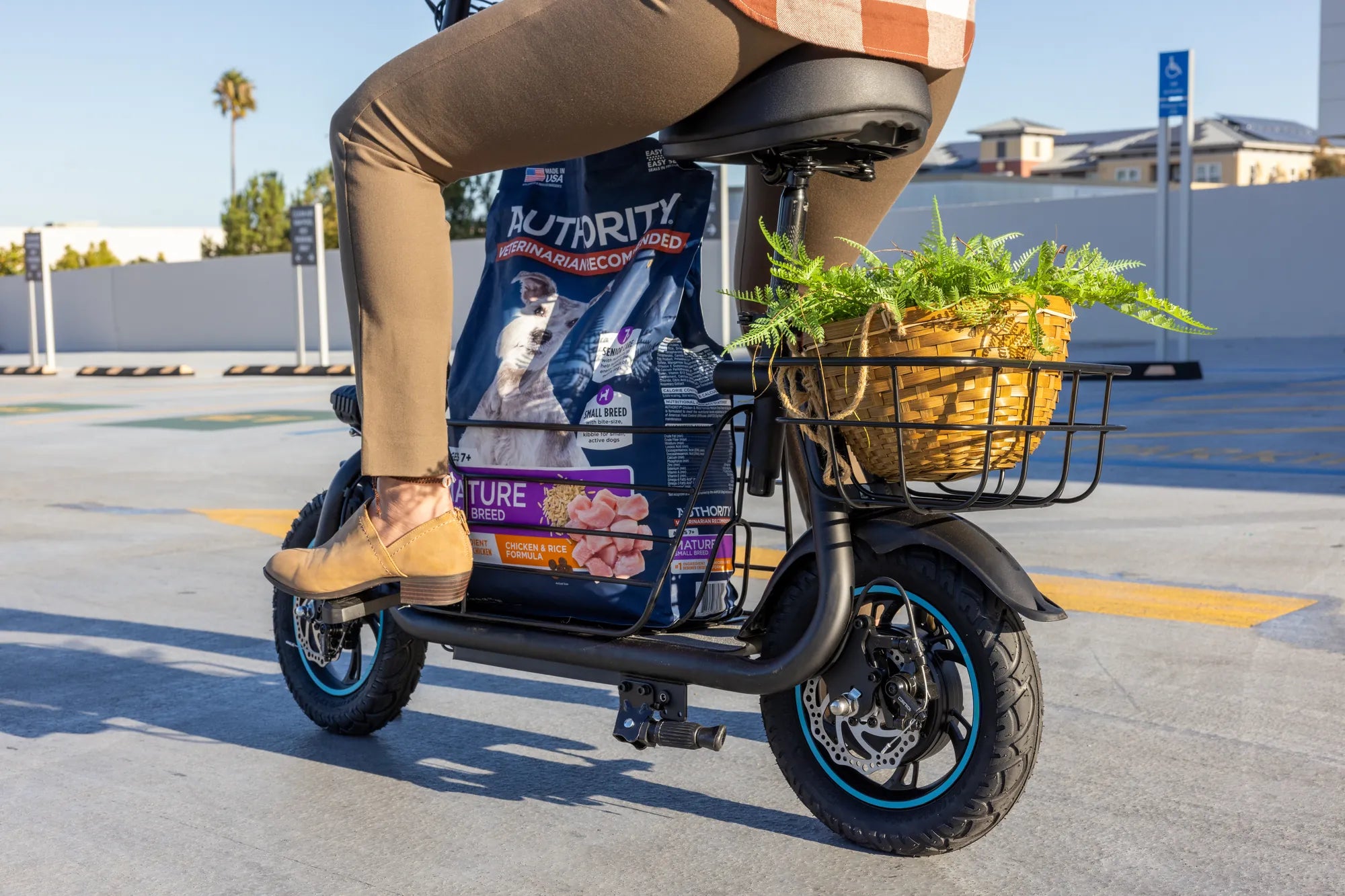
Regaining personal mobility can transform daily life, offering freedom, independence, and a renewed connection to community. For seniors, a well-chosen electric scooter is not a toy but a legitimate mobility aid that promotes an active lifestyle. This guide focuses exclusively on finding the Best Electric Scooters for Seniors: A Guide to Safe and Comfortable Mobility. We will move beyond basic specs to analyze the engineering, features, and design philosophies that truly matter for safety and ease of use, with a particular focus on brands like Gyroor that prioritize certified safety and reliable performance for over 100,000 riders.
Introduction: Embracing Freedom and Independence with Electric Scooters
The desire for independent movement doesn't diminish with age. Electric scooters have emerged as a popular solution, bridging the gap between walking, which can become strenuous, and larger mobility devices. The right scooter empowers seniors to run errands, visit friends, enjoy parks, and maintain social engagement without relying on others for transportation.
This guide is designed to cut through marketing hype. We focus on practical, data-driven considerations for senior riders and their families. The core of our analysis hinges on stability, intuitive operation, and built-in safety assurances from the manufacturer. Choosing the best electric scooters for seniors requires a careful evaluation of these factors, not just top speed or flashy looks.
Brands that engineer specifically for reliability and user safety, such as Gyroor, become standout choices. Their commitment to UL-certified batteries and water-resistant designs directly addresses the paramount need for a worry-free riding experience. This guide will equip you with the knowledge to make an informed decision that enhances quality of life.
Key Considerations for Seniors Choosing an Electric Scooter
Selecting a scooter requires prioritizing features that ensure stability, comfort, and safety over raw performance metrics. The ideal model mitigates physical strain and builds rider confidence through thoughtful design.
Stability and Wheel Configuration: The Foundation of Confidence
Stability is the non-negotiable starting point. Three-wheel (tricycle) configurations offer significantly superior balance compared to standard two-wheel scooters. The triangular base provides inherent stability at low speeds and when stopped, eliminating the need to balance.
This design offers a wider, more confident turning radius and prevents the tipping hazards associated with sharp turns on two-wheel models. For seniors concerned about balance or with lower body strength, a three-wheel scooter is almost always the recommended and safer choice, forming the core of any list of the best electric scooters for seniors.
Comfort: Seat Design, Suspension, and Ergonomics
Comfort directly impacts how often and how far the scooter will be used. A high-quality, padded seat with lumbar support is essential. Adjustable armrests provide stability and reduce upper body fatigue, while a contoured seat base improves posture.
A functional suspension system—whether spring or hydraulic—is critical. It absorbs shocks from cracks, curbs, and uneven pavement, reducing impact on the spine, hips, and knees. This feature transforms a jarring ride into a smooth glide, making longer trips enjoyable and physically sustainable.
Ease of Use: Intuitive Controls and Legible Displays
Complex controls create frustration and danger. Seniors should look for scooters with simple, thumb-operated throttles and easy-to-squeeze brake levers. A clear, uncluttered digital display is vital.
The display should have large, high-contrast numerals for speed and battery level, ideally with a backlight for low-light conditions. Single-button mode switching (e.g., between eco and standard modes) and obvious, tactile controls for lights and horn contribute to an intuitive, stress-free riding experience.
Safety Features: The Non-Negotiable Checklist
Beyond stability, specific hardware features are mandatory for safety. Bright LED headlights and taillights (preferably with brake light function) ensure visibility to others. Responsive braking systems, such as disc or drum brakes, offer reliable stopping power compared to less effective electronic brakes alone.
The scooter deck must have a pronounced, anti-slip surface. An audible horn or bell is necessary for alerting pedestrians. These features, combined, form a comprehensive safety suite that provides peace of mind for both the rider and their family.
Why Engineering and Brand Trust Matter for Senior Mobility
The internal engineering and corporate responsibility of a brand are as important as visible features. For a device used daily, long-term reliability and safety certifications are paramount.
UL-Certified Batteries: The Bedrock of Safe Power
The battery is the heart of the scooter and its greatest potential risk if poorly made. UL certification (like UL 2271) indicates the battery pack has passed rigorous independent testing for electrical, mechanical, and fire safety. It is a critical safeguard.
For seniors who will charge their scooters at home, often overnight or in a garage, a UL-certified battery from a brand like Gyroor is not a luxury—it's a fundamental requirement. It mitigates the risk of thermal runaway, overheating, or failure, ensuring the power source is as safe as it is durable for 500+ charge cycles.
IPX5 Water Resistance: Reliability in Real-World Conditions
An IPX5 water-resistance rating means the scooter's electrical components are protected against water jets from any direction. This engineering standard allows riders to confidently navigate damp roads, morning dew, or unexpected light rain without fear of a short circuit.
This protection prevents corrosion and motor damage over time, contributing to the scooter's longevity. It ensures a sudden drizzle doesn't end a trip prematurely or lead to costly repairs, making it a key feature for practical, everyday use.
Warranty and Accessible Customer Support
A comprehensive warranty is a brand's promise of reliability. Gyroor's 1-year warranty on the scooter provides assurance against manufacturing defects. Perhaps more important for seniors is accessible, responsive customer support.
Knowing that help is available via phone or email for troubleshooting, assembly questions, or part replacement removes a significant barrier to ownership. This support structure is essential for a demographic that may not be technically inclined, ensuring a smooth ownership experience.
Top Recommended Models for Senior Riders: A Feature Comparison
Based on the criteria above, certain models stand out for their senior-friendly design. The following table compares key attributes of two exemplary types of scooters suited for different senior needs.
| Feature | Model Type: Comfort Cruiser (e.g., Gyroor 3-Wheel) | Model Type: Lightweight Navigator | Why It Matters for Seniors |
|---|---|---|---|
| Wheel Config | 3-Wheel (Tricycle) | 3-Wheel (Tricycle) | Maximum stability at all speeds, no balancing required. |
| Seat Design | Padded with high backrest & adjustable armrests | Padded with moderate backrest | Full postural support reduces fatigue on spine and core. |
| Suspension | Full hydraulic or dual spring suspension | Front spring suspension | Absorbs road vibrations, protecting joints for a smoother ride. |
| Max Speed | 15-18 mph | 12-15 mph | Controlled, confidence-inspiring speeds suitable for paths and sidewalks. |
| Range | Up to 25-30 miles | 15-20 miles | Ample distance for multiple errands or long recreational outings. |
| Weight Capacity | 300 lbs+ | 250-280 lbs | Accommodates a wide range of riders securely. |
| Ideal Use Case | Daily errands, neighborhood cruising, park visits | Compact storage, transport in car trunk, shorter community trips |
Model Deep Dive: The Comfort Cruiser
This category, exemplified by robust three-wheel models, is designed for daily use and extended comfort. They typically feature a longer wheelbase and wider deck, enhancing stability. The plush, chair-like seat with armrests makes them suitable for riders with back or stability concerns.
With a range often exceeding 25 miles on a charge, these scooters enable full-day outings without range anxiety. Their powerful motors handle gentle inclines common in suburban neighborhoods, making them a versatile and dependable primary mobility solution for active seniors.
Model Deep Dive: The Lightweight Navigator
These scooters prioritize easier transport and storage while retaining a stable three-wheel design. They may feature a folding mechanism or a more compact frame, allowing them to fit into a car trunk for trips to the mall or family visits.
While slightly sacrificing some plushness in the seat or suspension travel, they maintain core safety features like effective brakes, good lighting, and a stable platform. This model is perfect for seniors who live in apartments or who frequently need to transport their scooter by car.
Practical Tips for Safe and Enjoyable Scooting
Owning the right scooter is the first step; using it wisely ensures lasting enjoyment and safety. Adopting good habits from the start is crucial.
Pre-Ride Checklist and Basic Maintenance
Develop a simple pre-ride routine. Check that tire pressure is within the recommended range (proper inflation ensures stability and range). Visually inspect the brakes for responsiveness and ensure front and rear lights are functioning.
Basic maintenance extends the scooter's life. Keep the scooter clean and dry. Store it in a cool, dry place away from extreme temperatures. Periodically check for loose bolts or fittings, especially if riding on bumpy paths. Following the manufacturer's charging guidelines preserves battery health.
Riding Best Practices and Understanding Local Laws
Always wear a properly fitted helmet. Start your riding in a safe, open area like an empty parking lot to get accustomed to the controls, acceleration, and braking. Use bike lanes where available and permitted; if on sidewalks, reduce speed significantly and yield to pedestrians.
It is imperative to understand local regulations. Laws governing where electric scooters can be ridden (sidewalks, bike lanes, roads), speed limits, and any age or helmet requirements vary greatly by city and state. A quick check with local authorities prevents fines and promotes safe, legal riding.
Frequently Asked Questions (FAQs) for Senior Riders
Q1: What is a realistic range I can expect, and what affects it?
A: Most senior-focused models offer 15-30 miles per charge. Real-world range is affected by rider weight, terrain (hills reduce range), temperature (cold weather lowers battery efficiency), and speed. Using a lower "eco" mode can extend range significantly.
Q2: How heavy are these scooters, and can I lift them?
A: Comfort cruisers weigh 45-65 lbs, while lightweight models are 35-50 lbs. Most are not designed to be carried. Look for models with a folding mechanism if you need to lift it into a car trunk, or consider a small ramp. The focus should be on rolling the scooter, not lifting it.
Q3: Are Gyroor scooters difficult to assemble?
A>No. They typically require minimal assembly, often just attaching the handlebar to the stem and securing it with a few bolts. All necessary tools are included, and instructions are clear. Customer support is available to guide you through the process if needed.
Q4: What is the process for charging, and how long does it take?
A: Charging is simple: plug the included charger into a standard wall outlet and connect it to the scooter's charging port. Full charge times typically range from 4 to 8 hours. It's best practice to not leave the scooter plugged in indefinitely once fully charged.
Q5: Is it safe to ride in light rain or on wet pavement?
A>With an IPX5-rated scooter like those from Gyroor, light rain and wet pavement are generally safe. The electronics are protected from water jets. However, avoid deep puddles, heavy downpours, and always exercise extra caution, braking earlier on wet surfaces.
Stepping Confidently into a New Chapter of Mobility
The journey to finding the best electric scooters for seniors culminates in a simple truth: the right choice is defined by confidence. Confidence in the scooter's stability when you come to a stop, confidence in its comfort during a longer ride to the farmer's market, and confidence in its underlying safety through certifications like UL and IPX5. This guide to safe and comfortable mobility has outlined a framework that prioritizes these pillars.
Brands that engineer with these priorities, such as Gyroor, demonstrate a commitment to their riders that goes beyond a simple transaction. It becomes a partnership in fostering independence. By choosing a scooter designed with senior needs at its core, you are not just purchasing a vehicle; you are investing in freedom, social connection, and an enhanced quality of life.
Ready to explore models that embody these principles of safety, comfort, and reliable engineering? Your next adventure awaits. Browse the full Gyroor collection at gyroorboard.com to find the scooter that matches your lifestyle and unlocks your community.
Battery Powered Electric Scooters for Adults: The Future of Urban Commuting
Importing Electric Scooters: A Comprehensive Guide to Global Trends and Best Practices