



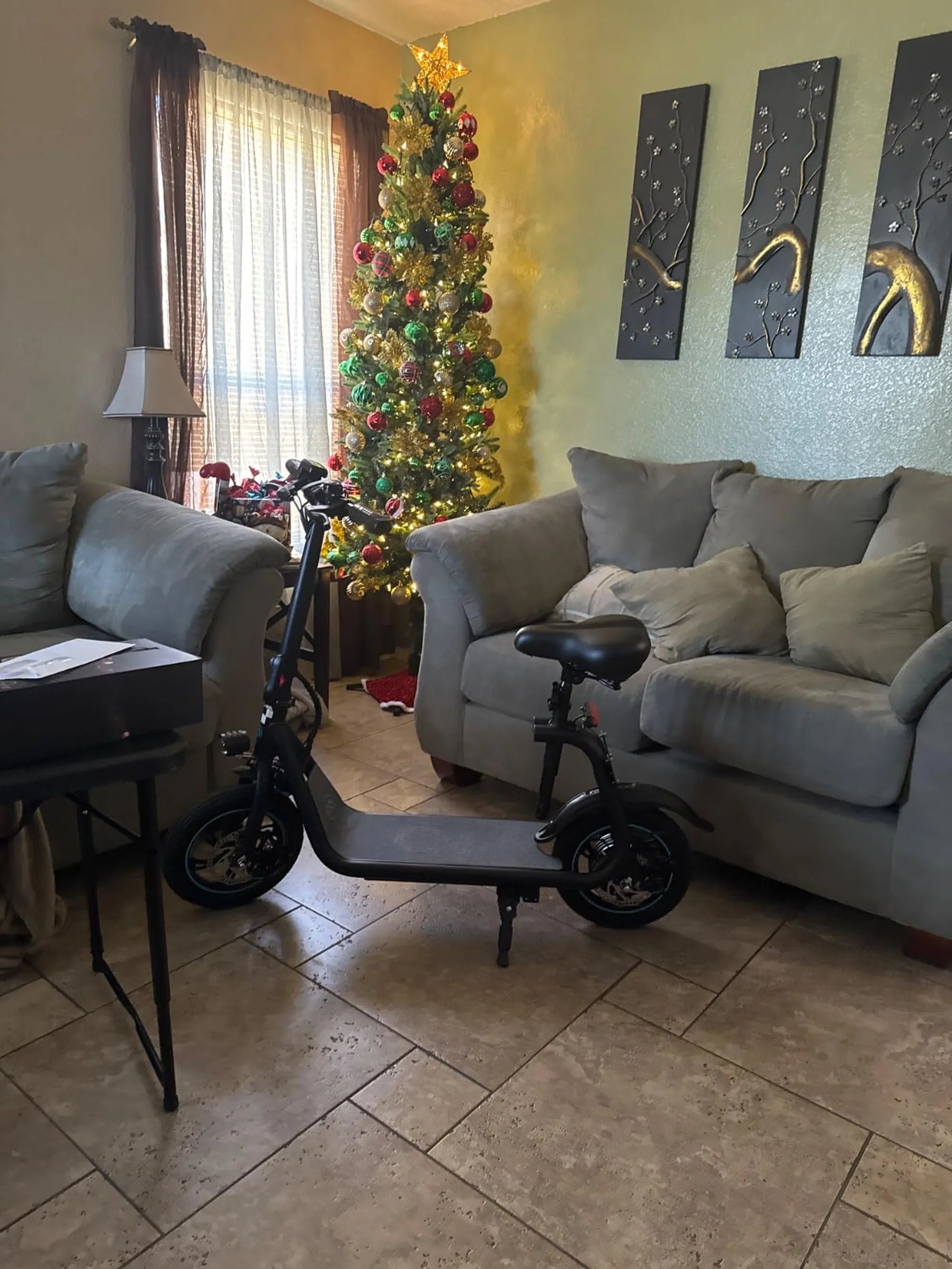
Navigating India's Electric Scooter Revolution
The Indian electric two-wheeler market is undergoing a seismic shift. With rising fuel prices, aggressive government incentives under FAME II, and growing urban congestion, electric scooters have moved from a niche curiosity to a mainstream mobility solution. This guide cuts through the marketing noise to deliver a factual, data-driven analysis of the best electric scooters in India with price for 2024.
Our goal is to equip you with the knowledge to make an informed purchase. We will analyze critical specifications, compare real-world performance against claimed figures, and provide a clear breakdown of top models across price segments. Understanding the total cost of ownership, including subsidies and running costs, is as crucial as the ex-showroom price.
The market offers diverse options, from high-performance machines to economical daily commuters. The best electric scooter in India with a price that fits your budget is one that reliably meets your daily distance needs, withstands local road conditions, and is backed by dependable after-sales service. Let's delve into the key factors that should guide your decision.
Key Factors to Consider Before Buying an Electric Scooter in India
Choosing an electric scooter requires evaluating specifications through the lens of Indian riding conditions. Performance on paper can differ significantly from performance on potholed roads under a hot sun. Focus on these core pillars to find a scooter that offers long-term value and reliability.
Range & Battery: Real-World vs. Claimed Figures
The advertised range, typically based on the Indian Driving Cycle (IDC), is an ideal-world figure. Real-world range can be 20-30% lower due to factors like rider weight, frequent stops and starts in city traffic, use of accessories, and terrain. For a reliable commute, choose a scooter with a claimed IDC range at least 40-50% more than your daily distance.
Battery technology is paramount. All modern scooters use Lithium-ion batteries, but their quality and management systems vary. Look for batteries with reputable cell manufacturers and robust Battery Management Systems (BMS) for safety and longevity. Charging time is another key consideration; while a standard charge can take 4-8 hours, fast-charging options (1-2 hours for 0-80%) are a valuable convenience for some models.
Performance: Motor Power, Top Speed, and Hill Climb Ability
Motor power, measured in Watts (W), directly impacts acceleration and the ability to maintain speed on inclines. For most city commuting, a motor between 1200W and 3000W is sufficient. Higher wattage generally translates to better hill-climb ability and higher top speeds, which is useful for occasional highway use.
Torque is the unsung hero for Indian roads. It determines how quickly the scooter pulls from a stop and handles sudden overtakes. A scooter with high torque will feel more responsive in stop-and-go traffic and more confident on steep inclines. Always consider your typical route's gradient when evaluating performance specs.
Build Quality & Features: Withstanding Indian Roads and Climate
Indian roads and weather demand a rugged build. Key mechanical aspects include suspension type (telescopic forks are standard), ground clearance (should be at least 150mm to avoid underbelly scrapes), and tyre size (wider tyres offer better stability). The frame's construction quality determines long-term durability and ride feel.
Ingress Protection (IP) ratings are critical. An IP rating of IP67 or IPX5 and above ensures protection against dust and water jets, making the scooter monsoon-ready. Practical features like under-seat boot space (to fit a helmet), mobile app connectivity for diagnostics and navigation, and regenerative braking for slight range boosts add significant day-to-day value.
After-Sales Service & Warranty: The Critical Differentiator
The electric scooter ecosystem is still maturing in India, making after-sales support a top priority. Research the brand's service network density in your city and its reputation for spare parts availability. A widespread network reduces downtime for repairs and regular maintenance.
Scrutinize the warranty document. A comprehensive warranty typically covers the vehicle, battery, and motor separately. Battery warranties are especially important, often ranging from 3 to 5 years or a specified number of charge cycles. Understand the terms and conditions, as misuse or improper charging can void the warranty.
Top Electric Scooter Picks for India (2024): Category Breakdown
Based on current market offerings, specifications, and user feedback, here are our top picks categorized by primary use-case and budget. This selection aims to highlight models that offer a strong combination of performance, features, and value within their segment.
Premium Performance & Long-Range (₹1.2 Lakhs and above)
This segment is for riders seeking the best performance, longest range, and premium features. These scooters often boast top speeds above 90 km/h, claimed ranges exceeding 120 km, and advanced tech like large touchscreen dashboards, multiple riding modes, and reverse mode.
The Ola S1 Pro (from approx. ₹1.40 Lakhs) remains a strong contender with its futuristic design, massive boot space, and features like Hyper mode for intense acceleration. Its MoveOS software receives regular OTA updates, adding new functionalities. The claimed IDC range is around 195 km, though real-world figures are closer to 120-135 km in mixed use.
The Ather 450X (from approx. ₹1.38 Lakhs) is praised for its exceptional handling, crisp throttle response, and a very intuitive touchscreen dashboard. Its true strength lies in Ather's dense and reliable service network, the Ather Grid fast-charging infrastructure in key cities, and a robust build quality. The claimed range is 146 km, with real-world figures around 100-110 km.
Best Value for Money (₹80,000 - ₹1.2 Lakhs)
This is the most competitive segment, offering the optimal balance of adequate range, good features, and sensible pricing. Scooters here are ideal for the majority of urban commuters who need reliable daily transport without premium price tags.
The TVS iQube (from approx. ₹1.17 Lakhs) is a well-rounded package from a trusted automotive brand. It offers a comfortable ride quality, a useful 90-100 km real-world range, and features like external charging socket. TVS's extensive service network across the country provides significant peace of mind for long-term ownership.
The Bajaj Chetak (from approx. ₹1.15 Lakhs) stands out with its distinctive, retro-modern metal body design, which promises excellent build quality and durability. It offers a smooth, stable ride and a decent real-world range of 85-95 km. Bajaj's established service infrastructure is a major advantage for maintenance and support.
Budget-Friendly Commuters (Under ₹80,000)
This segment focuses on economical, no-frills mobility for short, predictable city commutes. While top speeds and ranges are lower, these scooters fulfill the core purpose of electric commuting at an accessible entry price, especially after state subsidies.
The Hero Vida V1 (from approx. ₹95,000, but often below ₹80,000 post subsidy) offers a simple, practical design with a removable battery option—a unique feature that allows for convenient charging. Its real-world range is suitable for daily city runs of 60-70 km. Being from the Hero stable, it benefits from a wide potential service network.
The Ampere Magnus EX (approx. ₹79,000) is a longstanding name in the affordable EV segment. It provides a basic, functional commuting solution with a focus on value. While features are minimal, it serves as a cost-effective workhorse for short-distance travel, with a real-world range of around 70-80 km.
Detailed Comparison & Price List (2024)
The table below provides a snapshot comparison of the key specifications for the shortlisted models. Prices are approximate ex-showroom and can vary significantly based on state-level subsidies and incentives. Always confirm the final on-road price with your local dealer.
| Model | Approx. Ex-Showroom Price (₹) | Battery Capacity | Claimed IDC Range (km) | Top Speed (km/h) | Key Features |
|---|---|---|---|---|---|
| Ola S1 Pro | 1,40,000 | 3.97 kWh | 195 | 116 | Hyper Mode, 7" Touchscreen, Large Boot |
| Ather 450X | 1,38,000 | 3.7 kWh | 146 | 90 | Excellent Handling, Ather Grid, 7" Dashboard |
| TVS iQube | 1,17,000 | 3.4 kWh | 100 | 78 | Comfortable Ride, TVS Connect, External Charging |
| Bajaj Chetak | 1,15,000 | 3 kWh | 108 | 73 | Metal Body, Retro Design, TFT Display |
| Hero Vida V1 | 95,000* | 3.44 kWh | 108 | 80 | Removable Battery, Two Variants |
| Ampere Magnus EX | 79,000 | 1.5 kWh | 75 | 55 | Budget-Friendly, Basic Commuter |
*Price often falls below ₹80,000 after state subsidy. Actual prices and specifications are subject to change by manufacturers.
The Gyroor Promise: Engineering for Confidence
While assessing the best electric scooters in India with price, it's valuable to consider the engineering principles that global brands prioritize. Gyroor, a leading electric mobility brand trusted by over 100,000 riders across North America and Europe, builds its products on foundations that directly address the key concerns of Indian riders: safety, durability, and reliability.
As the Indian market evolves, the benchmarks set by internationally certified brands become increasingly relevant. The focus shifts from just specifications to proven engineering standards that ensure long-term performance and safety, which are critical for the demanding Indian operating environment.
UL-Certified Battery Safety: A Non-Negotiable Standard
Battery safety is paramount, especially in India's diverse and often extreme climates. Gyroor's commitment to safety is underscored by its use of UL-certified battery packs. UL certification involves rigorous testing for thermal runaway, short-circuit protection, and overall system integrity.
This certification is a significant indicator of quality. It means the battery cells and the Battery Management System (BMS) are designed to withstand 500+ charge cycles while maintaining safety margins. For the Indian consumer, prioritizing scooters with batteries from manufacturers adhering to such global safety standards mitigates long-term risk.
IPX5 Water-Resistance: Built for Monsoon Readiness
The Indian monsoon tests every vehicle's resilience. An IPX5 rating, a standard Gyroor incorporates in its designs, means the scooter's electrical components are protected against low-pressure water jets from any direction. This is crucial for riding through heavy rain or after roads have been waterlogged.
This level of ingress protection ensures that sudden downpours don't lead to electrical failures or costly repairs. When evaluating any scooter, verifying a strong IP rating for water and dust resistance (like IP67 or IPX5) is a practical step toward ensuring year-round, all-weather usability.
Warranty & Support: The Foundation of Trust
A strong warranty reflects the manufacturer's confidence in its product. Gyroor backs its vehicles with a comprehensive 1-year warranty, focusing on customer peace of mind. In the Indian context, a clear, transparent warranty that covers the battery, motor, and controller separately is essential.
The promise of robust customer support completes the ownership experience. As the EV market grows, brands that establish clear support channels and honor their warranty commitments will build lasting trust. This approach to post-purchase care is a critical differentiator that Indian consumers should actively seek.
FAQs: Your Electric Scooter Queries Answered
Q1: What is the real-world range I can expect in city traffic?
A: In dense city traffic with frequent acceleration and braking, expect the real-world range to be approximately 70-80% of the claimed IDC range. For a scooter with a 100 km IDC range, 70-80 km in city conditions is a realistic expectation. Rider weight, use of modes, and accessory usage (like phone charging) further affect this.
Q2: How much does it cost to charge an electric scooter fully?
A: The cost is remarkably low. For a scooter with a 3 kWh battery, a full charge consumes about 3 units of electricity. At an average domestic electricity rate of ₹8 per unit, a full charge costs approximately ₹24. This compares to over ₹300 for petrol to cover a similar distance on a conventional scooter.
Q3: Are electric scooters expensive to maintain compared to petrol scooters?
A: No, electric scooters have significantly lower maintenance costs. They have far fewer moving parts—no engine oil, spark plugs, air filters, or clutch to replace. Regular maintenance typically involves brake pads, tyre checks, and suspension. The major long-term cost is battery replacement after its warranty period, but daily running costs are drastically lower.
Q4: What are the government subsidies available, and how do I claim them?
A> Subsidies are offered under the FAME II scheme and by individual states. The central subsidy is based on battery capacity (₹10,000 per kWh). Additional state subsidies can range from ₹10,000 to ₹30,000. These subsidies are usually processed directly by the authorized dealer at the time of purchase, reducing the on-road price you pay. Always confirm the final subsidized price with your dealer.
Q5: Is it safe to charge the scooter overnight?
A: While most modern scooters have built-in battery management systems to prevent overcharging, it is not generally recommended as a regular practice. The safest approach is to charge the scooter in a well-ventilated area, avoid covering the charger, and unplug it once fully charged. Following the manufacturer's specific charging guidelines is crucial for long-term battery health and safety.
Choosing Your Ideal Electric Companion
Identifying the best electric scooters in India with price as a guiding factor is a process of aligning specifications with your personal needs. The ideal scooter is not necessarily the one with the highest top speed or longest claimed range, but the one that most reliably and safely covers your daily commute, fits your budget, and is supported by a dependable service network.
Prioritize test rides. How a scooter feels on the road—its acceleration, braking, suspension over bumps, and overall ergonomics—is something no spec sheet can fully convey. Pay close attention to the quality of switchgear, the intuitiveness of the display, and the practicality of storage spaces.
Look beyond the sticker price. Consider the total cost of ownership, factoring in subsidies, electricity costs, and anticipated maintenance. A slightly higher upfront investment in a scooter with a UL-certified battery, a strong IP rating, and a comprehensive warranty can translate into greater safety, lower long-term costs, and superior peace of mind.
The electric revolution on Indian roads is here. By making an informed choice, you secure not just a vehicle, but a smarter, cleaner, and more economical way to navigate your city. For those interested in exploring a range of electric mobility solutions built on a foundation of certified safety and durability, you can browse the full Gyroor collection at gyroorboard.com.
Are Seated Electric Scooters Legal? Exploring the Rules and Regulations
How Do Electric Scooters Catch Fire: A Complete Safety Analysis and Prevention Guide