



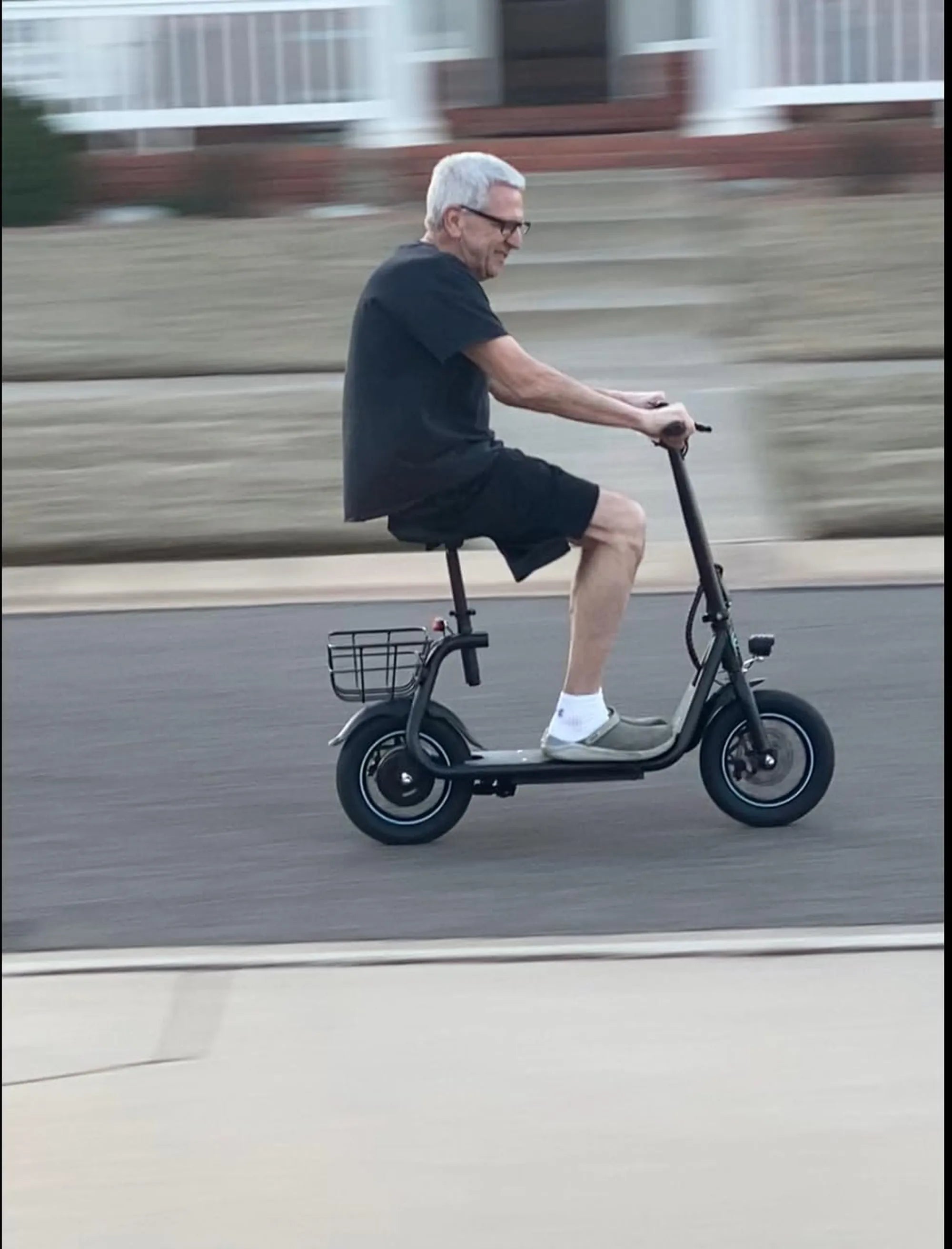
Introduction to Electric Scooters in Nepal
Nepal's urban landscape is transforming, with electric scooters becoming a common sight on the streets of Kathmandu, Pokhara, and beyond. This shift is driven by a powerful combination of economic necessity and environmental consciousness. As fuel prices remain volatile and traffic congestion worsens, riders are seeking smarter, cleaner alternatives for their daily commutes.
The search for the Best Electric Scooters in Nepal 2025 is about more than just finding a vehicle; it's about choosing a reliable partner for navigating diverse road conditions. From bustling city centers to steep hill roads, the right e-scooter must be engineered for durability and performance. Global brands like Gyroor, trusted by over 100,000 riders worldwide, are now bringing this engineered reliability to the Nepali market.
This guide cuts through the marketing noise to focus on practical performance, local suitability, and genuine value. We will analyze the key specifications that matter on Nepali roads, compare scooter types for different use cases, and provide essential safety and maintenance advice. Our goal is to equip you with the knowledge to make an informed investment in your daily mobility.
Why Choose an Electric Scooter in Nepal? (The Practical Advantages)
Choosing an electric scooter in Nepal offers immediate and tangible benefits. The most compelling is the drastic reduction in operational cost. Compared to a petrol scooter, an electric model can slash fuel expenses by over 90%, a significant saving given Nepal's fuel import costs. Maintenance is simpler and cheaper, with no engine oil, spark plugs, or complex gear systems to service.
The environmental advantage is equally critical for Nepal's air quality. Electric scooters produce zero tailpipe emissions, directly contributing to cleaner air in cities like Kathmandu. Their silent operation also reduces noise pollution, creating more peaceful urban environments. This eco-friendly commute aligns with global sustainability goals and local quality-of-life improvements.
Beyond economics and ecology, e-scooters offer unparalleled convenience for navigating congested areas. Their compact size allows for easier filtering through traffic and simpler parking. For many, the ease of charging at home overnight eliminates frequent trips to fuel stations, making the daily commute seamless and predictable.
Navigating Nepal's Unique Terrain and Infrastructure
Nepal's diverse topography demands specific features from an electric scooter. A robust suspension system is non-negotiable for handling the mix of paved roads, broken patches, and occasional off-road sections. Inadequate suspension leads to discomfort and accelerated wear on the scooter's frame and components.
Motor power is paramount for hill climbing. Scooters with underpowered motors will struggle on inclines, draining the battery rapidly and potentially overheating. A motor with sufficient torque, typically from 500W upwards, is essential for confident hill performance. Ground clearance is another vital factor, preventing the undercarriage or battery pack from scraping on uneven roads or speed bumps.
Monsoon readiness is a must. An electric scooter needs a high level of water resistance to handle heavy rains and wet roads. A rating of IPX5 or higher ensures protection against water jets, safeguarding critical electrical components. Finally, real-world range must account for Nepal's hills, which can reduce a scooter's advertised range by 20-30%.
Key Features to Look for in a 2025 E-Scooter
Selecting the right electric scooter requires understanding the specifications that translate to real-world performance. Focus on the synergy between battery, motor, and build quality. A powerful motor is useless with a small battery, and a large battery adds little value if the scooter's frame cannot withstand local road conditions.
Prioritize features that enhance safety and durability. Look for scooters with dual braking systems (disc + regenerative or drum), bright LED lighting for visibility, and wide, pneumatic tires for better grip. Digital displays that show speed, battery level, and riding mode are now standard and greatly improve the riding experience.
Consider the weight and portability if you need to carry the scooter upstairs or load it into a vehicle. However, do not sacrifice essential build strength for minimal weight. The ideal scooter strikes a balance, using quality materials like aerospace-grade aluminum alloy frames to ensure strength without excessive bulk.
Battery & Range: The Heart of Your Ride
The battery is the most critical and expensive component. Insist on a scooter with a UL-certified lithium-ion battery pack, like those used in Gyroor models. This certification is a global safety benchmark, indicating the battery has passed rigorous tests for electrical, mechanical, and environmental safety, drastically reducing fire risk.
Battery capacity, measured in Watt-hours (Wh) or Amp-hours (Ah), directly determines range. For Nepal, a battery offering a *real-world* range of 25-40 km is suitable for most urban commutes. Remember, manufacturer range claims are based on ideal conditions: a lightweight rider on flat terrain at low speed. Factor in hills, rider weight, and frequent stops for a realistic estimate.
Battery longevity is key. A quality UL-certified battery should retain over 80% of its capacity for at least 500 charge cycles. Look for scooters with Battery Management Systems (BMS) that protect against overcharging, deep discharge, and short circuits. This technology is essential for maximizing battery life and safety.
Motor Power & Hill Climbing Ability
Motor power, measured in watts (W), defines a scooter's capability. For flat city commuting in areas like Kathmandu's core, a 350W to 500W motor is sufficient. It provides adequate acceleration and can handle gentle slopes. These motors are energy-efficient, helping to maximize range for daily errands and work commutes.
For cities with more pronounced hills, like parts of Pokhara or the outskirts of the Kathmandu Valley, a 500W to 750W motor is recommended. This provides the necessary torque to maintain speed on inclines without straining the system. Riders will experience more confident overtaking and less battery drain on hilly routes.
For challenging terrain or riders carrying additional weight, motors of 800W and above are the best choice. These high-torque motors deliver strong acceleration and reliable hill-climbing performance. They are often paired with dual suspension systems to handle the added power and provide a stable, comfortable ride on rough roads.
Build Quality, Warranty, and After-Sales Support
Build quality determines how well a scooter withstands daily use. Examine the welding on the frame, the finish of the materials, and the sturdiness of the folding mechanism (if present). A solid, wobble-free stem and deck are indicators of good construction. The deck should have a textured, non-slip surface for secure footing.
Warranty coverage is a direct reflection of the manufacturer's confidence in their product. A comprehensive 1-year warranty that covers the battery, motor, and controller is the industry standard for reputable brands. Gyroor offers this 1-year warranty, providing significant peace of mind. Always read the warranty terms to understand what is included and the process for claims.
After-sales support is perhaps the most critical factor for long-term satisfaction. Before purchasing, verify the availability of local service centers or authorized dealers who can handle repairs and supply genuine spare parts. A brand with a strong support network ensures your scooter remains operational for years, protecting your investment.
Top Electric Scooter Picks for Nepal 2025 (Curated for Local Needs)
The market offers a variety of models, but the best electric scooters for Nepal in 2025 are those designed with durability and performance in mind. Our picks are categorized by primary use case to help you match a scooter to your specific commute and terrain. Each category highlights the features that make these models stand out in the local context.
We prioritize models from brands that emphasize safety certifications, robust construction, and have a track record of reliability. While specific models evolve, the following categories and specifications will guide you toward a suitable choice. Always seek a test ride to personally assess comfort, stability, and power delivery before making a final decision.
| Category | Ideal For | Key Features | Recommended Motor | Min. Real-World Range |
|---|---|---|---|---|
| Urban Commuting | Flat city streets, daily office commute | Portability, app connectivity, good suspension | 350W - 500W | 25 km |
| Hill Performance | Hilly areas, carrying load, longer slopes | High-torque motor, dual suspension, hydraulic brakes | 750W+ | 30 km |
| Best Value | Budget-conscious riders needing reliability | UL-certified battery, IPX5 rating, core features | 500W | 20 km |
Best for Urban Commuting (Kathmandu, Lalitpur, Pokhara)
For navigating dense traffic and paved city roads, an urban commuter scooter should balance range, comfort, and portability. Look for models with a sleek design, a moderate weight (under 20 kg), and a folding mechanism for easy storage in offices or homes. A bright headlight and taillight are essential for safety during early morning or evening rides.
Features like Bluetooth connectivity and a companion app add convenience, allowing riders to lock the scooter, track riding data, or customize performance modes. A cruise control function can reduce fatigue on longer, straight stretches of road. The suspension should be sufficient to absorb vibrations from typical city road imperfections.
Models in this category often come with solid or hybrid tires to minimize puncture risk, though this can slightly reduce comfort compared to pneumatic tires. The key is finding a scooter that makes your daily trip efficient and stress-free, with enough battery to handle a round trip plus some extra for detours.
Best for Hill Performance & Extra Power
This category is defined by power and stability. Scooters designed for hills feature high-wattage motors (750W and above) that generate high torque at low speeds, which is exactly what's needed for climbing. They are often equipped with dual suspension systems—both in the front and rear—to maintain tire contact and control on uneven inclines.
Braking systems are upgraded, frequently featuring a front disc brake and a rear drum or regenerative brake. This provides strong, reliable stopping power, which is crucial when descending hills. The deck is usually longer and wider for a more stable riding stance, and the tires are larger and pneumatic for superior traction.
These scooters may have a higher weight due to the larger motor and battery, but this contributes to a planted, secure feel at higher speeds and on slopes. If your daily route involves significant elevation changes, investing in a scooter from this category is essential for performance, safety, and battery longevity.
Best Value for Money (Budget-Friendly Picks)
Value does not mean cutting corners on safety or core functionality. The best value electric scooters for Nepal in 2025 deliver reliable performance by focusing on the essentials: a certified safe battery, a durable frame, adequate power, and necessary weather protection. They may forgo premium features like app connectivity or ultra-high top speeds.
The primary goal here is dependable daily transportation. A 500W motor provides a good balance of power and efficiency. An IPX5 water resistance rating ensures monsoon readiness. A clear display, basic LED lights, and a reliable braking system are all included. The warranty and local service availability are just as important for these models as for premium ones.
By choosing a scooter from a reputable brand like Gyroor in this category, you secure the fundamental benefits of electric mobility—low running costs, zero emissions, and convenience—without a high upfront investment. It's a smart entry point into eco-friendly commuting.
The Gyroor Advantage: Engineered for Reliability
Gyroor brings a global standard of engineering to the Nepali market, directly addressing the common pain points of e-scooter ownership. With a product range developed for varied international markets, their scooters are built to handle diverse conditions, making them inherently suitable for Nepal's challenges. The brand's focus is on proven reliability and rider safety.
The combination of UL-certified batteries, IPX5 water resistance, and a robust 1-year warranty creates a package designed for long-term satisfaction. This engineering philosophy means every component, from the motor controller to the wiring harness, is selected and tested for durability. It’s an approach that prioritizes years of trouble-free riding over short-term cost savings.
For Nepali riders, this translates to a scooter you can trust on a rainy day, rely on to climb a hill, and expect to last. In a market where product longevity and safety are paramount, these advantages are not just features; they are the foundation of a wise purchase.
Safety First with UL-Certified Batteries
UL certification is the global gold standard for electrical safety. For an e-scooter battery, it means the cell design, electrical assembly, and management system have undergone extreme testing for overcharge, short circuit, impact, and environmental stress. This rigorous process drastically mitigates the risk of battery fires—a top concern for potential buyers.
Gyroor's use of UL-certified battery packs ensures that each unit delivers consistent performance and is built to withstand 500+ charge cycles while maintaining safety. This certification is an objective, third-party validation that goes beyond marketing claims. It is a critical differentiator that informed riders should actively seek when evaluating the Best Electric Scooters in Nepal 2025.
Built for the Monsoon: IPX5 Water Resistance
The IPX5 rating is specifically meaningful for Nepal's monsoon season. It certifies that the scooter's electrical components can withstand water jets (6.3mm nozzle) from any direction without harmful water ingress. This means riding through heavy rain or on roads with significant water spray will not damage the motor, controller, or battery compartment.
This level of protection allows riders to commute confidently regardless of the weather, greatly increasing the scooter's utility as a primary transport vehicle. It also protects against accidental splashes when cleaning the scooter. When comparing models, an IPX5 rating should be considered a minimum requirement for year-round usability in Nepal.
Peace of Mind with 1-Year Warranty & Support
A strong warranty is a safety net for your investment. Gyroor's 1-year comprehensive warranty covers manufacturing defects in key components, providing assurance that any early-life issues will be resolved. This warranty is a testament to the quality control and testing that goes into each scooter before it reaches the rider.
Effective support means having access to technical assistance and genuine spare parts. A brand with an established network ensures that maintenance and repairs are handled efficiently, minimizing downtime. This long-term support is crucial for maximizing the lifespan and value of your electric scooter, making it a dependable part of your daily life for years to come.
Buying Guide & Essential FAQs for Nepali Riders
Making the final decision requires a methodical approach. Start by clearly defining your primary use case: daily distance, terrain type, and any load-carrying needs. Use this information to narrow down the required motor power and battery range from our earlier guidelines. Set a realistic budget that includes the scooter, a quality helmet, and any potential accessory costs.
Research is key. Read reviews from other Nepali riders, focusing on their experiences with after-sales service and real-world range. If possible, visit multiple dealers to compare models side-by-side. Pay close attention to the feel of the brakes, the responsiveness of the throttle, and the overall comfort of the riding posture during a test ride.
Finally, complete all due diligence on the dealer. Confirm they are an authorized seller for the brand, understand the warranty claim process, and have a service workshop. Get all warranty details and promises in writing. A reputable dealer is a partner in your e-mobility journey.
Your Pre-Purchase Checklist
- Test Ride: Assess comfort, acceleration, braking, and stability on a slight incline if possible.
- Verify Certification: Confirm UL certification for the battery and IPX5 rating for water resistance.
- Check Support Network: Identify the nearest authorized service center and inquire about spare parts availability.
- Review Warranty Document: Read the full warranty terms for coverage scope, duration, and claim procedure.
- Inspect Physically: Check build quality, tire condition, lighting functionality, and display clarity.
- Understand Charging: Note the charger specifications and estimated full charge time.
Frequently Asked Questions (FAQs)
Q1: What is the real-world range on Nepal's hills?
A: Expect a 20-30% reduction from the manufacturer's claimed range. A scooter advertised for 40 km on flat ground may deliver 28-32 km in consistently hilly conditions, depending on rider weight and speed.
Q2: How long does charging take, and what is the cost?
A: Most scooters take 4-8 hours for a full charge from empty. The electricity cost is minimal; charging a typical 500Wh battery fully costs less than NPR 50, compared to hundreds of rupees for petrol for a similar distance.
Q3: Are spare parts like tires and brakes available locally?
A> Availability depends entirely on the brand's local presence. This is why purchasing from a brand with an established dealer and service network, like Gyroor, is crucial. Confirm part availability with your dealer before buying.
Q4: What are the legal requirements for e-scooters in Nepal?
A: Regulations are evolving. Currently, most low-speed electric scooters (under 25 km/h) do not require registration or a license for use on city roads. However, riders must always wear a helmet. It is essential to check for any updated rules from local traffic police authorities before riding.
Q5: How do I maintain the battery for the longest life?
A> Avoid fully draining the battery regularly. Try to recharge when it drops to 20-30%. Store the scooter in a cool, dry place. Use only the provided original charger. If storing for over a month, charge the battery to about 60% first.
Conclusion: Embracing a Smarter, Greener Commute
The journey towards sustainable personal transport in Nepal is accelerating, and electric scooters are at the forefront. Choosing the right model for 2025 is a decision that balances immediate needs with long-term value. By prioritizing verified safety (UL-certified batteries), all-weather durability (IPX5), sufficient hill-climbing power, and reliable after-sales support, you invest in more than a vehicle—you invest in a dependable, cost-effective, and clean mode of daily mobility.
The Best Electric Scooters in Nepal 2025 are those that respect the challenges of the local environment and are built to overcome them. They transform the daily commute from a costly chore into an efficient, enjoyable, and responsible activity. As infrastructure and awareness grow, your choice today positions you for a smarter way to navigate Nepal's vibrant cities and communities.
Ready to explore models that combine global engineering with local suitability? Begin your search with brands that transparently commit to safety and support. Discover the full range of reliable, monsoon-ready electric scooters designed for performance. Browse the full Gyroor collection at gyroorboard.com and take the first step towards a greener, more economical commute.
Where to Buy Used Electric Scooters: A Complete Guide for Smart Shoppers
Electric Scooters That You Sit On: Your Ultimate Urban Commute Solution