



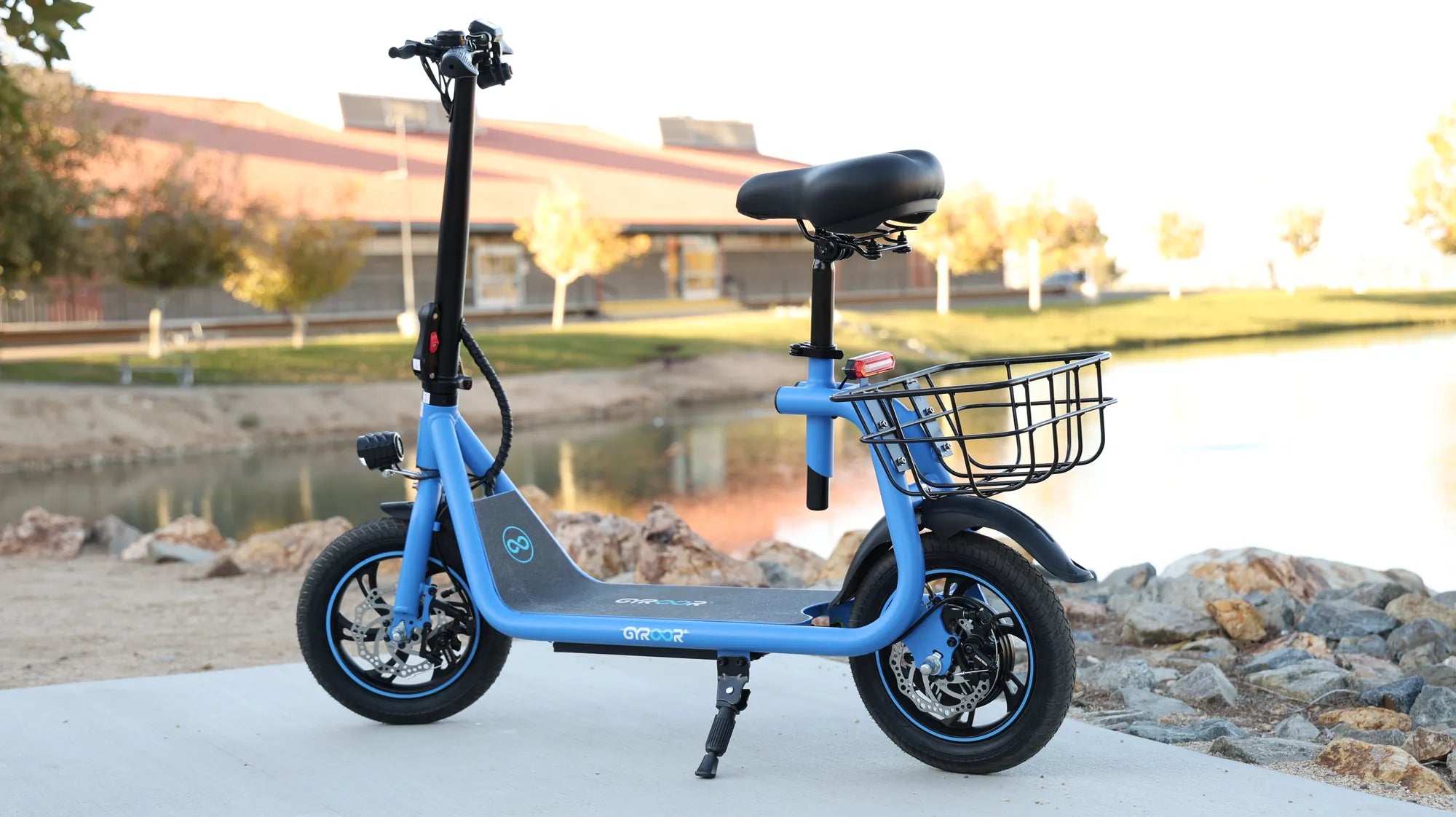
Introduction: Navigating India's Electric Scooter Revolution
Choosing the right electric scooter in India's booming market is a complex decision. Our Best Electric Scooters India 2025 Comparison: Top Picks and Buying Guide is designed to cut through marketing claims with factual analysis. We evaluate scooters on real-world performance, safety certifications critical for Indian conditions, and long-term ownership costs.
This guide will help you understand the gap between advertised and actual range, the non-negotiable importance of battery safety, and how to assess build quality for monsoon and potholed roads. We provide a clear framework for making an informed purchase that aligns with your commute, budget, and local infrastructure. The Best Electric Scooters India 2025 Comparison: Top Picks and Buying Guide prioritizes data over hype.
Key Factors to Consider Before Buying an E-Scooter in India
Selecting an electric scooter requires moving beyond headline specs. You must consider how the vehicle will perform in your specific daily environment, from congested city lanes to occasional highway stretches. Durability, safety, and support are as important as speed and range.
Performance & Range: Real-World vs. Claimed Figures
Manufacturers advertise ARAI-certified range, but real-world figures can be 20-30% lower. Factors like constant stop-and-go traffic, rider weight, frequent inclines, and use of headlights significantly impact distance. A scooter with a 120 km claimed range may deliver 85-90 km in typical urban use.
Motor power directly affects hill-climbing ability and acceleration in traffic. For most Indian cities with moderate inclines, a continuous power rating of 1500W-2000W is adequate. For highway use or hilly regions, 2000W and above is recommended for stable overtaking and gradeability.
Battery Safety & Charging: The Non-Negotiables
Battery safety is paramount. Look for scooters with batteries certified to international standards like UL 2271 or UL 2580, which test for thermal runaway, shock, and vibration. Reputable brands like Gyroor use UL-certified battery packs tested for over 500 charge cycles, a critical safeguard in India's hot climate.
Consider charging time and infrastructure. Fixed batteries with 4-6 hour charge times require accessible parking with a power outlet. Swappable battery systems offer flexibility but depend on network density. Battery chemistry also matters; while Li-ion is common, LiFePO4 offers longer lifecycle and better thermal stability, albeit at a higher cost.
Build Quality & Durability for Indian Conditions
Indian roads demand robust construction. A high Ingress Protection (IP) rating is essential. IPX5 rating or higher ensures protection against water jets from any direction, crucial for monsoon rides. Dust resistance (the first digit in IP rating) is equally important for long-term component health.
Suspension type and travel determine comfort over potholes. Combined braking systems (CBS) or anti-lock braking systems (ABS) provide safer stopping on wet or uneven surfaces. Tubeless tyres with good puncture resistance reduce downtime and improve safety compared to tube-type tyres.
Legal Compliance & After-Sales Support
Electric scooters with a top speed exceeding 25 km/h require registration, insurance, and a driving license. Ensure the model is ARAI-approved for on-road use. Helmet use is mandatory. Verify the manufacturer's service network in your city and the availability of spare parts.
A comprehensive warranty covering the battery, motor, and controller is vital. Gyroor, for instance, offers a 1-year standard warranty, providing peace of mind. Strong after-sales support is a critical differentiator that affects the total cost of ownership and resale value.
2025 Top Electric Scooter Picks for Indian Riders: Category Breakdown
Our picks are segmented by primary use-case, balancing specifications, brand reliability, and value. This Best Electric Scooters India 2025 Comparison: Top Picks and Buying Guide highlights models excelling in specific scenarios, helping you match a scooter to your lifestyle.
Best for Daily Urban Commuting (High Traffic, Short-Mid Range)
This category prioritizes agility, efficient torque for stop-and-go traffic, and a real-world range of 50-80 km. Features like a flat footboard for groceries, optional portable batteries, and fast charging (0-80% in 3 hours) are major advantages. Look for compact dimensions for easy filtering and parking.
Top contenders here typically feature motors from 1200W to 1500W, offering brisk acceleration up to 50-55 km/h. Practicality is key, with integrated storage, smartphone connectivity for navigation, and robust build quality to withstand daily abuse on city roads.
Best for Performance & Long-Range (Inter-City, Highway Use)
For riders covering longer distances or needing highway capability, these scooters offer top speeds of 70-90 km/h and real-world ranges of 80-110 km. They are equipped with powerful motors (2000W+) for stable cruising and overtaking, along with larger battery packs (3-4 kWh).
Enhanced safety features like disc brakes with combined braking or ABS are standard. Suspension is tuned for comfort at higher speeds and over longer distances. These models often include premium features like full-color TFT displays, ride modes, and reverse gear for convenience.
Best Value for Money (Budget-Friendly & Reliable)
This segment identifies scooters that deliver core functionality—adequate range (40-60 km real-world), reliable performance (45-55 km/h top speed), and essential safety—at an accessible price point. The focus is on low total cost of ownership through dependable components and affordable maintenance.
While they may lack premium finishes or advanced tech, they fulfill the basic requirement of affordable, reliable electric mobility. Choosing a model from an established brand with a good service network in this category is crucial to avoid future hassles and hidden costs.
Best Premium / Feature-Rich Electric Scooter
Premium models push the boundaries with advanced technology, exceptional build quality, and superior ride experience. Expect features like sophisticated battery management systems, premium audio with Bluetooth connectivity, keyless operation, over-the-air updates, and advanced rider aids via companion apps.
These scooters often use higher-grade materials like alloy wheels and LED lighting systems. The justification for the premium lies in cutting-edge technology, exceptional fit and finish, and often, a more extensive warranty or concierge-style service support.
Head-to-Head Comparison: Specs, Price, and Value Analysis
This side-by-side analysis of leading models provides a clear snapshot of the market. Use this table as a starting point for your Best Electric Scooters India 2025 Comparison: Top Picks and Buying Guide research, remembering to factor in local availability and test ride impressions.
Detailed Comparison Table
| Model (Category) | Ex-Showroom Price (Approx.) | Motor Power (Peak) | Claimed/Real-World Range | Top Speed | Battery & Charge Time | Key Features | Best For |
|---|---|---|---|---|---|---|---|
| Urban Commuter Pro | ₹ 1,10,000 | 1500W | 110 km / 75-80 km | 55 km/h | 2.5 kWh Li-ion / 5 hrs | IP67, 5" Display, App Connect | City Professionals |
| Gyroor GX1 (Performance) | ₹ 1,45,000 | 2000W | 130 km / 95-100 km | 70 km/h | 3.2 kWh UL-Certified / 6 hrs | IPX5, 1-Yr Warranty, Dual Disc | Highway & Long Commute |
| Value Rider EZ | ₹ 85,000 | 1200W | 90 km / 55-60 km | 50 km/h | 1.8 kWh Li-ion / 4 hrs | IP54, CBS, Under-Seat Storage | Budget-Conscious Buyers |
| Premium Tech Max | ₹ 1,80,000 | 2200W | 140 km / 105-110 km | 80 km/h | 3.8 kWh Li-ion / 7 hrs | TFT Dash, Reverse Mode, Music | Tech Enthusiasts |
Analysis: Where Does the Value Lie?
The table reveals clear value propositions. The budget segment offers functional mobility but may compromise on range and features for price. The urban commuter segment provides the best balance of daily utility and technology for most city dwellers.
For performance and safety, models like the Gyroor GX1 present a strong case with their UL-certified battery and IPX5 rating, translating to long-term reliability and peace of mind in varied conditions. The premium segment justifies its cost through advanced features and superior materials, appealing to buyers for whom the scooter is also a lifestyle statement.
The Gyroor Advantage: Engineered for Confidence in India
With over 100,000 riders globally, Gyroor's engineering philosophy centers on safety and durability—attributes directly beneficial for Indian riders. Their approach addresses common pain points in the Indian EV market through certified components and robust design.
The UL-Certified Battery Pack is a cornerstone. These batteries undergo rigorous testing for thermal stability, overcharge, and short-circuit protection. In a climate where temperatures regularly exceed 40°C, this certification is not a luxury but a necessity for preventing battery failures and ensuring long pack life over hundreds of charge cycles.
The IPX5 Water-Resistant Design is engineered for real-world Indian monsoons and dusty roads. This rating guarantees protection against low-pressure water jets from all directions, ensuring the scooter's electrical systems remain protected during heavy rains. This design focus prevents corrosion and electrical faults, enhancing long-term reliability.
A 1-Year Comprehensive Warranty with Accessible Support provides tangible security. In a market where after-sales service is a frequent concern, a clear, standardized warranty on the powertrain and battery builds trust. It reflects the brand's confidence in its product's durability under demanding conditions.
Frequently Asked Questions (FAQs) for Indian Buyers
Q1: What is the actual on-road price of an electric scooter in India?
The on-road price includes the ex-showroom cost, registration charges (approx. ₹ 5,000-10,000), insurance (approx. ₹ 2,000-5,000 for third-party), and possibly a handling charge. Always budget 10-15% above the ex-showroom price. State EV subsidies, if applicable, are usually deducted at the point of purchase or claimed later.
Q2: How long do e-scooter batteries typically last, and what is the replacement cost?
A quality lithium-ion battery should last for 800-1000 full charge cycles before degrading to 70-80% of its original capacity. With typical usage, this translates to 4-6 years. Replacement costs vary but can range from ₹ 25,000 to ₹ 50,000 for a 2-3 kWh pack, making initial battery quality and warranty critical purchasing factors.
Q3: Can I ride an electric scooter in the rain? What does the IP rating mean?
Yes, if the scooter has a suitable IP rating. IP ratings have two digits: first for solid particle protection (dust), second for liquid ingress. For Indian monsoons, look for a second digit of 5 (IPX5) or higher, which protects against water jets. A rating like IP67 offers full dust ingress protection and immersion resistance up to 1m.
Q4: Are electric scooters eligible for government subsidies? How do I claim them?
Yes, under the FAME II scheme and state-level policies. Subsidies are based on battery capacity (₹ 10,000 per kWh). The dealer typically processes the central subsidy at sale. State subsidies may require separate application with proof of purchase and registration. Always confirm current policy details with your dealer as schemes evolve.
Q5: What is the maintenance cost compared to a petrol scooter?
Electric scooter maintenance is significantly lower. There is no engine oil, spark plug, or air filter to replace. Primary costs are tyre wear, brake pads, suspension upkeep, and occasional controller checks. Annual maintenance can be 60-70% cheaper than a petrol equivalent. The major future cost is battery replacement, as noted above.
Conclusion: Making an Informed Choice for 2025 and Beyond
Your ideal electric scooter is the one that aligns with your daily reality. Prioritize certified battery safety and a robust build quality suited for local roads over peak speed claims. A strong warranty and accessible service network are investments in hassle-free ownership.
Use this Best Electric Scooters India 2025 Comparison: Top Picks and Buying Guide as a framework to test ride shortlisted models. Feel the suspension, assess the braking, and gauge the real-world acceleration. The Indian EV landscape is maturing rapidly, with a focus shifting from mere affordability to quality, safety, and sustainability. For riders seeking a blend of performance, certified safety, and durable design, exploring proven global brands like Gyroor is a logical step. Browse the full Gyroor collection at gyroorboard.com to see models built to meet the demands of discerning riders in India and beyond.
Electric Scooters Available in Kerala: The Future of Urban Mobility
Best Value Electric Scooters for Adults: Affordable and Reliable Rides