



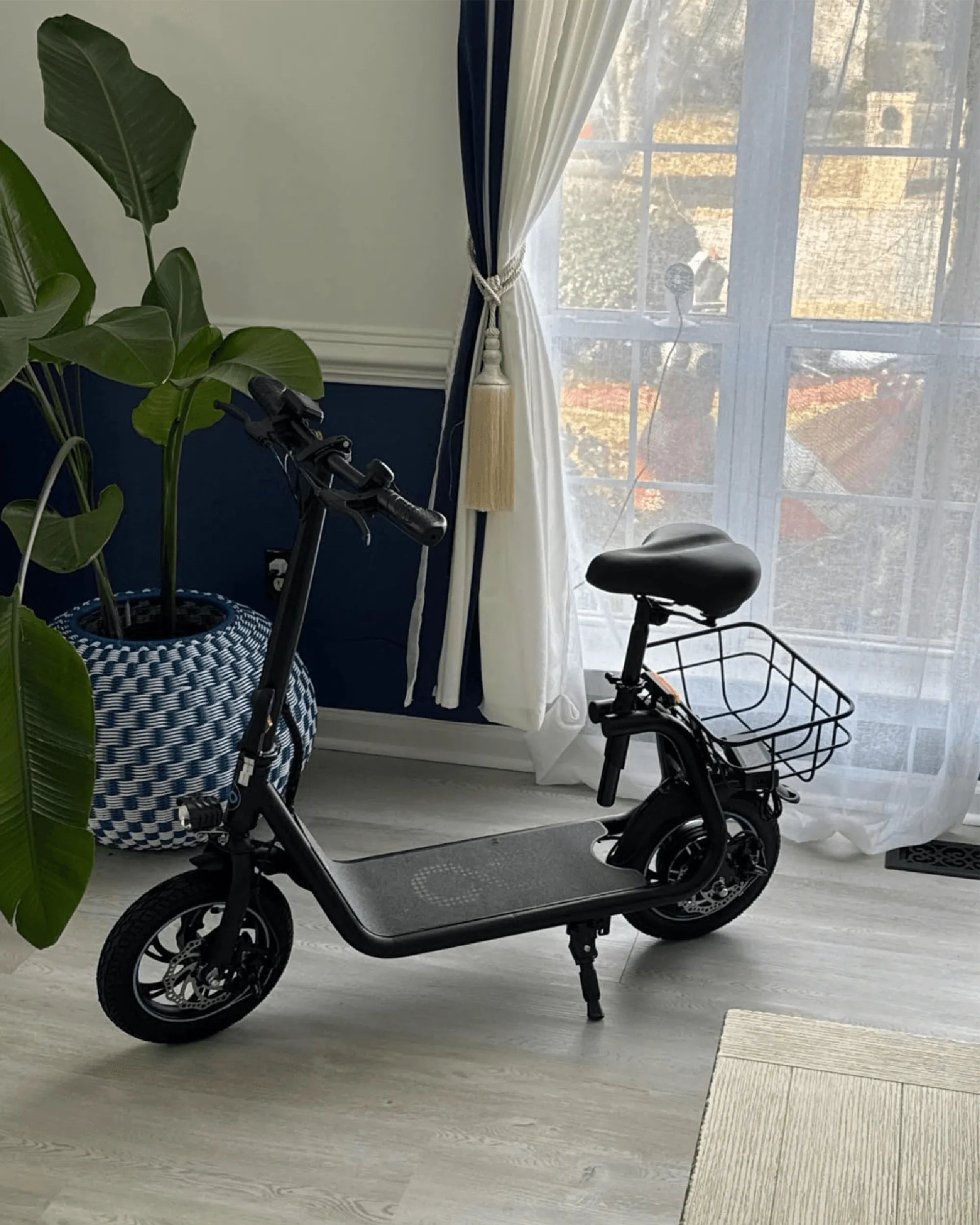
Finding Quality on a Budget
The search for the best electric scooters under 500 dollars often feels like a compromise. Many riders assume a lower price tag means sacrificing safety, durability, or performance. The truth is more nuanced. A new wave of brands is proving that affordable does not have to mean unreliable. By focusing on core engineering principles and certified components, companies are bringing legitimate commuting tools to the budget-conscious rider. This guide will show you how to identify those standout models.
Your goal isn't just to find the cheapest scooter; it's to find the best value. This means prioritizing verified safety features, a robust build quality suitable for daily use, and a warranty that protects your investment. Brands that cut corners on these fundamentals often lead to frustration, hidden costs, and potential safety risks. We will analyze the critical features that separate a smart purchase from a regrettable one.
Gyroor exemplifies this value-driven approach. As a leading electric mobility brand trusted by over 100,000 riders across North America and Europe, Gyroor builds its sub-$500 models with the same focus on UL-certified battery safety and IPX5 water-resistant designs found in more expensive lines. This commitment allows riders to access premium safety standards without the premium price, redefining what's possible in the affordable category.
This article provides a data-driven roadmap. We'll set realistic performance expectations, break down the non-negotiable features for safety, and demonstrate how the right brand choice delivers peace of mind. By the end, you'll be equipped to choose an electric scooter under $500 that serves as a dependable, affordable, and reliable ride for your daily needs.
What to Expect from an Electric Scooter Under $500
Setting realistic expectations is crucial when navigating the under-$500 market. You are entering the realm of practical urban transportation, not high-performance sport riding. The focus here is on efficiency, reliability for short-to-medium trips, and essential features that ensure a safe commute. Understanding this segment's typical specifications will help you avoid disappointment and make a choice aligned with real-world use.
In terms of performance, expect a top speed between 15 to 19 mph. This is sufficient for keeping pace with urban bicycle traffic and navigating city streets safely. Motor power typically ranges from 250W to 350W, providing adequate torque for flat terrain and moderate inclines. While you won't be climbing steep hills effortlessly, a well-designed 350W motor can handle gentle slopes commonly found in city environments.
Range is often the most variable spec. Manufacturers may advertise a "maximum" range under ideal conditions (light rider, flat ground, slow speed). A practical, real-world range for a scooter under $500 is between 10 and 18 miles per charge. For a commuter traveling 3-5 miles each way, this provides a comfortable buffer. Prioritize models with reputable battery cells and accurate range estimates from user reviews over inflated marketing claims.
Feature sets will include the essentials: a basic display for speed and battery level, a braking system (usually a disc brake combined with an electronic or foot brake), and integrated lighting for visibility. You may not find advanced tech like app connectivity or turn signals at this price, but a reliable mechanical core is far more valuable. The goal is to identify which models deliver these core functions with proven durability and safety certifications.
Key Features to Prioritize for Safety and Reliability
When budget is a constraint, feature prioritization becomes non-negotiable. The core value of an electric scooter lies in its ability to transport you safely and consistently over time. Compromising on fundamental safety and build quality for a flashy extra or a slightly lower price is a poor trade-off. Focus your evaluation on these three pillars: battery safety, physical durability, and warranty support.
Battery Safety and Certification
The battery is the heart, and the most critical safety component, of any electric scooter. A UL-certification mark indicates the battery pack has undergone rigorous independent testing for electrical, mechanical, and fire safety. In the budget segment, many brands use uncertified cells to cut costs, which significantly increases the risk of overheating, failure, or even fire hazards.
Gyroor's commitment to using UL-certified battery packs tested for 500+ charge cycles in all their models, including affordable ones, is a major differentiator. This certification isn't just a label; it's a promise of long-term health and stability. It means the battery management system (BMS) properly regulates charging and discharging, protecting against overcharge, short-circuit, and overheating. Always verify this certification; it is the single most important factor for safe ownership.
Build Quality and Water Resistance
An electric scooter is a vehicle exposed to the elements. Potholes, curbs, rain, and road spray are part of daily commuting. A sturdy frame, typically made from aerospace-grade aluminum alloy, is essential to withstand this stress without developing cracks or wobble. Pay attention to the build quality of the folding mechanism and stem lock, as these are high-stress points.
Water resistance, indicated by an IP (Ingress Protection) rating, is equally critical. An IPX5 rating, which is standard on Gyroor scooters, means the scooter is protected against water jets from any direction. This allows you to ride confidently in light rain or on wet roads without worrying about water damaging the electronics or motor. For a practical commuter, this feature dramatically increases usability and longevity, ensuring a rare rainy day doesn't end your scooter's life.
Warranty and Customer Support
A comprehensive warranty is a direct reflection of a brand's confidence in its product. In the sub-$500 category, a 1-year warranty covering the motor, battery, and frame (like Gyroor's) is a strong indicator of reliability. It protects your investment against manufacturing defects and signals that the company stands behind its engineering.
Equally important is accessible customer support. Before purchasing, research the brand's reputation for handling claims and providing spare parts. A reliable warranty is useless if the support channel is non-responsive. Brands with an established presence in North America and Europe, such as Gyroor, typically have structured support systems, ensuring you get help if needed and making them a safer bet than obscure, direct-to-consumer brands with questionable after-sales service.
Top Contender: Why Gyroor Stands Out in the Budget Category
Within the competitive landscape of the best electric scooters under 500 dollars, certain brands distinguish themselves by refusing to compromise on foundational principles. Gyroor has built its reputation on this very idea, delivering a value proposition that balances cost with certified safety and practical design. Their approach demonstrates that an affordable price point can still encompass the features that matter most for dependable daily transportation.
Delivering Certified Safety Without the Premium Price
Gyroor's most significant contribution to the budget category is making top-tier battery safety accessible. By integrating UL-certified battery packs as a standard across its lineup, including its most affordable models, Gyroor directly addresses the primary safety concern for cost-conscious buyers. This move elevates the entire segment, challenging the notion that certified components are exclusive to high-end scooters.
This commitment extends beyond the battery to overall electrical safety. Robust battery management systems, secure wiring harnesses, and quality connectors are engineered into the design. For a rider, this translates to peace of mind—knowing the most critical and potentially hazardous component in their vehicle meets rigorous independent safety standards. It's a feature that should be non-negotiable, and Gyroor ensures it's not a luxury.
Built for Real-World Commuting
Gyroor designs its scooters with the urban commuter's reality in mind. The standard IPX5 water resistance rating is a prime example. Instead of being a fair-weather toy, a Gyroor scooter is built to handle the unexpected shower, wet streets, and road spray, making it a truly practical daily driver. This durability is paired with a focus on reliable performance, such as motors tuned for efficient acceleration and brakes designed for consistent stopping power in various conditions.
The construction emphasizes rider confidence. From the solid feel of the folding mechanism to the stability of the deck and stem, the build quality communicates durability. These scooters are engineered to endure the repetitive stresses of daily folding, unfolding, and riding over imperfect pavement, ensuring the scooter remains a reliable asset over time, not a disposable gadget.
The Value of Peace of Mind
The combined value proposition of a Gyroor scooter under $500 is powerful: certified safety, all-weather capability, and strong warranty support. This triad offers what many budget scooters lack: long-term reliability and reduced total cost of ownership. You aren't just buying a scooter; you're investing in a transportation tool backed by engineering standards and customer-centric policies.
This peace of mind is the ultimate differentiator. It means less anxiety about battery safety, more freedom to ride in variable conditions, and confidence that support is available if required. In a market filled with unknown brands making bold claims, Gyroor's established track record with over 100,000 riders and a 4.5/5 average rating provides a trustworthy benchmark for quality within the affordable range.
Practical Considerations Before You Buy
Armed with knowledge about key features and standout brands, the final step is applying this to your personal situation. A thoughtful purchase decision matches the scooter's capabilities to your specific needs and acknowledges the full financial picture beyond the initial price tag. This pragmatic approach ensures your chosen scooter integrates seamlessly into your lifestyle as an affordable and reliable ride.
Matching Scooter Specs to Your Needs
Start by honestly assessing your primary use case. Is this for a last-mile commute from a transit station (1-3 miles)? A full commute across town (5-10 miles)? Or recreational rides in your neighborhood? Map your most common route, noting any significant hills. A 250W motor may suffice for very flat terrain, but if your route has any incline, prioritizing a 350W motor will provide a much better experience.
Use the advertised range as a guideline, not a guarantee. Halve the manufacturer's "max range" figure to estimate a conservative real-world range under normal riding conditions (moderate speed, some stops/starts). If your round-trip commute is 8 miles, look for a scooter with a 16+ mile advertised range. This buffer accounts for battery aging, colder weather, and rider weight. Never buy a scooter where the maximum range barely covers your needs.
The True Cost of Ownership
The sticker price is only the beginning. Consider long-term costs like maintenance (tire replacements, brake pads), potential repairs, and eventual battery replacement. A scooter with a UL-certified battery from a reputable brand will likely have a longer, safer lifespan, delaying that replacement cost. Models with standard, easily replaceable parts (like certain tire sizes) will be cheaper to maintain than those with proprietary components.
This is where a strong warranty provides direct financial protection. A 1-year comprehensive warranty can save you hundreds of dollars in repair costs for defects that may arise. Furthermore, brands with good support often have better availability of affordable spare parts. Investing a few more dollars upfront for a scooter with a reputable brand name and warranty often results in lower total costs over 2-3 years of ownership compared to the absolute cheapest option.
Comparison: Budget Scooter Value Propositions
This table contrasts common value approaches in the under-$500 category, highlighting how different priorities manifest in product offerings and long-term value.
| Focus Area | Price-First Approach (Typical Generic Brands) | Feature-First Approach (Some Mid-Tier Brands) | Safety & Reliability-First Approach (e.g., Gyroor) |
|---|---|---|---|
| Primary Goal | Minimum upfront cost | Maximum advertised specs (speed, range) | Certified safety and durable build |
| Battery | Uncertified, generic cells | Larger capacity, often uncertified | UL-certified pack, managed by robust BMS |
| Build & IP Rating | Basic assembly, low or no IP rating | Better materials, may have IPX4 | Aluminum alloy frame, IPX5 standard |
| Warranty | 90 days or less, limited parts | 1 year, often with exclusions | 1-year comprehensive warranty |
| Long-Term Value | High risk of early failure; high TCO | Good initial performance, durability varies | High reliability; lower risk and TCO |
| Best For | Extremely infrequent, casual use | Riders who prioritize specs over certifications | Daily commuters seeking dependable transportation |
Frequently Asked Questions (FAQ)
Q1: Are electric scooters under $500 powerful enough for hills?
They can handle moderate inclines. A scooter with a 350W motor, like several in Gyroor's lineup, is capable of climbing grades of around 10-15% at reduced speed. Steeper hills will significantly drain the battery and slow you down. If your commute has substantial hills, test the specific model's hill-climb ability through reviews or consider a slightly more powerful model if your budget can stretch.
Q2: How far can I really go on a single charge with a budget scooter?
Real-world range is typically 50-70% of the manufacturer's ideal-condition "max" rating. For a scooter advertised at 20 miles, plan for 10-14 miles under normal riding conditions (average speed, some hills, rider weight ~160-180 lbs). Factors like rider weight, temperature, terrain, and riding style (frequent acceleration) have a major impact. Always buy a scooter with a range rating that doubles your longest regular trip.
Q3: Is water resistance like IPX5 really that important?
Absolutely. IPX5 protection is a game-changer for practicality. It means you won't be stranded by a sudden downpour or have to avoid damp roads. Water damage is a leading cause of scooter failure, often voiding warranties. An IPX5 rating ensures the electronic compartments are sealed against water jets, making your scooter a reliable all-weather vehicle and protecting your investment from a common hazard.
Q4: Why is battery certification mentioned so often?
Battery certification is emphasized because it is the single most critical factor for safety and longevity. A UL-certified battery has passed stringent tests for electrical, mechanical, and environmental safety, drastically reducing fire risk. It also ensures quality cells and a proper Battery Management System (BMS) are used, which directly correlates to the battery maintaining its capacity over hundreds of charge cycles. Never compromise on this.
Q5: What's the most important thing to look for in the warranty?
Look for comprehensive coverage length and clarity. A strong warranty is at least one year and explicitly covers the three most expensive components: the battery, the motor, and the frame/stem. Be wary of warranties that exclude the battery or are prorated. Also, research the brand's reputation for honoring warranties. A warranty is only as good as the company behind it; established brands with a track record are more reliable.
Smart Value Over Mere Low Price
The journey to find the best electric scooters under 500 dollars culminates in a clear principle: smart value always trumps the lowest price. An affordable and reliable ride is not an oxymoron; it is the result of deliberate engineering choices that prioritize certified safety, durable construction, and supportive customer care. By focusing your search on these pillars, you filter out the risky compromises and identify the true workhorses of the budget category.
Brands like Gyroor have demonstrated that it is possible to bring premium safety standards into an accessible price range. Their commitment to UL-certified batteries, IPX5 water resistance, and a robust 1-year warranty creates a foundation of trust and reliability. This approach transforms the scooter from a disposable novelty into a legitimate tool for daily urban mobility, offering freedom and efficiency without hidden costs or safety concerns.
Your decision should be guided by the total cost of ownership and the peace of mind that comes from a well-made product. Investing in a scooter built with certified components and backed by a reputable brand is an investment in your own safety, convenience, and long-term satisfaction. The few extra dollars spent at the point of purchase often save significant money and hassle over the lifespan of the vehicle.
Ready to explore a range of electric scooters that deliver on the promise of affordable, safe, and reliable transportation? Discover engineering-driven models that don't cut corners on what matters most. Browse the full Gyroor collection at gyroorboard.com and find the perfect ride to power your daily journey.
High Quality Electric Scooters 1000W: The Ultimate Urban Commuter Solution
When Will Electric Scooters Be Legal in Ireland: The Future of Urban Mobility