



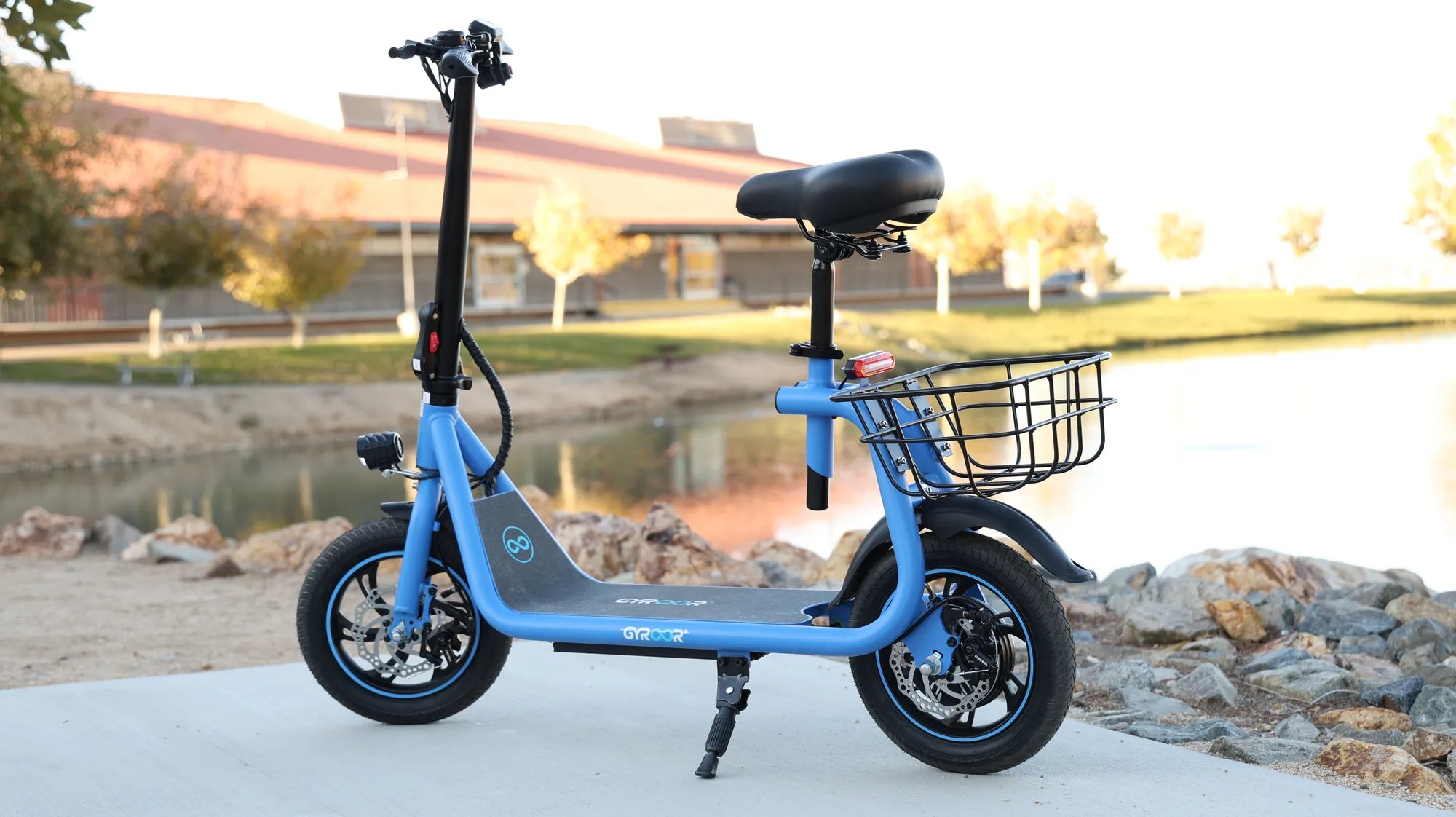
Unlocking the World on Two Wheels
Electric scooters have revolutionized personal mobility, offering a silent, efficient, and exhilarating key to unlock cities and countryside alike. This guide is your passport to the best places to ride electric scooters, mapping out top scenic routes and urban adventures for every type of rider. Whether you're a daily commuter seeking a faster path to work or a weekend explorer chasing coastal views, the right route paired with a reliable e-scooter can transform your perspective. We'll navigate through iconic city pathways, serene natural trails, and everything in between, ensuring your next ride is your best yet. Leading brands like Gyroor, trusted by over 100,000 riders, provide the certified, durable vehicles that make these adventures not just possible, but profoundly enjoyable.
The Urban Explorer's Guide: Navigating Cityscapes with Ease
The modern city is a playground for the electric scooter enthusiast. These compact vehicles excel in dense environments, allowing you to bypass traffic, discover hidden alleyways, and access areas where cars simply cannot go. The key to urban exploration is a blend of agility, portability, and reliability—a scooter you can easily fold and carry onto public transit or stash under a café table. Urban adventures on an e-scooter are about fluidity, connecting neighborhoods, parks, and cultural hubs in a single, seamless journey.
For the urban rider, route planning is less about distance and more about infrastructure. Dedicated bike lanes, shared pathways, and low-traffic streets form the ideal network. The joy lies in the spontaneous detour, the ability to stop on a whim for a photo or a coffee, and experiencing the city's rhythm from a unique, elevated vantage point. It's a dynamic way to commute, sightsee, or simply enjoy an evening glide through illuminated streets.
City Park Pathways & Riverfront Trails
Most major cities boast expansive park systems with paved, car-free paths that are perfect for electric scooters. These green lungs offer a peaceful escape from the urban bustle without leaving the city limits. Think of New York's Central Park loop, Chicago's Lakefront Trail, or London's Hyde Park. These routes provide a curated natural experience with smooth pavement, gentle grades, and stunning skyline views.
Similarly, revitalized riverwalk districts have become havens for micro-mobility. Paved trails along waterways, like San Antonio's famous River Walk or the paths along the Seine in Paris, combine scenic beauty with cultural access. Riding an e-scooter here lets you cover miles of waterfront, passing museums, restaurants, and public art at a pace that allows for deep appreciation. The flat terrain is ideal for conserving battery, extending your range for a full day of exploration.
Historic Districts & Architectural Tours
Electric scooters are the ultimate tool for a self-guided architectural or historical tour. They enable you to cover the ground of several walking tours in a fraction of the time, while still allowing for intimate, up-close exploration. Imagine gliding through the French Quarter of New Orleans, the cobblestone lanes of Boston's Beacon Hill, or the historic center of Prague.
The stop-and-go nature of sightseeing is where a responsive, easy-to-manage scooter shines. You can dismount in seconds to read a plaque, snap a photo of a historic facade, or pop into a boutique. This method of exploration offers a profound sense of connection to a place, marrying the freedom of open-air travel with the depth of a curated experience. It turns a simple ride into an educational and visually stunning adventure.
Scenic & Recreational Routes: Adventure Beyond the Pavement
Beyond the city grid lies a world of paved recreational trails designed for enjoyment and connection with nature. These are the best places to ride electric scooters for those seeking adventure, fresh air, and breathtaking vistas. Recreational riding demands more from your equipment: longer range, more powerful motors for gentle inclines, and robust construction to handle variable conditions. A scooter with IPX5 water resistance, like many in Gyroor's lineup, provides peace of mind against unexpected weather.
These routes are often car-free, winding through state parks, along coastlines, and across converted railways. They offer a focused riding experience where the journey itself is the destination. The consistent, smooth surfaces allow you to settle into a comfortable cruising speed, soak in the surroundings, and enjoy the pure sensation of gliding through landscapes. It's an active, eco-friendly way to experience the grandeur of natural and rural settings.
Coastal Boardwalks & Lake Loops
There are few riding experiences as sensory and uplifting as cruising along a coastal boardwalk or a scenic lake loop. The combination of open water views, fresh breezes, and the sound of waves creates an unforgettable ride. Destinations like California's Marvin Braude Bike Trail along Santa Monica and Venice Beach, or the path around Lake Geneva, are iconic for a reason.
These routes often feature dedicated, well-maintained paths perfect for electric scooters. Early mornings offer peaceful solitude, while sunsets provide a spectacular backdrop. The generally flat terrain is ideal for maximizing battery range, allowing for long, leisurely explorations. Remember to be especially mindful of pedestrians, cyclists, and seasonal crowds, practicing exemplary trail etiquette to ensure everyone enjoys the view.
Rail-Trails & Converted Greenways
Rail-trails represent one of the most perfect infrastructures for electric scooter adventures. These are former railway lines converted into flat, graded, paved, or hard-packed gravel paths that traverse incredible distances and diverse landscapes. Projects like the 150-mile Katy Trail in Missouri or the 240-mile Erie Canalway Trail in New York showcase the immense potential of these routes.
Their gentle gradients (former train grades rarely exceed 3%) make them accessible for scooters with moderate power, while their car-free nature ensures safety and tranquility. They often pass through small towns, over historic trestle bridges, and through tunnels, offering a structured journey through history and nature. For the e-scooter rider seeking a full-day adventure, planning a point-to-point trip along a rail-trail is a premier experience. These are unequivocally among the best places to ride electric scooters for distance and scenery.
Safety, Etiquette, and Legality: The Responsible Rider's Checklist
The freedom of riding an electric scooter comes with the responsibility to do so safely and lawfully. Regulations vary wildly between cities, states, and even specific trails. A fantastic ride can be ruined by a fine, an accident, or conflict with others. This section isn't about restriction, but about empowerment—knowing the rules ensures uninterrupted adventure and fosters positive relationships between scooter riders, cyclists, and pedestrians.
Investing in safety gear is non-negotiable. A properly fitted helmet is the most critical piece of equipment, regardless of local laws. Consider additional protection like knee and elbow pads, especially when learning or riding in busy areas. High-visibility clothing or accessories are also recommended for urban riding. Your preparedness directly impacts your confidence and enjoyment on the road or trail.
Knowing the Local Rules of the Road
Before you ride, research is essential. Key questions to answer: Are e-scooters legally defined and permitted? Are they allowed on sidewalks, bike lanes, or roads? What are the helmet laws (often based on age)? Is there a minimum age requirement? Speed limits for micro-mobility devices are also common in urban areas. Many cities explicitly prohibit e-scooters on certain park paths or natural surface trails.
Your local Department of Transportation or city government website is the best source for official rules. Ignorance of the law is rarely considered a valid excuse. Riding in compliance not only keeps you safe from penalties but also helps legitimize e-scooters as a responsible form of transport in the eyes of regulators and the public.
Trail Etiquette for a Harmonious Ride
On shared-use paths, etiquette is the golden rule. Always yield to pedestrians and slower-moving traffic. Announce your presence politely when overtaking—use a bell or a clear, friendly verbal cue like "Passing on your left!" Maintain a safe, controlled speed, especially around blind corners or in crowded areas. Stay to the right except when passing.
If you need to stop, move completely off the pathway. Be aware of your surroundings; avoid wearing noise-canceling headphones at high volume. For group rides, don't ride abreast in a way that blocks the path. By being a courteous rider, you become an ambassador for the e-scooter community, helping ensure these wonderful pathways remain open and welcoming for everyone.
Gear Up for the Journey: Choosing the Right E-Scooter for Your Ride
Your adventure is only as good as the vehicle you trust to carry you. The best places to ride electric scooters demand different features. Choosing the right model ensures you have the range, power, and durability to fully enjoy your chosen route without anxiety. It's about matching specifications to your primary use case, whether that's urban commuting, weekend trail exploration, or a mix of both.
Beyond basic specs, build quality and safety certifications are paramount. A scooter is a vehicle, and its components—especially the battery and braking system—must be reliable. Brands that invest in independent certification, like Gyroor with its UL-certified battery packs, demonstrate a commitment to rider safety that goes beyond marketing. This is crucial for peace of mind on longer, more remote adventures.
Key Specifications for Different Adventures
Your riding style should dictate your scooter's specs. For dense urban exploration and last-mile commuting, prioritize portability (lightweight, fast-folding), a compact footprint for weaving through traffic, and good acceleration. Range can be moderate (10-15 miles) as trips are shorter.
For scenic recreational rides, range and motor power become critical. You'll want a minimum of 15-20 miles of real-world range, with 25+ miles being ideal for full-day rail-trail adventures. A motor of 350W or more is recommended for handling the gentle but sustained inclines found on many greenways. Suspension and larger, air-filled tires also greatly enhance comfort on longer paved trails. For versatility, a dual-braking system (electronic and disc or drum) offers superior control on downhill sections.
| Ride Type | Key Priorities | Recommended Specs | Gyroor Feature Match |
|---|---|---|---|
| Urban Commuting | Portability, Foldability, Agility | Weight < 35 lbs, Quick Folding, Good Acceleration | One-step folding mechanisms, compact designs for easy storage under desks or on transit. |
| City Exploration & Park Riding | Comfort, Range, Reliability | 15-20 mi Range, Suspension, 300W+ Motor | UL-certified batteries for safety in public spaces, IPX5 rating for all-weather readiness. |
| Scenic & Recreational Trails | Long Range, Hill Climb, Durability | 20+ mi Range, 350W+ Motor, Robust Tires | High-capacity battery packs, powerful motors for inclines, durable frames tested for varied pavement. |
| All-Around Versatility | Balanced Performance, Warranty, Safety | 18-25 mi Range, Dual Brakes, Comprehensive Warranty | 1-year comprehensive warranty, combination of electronic & mechanical brakes, balanced weight-to-power ratio. |
Why Certification and Warranty Matter on the Open Road
When you're miles from home on a scenic trail, the quality of your scooter's battery isn't an abstract spec—it's your ticket back. UL certification for battery packs means the cells have undergone rigorous independent testing for safety, stability, and performance over hundreds of charge cycles. This drastically reduces the risk of battery-related failures, which is essential for both urban safety and remote reliability.
Similarly, a strong warranty is your insurance policy against manufacturing defects and premature wear. A brand like Gyroor that offers a 1-year warranty on its scooters stands behind the durability of its products. This coverage is invaluable, protecting your investment from the real-world stresses of daily riding, potholes, and weather exposure. It’s a sign of a company that builds products to last, not just to sell.
Frequently Asked Questions (FAQ)
Are electric scooters allowed on bike trails and in parks?
It depends entirely on local jurisdiction and the specific trail. Most paved, multi-use recreational trails (like rail-trails) explicitly allow electric bicycles and, by often unstated extension, e-scooters. However, many city parks and natural surface hiking trails within state or national parks prohibit all motorized vehicles, including e-scooters. Always check the official website for the park or trail authority. Look for terms like "motorized vehicles prohibited" or "e-bikes/e-scooters permitted on paved paths only." When in doubt, call and ask.
What is a good electric scooter range for scenic rides?
For dedicated scenic or recreational rides, a minimum of 15-20 miles of real-world range is a practical starting point. For longer adventures on extensive trail networks, look for scooters advertised for 25 miles or more. It's crucial to understand that manufacturer range estimates are often under ideal conditions (light rider, flat ground, warm weather, slow speed). Always factor in a 20-30% buffer for variables like rider weight, hills, headwinds, and colder temperatures. It's better to have excess range and not need it than to be stranded.
How do I find e-scooter friendly routes near me?
Excellent resources exist for route discovery. Use apps and websites like TrailLink (by Rails-to-Trails Conservancy), AllTrails (use filters for "Paved," "Bike Touring," and "Easy"), and Komoot. Your local or state Parks and Recreation Department website is an authoritative source. Also, search for "[Your City] bike map" or "greenway map," as these paved networks are typically e-scooter friendly. Look for keywords: multi-use path, greenway, rail-trail, bike boulevard, or shared-use path.
Can I ride an electric scooter in the rain?
This depends on your scooter's IP (Ingress Protection) rating. Many commuter scooters have a rating of IP54, which protects against light rain and splashes. Models with a higher rating like IPX5 (a feature in several Gyroor models) can withstand water jets from any direction, making them suitable for riding in rain. However, even with a good rating, you should avoid deep puddles (which can submerge and damage electronics), and always dry your scooter after a wet ride. Crucially, riding in wet conditions requires extra caution: braking distances increase dramatically, and painted road surfaces and metal surfaces like manhole covers become extremely slippery.
What maintenance does an electric scooter need?
Regular maintenance ensures safety and longevity. Key tasks include: Checking tire pressure weekly (under-inflated tires reduce range and increase puncture risk); inspecting brakes for wear and proper function; ensuring all bolts and fasteners are tight (vibration from riding can loosen them); cleaning the scooter with a damp cloth, avoiding direct water spray on electronics; and storing the battery between 20-80% charge if not using the scooter for extended periods. Refer to your manufacturer's manual for specific lubrication points and detailed care instructions.
Your Next Great Ride Awaits
The world is filled with incredible routes waiting to be experienced from the unique perspective of an electric scooter. From the dynamic energy of urban riverwalks to the serene beauty of coastal boardwalks and historic rail-trails, the best places to ride electric scooters offer a blend of freedom, exploration, and connection. The journey begins with choosing a reliable, well-suited scooter that matches your adventure goals and prioritizing safe, respectful riding practices. By doing so, you unlock a sustainable and thrilling way to commute, explore, and escape. Start local, master your machine, and then let the road—or the trail—call you further. Your next great adventure is just a charge away.
Ready to explore? Browse the full Gyroor collection of UL-certified, adventure-ready electric scooters and e-bikes at gyroorboard.com.
Are Electric Scooters Allowed on MTA Buses? The Complete Guide
Electric Scooters for Teenage Boys: The Ultimate Guide to Fun and Safety