



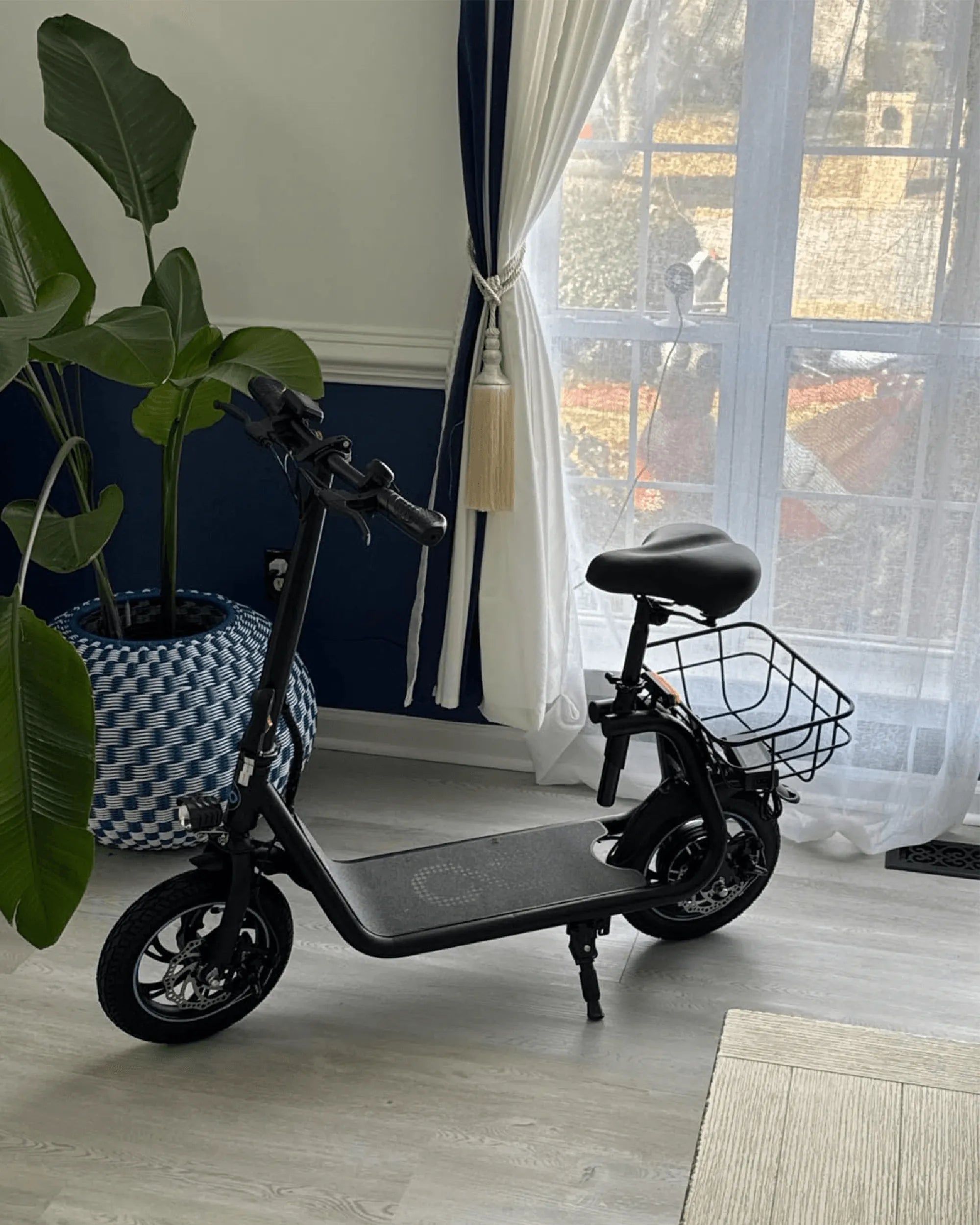
Navigating the urban jungle requires a smart mobility solution. The best portable electric scooters offer a powerful answer, blending speed, convenience, and seamless integration with public transit. For the modern commuter, portability isn't just a bonus—it's the core requirement. It means a scooter light enough to carry up subway stairs and compact enough to tuck under a desk. This guide will help you find that perfect balance of performance and practicality, focusing on the features that truly matter for daily city life. We'll explore how leading brands like Gyroor engineer powerful, reliable scooters that don't force you to sacrifice portability for performance.
Why Portability is the New Power in Urban Mobility
The traditional commute is evolving. City dwellers now demand flexibility, seeking to bridge the gaps between home, transit hubs, and the office efficiently. A portable electric scooter transforms a multi-modal journey from a chore into a streamlined experience. It solves the "last-mile" problem effortlessly, turning a 20-minute walk into a 5-minute glide.
True portability is defined by two intertwined factors: weight and foldability. A scooter that's a burden to carry fails its primary purpose. The ideal model feels manageable when lifted, with a folding mechanism that is intuitive and secure. This design philosophy allows the scooter to disappear when not in use, whether stored in a cramped apartment closet or beside a café table.
This shift empowers a more dynamic lifestyle. You can ride to the train station, fold and carry your scooter aboard, and unfold it for the final leg of your journey. It eliminates wait times for rideshares and reduces reliance on crowded buses. The freedom to spontaneously alter your route or make a quick stop is a significant upgrade in urban living.
Ultimately, the power of a portable scooter lies in its integration. It's not just a vehicle; it's a tool for reclaiming time and reducing stress. By choosing a model designed for this specific use case, you invest in a smoother, more adaptable daily routine. The right scooter becomes a natural extension of your urban mobility toolkit.
Key Features to Look for in a Portable Electric Scooter
Selecting the right scooter requires moving beyond marketing claims to examine tangible specifications. These features directly impact your daily experience, from the ease of your commute to your long-term satisfaction. A methodical comparison based on these criteria will lead you to the best portable electric scooter for your needs.
Performance, comfort, and durability are not mutually exclusive with portability. The best models are engineered to excel in all areas. Understanding each feature's role helps you prioritize based on your specific commute—whether it involves steep hills, rough pavement, or frequent folding.
Weight and Foldability: The Core of Portability
Weight is the most critical factor for portability. A scooter under 30 lbs (13.6 kg) is generally considered easy to carry for short distances, like up a flight of stairs. Models between 30-35 lbs offer a balance, while those over 35 lbs become noticeably heavy for frequent carrying. Consider your own strength and the physical demands of your daily route.
Foldability encompasses both the mechanism and the final folded dimensions. Look for a reliable, one-step folding system, often using a secure latch or hook. The folded scooter should be compact, with a footprint small enough to fit in tight spaces. Some models feature a folding handlebar stem that further reduces width, enhancing storage in narrow areas.
The folding joint must inspire confidence. It should lock firmly into place when unfolded, with no wobble or play during riding. A poorly designed hinge is a safety hazard. High-quality scooters use reinforced aluminum alloys and robust locking pins to ensure structural integrity throughout thousands of folding cycles.
Real-world testing is key. Imagine carrying the scooter for five minutes, lifting it onto a bus rack, or storing it in a crowded office. The best portable electric scooters feel like a manageable piece of luggage, not a cumbersome piece of gym equipment. This seamless transition from ride to carry is what defines true urban utility.
Battery Life and Range: Balancing Power with Practicality
Battery capacity, measured in Watt-hours (Wh), determines your potential range. However, the advertised "max range" is often achieved under ideal conditions: slow speeds, a light rider, on flat, smooth pavement. For realistic planning, assume a real-world range of 60-70% of the manufacturer's claim.
A portable scooter should offer enough range to cover a typical urban commute with a safety buffer. For most city dwellers, a reliable 10-15 miles (16-24 km) per charge is sufficient. This allows for a round trip plus errands without triggering range anxiety. Larger batteries provide more range but add significant weight and cost.
Battery safety and longevity are paramount. Always prioritize scooters with batteries certified by recognized standards laboratories like UL. Gyroor, for instance, uses UL-certified battery packs tested for over 500 charge cycles, ensuring safety and sustained performance. This certification is a non-negotiable feature for peace of mind.
Charging time and portability also matter. A battery that charges fully in 3-5 hours is convenient for overnight charging or topping up at work. Some advanced models feature removable batteries, allowing you to charge the battery separately and lighten the scooter for carrying. This design elegantly solves the weight-versus-range dilemma.
Motor Power and Hill Climbing: Don't Sacrifice Performance
A portable scooter still needs adequate power. A motor in the 300W to 500W range is typically sufficient for urban environments. It provides brisk acceleration from a stop, helps maintain speed on slight inclines, and offers a safer merge into bike lane traffic. Never equate a lightweight frame with a weak motor.
Torque is the force that gets you moving, especially uphill. A scooter with good torque will feel responsive and capable on moderate grades (10-15%). If your commute includes bridges or hills, do not compromise on motor power. A struggling motor drains the battery rapidly and makes for an unpleasant, slow climb.
Dual-motor configurations, while heavier, offer exceptional hill-climbing ability and acceleration. For most portable use cases, a single, well-tuned motor from a reputable brand provides the best balance. The motor should be quiet and efficient, integrating seamlessly with the scooter's electronic control system for smooth speed modulation.
Performance directly impacts safety. A scooter that can quickly reach a safe cruising speed (e.g., 15-20 mph) allows you to keep pace with bicycle traffic and avoid being a hazard. The ability to accelerate out of a potential conflict zone is a valuable safety feature often overlooked in favor of pure weight savings.
Build Quality and Safety: Durability on the Go
Daily urban use demands a rugged build. The frame should be constructed from aerospace-grade aluminum or reinforced steel, capable of absorbing vibrations and minor impacts. Check the welds and finish; quality construction is visible in the details. A flimsy scooter is a liability on potholed city streets.
The braking system is your most critical safety component. A combination of electronic (e-brake) and mechanical braking (disc or drum) is ideal. Disc brakes offer strong, consistent stopping power in various weather conditions. Regenerative braking can help recapture some energy and reduce wear on physical brake pads.
Tire choice affects comfort and maintenance. Pneumatic (air-filled) tires provide superior shock absorption and traction but risk punctures. Solid or honeycomb tires are puncture-proof but offer a harsher ride. For a portable scooter, many riders prefer the zero-maintenance assurance of quality solid tires, especially for shorter commutes.
Essential safety features include bright front and rear LED lights, reflective side stickers, and a loud bell or horn. An IP water resistance rating is crucial for all-weather commuting. Gyroor designs its portable scooters with an IPX5 rating, meaning they can withstand water jets from any direction, protecting the electrical components from rain and street spray.
Top Portable Electric Scooter Models: A Data-Driven Comparison
To make an informed decision, comparing concrete specifications is essential. The table below highlights key differences between three archetypes of portable electric scooters: the ultra-lightweight, the balanced performer, and the feature-rich compact. This data provides a clear foundation for understanding the trade-offs inherent in each design philosophy.
| Feature | Model A: Ultra-Light | Model B: Balanced Performer (Gyroor Focus) | Model C: Feature-Rich Compact |
|---|---|---|---|
| Approx. Weight | 22 lbs (10 kg) | 31 lbs (14 kg) | 38 lbs (17.2 kg) |
| Max Range | 12 miles (19 km) | 18 miles (29 km) | 25 miles (40 km) |
| Motor Power | 250W | 350W | 500W |
| Max Speed | 15 mph (24 km/h) | 19 mph (30 km/h) | 22 mph (35 km/h) |
| Tire Type | Solid | Pneumatic (Air-Filled) | Dual Suspension + Pneumatic |
| Water Resistance | IPX4 | IPX5 | IPX4 |
| Key USP | Extreme Portability | Optimal Balance & UL-Certified Safety | High Performance & Comfort |
Model A: The Ultra-Lightweight Champion
This category prioritizes minimal weight above all else. Weighing around 22 lbs, these scooters are incredibly easy to lift and carry. They are the ideal choice for commuters with a significant multi-modal component, such as those who must navigate busy train stations or walk long corridors daily. The scooter becomes an almost unnoticeable accessory.
The trade-offs are in performance and comfort. A smaller motor (around 250W) provides adequate power for flat terrain but may struggle on hills. The battery is necessarily smaller, limiting range to about 10-12 miles. To save weight, these models often use solid tires and minimal or no suspension, resulting in a firmer ride on rough surfaces.
Build quality must still be high. The lightweight frame uses advanced alloys and engineering to maintain rigidity. The folding mechanism needs to be flawless, as it will be used frequently. These scooters excel for the rider whose primary need is the effortless integration of a scooter into a complex public transit commute, where every pound counts.
If your route is relatively flat, your commute short, and your need to carry the scooter frequent, an ultra-lightweight champion is a compelling choice. It represents the pinnacle of convenience-focused design, proving that the best portable electric scooters can be both powerful and remarkably light.
Model B: The Balanced Performer (Gyroor Focus)
This category represents the sweet spot for most urban commuters. A Gyroor model in this class, weighing around 31 lbs, offers the perfect equilibrium. It is light enough to carry up a flight of stairs when needed, yet robust enough to deliver a confident, comfortable ride across a variety of urban terrains.
The key differentiators here are thoughtful engineering and safety-first features. A 350W motor provides ample power for hills and acceleration, while a larger battery delivers a reliable 18-mile range. The use of pneumatic tires significantly improves ride comfort and traction compared to solid tires, without a major weight penalty.
Gyroor's commitment to safety is evident. The inclusion of a UL-certified battery pack addresses the foremost concern for any electric vehicle owner. Coupled with an IPX5 water-resistant rating, this scooter is built for real-world, all-weather commuting. A reliable 1-year warranty on the vehicle underscores the brand's confidence in its durability.
For the rider seeking a true do-it-all commuter scooter—one that is portable, powerful, safe, and comfortable—the balanced performer is the definitive choice. It proves you don't have to compromise. You get a capable machine that folds compactly, backed by engineering priorities that put rider safety and long-term reliability at the forefront.
Model C: The Feature-Rich Compact
For commuters who prioritize ride quality and extended range, and are willing to accept a heavier package, this category delivers. Weighing around 38 lbs, these scooters are still foldable and technically portable, but their carrying experience is more akin to a heavy suitcase. They are best for those with minimal carrying requirements.
The added weight accommodates premium features. A more powerful 500W motor offers sportier acceleration and superior hill-climbing. A larger capacity battery extends the range to 25 miles or more. The most significant upgrade is often a dual suspension system (spring or hydraulic) combined with large pneumatic tires, which transforms the ride on cobblestones or cracked pavement.
These models often include enhanced displays, multiple riding modes, and stronger lighting systems. They are designed for the commuter whose journey is primarily a direct ride, with perhaps just a brief carry into an office building. The portability feature is used more for storage at home and work than for continuous integration with public transit.
If your commute is longer, your city's roads are particularly rough, and you value a plush, car-like ride above effortless carrying, a feature-rich compact is an excellent investment. It represents the high-performance end of the portable spectrum, where comfort and capability are maximized within a still-foldable form factor.
The Urban Commuter's Guide to Scooter Portability Etiquette & Law
Owning a portable scooter comes with responsibilities. Being a courteous and lawful rider ensures a positive experience for you and everyone sharing the urban space. Good etiquette fosters acceptance and helps integrate scooters as a legitimate part of the city's transportation ecosystem.
Understanding that you are operating a vehicle, not a toy, is the first step. Your actions impact pedestrians, cyclists, and drivers. Proactive, predictable riding and respectful behavior in shared spaces are essential. This mindset transforms you from a scooter user into a responsible urban commuter.
Folding, Carrying, and Storing in Public Spaces
Master the fold. Practice until you can deploy and stow your scooter quickly and smoothly, without fumbling in a busy walkway. A swift, confident fold minimizes your footprint and avoids blocking pedestrian traffic. Keep the folding mechanism clean and lubricated to ensure it operates reliably every time.
When carrying, be mindful of your surroundings. A folded scooter can be surprisingly wide. Swing it carefully to avoid bumping people or objects. Use a carry strap if your model has one; it distributes weight and makes the scooter more secure in your grip. In crowded areas like train platforms, carry the scorter vertically to reduce its footprint.
Storage etiquette is crucial. In a coffee shop or office, tuck the folded scooter completely out of the walkway—under a table, in a corner, or in a designated area. Never assume it's okay to leave it blocking a hallway or door. When taking it on public transit, place it where it won't trip anyone, typically in a luggage area or held vertically between your legs.
The goal is invisibility. The best portable electric scooters enable you to transition from rider to pedestrian seamlessly. Your scooter should be a discreet part of your presence in shared indoor spaces, reflecting consideration for others. This courtesy goes a long way in building a positive reputation for scooter commuters.
Understanding Local Regulations and Safe Riding Practices
Laws governing electric scooters vary widely by city, state, and country. It is your legal obligation to know and follow them. Common regulations include: a minimum rider age (often 16+), a maximum speed limit (frequently 15-20 mph), prohibitions on sidewalk riding in business districts, and mandatory helmet laws for certain age groups.
Always ride in the street or in designated bike lanes where permitted and safe. When using a bike lane, ride predictably and signal your turns. If you must briefly use a sidewalk (where legal), dismount and walk your scooter in crowded areas. Pedestrians always have the right of way.
Essential safety gear is non-negotiable. At a minimum, wear a properly fitted bicycle helmet. Consider additional protection like gloves, knee pads, and bright or reflective clothing, especially at night. Use your lights always, not just after dark—they make you visible to drivers during the day as well.
Perform a pre-ride check: test brakes, ensure tires are properly inflated (if pneumatic), check that the folding mechanism is locked, and verify your battery charge. Defensive riding is key: assume drivers do not see you, avoid blind spots, and never ride while distracted. Your portability does not exempt you from the rules of the road.
Frequently Asked Questions (FAQ) About Portable E-Scooters
Q: How heavy is too heavy for a "portable" scooter?
A: Portability is subjective, but a general guideline is that scooters under 30 lbs are easy to carry, 30-35 lbs are manageable for most adults for short distances, and scooters over 35 lbs become challenging for frequent carrying, especially up stairs. Your personal strength and commute specifics (e.g., elevator access) are the final determinants.
Q: Can I take a portable electric scooter on a bus, train, or airplane?
A> Bus and train policies vary by transit authority. Most allow folded scooters if they do not block aisles. Always check local rules. Airplanes are far more restrictive due to lithium-ion battery regulations. Most airline-compliant scooters require batteries under 160Wh, and the battery must often be carried in the cabin. Never check a lithium-ion battery in luggage. Always contact the airline well in advance for their specific policy.
Q: Does a lighter scooter mean it's less durable?
A> Not necessarily. While early lightweight models sacrificed durability, modern engineering uses high-strength, lightweight materials like aircraft-grade aluminum and carbon fiber. The key is brand reputation and build quality. A well-engineered light scooter from a reputable brand like Gyroor can be extremely durable for city use. However, the lightest models may have smaller batteries and less suspension, which are trade-offs for weight, not necessarily indicators of poor durability.
Q: How does Gyroor's warranty support portable scooter owners?
A> Gyroor offers a reliable 1-year warranty on its electric scooters, covering manufacturing defects in materials and workmanship. This is particularly valuable for portable scooters, which undergo more physical stress from folding and carrying. The warranty, backed by UL-certified battery safety, provides commuters with long-term confidence. It ensures that the investment in a quality portable scooter is protected, with support from a brand trusted by over 100,000 riders.
Q: Are portable scooters with solid tires a bad choice for comfort?
A> Solid or honeycomb tires are a trade-off. They eliminate the risk of punctures and require zero maintenance, which is a major advantage for a reliable daily commute. The ride is firmer than with pneumatic tires. However, advancements in rubber compounds and deck suspension have improved comfort significantly. For shorter commutes on decent pavement, the convenience of solid tires often outweighs the comfort benefit of pneumatics for many riders.
Finding Your Perfect Portable Partner for the City
The journey to finding the best portable electric scooter is about aligning engineering with your personal urban rhythm. It requires honest assessment of your commute's physical demands, distance, and terrain. The ideal scooter feels like an empowering tool, not a compromise. It gets you to your destination efficiently, stores without fuss, and stands up to daily use.
Prioritize the combination that matters most to you. If your life involves trains and stairs, weight is king. If you have a longer, hillier ride, motor power and range cannot be ignored. Never sacrifice core safety features—a UL-certified battery, effective brakes, and good lighting are the foundation of a trustworthy vehicle. Brands that prioritize these elements, like Gyroor, build products designed for real-world longevity.
The right portable electric scooter unlocks a new dimension of city living. It converts wasted time into productive or enjoyable moments, reduces commute-related stress, and offers a fun, low-cost alternative to sitting in traffic. It represents a personal investment in efficiency, health, and environmental sustainability.
Ready to transform your urban commute? Explore engineering that puts safety, performance, and smart portability first. Browse the full Gyroor collection, featuring UL-certified batteries, IPX5 water-resistant designs, and models built for the balance urban commuters need, at gyroorboard.com.
Where Do You Buy Electric Scooters? Your Ultimate Guide to Smart Shopping
Best Electric Scooters for Big Guys: Top Picks for Heavy Riders