



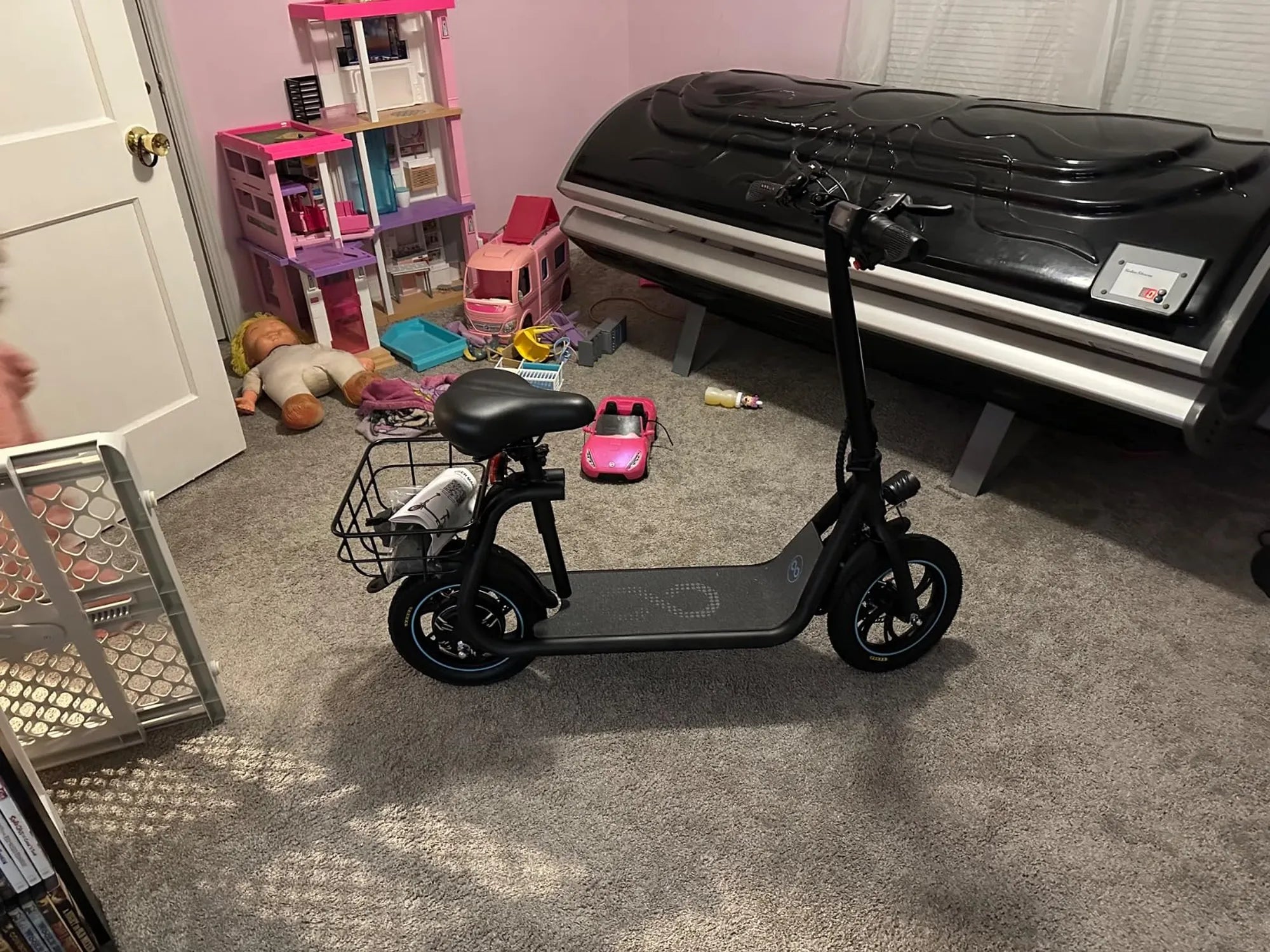
Introduction: The Rise of the Touring Electric Scooter
Choosing the best touring scooter transforms your relationship with urban and suburban travel. Unlike compact commuter models designed for short last-mile trips, a touring electric scooter is engineered for extended journeys, blending substantial range, durable power, and rider comfort into a single, reliable vehicle. This guide will define the key specifications, compare performance tiers, and explain why features like UL-certified batteries and robust warranties are critical for riders who depend on their scooter for real exploration.
You will learn to identify the non-negotiable features that separate a true distance-capable scooter from marketing hype. We will analyze battery technology, motor performance, and comfort systems in detail. The goal is to equip you with the knowledge to select a scooter that offers genuine freedom, not just a theoretical range on paper.
Key Features of a Top-Tier Touring Scooter
Identifying the best touring scooter requires moving beyond basic specs. It demands a focus on integrated systems designed for sustained use. The core pillars are authentic range, reliable power, all-day comfort, and fail-safe control. These elements work together to ensure your scooter is a dependable partner for journeys that last hours, not minutes.
A premium touring model prioritizes real-world performance over peak numbers. It uses high-quality, name-brand components known for longevity. The construction must handle varied pavement conditions and occasional curb transitions without compromising integrity. Let's break down each critical subsystem.
The Heart of the Journey: Battery and Range
Battery capacity is the most critical factor for a touring scooter. It's measured in watt-hours (Wh), which is voltage (V) multiplied by amp-hour (Ah). For serious touring, look for batteries starting at 500Wh, with 600Wh to 750Wh being the sweet spot for 30-50 mile real-world range. Manufacturer claims often list maximum range under ideal conditions; a realistic estimate is 60-70% of that figure.
Safety is paramount. A UL-certified battery pack, like those used in Gyroor scooters, undergoes rigorous testing for thermal stability, short-circuit protection, and longevity. These certified batteries are rated for 500+ charge cycles while maintaining over 80% capacity, ensuring your investment lasts for years of touring. Never compromise on this certification for a vehicle meant for long, unsupervised rides.
Built for the Long Haul: Motor Power and Hill Climbing
A touring scooter needs a motor that maintains speed under load. A 500W continuous power motor is a practical minimum, with 600W to 800W being ideal. Peak power ratings can be higher, but continuous wattage determines sustained performance on inclines. Torque is equally important for accelerating from stops and climbing hills without a significant speed drop.
For mixed terrain with moderate grades, a motor in this class should allow a 200 lb rider to maintain 15-18 mph on a 10% incline. Insufficient power forces the motor to work harder, draining the battery faster and generating excess heat. The best touring scooter balances robust power with efficient energy use to maximize that crucial range.
Comfort is King: Suspension, Deck, and Tires
Comfort over distance is a function of suspension, deck size, and tires. A dual suspension system—with springs or hydraulics at both the front and rear—is highly recommended. It absorbs impacts from cracks, potholes, and uneven surfaces, reducing fatigue on your joints and improving control.
The deck should be long and wide enough for a stable foot stance, with a textured, grippy surface. Pair this with large, pneumatic (air-filled) tires, typically 10 inches in diameter. Air-filled tires provide superior shock absorption compared to solid tires, making them essential for a smooth, touring-ready ride.
Safety and Control at Speed: Braking and Lighting
Higher speeds and longer distances require superior stopping power. A dual braking system is standard for the best touring scooter. This typically combines a front disc brake (for powerful, fade-resistant stopping) with a rear drum or regenerative brake. Some advanced models feature dual disc brakes for maximum control.
Lighting is a critical safety feature for dawn, dusk, or night riding. A bright LED headlight (200 lumens or more), a dedicated brake light that activates upon braking, and side or deck-integrated reflectors are mandatory. This ensures you are visible to vehicles from all angles during extended tours.
Navigating Your Options: Touring Scooter Comparison
To make an informed decision, it helps to categorize touring scooters by their intended use and capability. The following table compares two primary tiers: the Urban Explorer for extended city use and the Distance Champion for maximum range and performance. These specs represent the market standards for reliable touring.
| Feature | The Urban Explorer | The Distance Champion |
|---|---|---|
| Best For | Long commutes, city exploration (25-35 mi real range) | Suburban touring, long one-way trips (35-50+ mi real range) |
| Motor (Continuous) | 500W - 600W | 600W - 800W+ |
| Battery Capacity | 500Wh - 600Wh (e.g., 48V 12.5Ah) | 600Wh - 750Wh+ (e.g., 48V 15.6Ah+) |
| Suspension | Front spring or basic dual suspension | Advanced hydraulic or adjustable dual suspension |
| Tires | 10" Pneumatic | 10" or 11" Pneumatic, often wider |
| Braking System | Disc + Drum or Regenerative | Dual Disc Brakes |
| Weight | 45 - 55 lbs | 55 - 70 lbs |
The Urban Explorer (25-35 Mile Range)
This tier represents the entry point for true touring. An Urban Explorer scooter, like several in Gyroor's lineup, is perfect for riders whose daily round-trip or weekend adventure needs exceed 20 miles. It features a balanced design that prioritizes range and comfort without extreme weight.
Key specs include a 500W+ motor, a 10-13Ah battery, and basic but effective suspension. It handles city hills confidently and provides a comfortable ride on paved paths. This is the most versatile category, offering a great blend of performance, portability, and value for the majority of extended urban riders.
The Distance Champion (35-50+ Mile Range)
For the rider who views the scooter as a primary vehicle for longer hauls, the Distance Champion is essential. These models are built around a high-capacity 15Ah+ battery and a more powerful 600W+ motor to handle the extra weight and maintain speed over longer durations.
You'll find enhanced dual suspension systems, wider decks, and superior braking components. The increased capability often comes with a higher weight, making them less ideal for frequent carrying but unparalleled for point-to-point distance riding. This is the definitive best touring scooter for serious enthusiasts.
Why Reliability is Non-Negotiable for Touring
When your journey takes you miles from home, a breakdown is more than an inconvenience—it's a potential safety issue. Reliability in a touring scooter is defined by build quality, weather resistance, and manufacturer support. Specs on paper mean little if the scooter fails under real-world stress.
Investing in a model from a reputable brand with a track record of durability is crucial. Brands like Gyroor, trusted by over 100,000 riders, design their touring-oriented models with these stresses in mind. This includes using reinforced frames, quality solder points, and connectors that resist vibration-induced failure.
The Importance of IP Ratings and Build Quality
An Ingress Protection (IP) rating indicates resistance to dust and water. For a touring scooter that may encounter puddles or light rain, a rating of IPX4 (splash resistance) is a minimum, with IPX5 (water jet resistance) being a strong standard for added security. Gyroor models, for example, feature IPX5-rated designs.
Build quality extends to the frame's welding, the deck's structural integrity, and the quality of the folding mechanism. A sturdy, wobble-free stem is essential for control at touring speeds. These elements are tested not just in a lab, but through extensive real-world riding by a broad customer base.
Peace of Mind on the Road: Warranty and Support
A comprehensive warranty is your safety net. Look for at least a 1-year warranty on the frame, motor, and battery. This demonstrates the manufacturer's confidence in their product. Equally important is accessible customer support—a team that can help troubleshoot issues quickly, potentially getting you back on the road during a tour.
Support includes clear documentation, available replacement parts, and helpful service centers. A brand that stands behind its product with a robust warranty and support system significantly reduces the long-term risk and cost of ownership for your best touring scooter.
Touring Scooter FAQs
Q1: How accurate are manufacturer range estimates?
Manufacturer estimates are typically conducted under ideal conditions: a light rider, warm weather, flat, smooth pavement at a constant low speed. Real-world range is usually 60-75% of the claimed maximum. Factor in your weight, terrain, hills, stop-and-go traffic, and riding style (aggressive acceleration drains batteries faster) for a realistic expectation.
Q2: Can I ride a touring scooter in light rain?
Yes, if it has a sufficient IP rating (IPX4 or higher). Models with an IPX5 rating, like many from Gyroor, are designed to handle water jets from any direction, making them suitable for light rain and wet roads. However, avoid deep puddles, submerging any part of the scooter, and heavy downpours. Always dry the scooter after riding in wet conditions.
Q3: What essential accessories should I get for touring?
Beyond safety gear (helmet, gloves), consider these touring essentials: a high-quality bike lock, a portable tire repair kit and mini pump, a brighter secondary headlight for unlit paths, a phone mount for navigation, and a storage bag or basket for carrying water, tools, and personal items. A rearview mirror can also significantly improve situational awareness.
Q4: How does rider weight affect touring range and performance?
Rider weight is a primary factor. Heavier riders will experience reduced range and slower acceleration, as the motor and battery work harder. A scooter rated for 40 miles with a 160 lb rider may achieve 28-32 miles with a 220 lb rider. Performance on hills will also be more noticeably affected. Always consider the scooter's maximum load capacity and choose a model with a power buffer for your weight.
Q5: How often should I perform maintenance on a touring scooter?
Frequent use demands regular checks. Before any long tour, inspect tire pressure, test brake function and pad wear, check all bolts for tightness (especially folding mechanisms), and ensure lights are working. Clean the scooter regularly, especially after wet rides. Lubricate moving parts like the folding latch as per the manual. A well-maintained scooter is a reliable one.
Conclusion: Choosing Your Perfect Long-Range Partner
Selecting the best touring scooter is an investment in freedom and practical mobility. The ideal model seamlessly combines honest range from a UL-certified battery, confident power from a robust motor, all-day comfort from quality suspension and tires, and unwavering safety from advanced brakes and lights. It is a vehicle built not just for a commute, but for an adventure.
Prioritize verified reliability through IP ratings, build quality, and warranty support. A scooter that empowers you to explore further must be as dependable as it is capable. By focusing on these core pillars, you move beyond marketing to find a true partner for the long road ahead. Your journey toward extended electric exploration starts with the right tool.
Ready to find a scooter built for real distance? Browse the full Gyroor collection at gyroorboard.com to explore touring-ready models designed with safety, range, and reliability in mind.
Outdoor Ride on Toys for 3 Year Old: A Complete Guide to Fun & Development
What's the Best Scooter to Buy: The Ultimate 2024 Buyer's Guide