



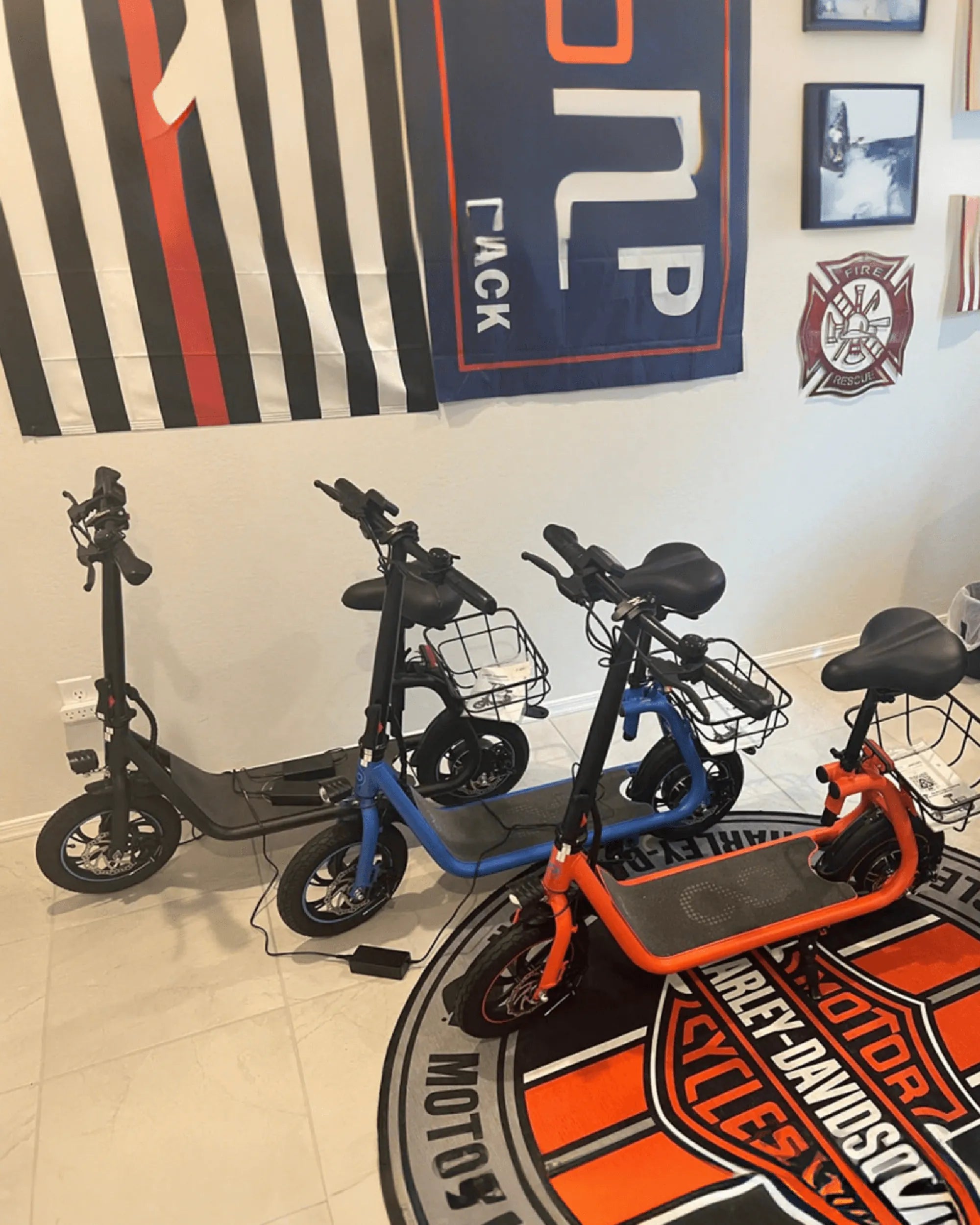
Introduction: Defining the Big Boy Scooter
The term big boy scooter has evolved from slang to a definitive category in personal electric vehicles. It describes full-sized, high-performance electric scooters engineered specifically for adult riders. Unlike lightweight, last-mile commuter models, a true big boy scooter prioritizes robust power, extended range, superior comfort, and construction that can handle daily, demanding use.
This article will dissect the specifications and design philosophy that separate a serious big boy scooter from basic alternatives. You will learn to identify key features, understand which rider profiles benefit most, and evaluate engineering benchmarks for safety and durability. We will reference the approach of leading brands like Gyroor, a manufacturer trusted by over 100,000 riders for its focus on UL-certified safety and all-weather reliability.
Core Anatomy of a Big Boy Electric Scooter
Identifying a true big boy scooter requires looking beyond marketing. It is defined by a set of non-negotiable specifications and build qualities that ensure adult-level performance and safety. These scooters are tools, not toys.
The foundation is a rigid, durable frame. Expect materials like reinforced aluminum alloy or steel, not plastic composites. This construction directly supports the second pillar: high weight capacity. A genuine model supports at least 275 pounds, accommodating riders and their gear without straining the system.
Performance is delivered through a potent motor system, typically 500 watts or more, enabling confident acceleration and hill climbing. This power is paired with a high-capacity, professionally certified battery pack to deliver usable range. Finally, legitimate water and dust resistance (an IPX4 rating or higher) is essential for real-world, all-weather utility.
Power & Performance: Motors, Speed, and Hill Climb
Motor wattage is the starting point. A commuter scooter may use a 250W motor; a big boy scooter often starts at 500W. This translates to higher torque, crucial for accelerating from a stop and maintaining speed on inclines. For maximum performance, dual-motor configurations (e.g., 500W x2) offer exceptional torque and top speed.
Real-world top speeds for this category typically range from 20 to 40+ mph, governed by local laws and rider mode selection. However, the more critical metric is sustained performance. A quality scooter maintains speed up a 15-20% grade without stalling, a test many basic models fail.
Performance is not just about peak numbers. Thermal management, motor efficiency, and controller tuning determine if power is delivered smoothly and reliably. A scooter that overheats on a long hill is not a true big boy scooter.
Build & Durability: Frame, Weight Capacity, and IP Rating
The frame is the skeleton. Aircraft-grade aluminum alloys provide an optimal balance of strength and weight. The welding and joint integrity are paramount; shaky stem connections or flexing decks indicate poor construction. A robust frame enables a high weight capacity, a critical safety feature.
Weight capacity ratings of 275-330+ lbs are standard. This ensures structural safety for larger-framed riders and accounts for carrying a backpack or briefcase. Exceeding a scooter's weight limit risks frame failure, brake failure, and accelerated component wear.
The IP (Ingress Protection) rating quantifies durability against elements. An IPX5 rating, like those standard on Gyroor scooters, means the unit is protected against low-pressure water jets from any direction. This allows riding in rain and through puddles, a key differentiator for a reliable daily transporter.
Battery & Range: Going the Distance
Battery capacity, measured in watt-hours (Wh), is the fuel tank. A big boy scooter needs a large one, often 500Wh to 1000Wh+. However, the battery's quality and safety are more important than its size alone. UL 2271 certification is the gold standard, indicating rigorous testing for electrical, mechanical, and environmental safety.
Advertised range is an ideal figure. Real-world range depends heavily on rider weight, terrain, speed, and temperature. A scooter claiming 40 miles might deliver 25 miles to a 220-lb rider on hilly streets. Understanding this variance is key to avoiding being stranded.
Battery longevity is measured in charge cycles. A quality UL-certified pack, like those used by Gyroor, is rated for 500+ full cycles while retaining most of its capacity. Proper care, like avoiding full discharges and extreme temperatures, extends battery life for years.
Ideal Riders: Who Needs a Big Boy Scooter?
The big boy scooter serves specific user profiles whose needs exceed the capabilities of entry-level models. It is an investment for those who view their scooter as primary transport or a serious recreational vehicle.
These riders prioritize capability over portability. They are willing to trade some fold-and-carry convenience for a stable, powerful ride that performs consistently. The scooter becomes an extension of their daily routine or adventure kit.
Common traits include longer daily travel distances, encounters with varied terrain, or specific physical requirements that demand a more substantial machine. The following profiles illustrate the primary beneficiaries of this vehicle class.
The Heavy-Duty Commuter
This rider has a commute of 7 miles or more one-way. They need a scooter that can complete the trip at speed without range anxiety, even with headwinds or slight hills. Comfort features like suspension, a wide deck, and pneumatic tires are essential for daily fatigue reduction.
They often carry a laptop, change of clothes, or other gear. The scooter must remain stable under this load. Reliability is non-negotiable; a breakdown means being late for work. A warranty and accessible customer support, as offered by brands with a North American presence, provide critical peace of mind.
The Adventure & Off-Road Enthusiast
For this rider, paved bike paths are just the beginning. They seek out gravel trails, packed dirt, grass fields, or uneven urban landscapes. Their big boy scooter requires enhanced, long-travel suspension to absorb bumps and a frame with higher ground clearance.
Pneumatic, off-road or hybrid tire treads are mandatory for grip and shock absorption. Motor power must be substantial, often dual-motor, to propel through loose surfaces and up unpaved inclines. Durability against dust and mud (high IP ratings) is a core requirement, not a bonus.
The Larger-Frame Rider
Taller or heavier riders are often underserved by standard scooters. A true big boy scooter addresses this with an ergonomic design. This includes a longer deck for comfortable foot placement, an adjustable or tall stem for proper handlebar height, and wide handlebars for control.
The scooter's rated weight capacity must have a significant safety margin above the rider's weight. This ensures the brakes, frame, and motor can handle the load safely at speed, especially during emergency stops. A powerful motor is also needed to achieve comparable acceleration and hill-climbing performance.
Engineering Excellence: The Gyroor Big Boy Philosophy
Gyroor's product development focuses on the core tenets of a true big boy scooter: safety, durability, and real-world performance. This philosophy is executed through specific engineering choices and customer-centric policies that build trust.
The brand's commitment extends beyond the point of sale. With a 1-year comprehensive warranty and direct support, Gyroor stands behind its products. This approach recognizes that a high-performance PEV is an investment, and reliability is paramount.
By integrating UL-certified batteries, high IP ratings, and robust mechanical designs, Gyroor scooters are built to be dependable daily tools. The following sections detail how these principles are implemented.
Safety First: UL-Certification and Comprehensive Warranty
Battery safety is the most critical component. Gyroor uses exclusively UL 2271 certified battery packs. This certification involves over 100 rigorous tests for electrical, mechanical, and environmental hazards, drastically reducing the risk of thermal runaway and fire.
This is a fundamental differentiator from uncertified batteries found in some lower-cost models. For a rider, it means confidence in charging at home or in an office. Paired with this is a robust 1-year warranty covering the battery, motor, controller, and frame, reflecting confidence in the product's longevity.
Built for the Real World: IPX5 All-Weather Resistance
An IPX5 rating is a defining feature for a scooter meant for daily use. It means the scooter's electrical compartments can withstand water jets (6.3mm nozzle) from any direction. In practice, this translates to resilience against heavy rain, road spray, and accidental splashes.
Contrast this with lower ratings: IPX4 is only splashing water, and many scooters have no official rating. Gyroor's IPX5 standard ensures riders aren't caught off guard by a sudden downpour, enabling true four-season utility in many climates and adding a layer of long-term corrosion protection.
Model Comparison: Finding Your Gyroor Fit
Gyroor's lineup includes several models that fit the big boy scooter category. Choosing the right one depends on your priority: maximum range, off-road capability, or top-speed performance. Below is a comparison of key models to illustrate the options.
| Model | Motor Power | Max Range* | Top Speed | Weight Capacity | Key Features |
|---|---|---|---|---|---|
| Gyroor S1 | 500W (Peak 800W) | 28 miles | 22 mph | 330 lbs | 10" pneumatic tires, dual suspension, UL-certified battery, IPX5 |
| Gyroor S Max | Dual 500W (Peak 1600W) | 34 miles | 28 mph | 330 lbs | Dual motor drive, off-road tires, enhanced dual suspension, IPX5 |
| Gyroor X1 | 500W (Peak 800W) | 25 miles | 20 mph | 275 lbs | Ultra-bright headlight, compact-folding design, IPX5 |
*Range estimates vary based on rider weight, terrain, speed, and temperature.
Frequently Asked Questions (FAQs)
Prospective buyers of a big boy scooter often have practical questions about legality, upkeep, and performance. Here are detailed answers to the most common queries.
Are big boy scooters legal to ride on roads and bike paths?
Laws vary significantly by city, state, and country. Generally, electric scooters with a top speed under 20 mph are permitted on bike paths in many US jurisdictions. However, local ordinances may restrict motor wattage, require helmet use, or prohibit riding on sidewalks.
It is the rider's responsibility to check their local Department of Transportation or municipal codes. Some areas require registration, insurance, or a driver's license. Always wear a helmet and follow local traffic laws regardless of the legal minimums.
How much maintenance does a high-performance e-scooter require?
Regular maintenance is minimal but crucial for safety and longevity. Weekly, check tire pressure (for pneumatic tires) and inspect tires for wear or damage. Monthly, check that all bolts (especially stem and handlebar clamps) are tight, and test brake function and pad wear.
Keep the scooter clean, especially after wet or muddy rides. Battery care involves avoiding complete discharges, not leaving it at 100% charge for weeks, and storing in a cool, dry place. Refer to your owner's manual for specific lubrication points and service intervals.
What's the real-world range I can expect?
To estimate real-world range, take the manufacturer's advertised range (tested under ideal conditions with a light rider) and apply a 25-40% reduction. Factors that decrease range include: higher rider weight, frequent stops/starts, hilly terrain, riding at top speed, cold temperatures, and under-inflated tires.
To maximize range, use a lower assist mode (eco mode), maintain steady cruising speeds, keep tires properly inflated, and avoid excessive acceleration. Plan your routes knowing the realistic range of your scooter.
Can I ride a big boy scooter in the rain?
With an IPX5 rating or higher, yes, you can ride in light to moderate rain. Gyroor models with IPX5 are designed to handle this. However, no consumer scooter is fully waterproof or submersible. Avoid deep puddles (which can submerge the deck) and torrential downpours.
After riding in wet conditions, dry the scooter with a towel, paying attention to the brake discs and calipers. While the electronics are protected, prolonged exposure to moisture can accelerate corrosion on mechanical parts.
How do I transport or store a large electric scooter?
Most big boy scooters fold, but they are still heavy (often 40-70 lbs). The folded size may not fit in a compact car trunk; check dimensions. For public transit, a folded scooter is often allowed, but policies vary.
For storage at home or work, a vertical stand or wall mount can save space. Never store a scooter with a completely dead battery. For long-term storage (over a month), charge the battery to about 60% and store in a cool, dry place.
Making the Investment: The Right Tool for the Job
A big boy scooter represents a significant step up from basic electric scooters. It is an investment in a capable, reliable personal transport tool designed for adult needs and real-world conditions. The decision hinges on prioritizing long-term value, safety, and performance over initial cost savings.
By focusing on engineering fundamentals—UL-certified battery safety, robust IP-rated construction, and high-capacity components—riders gain a vehicle that delivers consistent performance and peace of mind. This is the core of a trustworthy big boy scooter experience.
For riders ready to upgrade their commute, explore new terrain, or simply enjoy a powerful and secure ride, the category offers transformative mobility. The key is choosing a brand that backs its engineering with strong warranties and support, ensuring your investment is protected.
Explore engineering-built performance and safety. Browse the full Gyroor collection of high-performance electric scooters and e-bikes at gyroorboard.com.
Best Dirt Bike Under 1000: A Real-World Buyer's Guide
e bike conversion kit 2000w: The Ultimate Guide to High-Power DIY E-Bikes