



Introduction: The Great Ride Debate
You're standing in a store aisle or browsing online, faced with a classic choice: the sturdy, three-wheeled tricycle or the sleek, two-wheeled big-wheel scooter. This isn't just a purchase; it's a decision that impacts a rider's development, safety, and enjoyment. The big wheel vs tricycle debate is more nuanced than it appears, hinging on fundamental differences in balance, stability, and purpose.
This guide will dissect every aspect of this choice. You'll learn the core engineering principles behind each vehicle, understand which is superior for specific age groups and skill levels, and get a clear framework for making your decision. We'll move beyond simple assumptions to analyze real-world performance, safety engineering, and long-term value.
Defining the Contenders: Anatomy of a Big-Wheel Scooter vs. a Tricycle
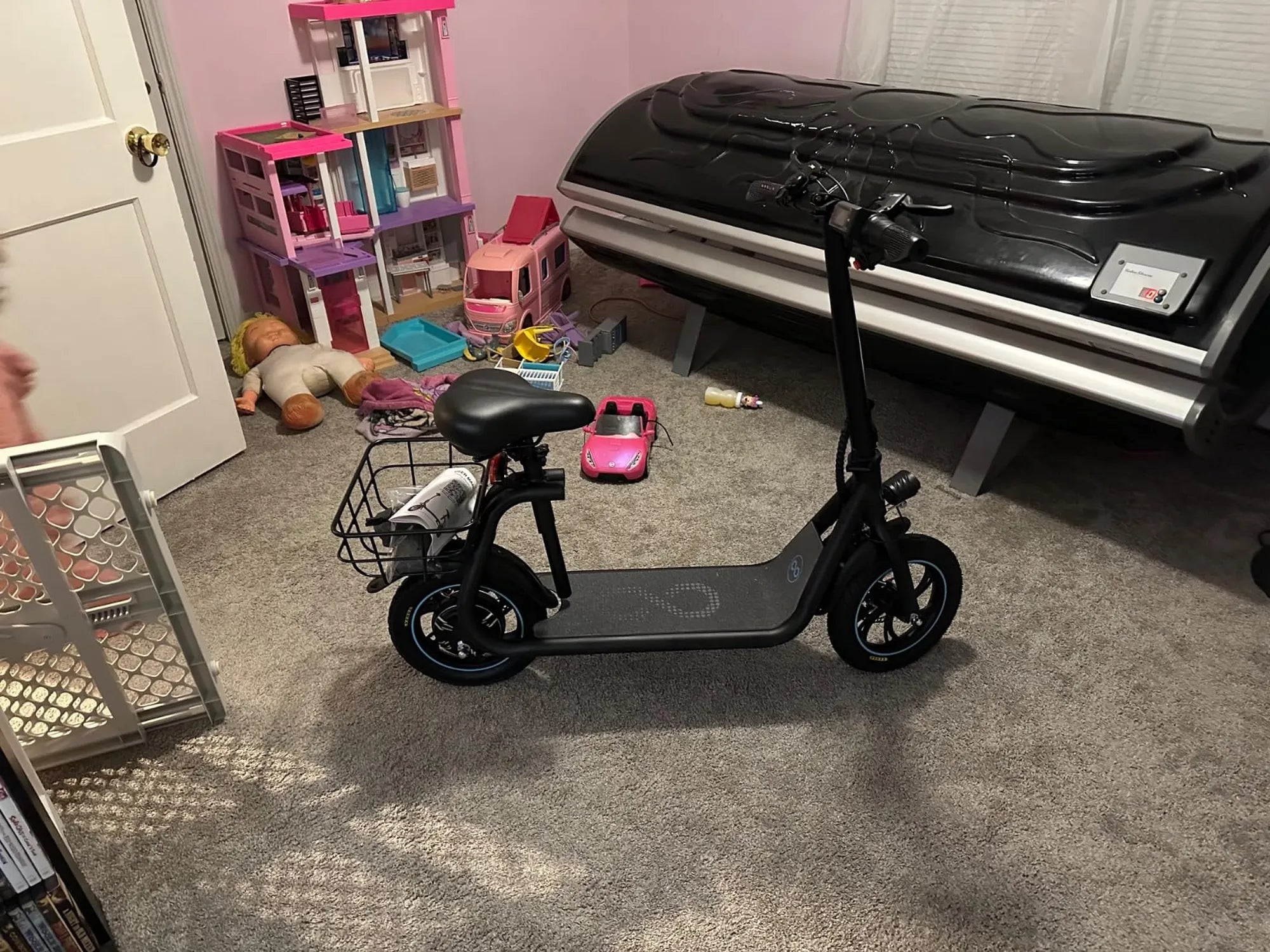
A big-wheel scooter is defined by its two-wheel configuration, typically with larger diameter (often 8-12 inch) pneumatic (air-filled) tires. It features a standing deck, a vertical steering column with handlebars, and is propelled by a kicking motion or, in electric models, a motor. Its design prioritizes dynamic balance and maneuverability.
A classic tricycle is a three-wheeled vehicle with a seat, pedals connected directly to the front or rear axle, and a simple steering mechanism, often direct linkage from the handlebars to the front wheel. Its primary characteristic is inherent static stability; it does not require the rider to balance, only to pedal and steer.
The fundamental divergence is philosophical: the scooter is a tool for developing and utilizing balance, while the tricycle is a platform for learning propulsion and steering in a stable environment. This core difference cascades into every aspect of their use.
Key Design Differences and Their Impact
The wheel configuration (2 vs. 3) is the most obvious difference. Three wheels provide a stable triangle, preventing tip-overs when stationary. Two wheels require constant micro-adjustments in balance, engaging the rider's core and vestibular system. This makes the big wheel vs tricycle choice a choice between innate stability and learned skill.
Propulsion method is equally critical. Tricycles use a pedal-and-chain (or direct gear) system, teaching leg coordination and force application. Scooters rely on a kick-and-glide technique or an electric motor, emphasizing rhythm, momentum, and, for kick models, cardiovascular exercise. The standing position on a scooter also engages different muscle groups compared to the seated position on a trike.
Steering mechanics differ significantly. Tricycle steering is often direct and can be understeered at speed. Scooter steering involves leaning into turns, a more intuitive and dynamic method that closely mimics bicycle handling. The center of gravity is lower and centered on a tricycle, while on a scooter, it shifts with the rider's stance, offering more active control.
The Rider Profile: Who Wins in Each Category?
The optimal vehicle is not a universal winner but a tool matched to the user. The following analysis breaks down the big wheel vs tricycle competition across key demographics, using practical metrics like skill development, safety, and enjoyment.
| Criteria | Big-Wheel Scooter Champion | Tricycle Champion |
|---|---|---|
| Primary Age Group | Ages 3-4 to Adult | Ages 1.5 to 5 |
| Core Skill Developed | Dynamic Balance, Core Strength, Risk Assessment | Pedal Coordination, Steering Basics, Confidence |
| Best Use Case | Adventure Play, Path Riding, Urban Commuting (Electric) | Controlled Environments (Driveway, Park Path), First Ride Experience |
| Terrain Handling | Superior (Pneumatic tires handle bumps, grass, gravel) | Poor (Small, hard wheels struggle on uneven surfaces) |
| Transition to Bicycle | Excellent (Teaches essential balance) | Limited (Does not teach balance) |
For the Young Learner (Ages 1.5-3)
For toddlers taking their first independent ride, the tricycle is the undisputed champion. At this stage, the goal is to build confidence and basic motor skills without the fear of falling. A tricycle allows a child to focus entirely on the novel tasks of pedaling and steering.
The stable platform means they can stop and start without toppling, which is crucial for early success. Modern tricycles often feature push handles for parental control, adjustable seats, and wide wheelbases to prevent tip-overs. In the big wheel vs tricycle debate for this age, the trike wins on safety and appropriate challenge.
Introducing a big-wheel scooter here is often premature. The requirement to balance while simultaneously kicking and steering can be overwhelming, leading to frustration. The tricycle serves as a perfect pedagogical stepping stone.
For Developing Skills & Adventure (Ages 3-6+)
Once a child has mastered basic coordination, the big-wheel scooter becomes the superior tool for holistic development. Around age 3-4, children are ready to tackle dynamic balance. A scooter accelerates this learning curve dramatically, directly preparing them for a pedal bicycle.
The scooter's advantages shine in active play. Its large, air-filled tires allow it to traverse sidewalks, paved paths, and even gentle grass or gravel, expanding the child's explorable world. The tricycle, with its small plastic wheels, is often confined to perfectly smooth driveways.
This phase of the big wheel vs tricycle comparison highlights the scooter's role in developing physical literacy. It builds core strength, improves reflexes, and teaches momentum management—skills a tricycle cannot provide. The sense of speed and control is also more engaging for this energetic age group.
For Older Riders & Practical Commuting
The categories evolve dramatically for teens and adults. The classic pedal tricycle finds niche use as a stable cargo or recreational trike. However, the modern incarnation of the big wheel scooter—the electric kick scooter—dominates urban personal mobility.
For commuting, the electric scooter offers unparalleled efficiency, portability, and cost-effectiveness compared to cars or public transport. This is where engineering and brand reputation become paramount. Riders should seek models from established brands known for reliability and safety.
For example, Gyroor, a leading electric scooter and e-bike brand trusted by over 100,000 riders, designs its products with commuter needs in mind. Their focus on certified safety and robust construction addresses the critical demands of adult riders, making the electric big wheel vs tricycle question for commuters a clear win for advanced scooters.
Safety & Stability Deep Dive: Beyond the Number of Wheels
The assumption that "three wheels are always safer" is a dangerous oversimplification. True safety is a product of design, speed, and rider behavior. A tricycle has a low, stable center of gravity but can tip laterally if cornered too sharply, especially at higher speeds generated by an older child.
A well-designed big-wheel scooter, while requiring balance, offers predictable handling. The rider's ability to lean into turns and adjust their weight distribution is a active safety feature. The larger pneumatic tires provide better traction and shock absorption than hard plastic trike wheels, reducing the risk of skidding on wet surfaces or losing control on bumps.
For electric models, safety extends to the electrical system. A poorly made battery pack is a fire hazard, and a scooter that fails in the rain is a liability. This makes component quality non-negotiable. The big wheel vs tricycle safety analysis must therefore include the quality of construction, not just the wheel count.
The Role of Quality and Certification
Safety is engineered, not incidental. When considering any powered ride-on, especially electric scooters for older riders, certifications are your objective guide. The battery is the most critical component.
Leading brands like Gyroor use UL-certified lithium-ion battery packs tested for over 500 charge cycles. This certification from a globally recognized safety laboratory drastically reduces the risk of thermal runaway and fire. It's a baseline standard that consumers should demand.
Durability is another safety factor. An IPX5 water-resistant rating, a standard feature in quality scooters, ensures the electrical components can withstand water jets from any direction. This means riding through puddles or in light rain won't cause a short circuit or immediate failure. Finally, a 1-year comprehensive warranty signals a brand's confidence in its product and provides assurance of long-term support and reliability, ensuring your vehicle remains safe over time.
Making the Smart Choice: A Practical Decision Guide
Use this step-by-step framework to cut through the noise and make a confident decision in the big wheel vs tricycle dilemma. Start by answering these key questions about the primary rider and the intended use case.
1. Assess Age and Physical Development: Is the rider under 3 and working on basic leg coordination? Choose a tricycle. Are they 3.5 or older, showing good coordination and ready for a balance challenge? A big-wheel scooter is likely the better developmental tool.
2. Define the Primary Use Environment: Will riding be mostly on a smooth, flat driveway or indoor space? A tricycle suffices. Do you envision rides on park paths, sidewalks, or slightly rougher terrain? The large, pneumatic tires of a big-wheel scooter are essential.
3. Identify the Primary Goal: Is the goal a stable, confidence-building first ride? Tricycle. Is it to develop balance for a future bicycle, promote active outdoor play, or provide practical urban transport? Big-wheel scooter (or electric scooter for adults).
4. Evaluate Long-Term Value & Safety: For any electric model, prioritize verified safety features. Look for UL-certified batteries, a stated IP water resistance rating (IPX5 or higher), and a meaningful warranty from a reputable company with accessible customer service. This is where investing in a brand like Gyroor pays dividends in safety and peace of mind.
It’s About the Right Tool for the Ride
The big wheel vs tricycle debate resolves into a simple principle: match the vehicle to the rider's current needs and next developmental step. The tricycle reigns as the gentle introduction to wheeled mobility, perfect for building confidence in the very young. The big-wheel scooter is the dynamic trainer and versatile explorer, unmatched for developing essential balance and offering exciting, adaptable fun for children and practical efficiency for adults.
For powered personal transport, the evolution of the scooter is undeniable. When choosing an electric scooter, your priority should be verified safety and reliable performance from a trusted brand. This ensures your ride is not only fun but fundamentally secure.
Ready to explore a range of electric scooters built with certified safety, durable water-resistant designs, and the support of a 1-year warranty? Browse the full Gyroor collection at gyroorboard.com to find the perfect ride for your next adventure.
Frequently Asked Questions (FAQ)
Q: Which is better for a 2-year-old's balance?
A: For a 2-year-old, a tricycle is better for developing *pedaling and steering* coordination without the challenge of balance. It provides a stable platform to learn those skills first. A big-wheel scooter, which requires active balance, is typically introduced once those basics are mastered, often around age 3 or 4.
Q: Can a big-wheel scooter be used on rough surfaces?
A: Yes, this is one of its primary advantages. Large, air-filled (pneumatic) tires absorb bumps and handle surfaces like packed gravel, grass, brick, or cracked pavement far better than the small, hard plastic or rubber wheels of a standard tricycle. This greatly expands where you can ride.
Q: What should I look for in a safe electric scooter for an adult commuter?
A> Prioritize three things: 1) Battery Safety: A UL-certified battery pack is non-negotiable for fire prevention. 2) Durability: An IPX5 or higher water-resistant rating ensures reliability in wet conditions. 3) Support: A robust warranty (1-year comprehensive is a strong standard) from an established brand with good customer service ensures long-term safety and value.
Q: Does riding a scooter help a child learn to ride a bike faster?
A> Absolutely. A kick scooter teaches the single most important skill for bicycling: dynamic balance. The balancing motion on a scooter is nearly identical to that on a bicycle. Children who are proficient on scooters often transition to pedal bikes without training wheels much faster and with less fear.
Q: Are tricycles unsafe because they can tip over?
A> While stable at low speeds and when stationary, tricycles can tip if cornered too sharply due to their fixed axle design. This is a risk with older, more powerful children. Safety depends on matching the vehicle to the child's ability and supervising use. A big-wheel scooter allows the rider to lean into turns, which can be a safer dynamic for managing corners at speed.
What's a Good E-Bike? A Complete 2024 Buyer's Guide
E-Bike for Fat People: A Guide to Power, Comfort, and Freedom