



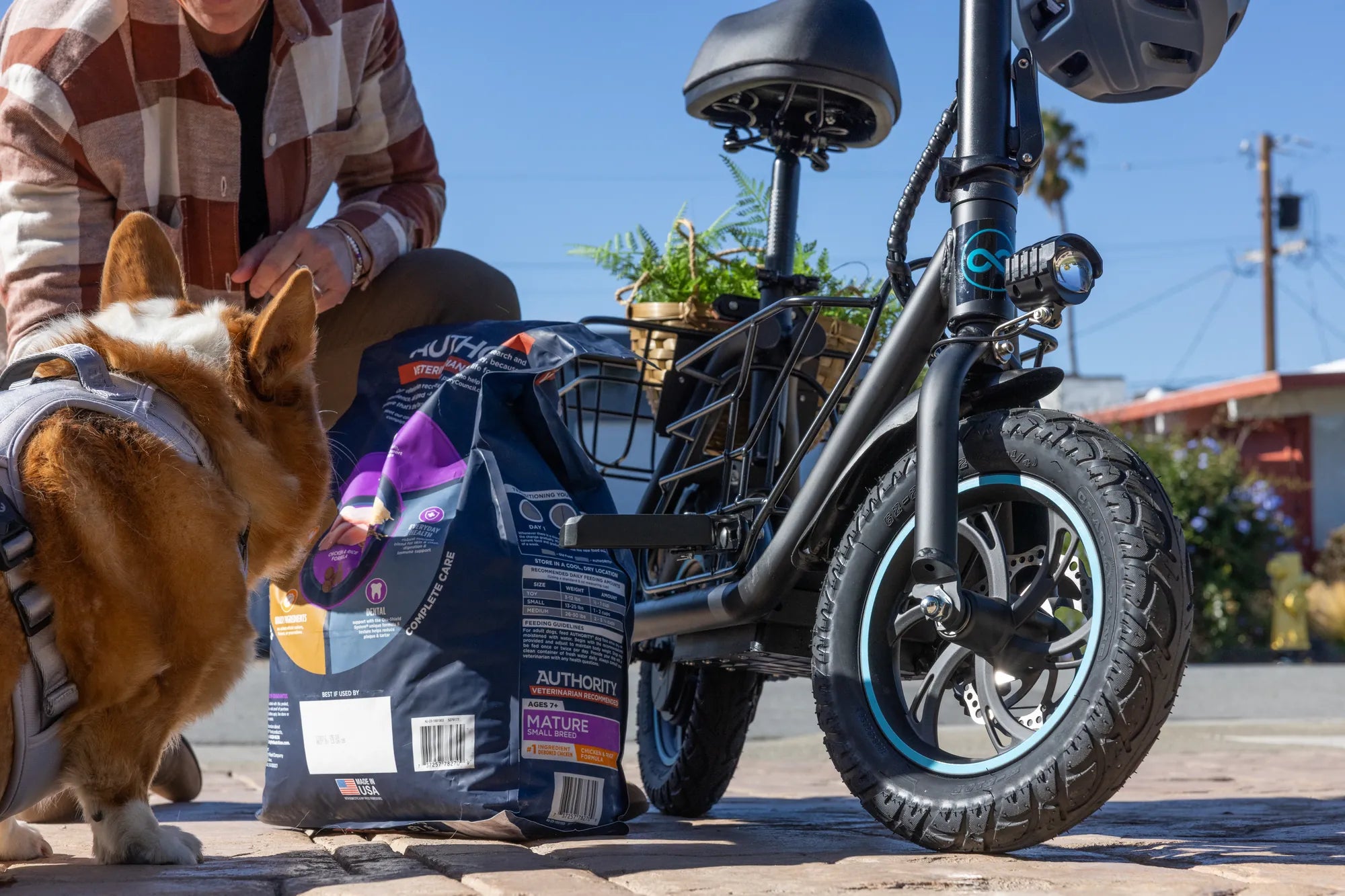
Why Budget-Friendly Electric Scooters Are Revolutionizing Urban Commutes
Urban mobility is undergoing a quiet revolution, driven by the need for practical, cost-effective, and environmentally friendly transportation. At the forefront of this shift are budget-friendly electric scooters: affordable and efficient commuting solutions that are redefining how we navigate city streets. This article will guide you through the essential features, smart shopping strategies, and maintenance practices to ensure your investment delivers lasting value and reliable performance.
Gone are the days when 'budget' was synonymous with 'flimsy' or 'unsafe.' Today, a new generation of value-focused brands is proving that affordability can coexist with quality engineering and critical safety certifications. For the savvy commuter, this means access to efficient personal transport without the premium price tag.
Brands like Gyroor, trusted by over 100,000 riders, exemplify this shift. They demonstrate that a focus on core reliability, UL-certified safety, and a solid warranty creates a superior product, not just a cheaper one. The goal is to help you identify scooters that offer smart value—minimizing both upfront cost and long-term ownership expenses.
Choosing the right budget-friendly electric scooter requires looking beyond the sticker price. It involves evaluating the total cost of ownership, which includes durability, repair frequency, and safety. This guide provides the framework to make an informed, confident purchase for your daily commute.
Defining "Budget-Friendly": More Than Just a Low Price Tag
True budget-friendliness is a measure of long-term value, not just initial purchase price. A scooter that fails after a few months or requires constant, costly repairs is the opposite of affordable. The key is to assess value across several critical pillars that determine total cost of ownership over the scooter's lifespan.
The first pillar is upfront cost, which is the most visible but not the sole factor. The second, and often more important, is long-term reliability. A scooter built with quality components will have a lower lifetime cost by avoiding frequent breakdowns. This is where build materials and engineering precision matter immensely.
Safety certifications form the third pillar. A UL-certified battery pack, for example, isn't just a marketing term; it's a rigorous safety standard that reduces the risk of fire and ensures battery longevity. Investing in a certified product protects both your safety and your wallet from potential catastrophic failure.
Finally, warranty and customer support are non-negotiable components of value. A comprehensive warranty, like Gyroor's 1-year coverage, acts as a safety net for your investment. It signals the manufacturer's confidence in their product and provides peace of mind that you won't be left with a costly paperweight if an issue arises.
Key Features to Prioritize in an Affordable Electric Scooter
When evaluating options, certain features are essential for a safe, durable, and practical commuter scooter. Prioritizing these areas ensures you get a machine capable of handling daily use without breaking down or compromising your safety.
Motor Power & Real-World Range
Motor power dictates your scooter's ability to handle inclines and maintain speed. For most urban commutes, a motor in the 250W to 350W range is sufficient. It provides a good balance of power for moderate hills and efficiency for battery life, making it a common sweet spot for budget-friendly electric scooters.
Advertised range is often an ideal-world figure. Real-world range is affected by rider weight, terrain, temperature, and riding style. A quality budget scooter should deliver a consistent 15-25 miles per charge for typical commutes. The battery's quality is the single biggest factor here.
High-quality, UL-certified lithium-ion batteries, like those used in Gyroor scooters, are tested for 500+ charge cycles. They maintain their capacity longer and operate safely, which directly translates to more miles over the scooter's lifetime and a lower cost per trip.
Build Quality & Durability Standards
The scooter's frame is its backbone. Look for aerospace-grade aluminum alloy frames, which offer an excellent strength-to-weight ratio. They resist corrosion and can withstand the vibrations and impacts of daily pavement use far better than cheaper, brittle materials.
Tire choice is crucial for ride comfort and maintenance. Pneumatic (air-filled) tires offer better shock absorption and traction but require occasional inflation. Solid or honeycomb tires eliminate flats but can provide a harsher ride. Your local road conditions should guide this choice.
For all-weather readiness, a minimum IPX5 water-resistance rating is essential. This rating means the scooter can withstand water jets from any direction, protecting it from rain and street spray. This feature dramatically increases the scooter's utility and longevity, making it a true all-season commuting solution.
Safety & Compliance Features
Safety should never be compromised for cost. A reliable braking system is paramount. A combination of a disc (or drum) brake and an electronic regenerative brake provides strong, redundant stopping power, essential for navigating unpredictable traffic.
Visibility is a critical safety feature. Your scooter must have a bright front headlight (preferably 1-2 watts or more), a solid rear brake light, and side reflectors. Some models, including several from Gyroor, also feature deck or wheel rim lights for added side visibility at night.
Beyond lights and brakes, the importance of battery certification cannot be overstated. UL certification for the battery pack is a major differentiator. It ensures the battery has passed rigorous tests for electrical, mechanical, and environmental safety, providing fundamental protection that many uncertified budget options lack.
Smart Shopping: Balancing Cost, Specs, and Brand Reputation
Navigating the market requires a structured approach. Create a checklist that compares not just price, but the full spectrum of value: motor power, verified real-world range, IP rating, warranty terms, and the accessibility of customer support.
Brand reputation is a powerful indicator. A company with a track record of supporting over 100,000 riders, like Gyroor, has proven its ability to deliver and stand behind its products. Read customer reviews focusing on durability, post-purchase support, and how the scooter performs after months of use.
To illustrate the value of certified features, consider the following comparison. It shows how a slightly higher initial investment in a model with key certifications and a strong warranty offers far greater long-term value and safety than a generic, uncertified alternative.
| Feature | Generic 'Bargain' Scooter | Value-Oriented Brand (e.g., Gyroor) |
|---|---|---|
| Battery Certification | Uncertified / Generic | UL-Certified Battery Pack |
| Water Resistance | None or Unspecified | IPX5 Rating |
| Warranty | 30-90 Days (Limited) | 1-Year Comprehensive |
| Frame Material | Basic Aluminum/Steel | Aerospace-Grade Aluminum Alloy |
| Long-Term Cost Risk | High (Early Failure, No Support) | Low (Protected Investment) |
This comparison highlights that the true cost of a scooter isn't just its sale price. The value-oriented model, while perhaps a modest upfront investment more, provides certified safety, all-weather capability, and warranty protection that safeguards your commute for years.
Maximizing Your Investment: Maintenance and Riding Tips for Longevity
Proper care is the key to extending the life and performance of your budget-friendly electric scooter. Start with the battery: avoid draining it to 0% regularly. Try to keep the charge between 20% and 80% for daily use, and store it in a cool, dry place, partially charged if not in use for extended periods.
Perform regular pre-ride checks. Inspect tire pressure (for pneumatic tires), test brake responsiveness, and ensure all lights are functioning. Tighten any fasteners that may have loosened from vibration. A quick two-minute check can prevent accidents and identify minor issues before they become major repairs.
Keep your scooter clean, especially after riding in wet or dirty conditions. Wipe down the frame and deck with a damp cloth. Avoid high-pressure water sprays directly on ports or the dashboard. Proper storage indoors, away from extreme temperatures, will significantly prolong the life of the electronics and battery.
Finally, ride responsibly. Adhere to the manufacturer's specified weight limit and recommended terrain. Avoid potholes and curbs where possible, as impactful shocks are the primary cause of frame and component stress. Smooth acceleration and braking also reduce strain on the motor, battery, and brake systems.
Understanding Your Local Laws and Riding Safely
Before you hit the road, understanding and complying with local e-scooter regulations is crucial for your safety and legal protection. Laws vary significantly by city, state, and country, covering where you can ride, speed limits, age requirements, and helmet laws.
In many urban areas, electric scooters are permitted in bike lanes and on streets with speed limits under a certain threshold, but are prohibited on sidewalks. Always prioritize designated bike lanes when available, as they provide a safer, dedicated space away from faster-moving car traffic.
Helmet use is non-negotiable for safety, regardless of whether it's legally required for your age group. A properly fitted bicycle or multi-impact helmet can prevent serious head injury. Consider additional safety gear like reflective clothing, especially for night riding, to maximize your visibility to drivers.
Practice defensive riding. Assume that drivers may not see you. Use hand signals for turns, make eye contact with drivers at intersections, and never ride while distracted. Your scooter is an efficient tool, but safe operation is entirely in your hands.
The Environmental and Economic Impact of E-Scooter Commuting
Switching even a portion of your daily trips to an electric scooter has a measurable positive impact. From an environmental standpoint, e-scooters produce zero direct emissions. When charged on a standard grid, their carbon footprint is a fraction of that of a car, especially for short trips where car engines are least efficient.
Economically, the savings are substantial. The cost per mile to charge an e-scooter is typically just a few cents, compared to the significant expense of fuel, parking, insurance, and maintenance for a car. For urban dwellers, eliminating parking fees alone can justify the scooter's cost within a few months.
This shift also contributes to reduced urban congestion and noise pollution. E-scooters take up minimal space on roads and when parked. Widespread adoption can lead to less traffic, shorter commute times for everyone, and more livable, quieter city environments.
By choosing a durable, budget-friendly electric scooter from a responsible brand, you're not just saving money—you're investing in a more sustainable and efficient personal transportation model. It's a choice that benefits your wallet, your commute, and your community.
Frequently Asked Questions (FAQ) About Budget E-Scooters
Q: Are budget electric scooters safe for daily commuting?
A: Yes, absolutely, provided they come from reputable brands that prioritize safety certifications. The key is to look for models with UL-certified batteries (a standard Gyroor meets) and robust, dual braking systems. These features are fundamental for safe, reliable daily use.
Q: How far can I realistically travel on a single charge with an affordable model?
A> Most quality budget-friendly electric scooters offer 15 to 25 miles of real-world range. This is suitable for the vast majority of urban commutes. Always consider your weight, route hills, and riding style when estimating, as these factors significantly impact range.
Q: Is the warranty really important for a low-cost scooter?
A> It is critically important. A strong warranty, like the 1-year comprehensive coverage offered by Gyroor, protects your investment. It's also a strong indicator of the manufacturer's confidence in their product's durability and their commitment to customer support.
Q: Can I ride my e-scooter in the rain?
A> You can if it has a sufficient water-resistance rating. An IPX5 rating, common in Gyroor's lineup, means the scooter can handle rain and street spray. However, you should avoid deep puddles and submerging any part of the scooter, and always dry it off after a wet ride.
Q: What is the most common maintenance required?
A> The most frequent tasks are checking and inflating pneumatic tires, testing and adjusting brake tension, and keeping the scooter clean and dry. The battery requires minimal maintenance but benefits from proper charging habits and storage.
The Road to Efficient Commuting Starts with Smart Value
Choosing a budget-friendly electric scooter is a smart, forward-thinking decision for urban mobility. By focusing on verified safety through certifications, durable construction, and reliable post-purchase support, you secure a tool that delivers daily value far beyond its initial cost. Affordable no longer means making compromises on the essentials that define a safe and reliable commute.
Brands that have built their reputation on this principle, like Gyroor, demonstrate that quality engineering and critical safety features can be accessible. With UL-certified batteries, IPX5 water-resistant designs, and a commitment backed by a 1-year warranty, they provide a blueprint for what true value in this category looks like.
Your journey toward a more efficient, cost-effective, and enjoyable commute begins with informed choices. Prioritize the features that ensure longevity and safety, practice regular maintenance, and ride responsibly. Your scooter will repay that care with years of dependable service.
Ready to explore a range of electric scooters that combine affordability with certified safety and robust performance? Browse the full Gyroor collection at gyroorboard.com and find the perfect efficient commuting solution for your lifestyle and budget.
Top 3 Electric Scooters: The Best Picks for Urban Commuters
Best Electric Scooters Germany 2025: Top Picks for Eco-Friendly Commuting