

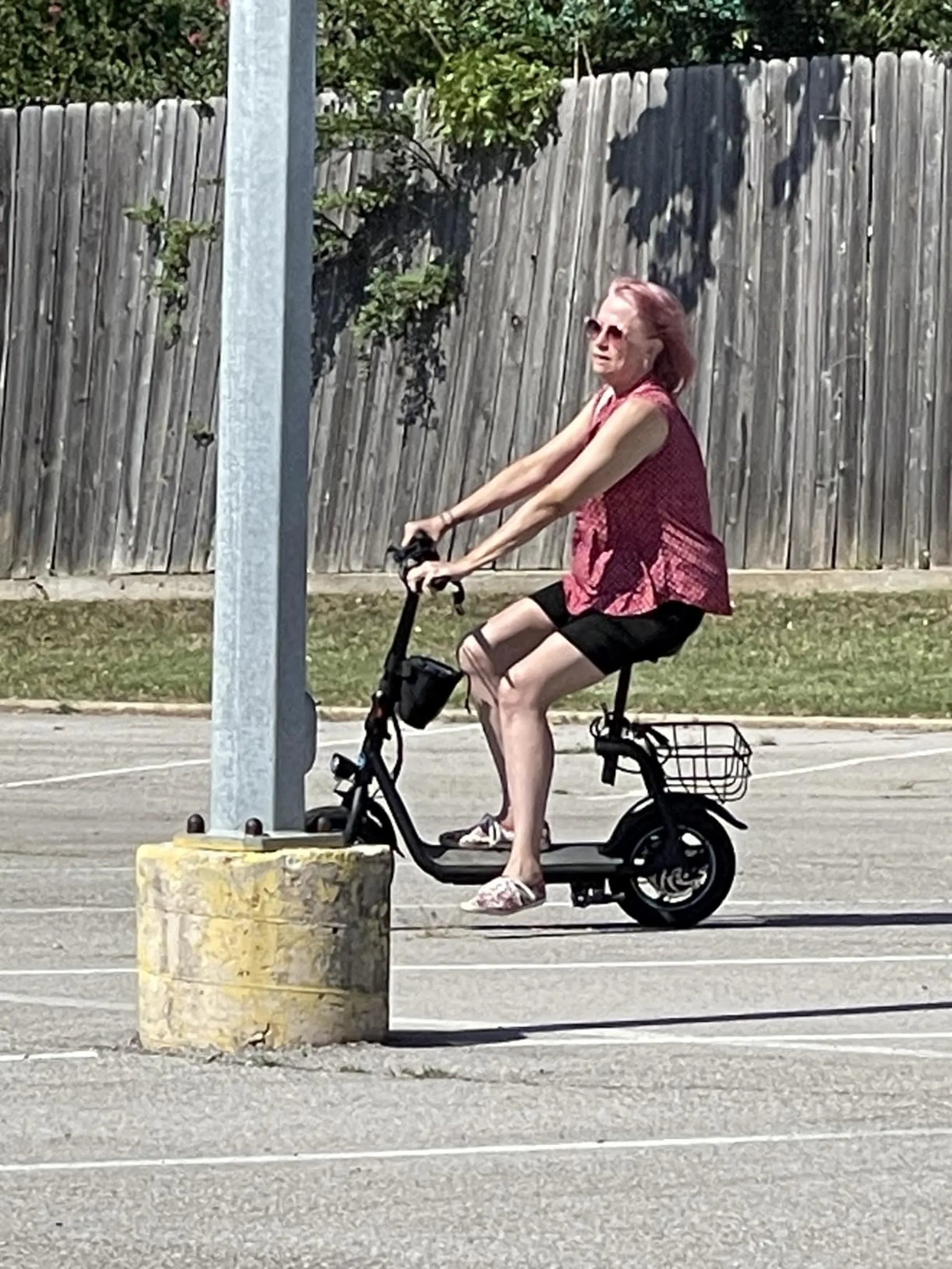
Ever dreamed of cruising down the street on a custom-built electric scooter that reflects your style and needs? Building your own electric scooter isn't just a fun project—it's a gateway to freedom, customization, and a deeper understanding of how these modern marvels work. Whether you're a tinkerer, an eco-conscious commuter, or someone who loves a good DIY challenge, this guide will walk you through every step of the process.
Why Build Your Own Electric Scooter?
Building an electric scooter from scratch offers several advantages over buying a pre-made model. For starters, you gain complete control over the design, performance, and features. Want a longer battery life? Prefer a specific wheel size? Need extra torque for uphill rides? When you build your own, you call the shots. Plus, it's often more cost-effective, especially if you repurpose parts or shop smartly for components.
Essential Components for Your DIY Electric Scooter
Before diving into the build, you'll need to gather the right parts. Here's a breakdown of the key components:
- Frame: The backbone of your scooter. Choose a sturdy, lightweight material like aluminum or steel.
- Motor: Hub motors are popular for their simplicity, while belt-driven motors offer more flexibility in placement.
- Battery: Lithium-ion batteries are the go-to for their energy density and longevity.
- Controller: This regulates power flow from the battery to the motor.
- Wheels and Tires: Opt for durable, air-filled tires for a smoother ride.
- Throttle and Brakes: Essential for control and safety.
Step-by-Step Assembly Guide
Now that you have your components, it's time to put them together. Follow these steps to assemble your electric scooter:
- Prepare the Frame: Ensure it's clean and free of defects. Attach the deck and handlebars securely.
- Install the Motor: Mount the motor to the wheel or frame, depending on your design.
- Connect the Battery and Controller: Follow the wiring diagram carefully to avoid shorts.
- Attach the Throttle and Brakes: Test these components to ensure they respond correctly.
- Add the Wheels: Secure them tightly and check for alignment.
- Test and Troubleshoot: Power up the scooter and check for any issues before your first ride.
Customization Tips
One of the best parts of building your own electric scooter is the ability to customize it. Here are some ideas to make your scooter stand out:
- Paint and Decals: Personalize the frame with your favorite colors or designs.
- LED Lights: Add underglow or headlights for style and visibility.
- Upgraded Suspension: Improve ride comfort with better shock absorbers.
- Storage Solutions: Attach a basket or storage compartment for convenience.
Safety Considerations
While building your scooter is exciting, safety should always come first. Here are some tips to keep in mind:
- Wear protective gear, including a helmet, gloves, and knee pads.
- Double-check all electrical connections to prevent fires or malfunctions.
- Test your scooter in a safe, open area before hitting busy streets.
- Follow local regulations regarding electric scooters, including speed limits and riding areas.
Maintenance and Upkeep
To keep your DIY electric scooter running smoothly, regular maintenance is key. Here's what to focus on:
- Battery Care: Avoid overcharging and store the battery in a cool, dry place.
- Tire Pressure: Check regularly to ensure optimal performance and safety.
- Brake Inspection: Replace worn brake pads and adjust tension as needed.
- Cleaning: Keep the scooter free of dirt and debris to prevent wear and tear.
Ready to hit the road on a scooter you built with your own hands? Building your own electric scooter is a rewarding experience that combines creativity, engineering, and practicality. With the right components, a bit of patience, and a passion for DIY, you'll soon be zipping around town on a one-of-a-kind ride that's uniquely yours.
Electric Dirt Bike for Kids 8 Years Old: The Ultimate Guide for Parents
Electric Bike Tours USA: Exploring Scenic Routes with Ease