



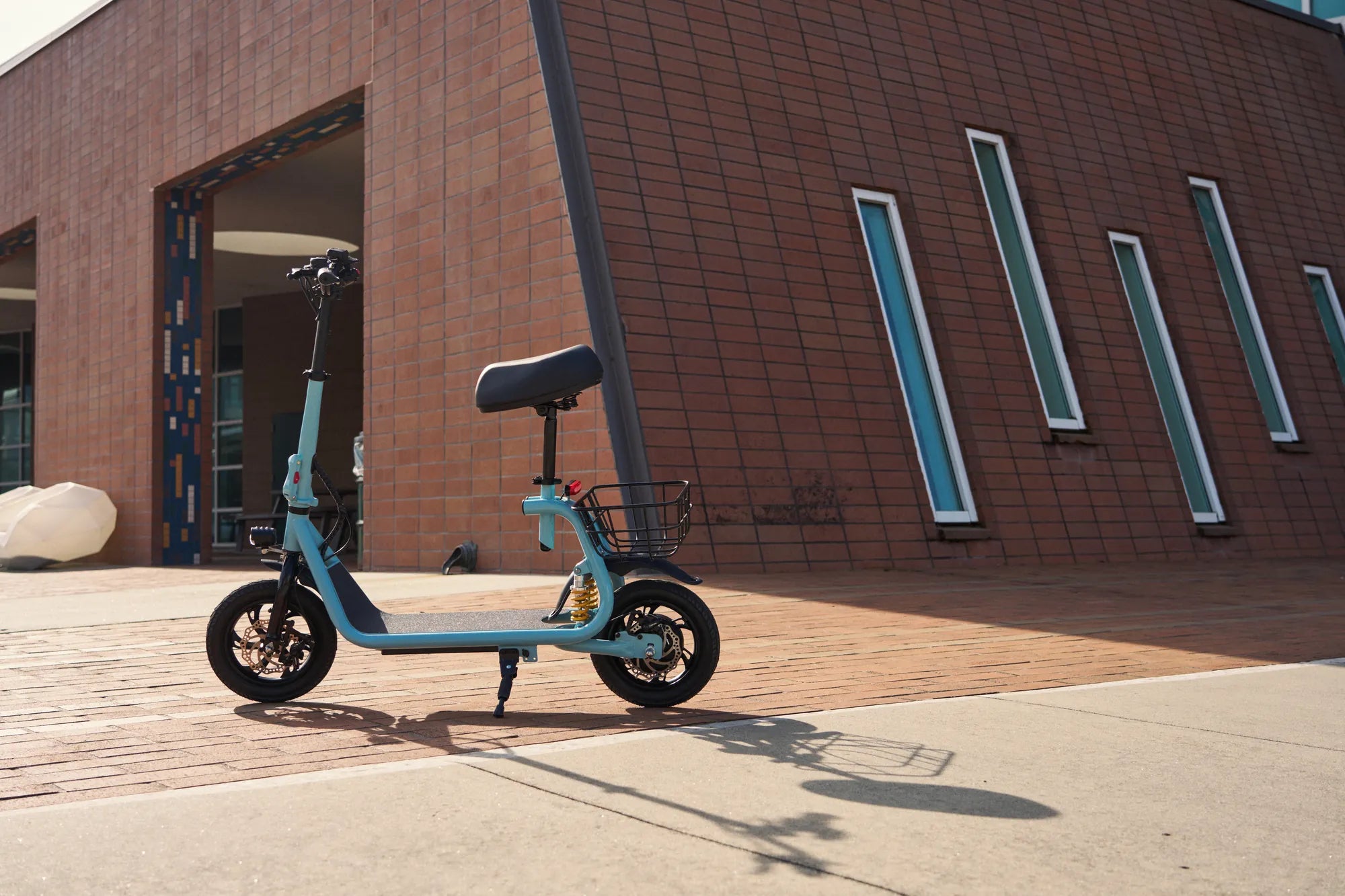
Forget the high-pressure dealership lot. The modern path to owning a dirt bike is digital, offering a wider selection, transparent pricing, and the convenience of delivery to your driveway. To buy dirt bike online successfully requires a strategic approach—matching machine to mission, verifying seller credibility, and understanding the logistics of a sight-unseen purchase. This guide delivers the actionable insights and data you need to navigate the online marketplace and secure the right bike for your riding ambitions.
Why Buying a Dirt Bike Online is a Smart Move
The digital shift in powersports retail is driven by tangible consumer benefits. Online platforms aggregate inventory from across the country, providing access to specific models, colors, and years that may be unavailable locally. Price transparency is significantly higher, allowing for easy comparison between sellers without geographical constraints.
This environment often leads to better value. Direct-to-consumer brands and large e-commerce retailers operate with lower overhead than traditional brick-and-mortar dealerships. These savings frequently translate to more competitive MSRP pricing or the inclusion of valuable accessory packages. The buying process itself is streamlined, conducted on your schedule.
Perhaps the most underrated advantage is the wealth of information available. Detailed specifications, high-resolution images, video reviews, and extensive customer feedback are all at your fingertips. This empowers you to conduct thorough research, leading to a more confident and informed decision than a quick test ride might allow.
For niche categories like electric dirt bikes and performance pit bikes, the online marketplace is often the primary source. Leading innovators in the electric mobility space, such as Gyroor—a brand trusted by over 100,000 riders in North America and Europe—utilize the direct-to-consumer model to deliver cutting-edge, UL-certified products with robust customer support directly to enthusiasts.
Understanding Your Needs: Choosing the Right Dirt Bike Type
Your first click should not be 'Add to Cart.' It must be an internal assessment of your riding goals, skill level, and physical stature. A motocross bike built for high-speed jumps will perform poorly on tight, technical trails, and a bike too large for a rider compromises control and safety. Defining your primary use case is the critical first filter.
For motocross (MX) track riding, prioritize lightweight frames, long-travel suspension, and peak horsepower engines designed for acceleration and air control. Trail and enduro bikes, conversely, require a broader powerband, durable construction, kickstands, and lighting systems for varied terrain and potential connectivity. Pit bikes and mini bikes cater to smaller riders, backyard tracks, and supermoto fun.
Engine displacement, measured in cubic centimeters (cc), is the most common proxy for power and size. A mismatch here is the most frequent mistake made by new buyers. A bike that is underpowered will quickly bore an experienced rider, while an overpowered bike can intimidate and endanger a beginner.
Engine Size & Rider Age/Skill Guide
Use the following data-driven table as a foundational guide. These are general recommendations; a rider's height, weight, and aggression should also be considered.
| Engine Size | Recommended Rider Level | Typical Age Range | Primary Use Case |
|---|---|---|---|
| 50cc - 110cc | Absolute Beginner (Youth/Adult) | 6 - 14+ | Learning, pit bikes, mini tracks |
| 125cc (2-Stroke) / 250cc (4-Stroke) | Beginner to Intermediate | 14+ | Motocross, trail riding (gateway full-size) |
| 250cc (2-Stroke) / 450cc (4-Stroke) | Intermediate to Expert | 16+ | Competitive motocross, hard enduro |
| Electric (Varies by kW) | All Levels (Quiet, Instant Torque) | All Ages | Trail, backyard, training, noise-sensitive areas |
Physical fit is non-negotiable. Research the seat height. A good rule of thumb is the ability to touch the balls of both feet on the ground while seated. Standing over the bike should not be a struggle. Online forums and video reviews often feature riders of specific heights discussing bike fit, providing invaluable real-world context.
The Online Marketplace: Where to Shop and What to Look For
The online dirt bike ecosystem consists of three primary seller types, each with distinct advantages. Major OEM (Original Equipment Manufacturer) websites, like those from Honda or Yamaha, allow you to build, price, and locate inventory at authorized dealers, though the final purchase often routes through a local store.
Large online powersports retailers operate as massive digital dealerships. They stock a vast array of brands, new and used inventory, and have established logistics for nationwide shipping. Their buying power can result in competitive deals on gear and packages.
Reputable niche and direct-to-consumer e-commerce stores, particularly in the electric segment, offer a streamlined experience. Brands like Gyroor sell their own innovative models directly, controlling quality, pricing, and customer support from point of sale to delivery and aftercare, often including comprehensive warranties.
Vetting an Online Seller: A 5-Point Checklist
Before entering payment details, conduct this due diligence. First, scour independent review platforms (Trustpilot, SiteJabber) and forum mentions. Look for patterns in feedback regarding product quality, shipping accuracy, and post-purchase support. A 4.5/5 average rating across thousands of reviews, like Gyroor maintains, indicates consistent reliability.
Second, dissect the warranty and return policy. A reputable seller offers a clear, accessible warranty—ideally at least 1 year on the frame and motor/battery. Understand the return window, restocking fees (if any), and who bears the cost of return shipping for defective items. Third, clarify shipping logistics. Is the bike shipped fully assembled, partially crated, or in a crate? Who is the freight carrier, and what is the estimated timeline?
Fourth, test customer service accessibility. Use their contact form, live chat, or phone number with a pre-sales question. Response time and knowledge are strong indicators of post-purchase support quality. Fifth, ensure the checkout process uses secure, encrypted payment gateways (SSL certification, recognized providers like PayPal or Stripe). Avoid sellers requiring direct wire transfers or unusual payment methods.
Critical Factors Before You Click "Buy"
With a vetted seller and a target bike type in mind, the next phase is granular specification analysis. The product description page is your blueprint. Cross-reference specs across multiple sites to ensure consistency. Pay special attention to weight limits, voltage and amp-hour (Ah) ratings for electric models, and included features like speed modes or adjustable suspension.
High-quality media is essential. Look for multiple high-resolution images from all angles, close-ups of critical components (brakes, suspension, welds), and ideally, video demonstrating the bike. Be wary of listings using only generic manufacturer stock photos. Authentic, detailed media reflects a transparent seller.
Confirm the total 'out-the-door' price. The listed price is rarely the final cost. Proceed to checkout (without finalizing) to see added fees: shipping/freight, crating fees, and any applicable taxes. A trustworthy seller displays these costs transparently early in the process. Budget an additional 10-20% for essential safety gear: helmet, goggles, gloves, boots, and chest protector.
Decoding Specifications: From Suspension Travel to Tire Type
Key specs dictate performance. Suspension travel, measured in millimeters (mm) for front forks and rear shock, indicates how much bump absorption the bike has. More travel (e.g., 250mm+) is suited for rough trails and jumps; less travel is for smoother terrain. Adjustable preload is a valuable feature for tuning to rider weight.
Brake type is a major safety and performance factor. Hydraulic disc brakes offer superior stopping power and modulation in all conditions compared to mechanical disc or drum brakes. Wheel size affects stability and obstacle rollover. Common sizes are 14/12 (rear/front) for mini bikes, 19/16 for motocross, and 21/18 for full-size enduro. Tire tread pattern should match terrain: knobby for soft dirt/mud, intermediate for mixed conditions.
The Logistics of Delivery: Crating, Freight, and Assembly
Most full-size dirt bikes are shipped 'crated' or 'knocked down' via freight carrier (e.g., R+L Carriers, FedEx Freight). This means the bike is partially disassembled and secured in a wooden crate for protection. The shipping cost is significant and varies by distance and bike size, often ranging from $200 to $600+.
Upon delivery, you will need to be present to receive the freight truck. The crate may be curbside delivery. You will need tools (wrenches, sockets, pliers) and potentially help to unload and uncrate. Typical assembly steps include attaching the front wheel, installing the handlebars, connecting the brake lines and controls, mounting the seat, and adding fluids (oil, coolant). Electric models like those from Gyroor often require simpler final assembly, such as attaching the handlebars and front wheel, and charging the battery.
Always inventory all parts against the packing list before the driver leaves. Document any shipping damage on the freight bill of lading immediately. Take photos of the crate and any damage before and during unpacking for insurance purposes.
The Gyroor Advantage: Trust in a Direct-to-Consumer Brand
When you buy dirt bike online, especially an electric model, choosing a brand with a proven track record in direct sales eliminates common pain points. Gyroor exemplifies this model, building its reputation on safety, durability, and direct customer relationships across its line of electric scooters, e-bikes, and off-road products. This experience translates directly to the dirt bike segment.
The direct model ensures you are not paying for intermediary markups, receiving premium components and innovation at a competitive price point. More importantly, it creates a direct line of accountability. Support inquiries go to the manufacturer's team, not a third-party dealer who may lack specific technical knowledge. This leads to faster, more accurate resolutions for parts, warranty claims, and technical advice.
For riders concerned about the mechanical complexity of gas bikes, a quality electric dirt bike simplifies ownership. There is no carburetor, oil changes, or complex top-end rebuilds. Maintenance revolves around the battery, brakes, tires, and suspension—areas where Gyroor's engineering focus provides clear advantages.
Built for Reliability and Peace of Mind
Gyroor's design philosophy addresses the core concerns of online buyers. First is battery safety and longevity. All models utilize UL-certified lithium-ion battery packs. This independent certification is the gold standard, confirming the battery has passed rigorous tests for electrical, mechanical, and environmental safety, reducing fire risk. These batteries are rated for 500+ charge cycles, ensuring years of reliable service.
Second is durability for real-world conditions. An IPX5 water-resistant rating is crucial for a dirt bike. It means the electrical system is protected against low-pressure water jets from any direction, allowing you to confidently ride through puddles and wet terrain without fear of short-circuiting. This is a feature often missing on budget or uncertified models.
Third is comprehensive support. The 1-year warranty on the frame, motor, and battery, backed by US-based customer service, provides a tangible safety net. This warranty support is handled directly by Gyroor, ensuring you have a partner for the lifespan of your purchase, not just at the point of sale.
Making the Purchase: Final Steps and Post-Delivery Protocol
Once you've made your decision, the purchase process is straightforward. Use a secure credit card for added consumer protection. Ensure your shipping address is accurate, including any specific delivery instructions for the freight carrier. Save all order confirmation emails, receipts, and expected delivery date information in a dedicated folder.
Prepare your receiving area. Clear space in your garage or driveway for uncrating. Gather necessary tools: socket set, wrenches, hex keys, pliers, and a torque wrench if possible. Have a friend available to assist with uncrating and lifting. If your bike is electric, ensure you have the appropriate outlet and charger ready in the final storage location.
Do not rush the process once the crate arrives. Allocate several hours for careful unboxing, assembly, and inspection. Your patience here is the first step in a safe and successful ownership experience.
The Unboxing & Assembly Process
1. Inspect the Crate: Before signing, note any major damage on the freight bill. Take photos. 2. Uncrate Safely: Remove crate walls and carefully cut away packing materials. Avoid using metal tools near the bike's finish. 3. Inventory Parts: Lay out all parts, hardware, and the manual. Check everything against the packing list. 4. Follow the Manual: Use the manufacturer's provided assembly guide step-by-step. Gyroor includes clear, illustrated instructions. 5. Torque to Spec: For critical fasteners (axle nuts, handlebar clamps, stem nut), use a torque wrench to achieve the specified tightness. Avoid over-tightening. 6. Initial Systems Check: For electric bikes, connect the battery, power on the system, and test the throttle, brakes, and lights before riding.
Pre-Ride Inspection and Break-In Period
Before your first ride, perform a thorough pre-ride check. Verify all bolts are tight (especially axles, brake calipers, and handlebar mounts). Check tire pressure and inflate to the recommended PSI. Inspect brake pads for wear and ensure levers engage smoothly. Check all fluid levels on gas bikes. For any bike, ensure the chain has proper slack and lubrication.
The break-in period is critical for long-term engine health on gas bikes. This typically involves varying RPMs and avoiding sustained high speeds for the first few hours of operation, allowing piston rings to seat properly. Consult your manual for the specific procedure. For electric dirt bikes, the break-in is more about the rider learning the instant torque characteristics and the battery's management system completing its initial cycles. Avoid full-throttle starts and deep discharges for the first few charges to optimize battery lifespan.
Frequently Asked Questions (FAQ) About Buying Dirt Bikes Online
Q: Are online prices really better than dealership prices?
A: Often, yes. Direct-to-consumer brands and large online retailers have lower overhead, passing savings to you. You also avoid local dealer fees and have national price transparency for comparison. However, always factor in shipping costs to get the true total.
Q: What happens if the bike arrives damaged?
A> Document damage on the freight bill before the driver leaves. Take immediate photos of the crate and damage. Contact the seller's customer service within their specified window (often 48 hours) to file a claim. Reputable sellers like Gyroor have clear procedures for damaged-in-shipment claims and will assist with parts replacement or repair.
Q: How do I handle maintenance without a local dealer?
A> For routine maintenance (tire changes, brake pads, suspension servicing), any local motorcycle or bicycle shop can assist. For brand-specific parts or warranty work, you work directly with the online seller's support team. They will ship you OEM parts and provide technical guidance. Electric models generally require less frequent and less complex maintenance than gas bikes.
Q: What are the common hidden costs?
A> The main added costs are shipping/freight ($200-$600+), crating fees (sometimes included), sales tax, and essential safety gear. You may also need to budget for a stand, tools, and replacement parts like tubes or chains as you begin riding.
Q: Can I return the bike if it doesn't fit or I don't like it?
A> This is entirely dependent on the seller's return policy. Most sellers have a limited return window (e.g., 30 days) for unused, unassembled bikes, often with a restocking fee (10-20%). For assembled or used bikes, returns are rarely accepted unless defective. This underscores the importance of thorough research on fit and performance before purchasing. Always read the return policy in detail.
Hitting the Trail with Confidence
The ability to buy dirt bike online has democratized access to the sport, putting choice and control directly in the rider's hands. By methodically assessing your needs, rigorously vetting sellers, and understanding the post-purchase process, you can execute a transaction that is not only convenient but also smart and secure. The key is partnering with brands that prioritize transparency, safety, and direct support, turning the potential anxiety of a large online purchase into excitement for the adventures ahead.
Your journey starts with research and ends at the trailhead. For riders seeking a modern, low-maintenance, and reliable off-road experience, exploring the engineering and customer-focused approach of a direct brand is a compelling path. Discover how innovation meets the trail by exploring a range built for performance and peace of mind. Browse the full Gyroor collection at gyroorboard.com to begin your adventure.
Top Rated Dirt Bike Helmets: The Ultimate Guide to Safety and Performance
Moped Trike 50cc: The Ultimate Guide to Stable & Efficient Urban Transport