



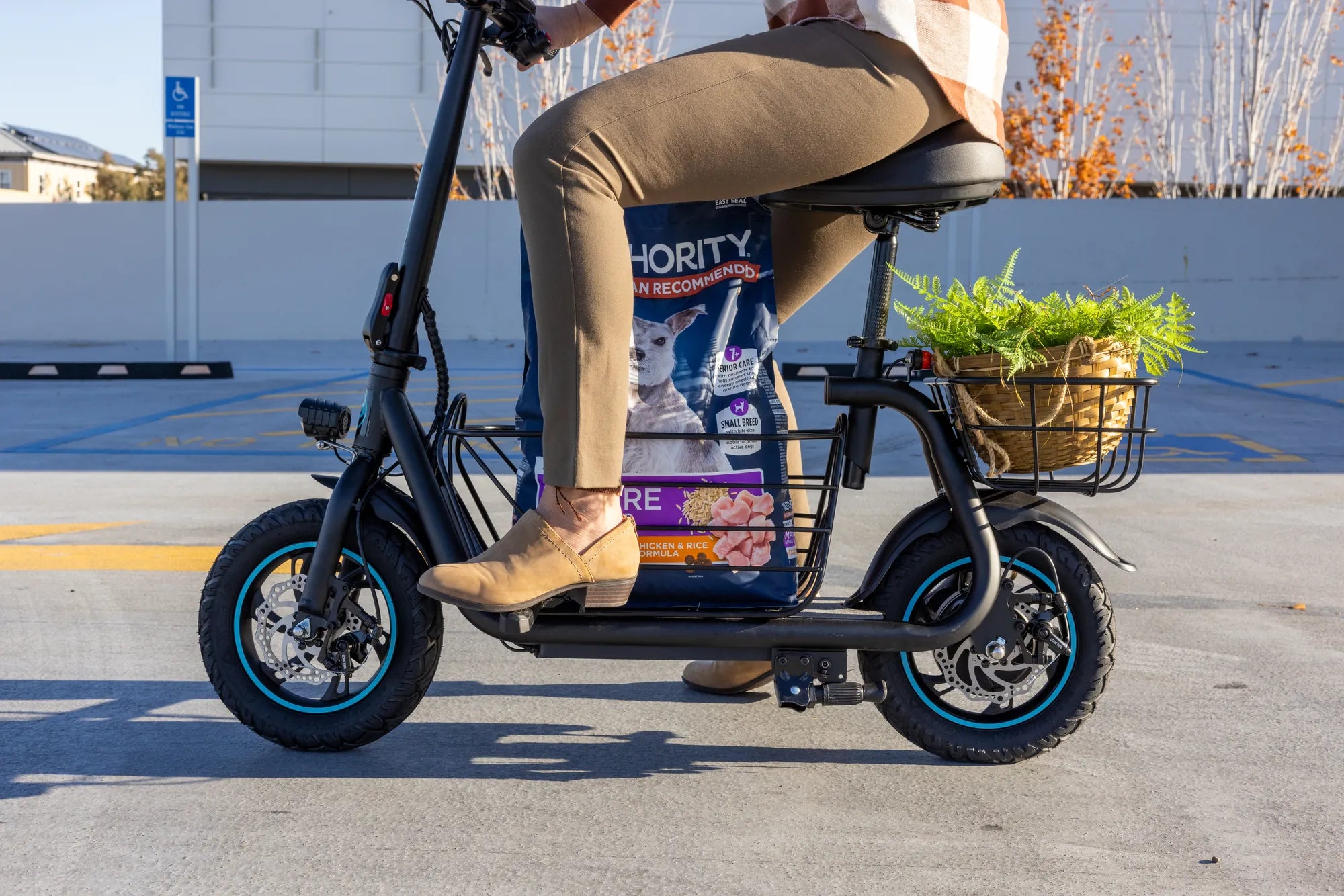
Electric scooters have become a staple on college campuses, offering students a quick and eco-friendly way to navigate sprawling grounds. However, as their popularity grows, so do concerns about safety, leading to the implementation of campus electric scooter speed limits. These regulations aim to strike a balance between convenience and risk, but are they effective? Let’s dive into the debate.
The Rise of Electric Scooters on Campus
Over the past decade, electric scooters have transformed urban mobility, and campuses are no exception. Their compact design, affordability, and zero emissions make them an attractive option for students. However, the rapid adoption of these devices has also led to accidents, collisions, and even fatalities, prompting universities to take action.
Why Speed Limits Matter
Speed limits for electric scooters on campus are not arbitrary. Studies show that higher speeds significantly increase the risk of severe injuries, especially in crowded areas like pedestrian walkways and bike lanes. By capping speeds, universities hope to reduce accidents while still allowing students to enjoy the benefits of this convenient mode of transportation.
The Debate Over Optimal Speed Limits
There’s no one-size-fits-all answer to what the ideal speed limit should be. Some campuses enforce strict caps as low as 10 mph, while others allow slightly higher speeds in designated zones. Critics argue that overly restrictive limits defeat the purpose of using scooters for quick travel, while proponents emphasize safety above all else.
Enforcement Challenges
Implementing speed limits is one thing; enforcing them is another. Many electric scooters can easily surpass campus-mandated speeds, and without proper monitoring, riders may ignore the rules. Universities are experimenting with solutions like geofencing technology, which automatically reduces scooter speeds in predefined areas.
Student Perspectives
For students, electric scooters are a time-saving necessity, especially when rushing between classes. While some appreciate the safety measures, others feel that speed limits hinder their efficiency. Surveys reveal a split opinion, with many calling for clearer guidelines and better infrastructure to accommodate scooters safely.
The Future of Campus Scooter Regulations
As technology evolves, so will the policies governing electric scooters. Universities are likely to adopt smarter, data-driven approaches to speed limits, balancing mobility and safety. The key will be fostering collaboration between administrators, students, and scooter providers to create sustainable solutions.
Whether you’re a student zipping across campus or an administrator crafting policies, the conversation around electric scooter speed limits is far from over. The right balance could redefine campus transportation for years to come—making it safer, smarter, and more efficient for everyone.
Mt Tzouhalem Mountain Biking: A Thrilling Ride Through Nature's Playground
Biking Palomar Mountain: A Thrilling Adventure for Cyclists