

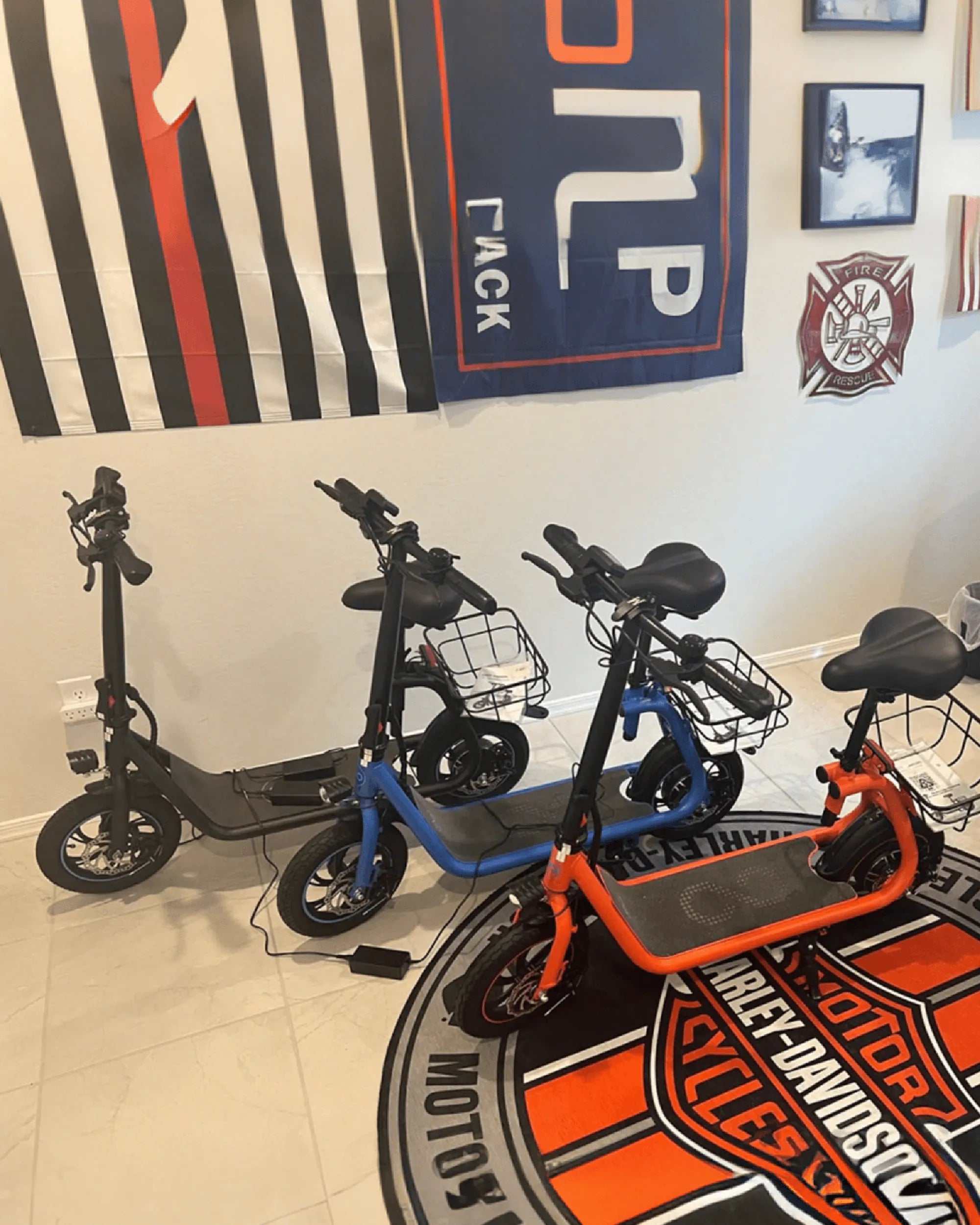
Electric scooters have taken urban commuting by storm, offering a sleek, efficient, and environmentally friendly way to navigate city streets. But one question lingers in the minds of potential buyers: can e scooter climb hill? Whether you're tackling steep urban slopes or just curious about performance limits, understanding how e-scooters handle inclines is crucial before making a purchase.
What Determines an E-Scooter's Ability to Climb Hills?
Not all electric scooters are created equal when it comes to hill-climbing prowess. Several key factors influence whether your ride can conquer steep gradients:
- Motor Power: Measured in watts (W), a higher-wattage motor delivers more torque, making uphill climbs easier. Scooters with 250W motors may struggle, while 500W+ models handle moderate inclines comfortably.
- Battery Capacity: Climbing hills drains battery life faster. A high-capacity battery ensures you won't run out of juice mid-ascent.
- Weight Distribution: Both the rider's weight and the scooter's design affect balance and traction on slopes.
- Tire Type: Pneumatic (air-filled) tires provide better grip than solid ones, improving hill-climbing performance.
How Much Hill Can an Average E-Scooter Handle?
Most entry-level e-scooters with 250W motors can manage inclines up to 10-15 degrees, while mid-range models (350-500W) handle 15-20 degrees. High-performance scooters with dual motors (1000W+) can conquer 25-30 degree hills or steeper. However, these numbers vary based on rider weight, battery charge, and terrain conditions.
Tips to Improve Your E-Scooter's Hill-Climbing Performance
If you frequently encounter hills, these strategies can help maximize your scooter's climbing ability:
- Maintain Momentum: Approach hills at a steady speed rather than starting from a standstill.
- Reduce Weight: Carry only essential items to lighten the load.
- Check Tire Pressure: Properly inflated pneumatic tires improve traction.
- Use the Right Mode: Many scooters have eco/turbo modes - switch to high-power for hills.
- Monitor Battery Levels: Climbing drains power quickly; avoid steep hills when battery is low.
The Trade-Offs of Hill-Climbing Capability
While powerful hill-climbing scooters offer obvious advantages, they come with compromises:
| Advantage | Trade-Off |
|---|---|
| Stronger motors for hills | Higher cost and weight |
| Dual motor systems | Reduced battery range |
| Large batteries for sustained power | Longer charging times |
Urban commuters must balance these factors based on their typical routes and needs.
Safety Considerations for Hill Riding
Navigating hills on an e-scooter requires extra caution. Always:
- Wear a helmet and protective gear
- Test brakes before descending
- Maintain a controlled speed downhill
- Be visible to other vehicles
- Avoid wet or slippery surfaces
Remember that braking systems work harder on declines, which can lead to overheating in some models.
Future Developments in Hill-Climbing E-Scooters
As battery and motor technology advances, we can expect even better hill performance from future e-scooters. Innovations like regenerative braking (which recaptures energy during descents), more efficient motor designs, and lightweight yet powerful batteries will continue pushing the boundaries of what electric scooters can climb.
So, can e scooter climb hill? Absolutely - with the right model and proper technique, modern electric scooters can handle surprisingly steep inclines. Whether you're commuting in a hilly city or just want the flexibility to tackle occasional slopes, today's market offers options for every terrain and budget. The key is understanding your needs and choosing a scooter with appropriate power and features to match your local landscape.
What Is the Best Lightweight Electric Bike: A Comprehensive Guide
What Is the Best Lightweight Electric Bike: A Comprehensive Guide