



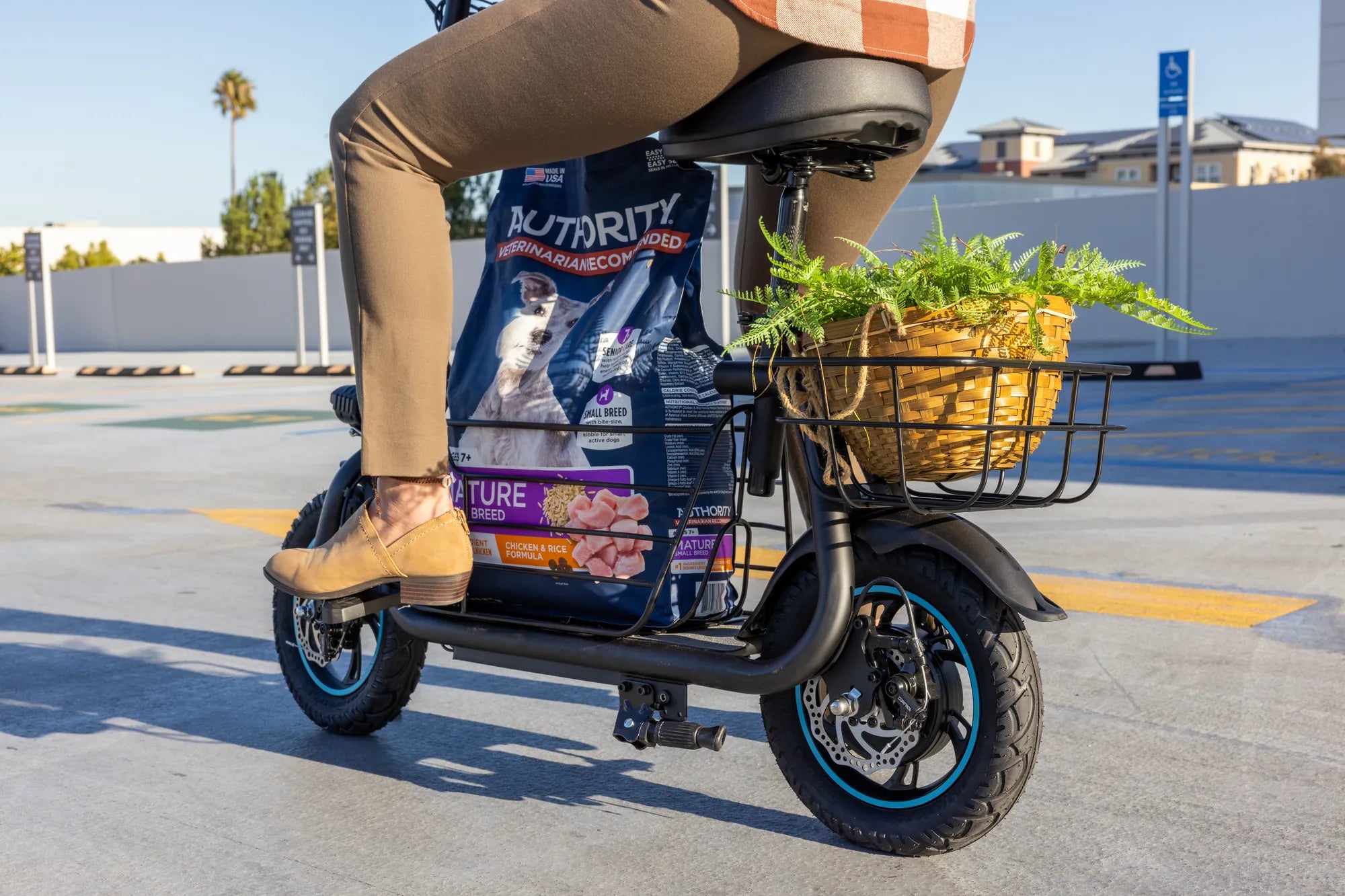
Introduction: The Electric Scooter's Place in Modern Transit
The electric scooter has surged from a niche gadget to a cornerstone of urban mobility, offering a solution for micro-commuting, last-mile travel, and reducing car dependency. This rapid adoption forces a critical question to the forefront: Can electric scooters be on the road? The answer is not a simple yes or no, but a complex tapestry of local laws, safety realities, and rider responsibility.
This article exists to demystify that complexity. We will explore the fragmented legal landscape, provide actionable safety guidance for sharing space with vehicles, and examine how technological design impacts roadworthiness. Understanding the rules and realities is essential for every rider, from daily commuters to weekend explorers.
Navigating this terrain requires moving beyond assumptions. What is legal in one city may incur a fine in the next. By the end of this guide, you will have a clear, data-driven framework to determine where and how you can legally and safely operate your electric scooter on public roadways.
Understanding the Legal Landscape: It's All About Local Jurisdiction
There is no single, federal law in the United States or blanket regulation in the European Union that universally governs electric scooter use on roads. Instead, authority is delegated to states, provinces, and, most critically, individual cities and municipalities. This creates a patchwork of regulations where the rules can change at a county line.
The core legal challenge is classification. Authorities typically slot electric scooters into one of three categories: as a motor vehicle (subject to registration, insurance, and licensing), a motorized scooter or personal mobility device (with its own specific rules), or a bicycle-like device (allowing use in bike lanes). This classification directly dictates road access, permissible riding areas, and rider requirements.
For instance, many U.S. states have passed laws enabling e-scooter use, but explicitly allow cities to impose stricter regulations or outright bans. In Europe, national frameworks exist, but local enforcement and specific geofenced zones (like pedestrian-only areas) are controlled by city councils. The onus is entirely on the rider to know the local ordinance.
Ignorance of the law is rarely a valid defense. A rider operating legally in their home city could face penalties while traveling. The first step for any responsible rider is a visit to their local Department of Transportation or city government website to review the specific code governing "motorized scooters" or "personal mobility devices."
Key Legal Factors That Determine Road Access
Municipalities use a set of common technical and behavioral criteria to regulate access. Understanding these factors helps you assess both your local laws and whether a specific scooter model is compliant.
Maximum Speed: This is the most common regulator. Many cities cap allowable e-scooter speed on roads and bike lanes at 15-20 mph (24-32 km/h). Some require scooters to have a mode limiting speed to lower limits in dense pedestrian zones. Exceeding these design limits can classify the scooter as a moped, requiring different licensing.
Motor Wattage: Power output, measured in watts, often correlates with speed limits. Many jurisdictions set a maximum continuous wattage, commonly 500W or 750W, for devices allowed in bike lanes. Higher-wattage models may be restricted to private property or require vehicle registration.
Helmet and Age Requirements: Laws frequently mandate helmet use for all riders, or specifically for minors (e.g., under 18). Minimum rider age is also common, often set at 16 years old. Some cities require a valid driver's license, though this is becoming less common as e-scooters are classified separately from cars.
Infrastructure Mandates: Where you *must* ride is as important as where you *can* ride. Most ordinances prohibit riding on sidewalks in business districts and require use of bike lanes where available. On roads without bike lanes, riding in the traffic lane is typically required, not the sidewalk.
Safety First: The Realities of Sharing the Road with Cars
Legality is just the first hurdle; practical safety is the ongoing challenge. Sharing road space with vehicles weighing thousands of pounds requires a defensive, hyper-aware mindset. The reality is that riders are vulnerable, and safety depends overwhelmingly on rider behavior and preparation.
The primary risks are multi-faceted. Vehicle blind spots are a constant threat, especially with trucks and buses. Road hazards like potholes, sewer grates, and debris are magnified on small wheels and can cause catastrophic falls. The "door zone" next to parked cars presents a severe risk of collision if a driver opens their door unexpectedly.
Visibility is your greatest ally. Drivers are often not looking for small, quiet vehicles moving at 15-20 mph. Assuming you are not seen is the safest default position. This reality necessitates not just compliance with the law, but exceeding minimum safety standards through gear and riding discipline.
Data from urban safety studies consistently shows that rider error and lack of protective equipment are leading factors in severe incidents. Investing in safety is not an optional accessory; it is a fundamental component of responsible road use for electric scooters.
Essential Gear and Riding Practices for Road Safety
Beyond a legally required helmet, a full safety system dramatically reduces risk. A properly fitted bicycle or multi-impact helmet is non-negotiable. Studies show helmets reduce the risk of head injury by over 60% for micro-mobility users.
Active lighting is crucial: a bright white front light (300+ lumens) and a solid/blinking red rear light are essential for dawn, dusk, and night riding. Reflective clothing or vests significantly increase your visibility profile to drivers from the side, a critical angle at intersections.
Your riding practices must mirror those of a cyclist. Always obey traffic signals and stop signs. Use hand signals for turns and lane changes. Ride in the direction of traffic, never against it. Maintain a predictable line and avoid sudden swerves. Actively scan the road ahead for hazards and practice controlled braking.
Finally, never use headphones or be distracted by a phone while riding. Your full auditory and cognitive attention is required to process traffic flow, identify potential threats, and react instantaneously. Defensive riding assumes others will make mistakes, and prepares you to avoid them.
Gyroor's Commitment: Engineering for Confident Road Compliance
As a leading electric scooter and e-bike brand trusted by over 100,000 riders across North America and Europe, Gyroor designs its products with the realities of road use in mind. Engineering priorities align directly with the needs of safe, compliant, and reliable commuting.
At the core is battery safety. All Gyroor models use UL-certified battery packs, tested for 500+ charge cycles. This certification is a benchmark for electrical and fire safety, providing peace of mind that the power source meets rigorous independent standards, a critical factor for a device used in public spaces.
Real-world conditions demand durability. Gyroor's IPX5 water-resistant design ensures scooters can handle wet roads, puddles, and light rain without compromising function. This resilience is key for practical daily commuting where weather can change unexpectedly. Performance is backed by a reliable 1-year comprehensive warranty, underscoring build quality.
These features—certified safety, environmental resistance, and warranty-backed reliability—are not just specifications. They are direct responses to the demands of road legality and rider security. They enable riders to focus on the journey, not worry about equipment failure.
Model Considerations: Choosing the Right Gyroor for Your Commute
Selecting the appropriate model is a key part of legal and safe operation. Your choice should be informed by local speed and power regulations, as well as your typical route's terrain.
For most urban commuters where bike-lane use is mandated and speed limits are 20 mph or lower, Gyroor's commuter-focused models with 350W-500W motors and top speeds around 18-19 mph offer ideal compliance and efficiency. These provide adequate power for hills while aligning with common legal frameworks.
For riders in areas with higher permissible limits or for use on private roads, more powerful models with 500W+ motors and speeds up to 25 mph offer extended range and performance. It is imperative to verify your local speed and wattage laws before purchasing a higher-performance model to ensure on-road legality.
Additional features like dual suspension systems, larger pneumatic tires, and integrated lighting enhance safety and comfort on varied road surfaces. Assessing your commute's distance, incline, and road quality will guide you to the model that delivers reliable, compliant performance.
The Data-Driven Case for E-Scooter Integration
Beyond individual use, there is a compelling societal argument for thoughtfully integrating e-scooters into the road transportation ecosystem. Data indicates significant benefits when managed effectively.
Studies from urban planning institutes show e-scooters can reduce traffic congestion by replacing short car trips. A 2021 study found 30-40% of e-scooter rides displaced automobile travel in several U.S. cities. This directly lowers localized carbon emissions and improves air quality.
E-scooters excel at solving the "last-mile problem," seamlessly connecting riders from public transit hubs to their final destination. This increases the effective radius and utility of buses and trains, promoting multi-modal transportation. Their small physical footprint also requires far less parking infrastructure than cars.
Challenges remain, notably around sidewalk clutter and rider-pedestrian conflict, which underscore the need for dedicated infrastructure like protected bike lanes and clear parking corrals. Cities that invest in this infrastructure see higher adoption and safer outcomes. The data supports a model where regulated road and bike-lane access, coupled with proper infrastructure, maximizes public benefit.
Comparison: Road Access Rules by Vehicle Type
The table below contrasts typical regulations for different personal mobility vehicles, highlighting where electric scooters often fit within the legal framework. Note: These are general trends; always confirm local laws.
| Vehicle Type | Typical Max Speed | Typical Road/Bike Lane Access | Common Helmet Law | License/Registration Typical? |
|---|---|---|---|---|
| Electric Scooter | 15-20 mph | Bike Lanes Required; Roads if no lane | Required (All or Minors) | No |
| Traditional Bicycle | Human-Powered | Bike Lanes or Roads | Often for Minors | No |
| Electric Bicycle (Class 1/2) | 20 mph (assist) | Bike Lanes & Roads | Often for Minors | No |
| Moped / Low-Speed Scooter | 25-30 mph+ | Roads Only | Required | Yes, Often Required |
| Motorcycle | 30 mph+ | Roads Only | Required | Yes, Required |
Frequently Asked Questions (FAQ)
Q: Do I need a driver's license, insurance, or registration for my electric scooter?
A: Typically, no. Most jurisdictions classify e-scooters separately from motor vehicles, so a driver's license, vehicle registration, and insurance are not required. However, some localities or specific models (e.g., very high-powered) may have different rules. Always check your city's ordinance.
Q: Can I ride my electric scooter in bike lanes?
A: In the vast majority of cities that allow e-scooters, riding in bike lanes is not only permitted but often required where infrastructure exists. Riding on the sidewalk in business districts is usually prohibited. You must use the bike lane if one is available.
Q: What are the penalties for breaking e-scooter rules, like riding on sidewalks?
A: Penalties vary but commonly include fines, which can range from $50 to over $200 for offenses like sidewalk riding, riding underage, or lacking a helmet where required. In severe cases or repeat offenses, the scooter could be impounded.
Q: Are Gyroor electric scooters legal in my city?
A: Gyroor manufactures scooters designed to comply with common regulatory frameworks (e.g., speeds up to 19-20 mph). Ultimate legality is determined by your local laws. We recommend using the specifications listed for each Gyroor model on our official website as a reference when checking your city's rules on maximum speed and motor wattage.
Q: How can I find out the specific laws for my area?
A: Start with a web search for "[Your City Name] electric scooter ordinance" or "personal mobility device laws." Visit your city's official government website or Department of Transportation page. Local bike advocacy groups often also summarize these rules clearly for active transportation users.
Conclusion: Navigating the Road Ahead Responsibly
The question of whether electric scooters can be on the road is answered by a combination of diligent research, personal responsibility, and proper equipment. Legality is hyper-local, and safety is fundamentally in the rider's hands. By knowing your local rules, investing in essential safety gear, and adopting defensive riding practices, you transform an electric scooter into a viable, sustainable commuting tool.
The future of urban mobility is multimodal. Electric scooters, when integrated responsibly with proper infrastructure, offer a clear path to reducing congestion and emissions. As a rider, you are an ambassador for this mode of transport. Informed, courteous, and safe riding behavior helps build positive community perception and paves the way for better infrastructure for everyone.
Choose a scooter engineered for reliability and compliance, understand the landscape, and ride with confidence and caution. The road is there to be shared—intelligently.
Ready to find a road-ready electric scooter built with safety and compliance in mind? Browse the full Gyroor collection, featuring UL-certified batteries, IPX5 water-resistant designs, and models tailored for different commutes, at gyroorboard.com.
Electric Scooters Europe: The Rise of Eco-Friendly Urban Mobility
Electric Scooters for Adults Commuting: Urban Transport Revolution