

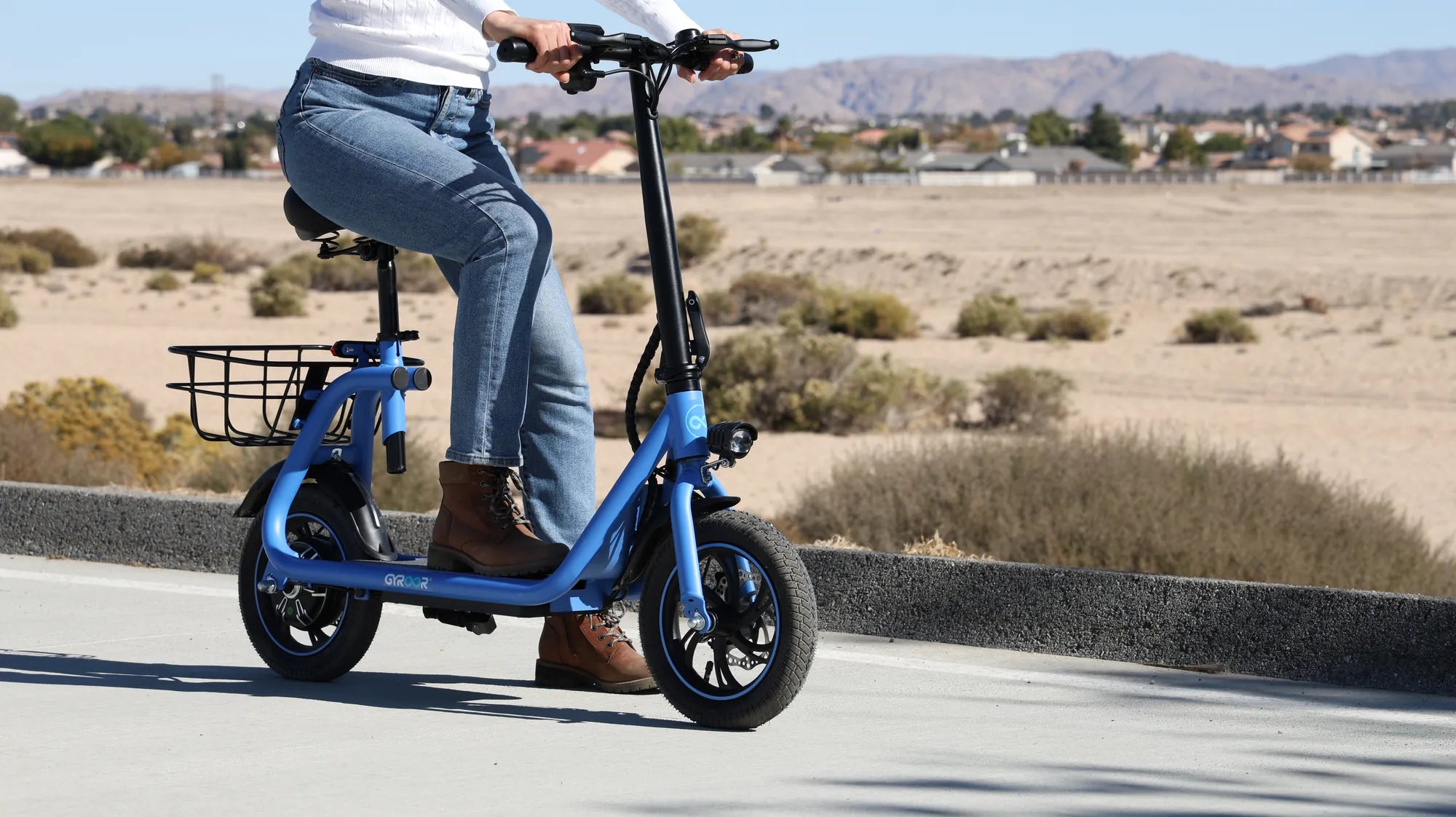
Introduction: The Wet Weather Dilemma for E-Scooter Riders
You're halfway through your commute when the sky darkens and rain begins to fall. The immediate question flashes in your mind: can electric scooters get wet? This isn't just a minor inconvenience—it's a critical safety and maintenance concern that every rider faces. The short answer is nuanced: most modern electric scooters are water-resistant, not waterproof, and their capability to handle moisture depends on specific engineering standards.
Understanding what happens when your scooter meets water is essential for protecting your investment and ensuring safe operation. This guide will provide everything you need to know before riding in the rain, from technical specifications to practical riding techniques. We'll explore how brands like Gyroor design scooters for real-world conditions, including unexpected showers, while maintaining rigorous safety standards across their lineup of over 20 models.
The core question of can electric scooters get wet hinges on several factors: the scooter's Ingress Protection (IP) rating, the intensity and duration of exposure, and proper post-ride care. Ignoring these factors can lead to electrical failures, reduced performance, and voided warranties. By the end of this article, you'll be equipped to make informed decisions about wet-weather riding.
Riding an electric scooter in the rain requires more than just bravery; it demands knowledge. We'll break down the science of water resistance, component vulnerabilities, and manufacturer specifications. This knowledge empowers you to ride confidently when drizzle threatens, while knowing when to seek alternative transport during a downpour.
Understanding IP Ratings: The Language of Water Resistance
When manufacturers claim water resistance, they reference the International Protection (IP) rating system. This two-digit code, like IPX5 or IP54, provides standardized information about a device's protection against solids and liquids. The first digit (0-6) indicates protection against solid particles like dust, while the second digit (0-9K) specifies protection against water ingress.
For electric scooters, the liquid protection digit is most critical. Common ratings you'll encounter include IPX4 (protection against water splashes from any direction), IPX5 (protection against water jets from a nozzle), and IPX7 (protection against temporary immersion up to 1 meter). The 'X' indicates the manufacturer hasn't specified a rating for solid particle protection, focusing instead on liquid resistance.
It's crucial to understand that no consumer electric scooter is truly waterproof. The highest practical rating for daily riders is typically IPX5 or IPX6, which protects against powerful water jets but not submersion. Even scooters with impressive ratings have vulnerable points like charging ports, button seams, and mechanical joints where water can penetrate over time.
The table below compares common IP ratings relevant to electric scooters and what they mean for real-world riding conditions:
| IP Rating | Protection Level | Practical Meaning for Scooters |
|---|---|---|
| IPX4 | Splash Resistant | Safe in light drizzle; avoid puddles and prolonged rain |
| IPX5 | Water Jet Resistant | Can handle moderate rain and road spray; common in commuter models |
| IPX6 | Powerful Water Jet Resistant | Protected against heavy rain and temporary flooding |
| IPX7 | Immersion up to 1m | Can survive accidental submersion for 30 minutes; rare in scooters |
Always check your scooter's manual or specifications for its exact IP rating. Brands like Gyroor clearly state IPX5 ratings for their commuter models, indicating design for real-world urban conditions where unexpected rain is inevitable. This transparency helps riders understand their scooter's limitations and capabilities.
What "Water-Resistant" Really Means for Your Scooter's Components
Water resistance isn't a blanket protection—it's a system of seals, gaskets, and design choices that protect specific components. Understanding which parts are vulnerable helps you appreciate both the engineering and the risks involved when riding in wet conditions.
The battery pack represents the most critical and expensive component to protect. Quality scooters use UL-certified batteries housed in sealed compartments with silicone gaskets around the seams. The Battery Management System (BMS), which prevents overcharging and overheating, is particularly sensitive to moisture. Brands like Gyroor subject their battery packs to 500+ charge cycle testing in controlled environments to ensure reliability, but consistent water exposure can compromise even robust systems.
The motor, typically located in the wheel hub, presents unique challenges. While the electromagnetic components themselves are somewhat protected, the bearings and axle seals can allow water ingress over time. This leads to corrosion, increased friction, and eventual failure. Water-resistant scooters use sealed bearing units and sometimes even potted motors where the internal components are encased in resin.
Electronic controllers and wiring harnesses represent another vulnerability point. Connectors, even when designed to be water-resistant, can trap moisture and develop corrosion. This corrosion increases electrical resistance, causing voltage drops, erratic behavior, and potential failure. Quality manufacturers use waterproof connectors, conformal coating on circuit boards, and sealed enclosures for deck electronics.
Mechanical components—brakes, bearings, and the folding mechanism—receive less protection than electronics. Disc brakes can experience reduced performance when wet (though they typically recover when dry), while drum brakes may retain water longer. Bearings throughout the scooter, from the wheels to the steering column, can rust if not properly maintained after wet rides. This is why post-ride care is as important as the initial water resistance rating.
Practical Guide: Riding Your E-Scooter in Wet Conditions
If you must ride in wet conditions, proper preparation and technique significantly reduce risks. This practical guide covers pre-ride checks, riding adjustments, and immediate post-ride actions that protect both you and your scooter.
Pre-Ride Preparation: Before heading out in questionable weather, verify your scooter's IP rating and understand its limitations. Check tire tread depth—worn tires dramatically reduce wet traction. Test your brakes thoroughly; wet brake pads and rotors require longer stopping distances. Ensure all protective covers for charging ports are securely closed. Consider applying a water-displacing lubricant to mechanical joints if recommended by your manufacturer.
Riding Technique Adjustments: Reduce your speed by at least 30% compared to dry conditions. Wet surfaces, especially road paint, metal grates, and manhole covers, become extremely slippery. Increase following distance from vehicles and other riders, as braking distances extend significantly. Avoid sudden acceleration or braking, which can cause loss of traction. Steer gently and anticipate turns well in advance.
Hazard Avoidance: Treat puddles with extreme caution—you cannot judge their depth, and deep water can submerge critical components. Avoid riding through standing water deeper than your wheel radius. Be particularly careful with streetcar tracks, construction plates, and leaf-covered surfaces, which become treacherously slick when wet. Watch for oil slicks that often become visible on wet roads, especially after initial rainfall following a dry period.
Immediate Post-Ride Actions: Once you reach shelter, begin drying your scooter immediately. Use a clean, absorbent towel to wipe down the entire frame, paying special attention to the brake system, wheel bearings, and folding mechanisms. Open and dry the charging port cover (if applicable) before closing it again. Gently tilt the scooter to drain any water that may have collected in the deck. Never charge a wet scooter—wait until you're certain all components are completely dry.
The Risks: What Happens When Water Gets In?
Understanding the potential consequences of water ingress provides motivation for cautious wet-weather practices. Water damage often manifests gradually rather than immediately, making it a silent threat to your scooter's longevity.
Electrical System Failures: When water penetrates electronic components, it can cause short circuits in the controller or BMS. This may lead to immediate failure (the scooter stops working) or intermittent issues that are difficult to diagnose. Corrosion on connectors and circuit boards develops over weeks or months, eventually causing voltage irregularities, reduced performance, and complete system failure. Repairing water-damaged electronics often costs more than replacing the entire unit.
Battery Compromise: Lithium-ion batteries and water create dangerous combinations. While quality batteries are well-sealed, water ingress can cause internal short circuits leading to thermal runaway—a dangerous condition where the battery overheats and potentially catches fire. Even without catastrophic failure, moisture can degrade battery cells, reducing capacity and lifespan. This is why brands emphasizing safety, like Gyroor, use UL-certified batteries with multiple protection layers.
Mechanical Degradation: Water acts as a catalyst for corrosion on all metal components. Bearings lose lubrication and develop rust, increasing rolling resistance and creating grinding noises. Brake rotors and pads can develop surface rust overnight after a wet ride, reducing braking efficiency until worn clean again. Screws and fasteners may corrode, making future maintenance difficult. The folding mechanism, with multiple moving parts, is particularly vulnerable to stiffness and corrosion from water exposure.
Warranty Implications: Most manufacturers explicitly exclude water damage from their warranties unless it results from a proven manufacturing defect in sealing. This means a $500 repair bill could come entirely from your pocket. Companies like Gyroor offer comprehensive 1-year warranties but specify they cover defects in materials and workmanship—not damage from riding through deep puddles or heavy rain beyond the scooter's rated capacity.
Gyroor's Engineering: Built for Real-World Commutes
As a leading electric scooter and e-bike brand trusted by over 100,000 riders across North America and Europe, Gyroor designs specifically for the challenges of daily commuting, including unpredictable weather. Their engineering philosophy balances performance, safety, and practical durability.
IPX5-Rated Construction: Gyroor's commuter-focused models feature IPX5 water resistance as standard. This rating means the scooter can withstand water jets from a 6.3mm nozzle from any direction—equivalent to moderate rain and road spray. Achieving this requires multiple design elements: sealed battery compartments with silicone gaskets, waterproof connectors throughout the wiring harness, protected deck electronics, and strategically placed drainage channels in the deck.
Battery Safety Focus: All Gyroor models use UL-certified battery packs tested for 500+ charge cycles. Beyond standard certification, they implement additional protections: multi-layer sealing around the battery compartment, moisture-resistant battery management systems, and physical separation between battery cells and the outer casing. This comprehensive approach addresses both performance and safety concerns in damp conditions.
Protected Critical Components: Gyroor scooters feature several specific design choices for wet-weather resilience. The motor hub includes enhanced sealing around the axle to prevent water ingress into bearings. Charging ports have rubberized covers that create a tight seal when closed. Control buttons use membrane-style designs rather than mechanical switches that can trap moisture. The display, while not fully waterproof, is recessed and angled to shed water rather than collect it.
Real-World Testing: Beyond laboratory IP testing, Gyroor subjects prototypes to simulated real-world conditions including road spray, puddle splashes, and varying humidity levels. This testing helps identify vulnerabilities not captured in standard ratings, leading to design improvements before production. The result is scooters that perform reliably for urban commuters who occasionally get caught in the rain, backed by a 4.5/5 average customer rating emphasizing durability.
Maintenance After the Rain: Essential Post-Wet Ride Care
Proper maintenance after wet riding significantly extends your scooter's lifespan and ensures reliable performance. This routine requires 15-20 minutes but prevents hundreds of dollars in potential repairs.
Immediate Drying Protocol: Start with a clean, dry microfiber cloth to wipe down the entire scooter. Pay particular attention to the brake calipers and rotors, as trapped moisture causes corrosion. Use a secondary dry cloth or compressed air (on low setting) to remove water from crevices around the folding mechanism, stem joint, and deck seams. If water entered the charging port, gently dab it dry with the corner of a cloth—never insert objects into the port.
Brake System Care: After drying, test your brakes while the scooter is stationary. If they feel gritty or less responsive, moisture may have affected pad material. For disc brakes, gently apply the brakes while walking the scooter to generate light friction that dries the rotors. Avoid aggressive braking immediately after wet rides, as this can transfer pad material unevenly onto wet rotors. Consider applying disc brake cleaner if performance remains compromised after drying.
Bearing and Mechanical Inspection: Rotate each wheel while listening for grinding sounds indicating water in bearings. Check steering responsiveness—stiffness may indicate water in the headset bearings. Lubricate the folding mechanism and any visible pivot points with a manufacturer-recommended lubricant (often silicone-based). Avoid petroleum-based lubricants that attract dirt and can degrade plastic components.
Long-Term Storage Considerations: If you won't ride for several days after a wet trip, store your scooter in a dry, temperature-stable environment. Consider placing moisture-absorbing packets near the deck if you suspect internal moisture. Before your next ride, perform a full safety check including brakes, tire pressure, and light function. This comprehensive approach ensures that occasional wet rides don't compromise long-term reliability.
FAQ: Your Electric Scooter and Water Questions Answered
Q: Can I ride my electric scooter through a puddle?
A: Small, shallow puddles (under 1 inch deep) are generally safe for scooters with IPX5 or higher ratings if crossed slowly. Deep puddles should be avoided entirely, as they can submerge the motor or deck electronics, causing immediate water ingress beyond the scooter's rated protection.
Q: Is my scooter safe to charge after being in the rain?
A> Only after it's completely dry. Wait at least 2-4 hours in a dry environment, and inspect the charging port for moisture before connecting. Charging a wet scooter risks short circuits, battery damage, and potential fire hazard—it's the most dangerous thing you can do with a damp scooter.
Q: Does the warranty cover water damage?
A: Typically no. Most manufacturers, including Gyroor, exclude water damage from warranty coverage unless it results from a proven manufacturing defect in sealing. The warranty covers defects in materials and workmanship, not damage from riding in conditions beyond the scooter's IP rating.
Q: How do I check my scooter's IP rating?
A: Check the user manual, manufacturer's website, or product specification sheet. The rating is often printed on the scooter itself, sometimes near the serial number or on the deck. If uncertain, contact the manufacturer directly—reputable brands provide this information transparently.
Q: Can I improve my scooter's water resistance?
A: While you shouldn't modify internal electronics, you can apply silicone sealant to external seams (avoiding moving parts) and use waterproof covers for the display. However, these modifications may void your warranty. The safest approach is understanding your scooter's limits and riding accordingly.
Q: How does cold rain affect my scooter differently?
A: Cold water can accelerate bearing corrosion and reduce battery performance temporarily. Lithium-ion batteries deliver less power in cold conditions regardless of moisture. Combine cold rain with wet surfaces, and you have significantly reduced traction and range—proceed with extra caution.
Conclusion: Ride Smart, Stay Dry, and Extend Your Scooter's Life
The question of whether electric scooters can get wet has a clear but nuanced answer: quality scooters with proper IP ratings can handle light to moderate rain with appropriate precautions, but no scooter is invincible against water. Your approach to wet-weather riding should balance the manufacturer's specifications with common-sense safety practices.
Knowing your scooter's IP rating provides the foundation for informed decisions. An IPX5-rated commuter scooter like those from Gyroor offers substantial protection against urban rain and splashes, while lower-rated models require more conservative riding. This knowledge, combined with adjusted riding techniques and diligent post-ride maintenance, creates a comprehensive strategy for wet conditions.
Ultimately, the rider's judgment proves as important as the scooter's engineering. Sometimes the smartest decision is to wait out heavy rain or use alternative transportation. Your scooter represents a significant investment—protecting it through careful wet-weather practices ensures years of reliable service and maintains its resale value.
For riders seeking scooters designed for real-world conditions, including unexpected weather, explore designs that prioritize both performance and protection. Browse the full Gyroor collection at gyroorboard.com to discover UL-certified, IPX5-rated electric scooters and e-bikes built for confident commuting in various conditions, backed by reliable customer support and comprehensive warranties.
Electric Mobility Scooters for Adults: The Ultimate Guide to Freedom and Independence
Top Rated Electric Scooters: The Ultimate Guide to Choosing the Best