



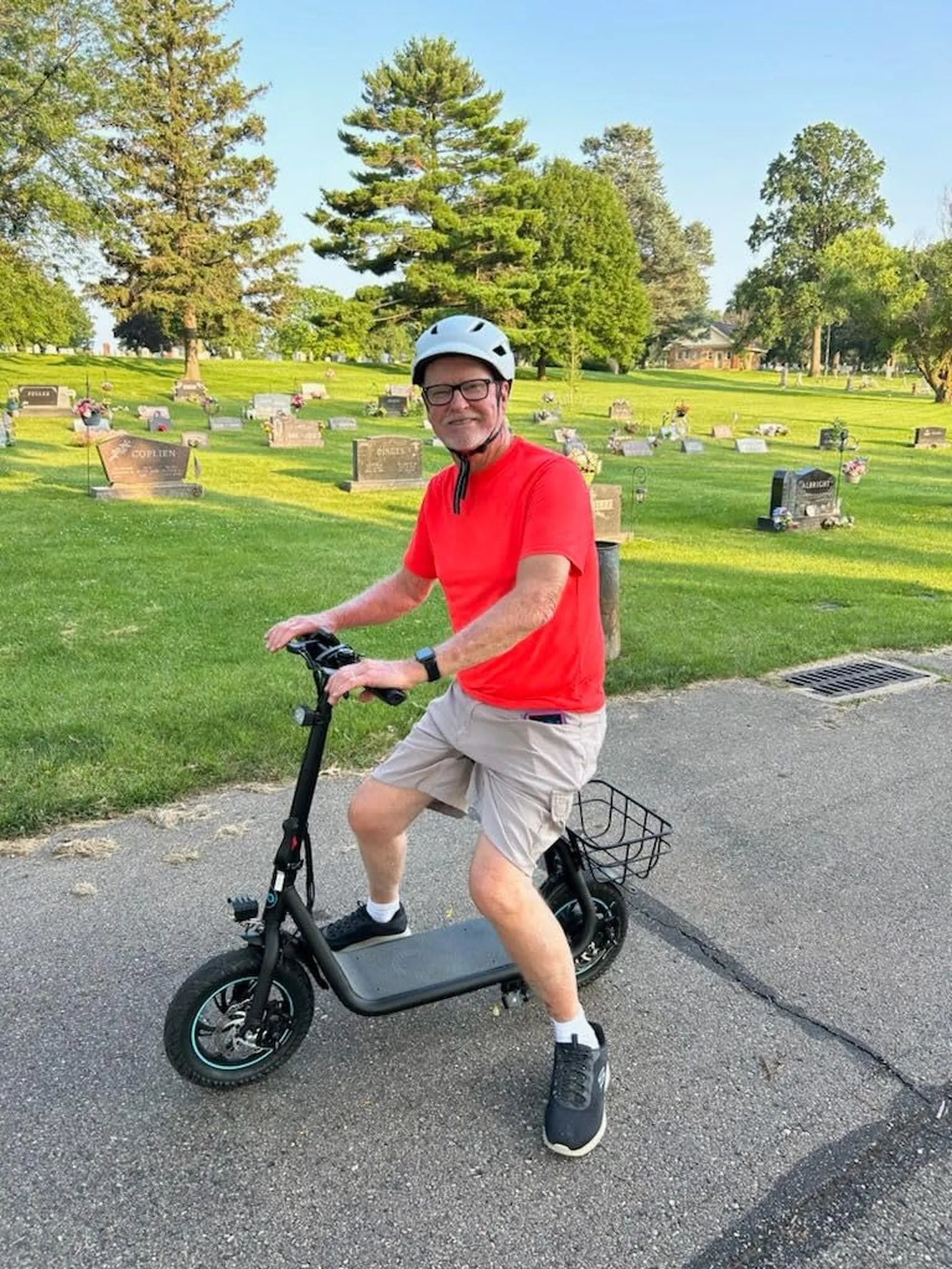
You're halfway through your commute when the sky opens up. The immediate question isn't just about getting wet—it's about your scooter's safety. Can electric scooters ride in the rain? The answer is nuanced, hinging on engineering specifications, rider caution, and post-ride care. This guide provides the definitive, data-driven knowledge you need. We'll decode water resistance ratings, detail the tangible risks, and outline a complete protocol for safe wet-weather operation and maintenance. Understanding these factors is the key to protecting your investment and ensuring reliable transportation, rain or shine.
Understanding Water Resistance: IP Ratings Explained
Your scooter's capability in wet conditions is quantified by its Ingress Protection (IP) rating. This international standard (IEC 60529) defines protection levels against solids and liquids. The rating consists of the letters "IP" followed by two digits. The first digit indicates protection against solid particles like dust, while the second digit specifies protection against water. For rain riding, the second digit is critical.
Many scooters have an "X" in place of the first digit, meaning the solid particle protection isn't formally rated. An IPX5 rating, common in commuter models, is focused on liquid ingress. The second digit scale for water ranges from 0 (no protection) to 9K (high-pressure, high-temperature jet sprays). For electric scooters, ratings between IPX4 and IPX7 are most relevant.
An IPX4 rating means the scooter is protected against water splashes from any direction. It can handle light drizzle. IPX5 is a significant step up, indicating protection against water jets from a 6.3mm nozzle from any direction. This is the minimum rating for confident riding in steady, moderate rain. IPX6 offers protection against powerful water jets (12.5mm nozzle), and IPX7 allows for temporary immersion in up to 1 meter of water for 30 minutes.
It is vital to understand that no consumer electric scooter is fully "waterproof" in the absolute sense. Terms like "water-resistant" or "water-repellent" are more accurate. The IP rating describes tested laboratory conditions, not the unpredictable nature of real-world riding through puddles and road spray. A scooter's weakest point—often the charging port or deck seam—determines its real-world tolerance.
The Risks of Riding an Electric Scooter in Wet Conditions
Ignoring a scooter's limits in the rain invites multiple failure modes. The most immediate risk is electrical system failure. Water can seep into the battery compartment, motor hub, or controller, causing short circuits. This can lead to sudden power loss, permanent damage to electronic components, or in extreme cases, battery fire. Even with a good IP rating, prolonged exposure or forceful water ingress from puddles can overwhelm seals.
Traction and braking performance degrade drastically on wet surfaces. Electric scooter tires, especially solid ones, have less surface area than car tires. On wet pavement, metal surfaces like manhole covers, train tracks, and paint lines become extremely slippery. Braking distances can double, and the risk of skidding out during a turn or emergency stop increases exponentially.
Visibility is a major safety hazard. Rain reduces a rider's vision through a helmet visor or glasses. More critically, it makes you less visible to drivers. Car windows are often fogged, and windshield wipers can obscure a smaller profile like a scooter rider. Combined with potentially malfunctioning lights due to water ingress, this creates a high-risk scenario for collisions.
Finally, water accelerates corrosion and wear. Bearings in the wheels and folding mechanisms can rust. Screws and bolts may seize. Water and grime mixture can abrade brake pads and rotors. This insidious damage may not cause immediate failure but will significantly shorten the lifespan of mechanical components, leading to costly repairs down the line.
Scooter Water Resistance Comparison: Key Models and Ratings
Not all scooters are built equally for damp commutes. The table below compares typical water resistance levels and key features across different scooter categories, highlighting how design priorities influence wet-weather capability.
| Scooter Type / Example | Typical IP Rating | Key Wet-Weather Features | Best For | Primary Limitation |
|---|---|---|---|---|
| Basic / Entry-Level Commuter | IPX4 | Basic seal on deck, splash-resistant design. | Very light, occasional drizzle. | Cannot handle sustained rain or puddles. |
| Advanced Commuter (e.g., Gyroor F1 Pro) | IPX5 | Sealed deck, protected wiring, water-resistant connectors, UL-certified battery pack. | Steady rain, wet urban roads. | Not for immersion or deep flooding. |
| High-Performance / Off-Road | IPX5 - IPX6 | Aggressive tread tires, higher ground clearance, reinforced seals. | Wet trails, rough conditions. | Heavy weight, focused on particle protection (dust/mud). |
| Ultra-Portable / Last-Mile | IPX4 (often unspecified) | Lightweight, minimalistic design. | Dry weather commuting with rare, unexpected light rain. | Minimal protection; most vulnerable to water damage. |
As shown, a dedicated commuter scooter like those in Gyroor's lineup, built with an IPX5 rating and robust electrical protection, is engineered for the realities of daily travel, including wet weather. The UL-certified battery pack is a critical differentiator, as it undergoes rigorous safety testing for stability under various conditions, offering an extra layer of security.
Gyroor's Engineering for Wet Weather: A Closer Look
Gyroor designs its electric scooters with the all-weather urban commuter in mind. A cornerstone of this design philosophy is the IPX5 water-resistant rating applied across its core models. This isn't just a marketing claim; it's achieved through specific engineering choices. Critical electronic components, including the controller and battery management system (BMS), are housed within a sealed deck compartment. Cable connectors use rubber grommets and sealants to prevent water wicking along wires.
The battery is the heart of the scooter and a primary concern with water. Gyroor uses UL 2271 certified battery packs in its scooters. This certification involves a stringent set of tests, including mechanical, electrical, and environmental stress tests, to ensure the battery's safety and reliability. While not a direct test for water immersion, the robust construction and quality control of UL-certified cells contribute to overall system resilience against moisture-related issues.
This engineering confidence is backed by a comprehensive 1-year warranty. While the warranty does not cover damage from submersion or negligence (like riding through a deep flood), it protects against manufacturing defects. If a scooter with a stated IPX5 rating fails due to water ingress under normal rainy conditions within the warranty period, it would typically be covered. This warranty provides tangible assurance that the water-resistant design is built to perform.
Features like textured, non-slip deck tape, bright integrated lighting for low-visibility conditions, and reliable disc or electronic braking systems are also part of a holistic approach to safe wet-weather riding. It’s a combination of sealed electronics, certified safe batteries, and rider-focused design that defines a scooter ready for more than just sunny days.
Practical Guide: How to Safely Ride an E-Scooter in the Rain (If You Must)
If you need to ride in damp conditions, preparation and technique are everything. First, perform a pre-ride check. Ensure your tires are properly inflated for better traction. Test your brakes—both electronic and mechanical—to confirm they are dry and responsive. Verify that all lights (headlight, taillight, brake light) are functioning to maximize visibility.
Adjust your riding technique dramatically. Reduce your speed by at least 30-50%. This gives you more time to react and increases stability. Accelerate and decelerate smoothly and gradually. Jerky movements on a wet surface can easily break traction. Increase your following distance from vehicles and other obstacles to account for longer braking distances.
Be hyper-aware of road surfaces. Actively avoid puddles—you cannot know their depth, and they can hide potholes or completely submerge critical components. Treat metal grates, manhole covers, painted road lines, and wet leaves as if they were ice. Cross them at a slow, steady pace without turning or braking. Take corners much wider and slower than usual.
Dress appropriately. Wear a waterproof jacket and pants. Use clear-lens eyewear to maintain vision. Reflective clothing or accessories are highly recommended. Your goal is to minimize exposure for both yourself and the scooter, complete your journey safely, and immediately begin post-ride care.
Maintenance Must-Dos After Riding in Wet Weather
Post-ride care is non-negotiable. As soon as possible after your ride, perform a thorough drying routine. Use a dry, absorbent microfiber cloth or towel to wipe down the entire scooter. Pay special attention to the stem, handlebars, brake levers, and the deck. Gently dry around the charging port cover—never insert the charger if the port is damp.
Inspect for water ingress. Check the underside of the deck and around wheel axles. If your scooter has a removable battery, consider removing it (per manufacturer instructions) to ensure the compartment is dry. Tilt the scooter gently to see if any water drains from hidden areas. Do not use a hairdryer or heat gun, as excessive heat can damage seals and electronics.
Lubricate moving parts. After the scooter is completely dry, apply a light silicone-based lubricant to the folding mechanism, brake lever pivots, and kickstand. This displaces any residual moisture and prevents rust and squeaking. Avoid oil-based lubricants that attract dirt.
Allow for a full dry-out period before charging. Store the scooter in a dry, temperate place for several hours or overnight. Never charge a scooter that feels damp or cold to the touch, as condensation may be present inside. This disciplined routine significantly extends the life of your scooter after rain exposure.
Beyond the Rain: What Your Scooter Can't Handle
It is crucial to understand the clear boundaries of water resistance. Riding in light to moderate rain is one scenario; the following are explicitly unsafe and will likely cause severe damage, void your warranty, and create safety hazards. Never submerge any part of your electric scooter. This includes riding through deep puddles. A good rule of thumb: if the water is deeper than the height of your bottom deck or wheel hub, it's too deep.
Avoid riding during torrential downpours, thunderstorms, or floods. The volume and pressure of water in these conditions can exceed the design limits of even an IPX5-rated scooter. Furthermore, lightning poses a direct personal risk, and flooded roads can conceal dangerous debris or open manholes.
Never use a pressure washer or high-pressure hose to clean your scooter. The intense force can drive water past seals and gaskets directly into electronic compartments, causing immediate and catastrophic failure. Similarly, avoid submerging the scooter in any body of water for cleaning.
Storage conditions matter as much as riding conditions. Do not store a wet scooter in a sealed bag or a freezing cold environment. Trapped moisture promotes corrosion, and freezing temperatures can cause residual water inside components to expand, cracking housings and breaking seals. Always store your scooter clean and dry.
Frequently Asked Questions (FAQ)
Is my Gyroor scooter completely waterproof?
No. Gyroor scooters are built with an IPX5 water-resistant rating, meaning they are protected against sustained, low-pressure water jets from any direction—making them suitable for riding in rain. They are not waterproof against submersion or high-pressure water streams.
What should I do if my scooter gets caught in a heavy storm?
Seek shelter if possible. If you must continue, ride with extreme caution at low speed. Once you reach safety, perform the post-ride drying and maintenance routine outlined above with extra thoroughness. Allow the scooter to dry for at least 24 hours in a warm, dry place before attempting to turn it on or charge it.
Can I charge my scooter if it's still damp?
Absolutely not. Charging a damp scooter is a major safety risk that can lead to short circuits, battery damage, or fire. Always ensure the scooter, especially the charging port, is completely dry before connecting it to a charger.
How does the warranty cover water damage?
Gyroor's 1-year warranty covers defects in materials and workmanship. If a scooter with an IPX5 rating fails due to water ingress under normal rainy conditions, it is typically covered. Damage resulting from negligence—such as submersion, riding through deep floods, or using a pressure washer—is not covered.
Are solid or air-filled tires better for wet weather?
Air-filled (pneumatic) tires generally offer better wet-weather traction due to their ability to conform to the road surface and channel water away. However, they are susceptible to punctures. Solid tires eliminate flats but provide less grip on wet surfaces. Whichever you have, reducing speed and avoiding sharp maneuvers is key.
Smart Riding for All Seasons
The question, "Can electric scooters ride in the rain?" has a qualified yes. The true answer depends on your scooter's IP rating, your adherence to safe riding practices, and your commitment to post-ride maintenance. Brands like Gyroor engineer their scooters with IPX5 resistance and UL-certified batteries specifically to handle the challenges of wet commutes, backed by a warranty that supports their design claims. Ultimately, the most critical safety feature is an informed and cautious rider. By understanding the limits, respecting the risks, and caring for your scooter, you can confidently navigate damp roads and ensure your vehicle remains reliable for thousands of miles. For riders seeking a scooter built to handle the realities of daily commuting, including unpredictable weather, exploring a purpose-built option is the next logical step.
Browse the full collection of UL-certified, water-resistant electric scooters designed for reliable all-weather commuting at gyroorboard.com.
Affordable Electric Scooters 2025: The Future of Urban Mobility
Electric Scooters Brooklyn: The Ultimate Guide to Urban Mobility