



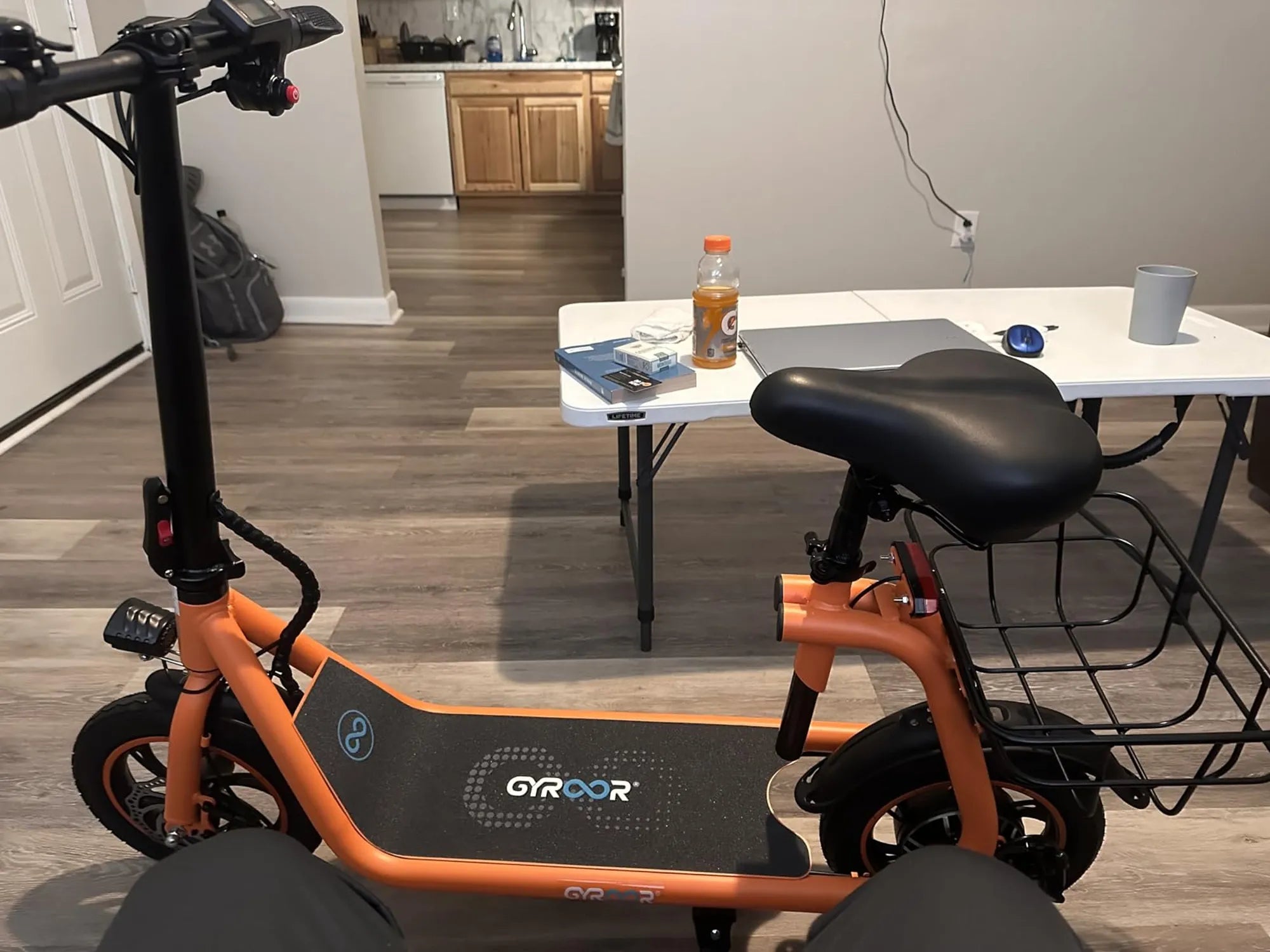
Electric scooters have become a popular mode of transportation, offering an eco-friendly and cost-effective way to commute. One of the most common questions riders ask is: Can I charge electric scooter at home? The answer is yes, but there are important factors to consider to ensure safety and efficiency. This guide will walk you through everything you need to know about charging your electric scooter at home.
Understanding Electric Scooter Charging Basics
Before plugging in your scooter, it's essential to understand how charging works. Most electric scooters use lithium-ion batteries, which require a specific charging process to maintain longevity and performance. The charger provided with your scooter is designed to deliver the correct voltage and current for safe charging.
Here are the key components involved in charging:
- Battery Capacity: Measured in watt-hours (Wh), this determines how much energy your scooter can store.
- Charger Output: Typically ranges between 36V to 48V, depending on the scooter model.
- Charging Time: Usually takes 4 to 8 hours for a full charge, but fast chargers can reduce this time.
Safety Precautions for Charging at Home
Charging an electric scooter at home is generally safe, but following these precautions will minimize risks:
- Use the Right Outlet: Ensure your home outlet matches the charger's voltage requirements. Avoid using extension cords if possible.
- Avoid Overcharging: Unplug the charger once the battery is full to prevent overheating.
- Charge in a Well-Ventilated Area: Lithium-ion batteries can generate heat, so avoid charging in enclosed spaces.
- Inspect the Charger: Regularly check for frayed wires or damage to the charger.
Power Requirements and Electrical Setup
Most electric scooters can be charged using a standard 110V or 220V household outlet. However, it's crucial to verify that your home's electrical system can handle the load. Here’s what to consider:
- Circuit Capacity: Ensure the circuit you’re using isn’t overloaded with other high-power devices.
- Voltage Compatibility: Check the charger's input voltage to match your home's electrical supply.
- Surge Protection: Using a surge protector can prevent damage from power spikes.
Best Practices for Extending Battery Life
Proper charging habits can significantly extend your scooter's battery lifespan. Follow these tips:
- Avoid Deep Discharges: Try not to let the battery drop below 20% before recharging.
- Store at Moderate Temperatures: Extreme heat or cold can degrade battery performance.
- Charge Regularly: Even if you don’t use the scooter daily, occasional charging prevents battery depletion.
Common Myths About Charging Electric Scooters
There are several misconceptions about charging electric scooters at home. Let’s debunk a few:
- Myth: Leaving the charger plugged in overnight damages the battery. Fact: Most modern chargers have auto-shutoff features.
- Myth: Fast charging is always better. Fact: Frequent fast charging can reduce battery lifespan.
- Myth: You need a special outlet for charging. Fact: Standard household outlets are usually sufficient.
What to Do If Charging Issues Arise
If your scooter isn’t charging properly, troubleshoot with these steps:
- Check the power outlet and try a different one.
- Inspect the charger and cables for damage.
- Ensure the battery connections are secure.
- Consult the user manual or contact customer support if issues persist.
Charging your electric scooter at home is a simple and convenient process when done correctly. By following safety guidelines and best practices, you can keep your scooter running smoothly for years to come. Ready to hit the road with a fully charged battery? Start implementing these tips today!
400 km Electric Scooter: The Future of Long-Distance Urban Commuting
Smart Electric Scooter with Handle: The Future of Urban Mobility